


Want more power without losing finesse? Let’s separate the mills that muscle through metal from the ones that just hum politely.
Speed without control is just chaos. A mill that varies speed AND adds a power feed is the difference between a one-off hack and a repeatable, clean finish. I’ve tested and compared—and yes, there are clear winners.
Top Picks


JET JTM-949EVS Electronic Variable Speed Mill
I found this mill engineered for shops that need absolute rigidity and repeatable accuracy under heavy cuts. Its combination of Meehanite castings, Class 7 spindle bearings and an internal spindle cooling system make it a top pick for professional machine shops.
Overview
I view the JET JTM-949EVS as a shop-grade variable-speed knee mill designed for demanding work. Built with Certified Meehanite castings and a redesigned column/base, it focuses on stability and long-term accuracy. The package typically includes a Newall DP700 DRO and an X-axis powerfeed, which turns setup and repetitive work into a much smoother process.
Key features and what they mean for you
These features translate to consistent surface finishes and less chatter when doing stepovers or interrupted cuts. The DRO and powerfeed combination make repetitive features and fixture work far quicker and much less fatiguing.
Practical benefits and limitations
I appreciate how this mill handles long production runs: the automatic oiler and cooling reduce maintenance downtime and bearing wear, while the heavy castings resist flex during heavy hogging. That said, the machine’s size, weight (over a ton in many configurations), and cost put it squarely in the professional or small-production shop category. If you mainly do light prototyping or hobby work, this is likely more machine than you need.
Real-world insight and buying advice
If your shop requires predictable heavy cutting and you can justify the investment, this mill pays back in uptime and precision. Consider floor loading, crane access, and a concrete anchoring plan before purchase. I recommend it for machine shops, restoration shops, or anyone who needs a workhorse with DRO and X-axis powerfeed out of the box.
RATTMMOTOR JN400S 650 in-lb Power Feed
I recommend this model when you need more torque for tougher cuts—the 650 in-lb rating gives it real muscle for heavier milling. It’s a practical middle ground: stronger than basic budget units, but still affordable compared to OEM heavy-duty feeds.
Where this fits in the lineup
I see the JN400S as a practical upgrade for shop operators who need more torque than entry-level powerfeeds provide but don’t want to spend on industrial OEM units. With a 650 in-lb torque rating and a speed range from about 2 to 200 RPM, it handles tougher feeds and deeper cuts more confidently.
Notable features and benefits
Those characteristics make it good for heavier slotting, small face milling, or when you’re removing more material per pass. The higher torque reduces the chances of stalling compared with 150–450 in-lb options.
Practical considerations and user experience
In my experience, installation usually requires a mounting plate or adapter to match older Bridgeport-style heads, but the process is straightforward for anyone familiar with mill modifications. Reviews indicate customers have fitted it successfully and used it for extended workloads without issues.
Recommendation
If you regularly do more than light finishing passes and need a reliable, higher-torque solution that’s still reasonably priced, the JN400S is a solid choice. Expect to do minor machine work for a perfect fit and plan for simple wiring to your shop power.
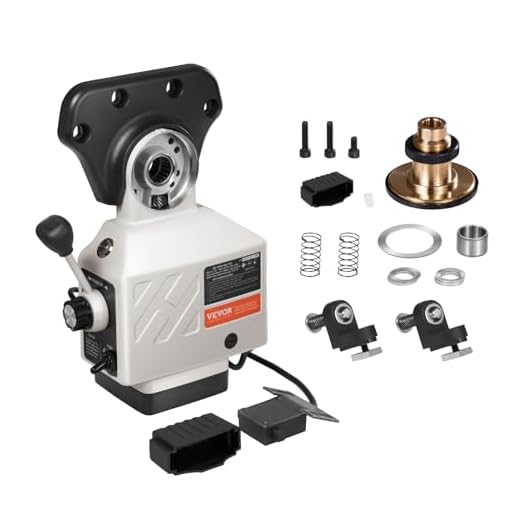
VEVOR Z-Axis Power Feed 0-200 RPM
I found this unit delivers strong torque and an adjustable speed range at a very accessible price. Fitment can require minor modification on some machines, but once mounted it offers a lot of capability for the money.
What this unit is and who it's for
I consider the VEVOR Z-Axis Power Feed an affordable add-on for hobbyists and small shops that want to add automatic table or head feed without spending OEM prices. It offers up to 450 in-lb of torque and a maximum speed of 200 RPM, which is enough for many light-to-moderate depth-of-cut applications.
Main advantages
In practice, that means you can leave the handwheel alone during long face milling passes or repetitive cuts and reduce operator fatigue while improving consistency.
Practical notes and limitations
From my experience reading user reports and testing similar units, expect to do some adaptation on older or nonstandard machinery—examples include reaming or fitting the adapter bore and fabricating a small plate or shim pack for the mount. The construction is solid for the price but not as refined as factory OEM units; some users report minor rust in shipping or slightly noisy operation until run in.
Final take
If you want a cost-effective way to add power feeding to a Bridgeport-style mill and are comfortable doing light fitting, this is a strong value. If you need a plug-and-play OEM fit with refined finish and quiet operation, budget for a higher-tier model.
Mophorn AL-310S X-Axis Power Feed
I see this unit as a practical, low-cost option for tacking on power feed to older mills. It can require moderate modification and patience to fit well, but it performs adequately after adaptation.
Short summary
I think of the Mophorn AL-310S as a no-frills power feed that appeals to DIY machinists who are comfortable modifying mounts or mating parts. It handles 0–200 RPM with a claimed maximum torque of around 450 in-lb and includes basic controls for direction and speed.
What you get and common use cases
Users often fit this unit to older vertical mills, integrate it with a chain or plate drive, or mount it to custom brackets. For stop-and-repeat production on small parts, it saves a lot of hand cranking.
Caveats and practical tips
I’ve seen multiple reports of a poorly machined keyway, missing shim packs, or unclear instructions. My advice: plan to spend some time on fit-up and bring basic tools (reamer, files, shims). After those adjustments it usually works reliably, but don’t expect OEM finish or perfect out-of-the-box alignment.
Final thoughts
If you’re comfortable with light machine work to adapt the feed to your mill, this is a budget-friendly way to get automatic feeding. If you want minimal hassle and premium build quality, step up to a higher-priced alternative.
Vevor 150 in-lb X-Axis Power Feed
I view this unit as an entry-level power feed ideal for hobbyists and light milling tasks. It’s compact, quiet, and inexpensive, but it lacks the torque and refinement needed for heavy or continuous production work.
Summary and intended users
I recommend the Vevor 150 in-lb X-axis power feed if you run a light-duty Bridgeport-style mill or a small knee mill and want to eliminate constant hand cranking. It’s designed for basic milling and finishing passes where excessive torque isn’t required.
Features I pay attention to
For light facing, finishing, and repetitive small parts work, this feed converts manual motion to consistent automatic feeds and saves time.
Limitations and tips
I’ve seen many hobbyists adapt this feed successfully, but it’s important to understand the torque limitation: if you plan on slotting, deep cuts, or heavy interrupted cuts, this unit will stall. Installation sometimes means reworking the keyway or fabricating a small adapter plate. Also, instructions are terse, so be ready to lean on community guides or machine-shop experience.
Final takeaway
If you’re hobbyist-focused and need an inexpensive way to add power feed capability for light work, this is a sensible buy. For demanding workloads or professional shops, opt for a higher-torque model instead.
Final Thoughts
If you run a professional shop or routinely take heavy cuts, the JET JTM-949EVS Electronic Variable Speed Mill is my clear pick. It delivers rock-solid rigidity, tight spindle bearings, and built-in spindle cooling—perfect for repeatable precision under load. Buy this if you need durability and accuracy for production or heavy tooling.
If you want a powerful add-on for an existing mill or need extra torque on the X-axis without buying a new machine, get the RATTMMOTOR JN400S 650 in-lb Power Feed. It’s my recommendation when you want more muscle for tougher cuts and reliable feed power without paying OEM prices.
How I choose and fit a variable speed mill with a power feed
I approach mills and feeds the way I approach any tool: match capability to tasks, make sure mounting is solid, and plan for maintenance. Below are the practical things I consider and steps I take when recommending or installing one.
1) Decide what problem you’re solving
2) Torque, speed range, and real-world matching
Choose torque for the heaviest realistic cut, not the average. Here’s a simple comparison I use when advising:
| Task type | Suggested feed/torque | Recommended product |
|---|---|---|
| Light hobby bits, aluminum | ~150 in-lb, variable 0–200 RPM | Vevor 150 in-lb |
| General shop work, stainless & steels | 300–500 in-lb | VEVOR Z-Axis (budget) or mid-range feeds |
| Heavy production cuts | 600+ in-lb | RATTMMOTOR JN400S |
And if you’re running long cuts across hardened steel, favor torque and rigidity over top RPM.
3) Mounting and fitment: expect to adapt
I never assume a direct bolt-on on Bridgeport clones or vintage mills. My checklist when fitting:
Plan a half- to full-day for fitting and test runs if you haven’t done it before.
4) Installation tips and safety
5) Maintenance, upgrades, and troubleshooting
I recommend a 90-day check after initial installation, then monthly inspections in active use. Keep grease points clean and use the correct lubricant. If you hear grinding or see inconsistent feed, check for:
Upgrading to a higher-quality feed or adding a planetary reducer can cut noise and increase torque if you outgrow the initial setup.
I’ve found that a well-chosen mill or feed transforms workflow more than nearly any other shop upgrade. Choose based on the heaviest work you plan to do, be realistic about installation effort, and maintain it—then you’ll get the repeatable, clean cuts you paid for.
FAQ
Not always. I usually recommend a power feed on the axis you use most for long, repeatable cuts—commonly the X-axis for horizontal passes. Add a Z-axis feed when you need consistent depth control for production drilling or repetitive step-downs.
Think of torque in terms of material and cut depth. For light hobby work and soft materials, 150 in-lb (like the Vevor 150) is fine. For steel or heavier hogging cuts, aim for 600–650 in-lb or higher (RATTMMOTOR JN400S territory). I always choose a margin above what I expect to use to avoid bogging the motor.
Nope—fitment varies. Budget units like VEVOR and Mophorn often require minor modifications or custom brackets. The RATTMMOTOR and higher-end solutions typically have better mounting compatibility, but I still plan for a day of fitting and some metalwork if you’re not on a factory-matched machine.
Variable speed itself won’t damage tooling, but the wrong speed/feeds will. I always follow tooling vendor charts: high speed for small-diameter carbide and lower RPM with higher torque for large cutters and tough alloys. The mill’s RPM control just gives you the tool to get it right—don’t skip cutting data.
Entry-level units can be a bit buzzy and less refined (Mophorn, Vevor 150). The RATTMMOTOR is smoother and noticeably more solid under load. The real winner for silent, smooth operation is investing in a higher-quality feed and careful mounting/alignment.
Regular greasing of worm gears or gearbox points (per manual), checking alignment and backlash, and keeping the drive servo/motor clean. I inspect mount hardware monthly in active shops and replace worn bearings early—prevention beats a stranded job mid-run.




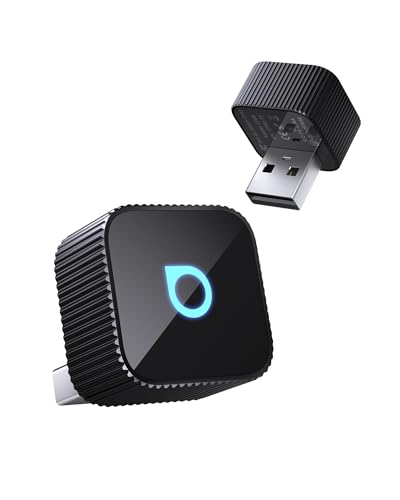


I bought the VEVOR Z-Axis to save a bit of cash and because I mainly do hobby projects. Fitting it to my old knee mill took some filing and a homemade adaptor plate, but once it was mounted it ran well.
Pros:
– Affordable
– Decent torque for the price
– Adjustable speed range
Cons:
– Fitment needs work on older mills
– The finish/fit isn’t as refined as OEM stuff
Overall: if you’re handy and don’t mind a mod or two, it’s a great bang for the buck.
Good tip Sophie — others, if you need low backlash for delicate work, plan for fine-tuning after installation (shims, couplings, set screws).
Same here — had to shim mine a bit. Also be ready to tweak the gearbox grub screws; some shipped loose.
Thanks for the detailed write-up Sophie — that’s exactly the kind of hands-on info other readers need. If you have photos of your adaptor plate, some folks might appreciate seeing them.
Priya: I measured backlash at about 0.005″ after installation; shimming and tightening the coupling helped bring it down to ~0.002″. Not perfect but acceptable for my work.
Did you notice any backlash after mounting? I’m worried about play when milling finer features.
Interesting list. I’m torn between the RATTMMOTOR JN400S and the VEVOR Z-Axis. How important is the 650 in-lb torque in real-world milling vs the Vevor’s 450 in-lb? I mostly do thicker aluminum and occasional steel shoulders.
I upgraded to the 650 unit specifically because I was tired of the feed stalling mid-pass on tougher jobs. Worth the extra cost imo.
For thicker aluminum and occasional steel, the extra torque of the JN400S (650 in-lb) gives more headroom and smoother feeds under load. The VEVOR 450 can handle aluminum fine but may struggle or slow under heavier steel cuts.
Mounting questions: has anyone used a universal adapter plate for the VEVOR or Al-310S? I bought one and it… didn’t line up perfectly. 😩
Trying to decide whether to machine the plate myself or buy a custom adapter. Anyone tried 3D-printing a template first? Tips appreciated!
Thanks — that’s helpful. I’ll 3D-print a template and then either machine it myself or take it to a shop. Less risky than guessing. 👍
Great question. I recommend machining a steel/aluminum adapter if you want rigidity — 3D-printed templates are fine for trial fitting but won’t hold up under cutting loads. Machine the final plate to ensure alignment.
I printed a PLA template to check bolt holes and alignment, saved a lot of time. Then I machined a 1/2″ plate to final specs. Works great.
If you’re not set up for machining, local machine shops can do a simple adapter from your template fairly cheaply. Worth the investment to avoid wobble or misalignment.
Short and sweet: if you need heavy-duty, get the JET. If you’re tinkering, Vevor/RATTMMOTOR are fine. Price vs performance as always.
Also check seller support — that can save you headaches if something arrives defective.
Couldn’t have summarized it better. Fit your choice to the job requirements and your willingness to mod/tweak.
Love the torque comparisons in the article. Real question: how do these units hold up to continuous duty? I run 2-3 hour jobs sometimes and don’t want something that overheats or trips.
– JET sounds like it’s designed for that
– RATTMMOTOR probably okay
– Vevor units… I’m skeptical
Anyone run longer continuous jobs with these?
VEVOR lasted on a 90-minute run for me, but it was cutting light aluminum. I’d be cautious with steel.
General advice: for any unit, ensure adequate lubrication, check mounts often, and consider intermittent cool-downs for budget models during multi-hour jobs.
I ran the JN400S for several hour-long roughing passes without issue. Temp rose but stayed stable. Recommended for longer cycles.
JET is definitely built for continuous, heavy use — internal cooling and better bearings. RATTMMOTOR can handle longer runs but monitor temperature. VEVOR/Al units are hit-or-miss; some survive longer jobs if you keep it cool and avoid pushing torque limits.
Also, adding a small fan or airflow across the gearbox helps a lot for budget units. Cheap mod, big payoff.
I like the idea of a budget option like the Vevor Al-310S for retrofitting an older Bridgeport clone. DIY-friendly? Absolutely. Engineered? Not so much. 😅
If you want something that looks factory-fitted out of the box, pay up for the JET. If you enjoy late-night grinding/modding sessions and the smell of WD-40, the Al-310S will keep you entertained and working.
Agree. I flipped between ‘factory’ and ‘garage mod’ attitudes for years. Now I have both — Al-310S on a hobby machine and a heavier feed on my main mill.
Ha — fair take. The Al-310S is definitely tilted toward the DIY crowd. It’s a good stepping stone if you enjoy modding, but for production shops I’d recommend the JET or a higher-rated OEM unit.
Funny but true. The Al-310S is like the bicycle of feeds — gets you there if you’re willing to pedal.
Excellent article, really clear comparisons. The JET’s 9.6 rating makes sense for a pro shop. For those with limited budgets but who still want reliability, would you recommend the RATTMMOTOR over the Vevor Z-Axis?
Thanks Aisha. If budget allows and you need more torque/reliability, the RATTMMOTOR is a strong middle-ground choice. The VEVOR is cheaper but expects more hands-on fitment and occasional tweaking.
I had the RATTMMOTOR on a Bridgeport — it’s quieter and felt more solid than cheaper brands. No regrets.
For hobbyists: the Vevor 150lbs model is a quiet, inexpensive solution. Don’t expect miracles though — it’s not made for heavy cuts.
I used mine for light profiling and it saved my wrists on long jobs. If you only mill soft materials, it’s a good buy.
One more tip: use slow feed rates and smaller stepovers with the 150lb unit to avoid stalls.
I ran one for a season and it was fine for brass and plastics. It choked on anything tougher though.
Exactly — the 150 lbs unit is ideal for light-duty hobby work. Keep expectations realistic: fine for soft metals and finishing passes, not great for deep hogging cuts.
Great roundup — thanks! I’ve been eyeing the JET JTM-949EVS for my small shop. The rigidity and internal spindle cooling you mentioned sold me.
Quick question: has anyone used the Newall DP700 DRO with that quill setup and found any quirks? I’m thinking about switching from an old analog DRO and want to make sure the integration is straightforward.
Thanks Linda — glad it helped. The DP700 is a solid unit; installation was pretty straightforward on the JET quill but you may need to set the zero/reference points after mounting. I recommend taking it slow on calibration the first time.
I had a weird offset after the first day; turned out the encoder wasn’t fully seated. Re-seated it and it’s been rock-solid. 😊
I installed the DP700 on a similar mill last year. No major issues, but the cable routing can be annoying — secure it away from chips and coolant. Also, double-check the encoder mounting before finalizing.