If you’re looking to buy a portable sawmill, it’s important to know what you’re getting into. These machines can help turn logs into lumber right on your property, saving you time and money. In this guide, we’ll cover everything you need to understand about portable sawmills so you can make the best choice for your needs.
Key Takeaways
- Portable sawmills allow you to turn logs into lumber on-site, reducing waste and costs.
- There are different types of sawmills, including manual and hydraulic, each suited for different needs.
- Key features to look for include engine power, cutting capacity, and portability.
- Prices vary widely, so understanding your budget and potential return on investment is crucial.
- Safety features are essential; always prioritize machines with good safety systems.
Understanding Portable Sawmills
What is a Portable Sawmill?
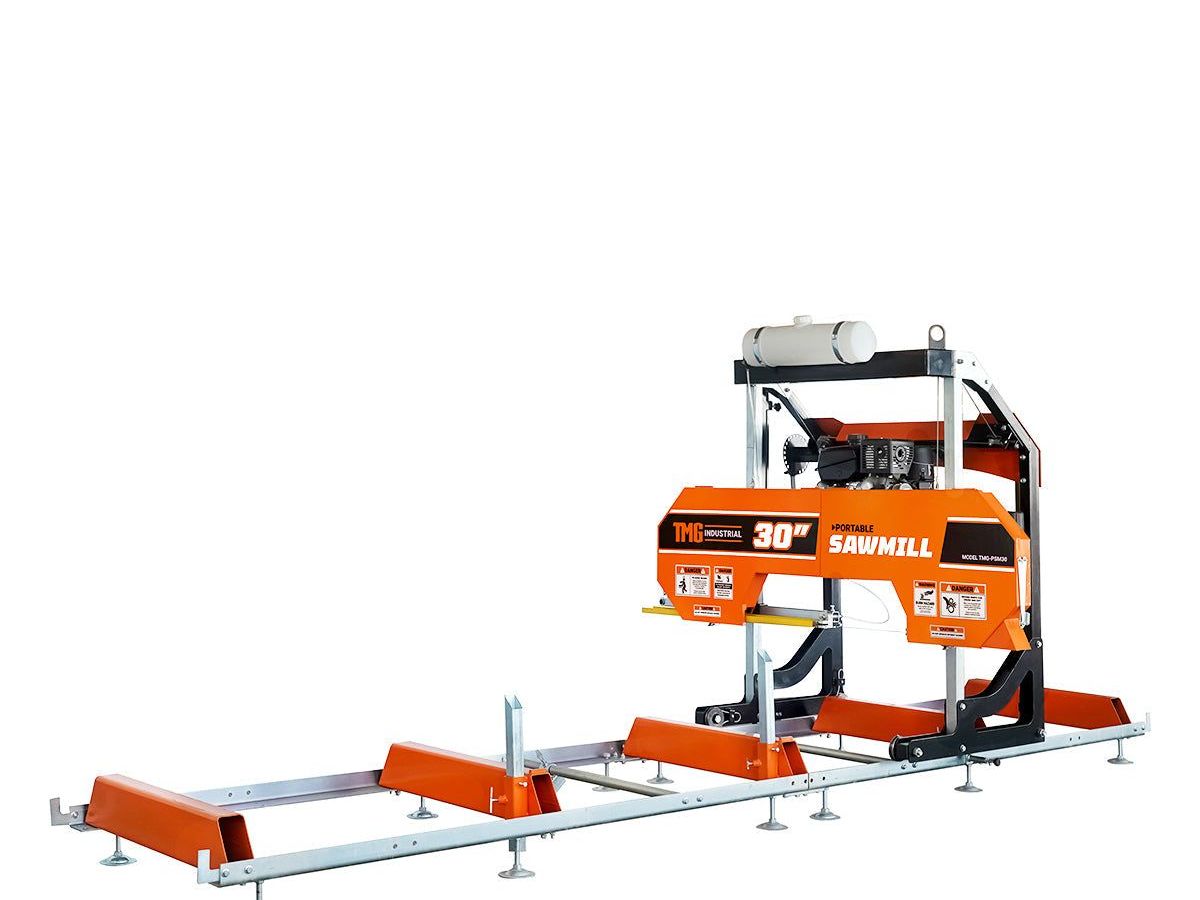
A portable sawmill is basically your ticket to turning logs into lumber right where they fall. It’s a handy machine that you can set up in the woods, clamp to a log, and start cutting straight away. Think of it as a mobile lumber mill that lets you skip the trip to the hardware store. Portable sawmill manufacturers have made these machines versatile enough for various needs, from small DIY projects to more extensive woodworking tasks.
Benefits of Using a Portable Sawmill
Using a portable sawmill means you’re not just saving money, but you’re also getting custom-sized lumber. You can cut wood to the exact dimensions you need, which is a huge plus for any project. Plus, with a portable log mill, you can make use of trees that would otherwise go to waste. It’s a great way to maximize resources and reduce your environmental footprint.
Common Uses for Portable Sawmills
Portable sawmills are used for all sorts of things. Whether you’re crafting furniture, building a cabin, or just making some firewood, these machines can handle it. They’re perfect for anyone who wants to turn logs into usable lumber without the hassle of transporting heavy wood. If you’re looking for a mobile saw mill for sale, there are plenty of options that cater to different needs and budgets.
Types of Portable Sawmills
Manual vs. Hydraulic Sawmills
So, you’ve got your eye on a portable sawmill and now you’re trying to figure out which type suits you best. Manual mills are the budget-friendly pick, perfect for those who don’t mind a bit of elbow grease. You control everything by hand, which is great if you’re just starting out or on a tight budget. On the other hand, hydraulic sawmills are like the middle child—less work for you and more precision in your cuts. They use hydraulic power to handle logs and move the blade, making the process smoother and faster.
Band Sawmills vs. Chainsaw Mills
Next up, let’s chat about band sawmills and chainsaw mills. Band sawmills are the go-to for efficiency, using a continuous band of metal to slice through logs like butter. They’re ideal if you’ve got a steady stream of logs to process. Chainsaw mills, though, are the portable champs. They’re lighter, easier to transport, and great for smaller jobs or remote locations where lugging a big machine isn’t practical.
Choosing the Right Type for You
Picking the right sawmill isn’t just about the tech—it’s about what you need. Ask yourself a few questions: How often will you use it? What size logs will you cut? Do you prefer manual control or automated help? Think about your budget and how much you’re willing to invest in features like hydraulic assistance or portability. Your perfect sawmill is out there, just waiting for you to find it!
Key Features to Consider
Engine Power and Efficiency
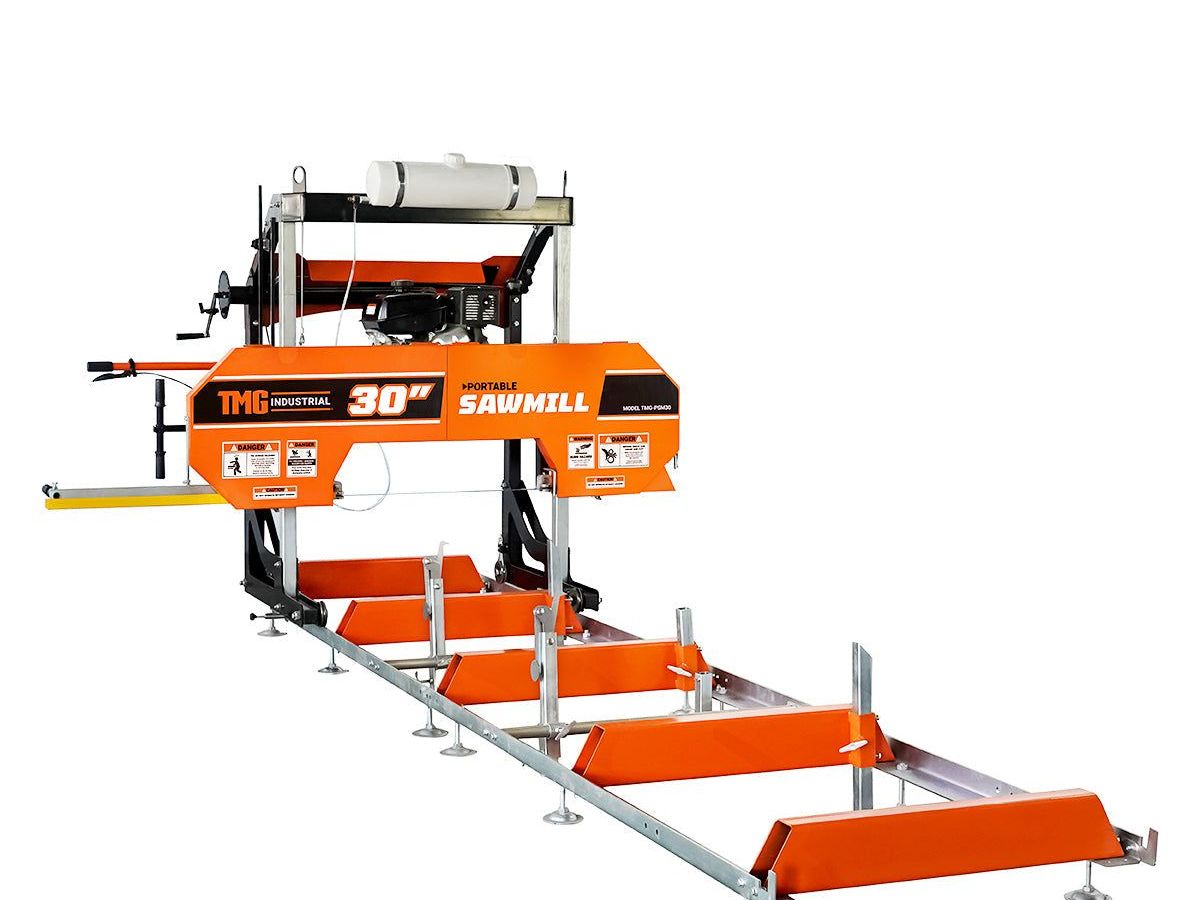
Alright, let’s talk engines. The engine is the heart of your sawmill, and you want to make sure it’s got enough oomph. Most portable sawmills run on gas engines ranging from 7 to 25 horsepower. A strong engine means smoother cuts and less frustration. Think about what you’ll be cutting and match the engine power to your needs.
Cutting Capacity and Blade System
Now, cutting capacity is a biggie. You’ve got to know the size of logs you’ll be dealing with. Most folks work with logs under 30 inches in diameter, so a mill with a 28-30 inch capacity should do the trick. And don’t forget the blade system. You want something with easy tensioning, quick changes, and good guides. A well-maintained blade can make your life so much easier.
Portability and Ease of Use
If you’re moving your mill around, portability is key. Look for sturdy wheels and a compact design that’s easy to set up. You don’t want to spend half your day just getting the thing ready to use. A mill that’s easy to move and simple to operate will save you tons of time and backaches.
Top Brands and Models
Popular Brands in the Market
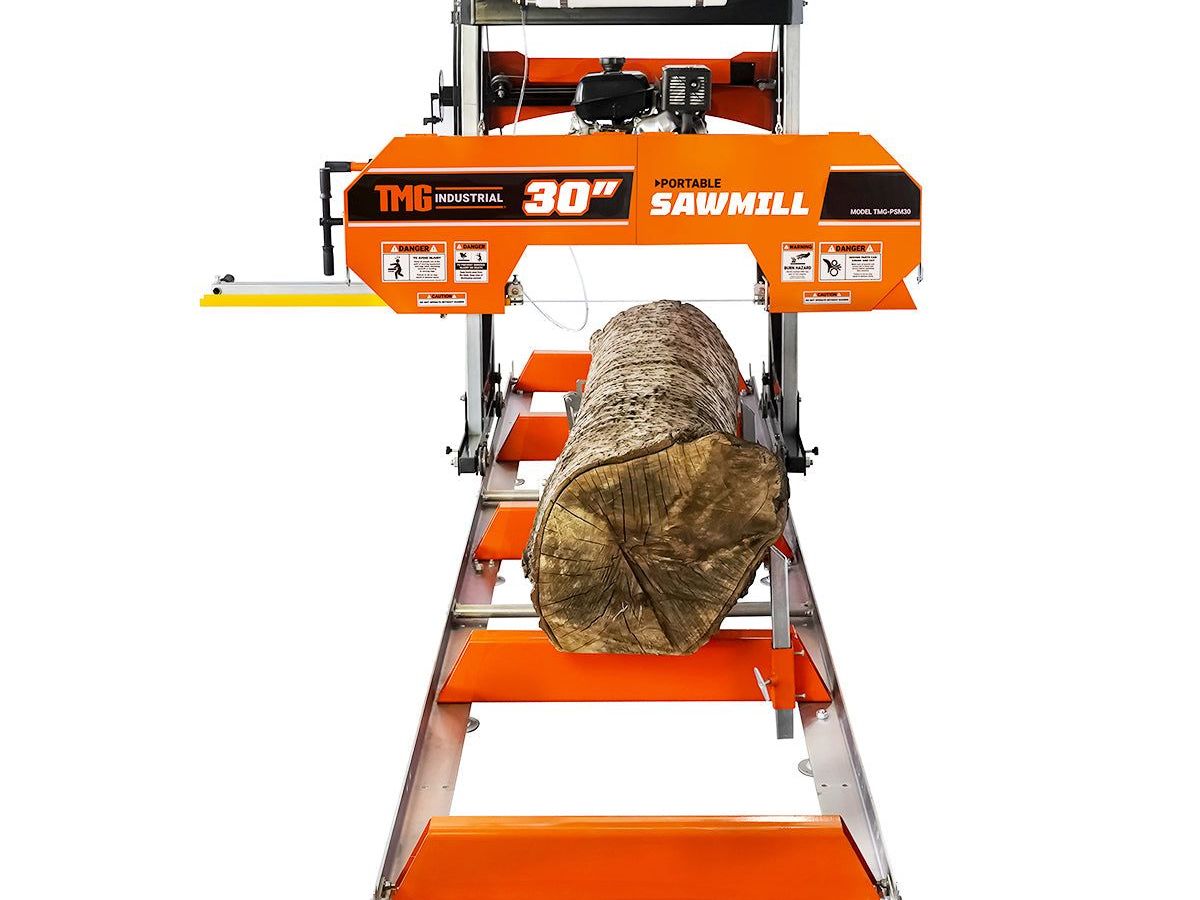
Alright, let’s dive into some of the big names in the portable sawmill world. Wood-Mizer is like the rockstar here, known for its quality and reliability. Then there’s Norwood, which folks love for its innovative designs. And don’t forget TimberKing, another solid choice with a reputation for durability.
Best Models for Beginners
If you’re just starting out, you might wanna check out the Imony 36 Inch Portable Chain Saw Mill. It’s user-friendly and doesn’t break the bank. Another good pick is the Wood-Mizer LX25, which is perfect for small projects and learning the ropes.
Advanced Models for Professionals
For the pros out there, the Wood-Mizer LT40 is a beast. It’s got all the bells and whistles you need for serious milling. Another top contender is the Norwood LumberPro HD36, which offers great capacity and power. Lastly, the TimberKing 2000 is a powerhouse, perfect for those who need heavy-duty performance.
Choosing the right sawmill isn’t just about the brand; it’s about matching the mill’s capabilities with your needs. Whether you’re a weekend warrior or a seasoned professional, there’s a model out there for you.
Cost and Value Analysis
When it comes to portable sawmills, the cost can vary widely, but let’s not get bogged down by numbers. It’s more about what you’re getting for your buck.
Evaluating Return on Investment
Imagine turning fallen trees into usable lumber. That’s money saved right there. Plus, if you’re selling the lumber, you’re making money too!
Budgeting for Your Sawmill
Think about what you need and what you can afford. Make a list:
- What features are must-haves?
- How often will you use it?
- What’s your long-term plan with the sawmill?
A good sawmill is an investment in your future projects, not just a purchase. It’s about turning potential into reality.
Maintenance and Care Tips
Routine Maintenance Practices
Keeping your sawmill in top shape is like taking care of an old car. You gotta do it regularly. Oil changes, blade sharpening, and checking the belts are key. Don’t forget to clean the sawdust off! It piles up faster than you’d think.
Troubleshooting Common Issues
Sometimes things go wrong. Your sawmill might not start, or maybe the cuts aren’t straight. Check the fuel and spark plugs first. If the cuts are off, look at the blade alignment. It’s usually something simple.
Extending the Life of Your Sawmill
Want your sawmill to last? Keep it dry and covered when not in use. Moisture is its worst enemy. Regular checks and replacing worn parts will help too. Treat it right, and it’ll serve you well for years.
Safety First: Essential Features
Important Safety Features
When you’re dealing with a portable sawmill, safety is a big deal. Look for features like emergency shut-offs and blade guards. These aren’t just nice to have—they’re lifesavers. Stable log clamping is also crucial to keep everything in place while you’re cutting.
Operating Your Sawmill Safely
Using a sawmill isn’t just about turning it on and going to town on some logs. You gotta know how to operate it safely. Always wear protective gear, and make sure you’re familiar with the machine’s controls. Take your time to understand the manual before you start.
Emergency Procedures and Tips
Stuff happens, and you need to be ready. Know your emergency procedures like the back of your hand. Practice them until they’re second nature. Keeping a first aid kit nearby is a smart move too. It’s all about being prepared for the unexpected.
Real-Life Experiences and Reviews
Customer Testimonials
Using a portable sawmill has been a wild ride. Folks love sharing their stories, and honestly, it’s a mixed bag. Some people rave about how easy it is to turn logs into lumber, while others struggle with setup and maintenance.
Common Praise and Complaints
Most folks seem to love the versatility of portable sawmills. Cutting precision and ease of use often come up as big wins. But, on the flip side, assembly instructions can be a real headache, and some users wish for better customer support.
Lessons Learned from Users
So, what do people learn from using these sawmills? Well, patience is key. Understanding your machine’s quirks can make or break your experience. It’s all about trial and error, and sometimes, a little help from fellow sawmill enthusiasts can go a long way.
"I’ve had my sawmill for a year now, and it’s been a journey. From figuring out the right blade tension to dealing with the occasional hiccup, every day is a learning experience. But hey, seeing those perfectly cut boards makes it all worth it!"
Maximizing Your Sawmill’s Potential
Optimizing Cutting Patterns
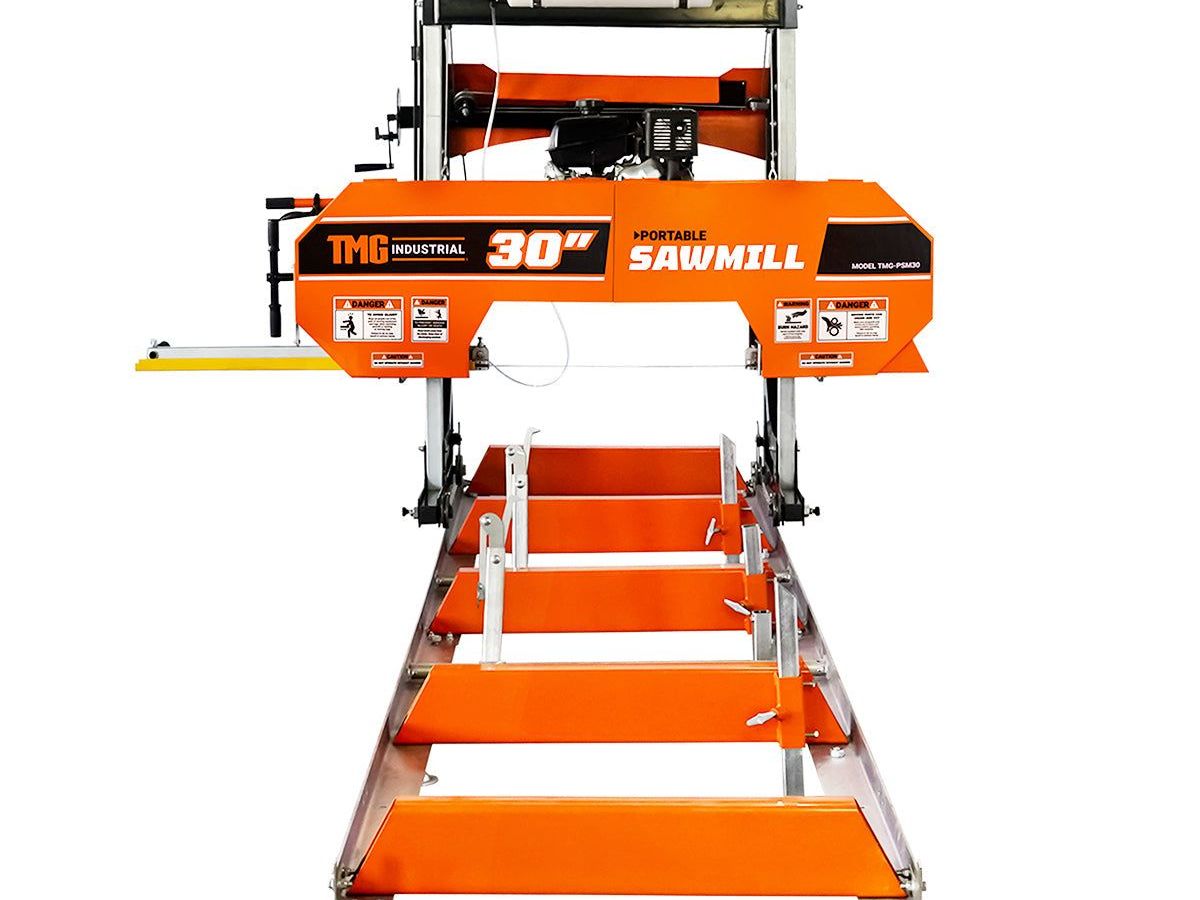
Getting the most out of your logs is like playing a game of Tetris. Your cutting pattern is key to maximizing yield. I learned that by experimenting with different patterns, you can get more usable lumber from each log. It’s not just about cutting straight lines—think angles and curves.
Improving Lumber Yield
Boosting your yield isn’t just about the sawmill; it’s about how you prep the logs. Clean logs lead to better cuts. Always remove dirt and rocks. A metal detector can save your blades and your wallet. This small step can improve your yield significantly.
Innovative Uses for Your Sawmill
Who knew sawmills could be so versatile? Besides lumber, try cutting ice or even crafting sculptures. A buddy of mine uses his sawmill for ice sculpting. It’s wild! Think outside the box and you might discover new ways to use your mill that you never imagined.
"A portable sawmill is more than just a tool—it’s an opportunity to explore new creative avenues and maximize what nature provides."
Environmental Impact and Sustainability
Sustainable Forestry Practices
Using a portable sawmill can be a part of sustainable forestry practices. It allows for local processing, which cuts down on transportation emissions and supports local economies. This means less fuel used and a smaller carbon footprint.
Reducing Waste with Sawmills
Portable sawmills are great for reducing waste. They help maximize lumber yield by cutting logs more efficiently. This means less wood goes to waste, and more is put to good use. It’s all about making the most out of every tree.
Eco-Friendly Sawmill Options
There are eco-friendly sawmill options out there. Some models are designed to be more energy-efficient, using less fuel and producing fewer emissions. It’s worth looking into these options if you want to keep your milling as green as possible.
Using a portable sawmill is not just about cutting wood; it’s about doing it in a way that respects the environment and keeps our planet healthy for future generations. It’s a choice that makes a difference.
The environment is important for our future. We need to take care of it by using sustainable practices. This means making choices that help protect our planet. You can learn more about how to make a difference by visiting our website. Together, we can create a better world!
Wrapping It Up: Your Portable Sawmill Adventure Awaits!
So there you have it! Choosing a portable sawmill can feel like a big task, but it doesn’t have to be. Just remember to think about what you really need. Look for the right size, power, and features that fit your projects. Whether you’re a hobbyist or looking to start a small business, there’s a sawmill out there for you. Don’t forget to keep safety in mind and take care of your machine to make it last. With the right sawmill, you can turn those fallen trees into beautiful lumber and save some cash while doing it. Happy milling!
Frequently Asked Questions
What is a portable sawmill used for?
A portable sawmill is used to cut logs into lumber right where the trees are, making it easier to use wood from your own property.
How much does a portable sawmill cost?
Prices for portable sawmills can range from $2,000 to over $30,000, depending on the features and size.
What types of portable sawmills are available?
There are various types, including manual and hydraulic sawmills, as well as band sawmills and chainsaw mills.
Can I use a portable sawmill for small projects?
Yes, portable sawmills are great for small projects, allowing you to cut lumber for personal use or small business needs.
How do I maintain my portable sawmill?
Regular maintenance includes cleaning the blades, checking the engine, and ensuring the tracks are level for accurate cuts.
What safety features should I look for in a sawmill?
Look for features like emergency shut-off switches, blade guards, and stable log clamping to ensure safe operation.
Can I transport a portable sawmill easily?
Most portable sawmills are designed to be moved easily, with features like sturdy wheels and a compact design.
How can I improve my lumber yield when using a sawmill?
To improve lumber yield, optimize your cutting patterns and ensure logs are clean and free from dirt or rocks before cutting.