Ever had a backyard full of branches and thought, “There’s gotta be an easier way to deal with this mess”? That’s where pull behind wood chippers come in. These machines hook up to your ATV or tractor and make quick work of turning yard waste into mulch. Not only do they save you time, but they also save you money. Imagine not having to pay someone to haul away your brush or buy mulch for your garden. With modern features, these chippers are a solid investment for anyone looking to keep their property neat without breaking the bank.
Key Takeaways
- Pull behind wood chippers turn yard waste into useful mulch, saving time and money.
- They attach to ATVs or tractors, making them easy to move around your property.
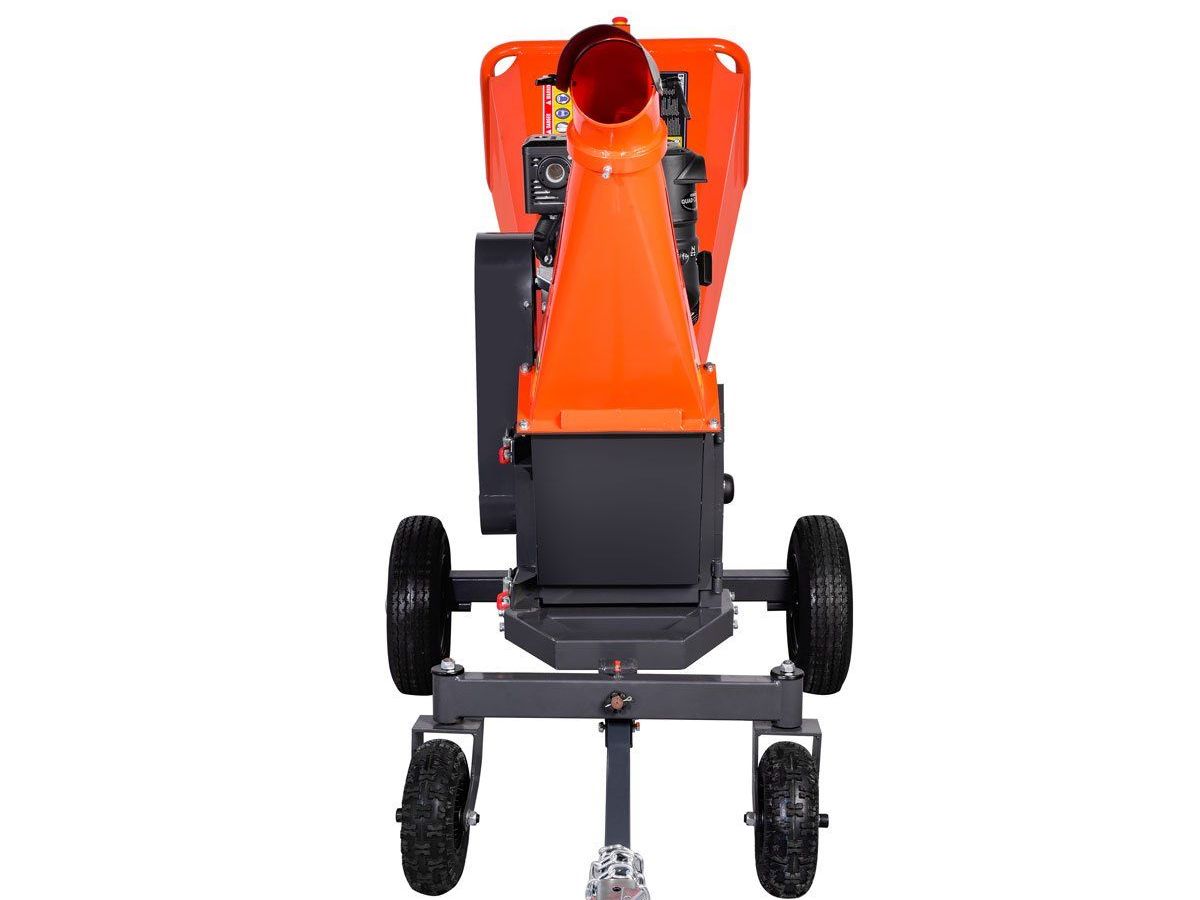
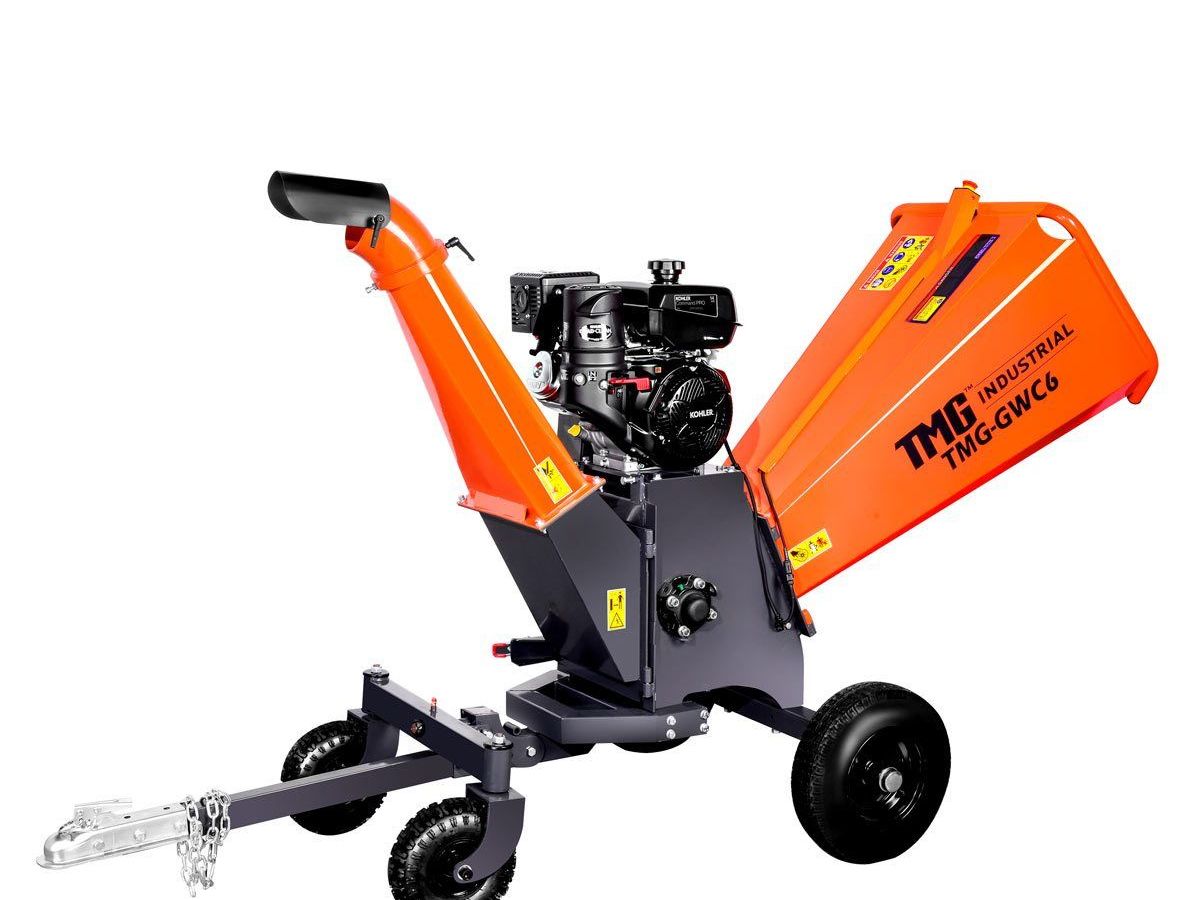
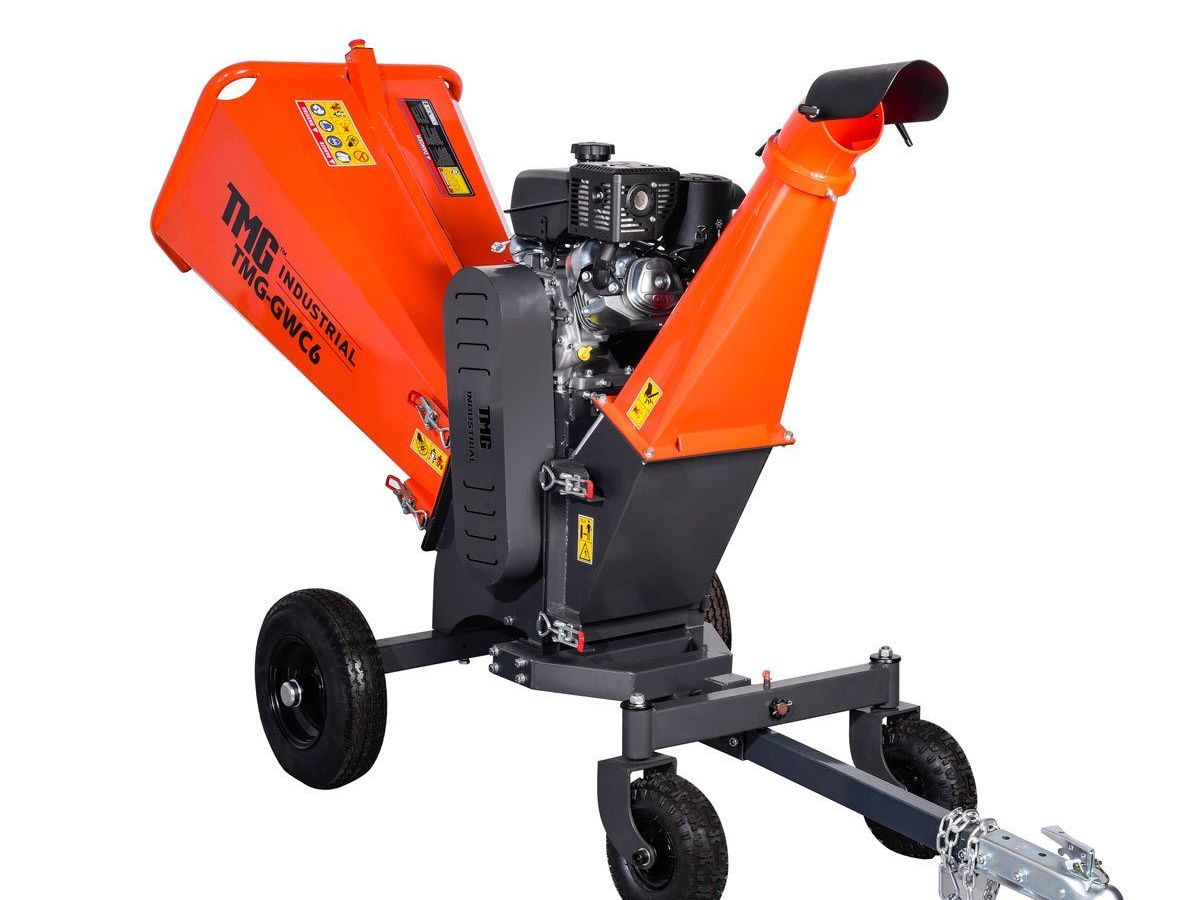
- Modern chippers, like the TMG-GWC6, come with powerful engines and can handle big branches.
- Proper use and care of your chipper will ensure it lasts and performs well.
- Investing in a pull behind wood chipper can reduce the cost of yard maintenance.
Why Pull Behind Wood Chippers Are a Game Changer
Transforming Yard Waste into Mulch
Ever looked at a pile of branches and thought, “What am I gonna do with all this?” Well, a tow behind chipper is your answer. It turns those annoying piles into useful mulch for your garden. No more dragging branches to the curb!
Saving Time and Money with Mobility
Dragging yard waste to the dump takes forever, and hiring someone to do it? That’s pricey. With a tow behind chipper, you hook it up to your vehicle and take it wherever you need. It’s like having a personal yard waste disposal system.
The Power of Modern Chippers
These machines aren’t just powerful; they’re efficient. Modern chippers can handle branches that would’ve had older models choking. They make quick work of debris, saving you time and effort. Plus, they’re built to last, so you’re set for years.
Choosing the Right Pull Behind Wood Chipper for Sale
When you’re in the market for a pull behind wood chipper for sale, there are a few must-haves. First off, check the chipping capacity. You want something that can handle the size of branches you typically deal with. Next, look at the blade type—reversible blades can save you a ton of hassle and money. Also, consider the discharge chute’s adjustability; it makes a big difference in where your mulch ends up.
Engine power is a biggie. You’re gonna see a lot of numbers like HP or cc, and they tell you how much muscle the chipper’s got. A higher HP means it can tackle thicker branches without breaking a sweat. Look for engines from reputable brands like Kohler or Briggs & Stratton for reliability. Don’t forget to check if it’s easy to start and maintain, because nobody wants to wrestle with a stubborn engine.
Chipping capacity is basically the max diameter of branches your chipper can handle. If you’re dealing with hefty logs, go for a model that can chip at least 6 inches in diameter. Keep in mind, though, that bigger isn’t always better—if you’re only dealing with small stuff, a massive chipper might be overkill. It’s all about matching the chipper’s capacity to your needs.
Picking the right tow behind wood chipper for sale isn’t just about specs—it’s about finding a machine that fits your lifestyle and yard work habits. Whether it’s a compact model for occasional use or a beast for serious clearing, there’s a perfect match out there for everyone.
How to Operate Your Pull Behind Wood Chipper Safely
Running a tow behind chipper shredder is no joke, so safety first, folks. Always wear your protective gear—goggles, gloves, and ear protection. Keep a safe distance from the machine, and never, I mean never, reach into the chipper while it’s running. Make sure the area is clear of bystanders and pets to avoid any accidents.
Feeding your chipper is like feeding a hungry beast. Start with smaller branches and work your way up. Let the chipper do the pulling—don’t force it. Listen to the engine; if it starts to strain, ease up a bit. This simple trick keeps the machine happy and running smoothly.
Your chipper’s engine needs to stay cool to work efficiently. Keep an eye on the temperature gauge, especially on hot days. If it’s running hot, give it a break. Regularly check the oil and coolant levels to prevent overheating. Trust me, a cool engine is a happy engine.
Safety is your best friend when it comes to operating any machinery. Take your time, follow the guidelines, and you’ll keep both yourself and your chipper in top shape. It’s all about being smart and staying safe out there!
Maintenance Tips for Longevity and Performance
Regular Cleaning and Inspection
Keeping your wood chipper clean is like brushing your teeth—do it often. After each use, give it a quick wipe down to remove any wood chips and debris. Inspect it regularly for any loose bolts or worn-out parts. Trust me, catching these early saves a ton of hassle later.
Blade Maintenance and Replacement
Sharp blades are your best friend. Dull blades make your chipper work harder and can cause jams. Check them after every few uses. If they’re dull, you might need to sharpen or replace them. The TW230HB Brush Chipper is known for its durable construction, which minimizes the need for frequent maintenance.
Engine Care and Oil Changes
Engines need love too. Regular oil changes keep your chipper running smoothly. Follow the manufacturer’s guidelines for oil type and change intervals. This guide emphasizes the importance of regular lubrication to prolong the lifespan of your equipment.
“A well-maintained chipper is like a well-oiled machine—it just keeps going.”
Keep these tips in mind, and your wood chipper will be a reliable partner for years.
Maximizing Efficiency with Your Wood Chipper
Optimal Feed Rate Management
Feeding your wood chipper the right way can seriously boost its performance. Listen to the engine—when it purrs smoothly, you’re in the sweet spot. If it starts to whine or struggle, ease up on the feed. Let the chipper do its thing at its own pace, and you’ll get those perfect chips every time.
Listening to Engine Feedback
Your chipper’s engine can tell you a lot if you pay attention. A strong, consistent sound means everything’s running smoothly. If it starts to sound like it’s struggling, it might be time to slow down or check for clogs. Treat your engine like a buddy who’s giving you a heads-up.
Adjusting Discharge for Best Results
Adjusting the discharge chute can make a big difference in where your chips end up. Whether you want them in a neat pile or spread out, tweak that chute to suit your needs. It’s like aiming a garden hose—point it where you want the chips to go, and let the chipper do the rest.
Running a wood chipper efficiently isn’t just about power—it’s about finesse. The right feed rate, listening to your engine, and adjusting the discharge are key to getting the best performance. Treat it right, and it’ll serve you well.
Understanding the Economics of Wood Chippers
Cost Savings on Yard Waste Disposal
Having your own wood chipper can save you a ton on yard waste disposal. I mean, think about it. Instead of paying someone every time a storm hits or the trees shed, you just drag out your chipper and handle it yourself. That’s real savings, right in your pocket.
Creating Valuable Mulch for Landscaping
Turning branches into mulch? It’s like magic, and your garden will love it. You get this nutrient-rich cover for your soil, and it looks pretty nice too. Plus, you can avoid buying commercial mulch, which can add up.
Investment vs. Professional Services
Buying a wood chipper is an investment, no doubt. But weigh that against hiring a pro every time you need to clear out yard waste. Over time, your chipper pays for itself. It’s like the gift that keeps on giving, especially if you’re into DIY projects or have a big yard.
“Owning a wood chipper isn’t just about saving money, it’s about having the freedom to tackle yard work on your own terms. No more waiting for a service to fit you into their schedule.”
In the end, a wood chipper is not just a tool; it’s a smart way to manage your property economically. Whether you’re dealing with yard waste or creating mulch, it’s all about making your life easier and your wallet happier.
Real-World Performance: What to Expect
Handling Different Types of Wood
Using a pull behind wood chipper is like having a secret weapon for yard clean-up. It tackles all kinds of wood, from soft pines to tough oaks. The machine doesn’t even flinch when you feed it a gnarly branch. It’s like magic watching it churn out mulch from what was once a tangled mess.
Field Testing Insights
I remember my first time using one after a storm. Branches everywhere, and I thought, “How’s this little machine gonna handle all that?” But it did. It’s like the BLACK+DECKER 20V MAX Reciprocating Saw—powerful and precise. You learn to listen to the engine; it tells you when to slow down or speed up. It’s a rhythm you get into, almost like dancing.
User Reviews and Experiences
People swear by these chippers. I’ve read stories of folks who, like me, were skeptical at first. But after using it, they’re convinced. One guy said it was as easy as using his Adjustable Hand Tiller in the garden. Another compared it to a 3-in-1 chipper/shredder, saying it’s a game changer for yard work. It’s all about making life easier and saving time, and that’s what these machines do best.
Honestly, once you’ve tried it, you’ll wonder how you ever managed without it. It’s like the difference between a push mower and a ride-on—night and day. Give it a go, and you’ll see what I mean.
Exploring Different Models and Brands
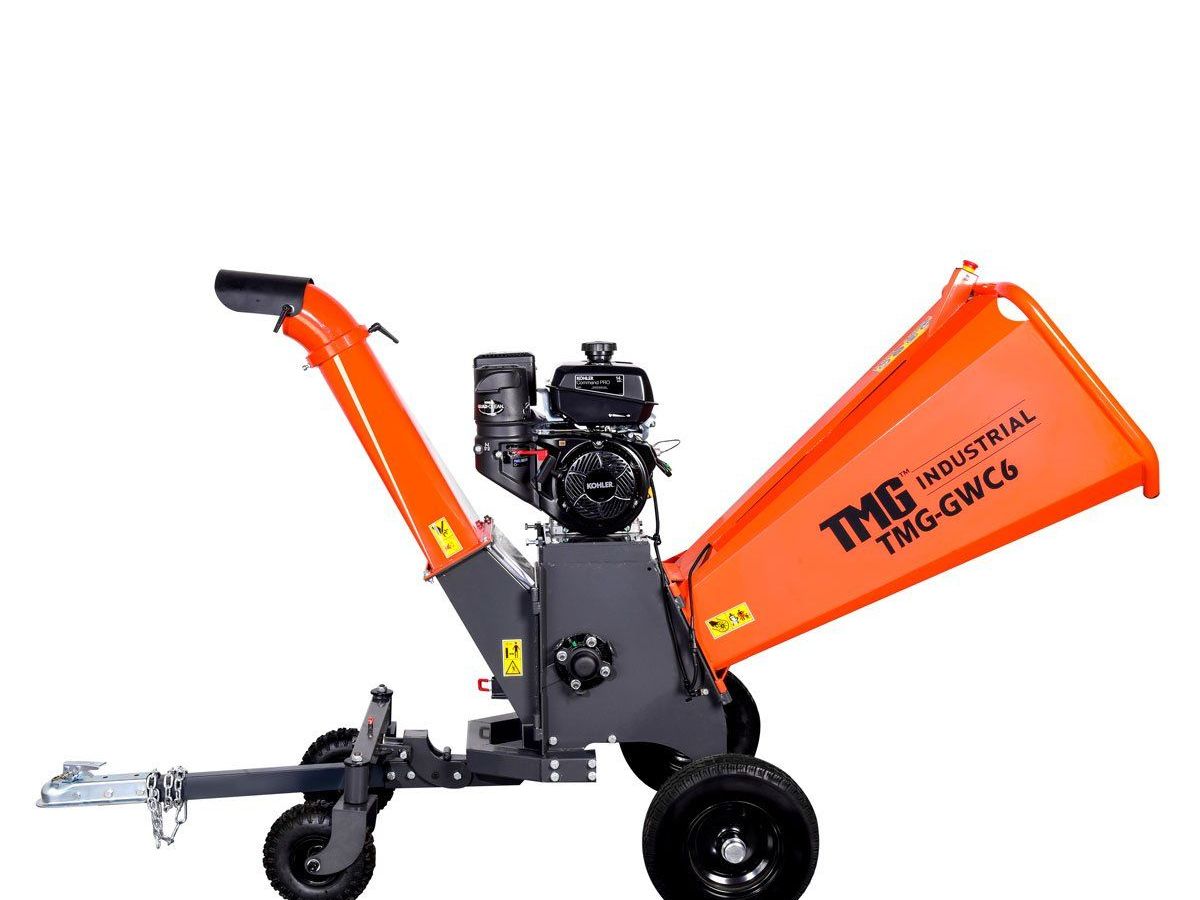
When it comes to wood chippers, there’s a lot to choose from. The Predator Chipper Shredder from Harbor Freight is a solid pick for those looking for something effective and affordable. It can handle branches up to 3 inches thick, making it a versatile option for most yard work tasks. Another great choice is the SuperHandy 3-in-1 Wood Chipper Shredder Mulcher, which is known for its efficient yard waste management. It boasts a robust 7-horsepower engine and can also process branches up to 3 inches thick.
Comparing features can be a bit overwhelming, but it’s crucial to get the right chipper for your needs. Look at engine power, chipping capacity, and ease of use. The Predator Chipper Shredder offers a balance of performance and price, while the SuperHandy model provides additional mulching capabilities. It’s also wise to check out user reviews to get a feel for real-world performance.
Finding the best deal requires a bit of patience and research. Keep an eye out for sales or discounts from major retailers. Sometimes, buying directly from manufacturers can save you money. Don’t forget to consider warranty and customer service, which can be just as important as the price. It’s all about finding the right balance between cost and quality to ensure you get the most bang for your buck.
Transporting and Storing Your Wood Chipper
Hooking Up to Your Vehicle
Alright, let’s get your wood chipper hooked up to your vehicle. First, make sure your vehicle has a proper hitch. Most chippers use a 2-inch hitch, so double-check that. It’s like plugging in a giant toaster—only with more steps. Safety chains are a must, too. They’re not just for show; they keep the chipper from wandering off if it decides to go rogue mid-drive.
Safe Transport Practices
Driving with a wood chipper is a bit like towing a small trailer. Keep your speed in check, and be mindful of turns. Wide turns are your friend here. Always double-check your mirrors because, trust me, that chipper can sneak up on you. If you’re heading out on the highway, make sure the chipper is secured and nothing is loose that could fly off.
Storage Tips for Off-Season
When it’s time to tuck your chipper away for the off-season, think of it like putting a bear to bed for the winter. Clean it thoroughly to get rid of any wood bits and sap. Use a fuel stabilizer to keep the engine from gumming up. Cover it with a tarp or store it in a shed to protect it from the elements. A little TLC goes a long way in keeping your chipper ready for action when spring rolls around.
Troubleshooting Common Issues
Identifying Engine Problems
When your wood chipper won’t start, it’s usually one of a few things. First, check the ignition switch and make sure it’s on. Then, look at the fuel shut-off valve; it might be closed. If those aren’t the issue, it could be something more serious. You might need to call in a professional if you’re not comfortable poking around the engine.
Dealing with Clogs and Jams
Clogs and jams are frustrating, right? They happen when you feed the chipper too fast or with the wrong stuff. To fix it, turn off the machine and disconnect the spark plug. Then, use a stick to clear out the jam. Never use your hands. Once it’s clear, start slow and feed smaller branches first.
When to Call a Professional
Sometimes, things just go beyond what you can handle. If your chipper keeps stalling or you hear weird noises, it might be time to call in the pros. They can check for issues like unbalanced blades or worn-out parts. Don’t wait until it’s completely broken to get help.
The Future of Pull Behind Wood Chippers
Innovations in Design and Technology
Alright, so the future of pull behind chipper tech is looking pretty snazzy. We’re talking about machines that are not just tough but also smart. Imagine a wood chipper pull behind that can adjust its power based on the thickness of the branch. That’s what we’re heading towards! Plus, with advancements in materials, these chippers are getting lighter and more durable.
Sustainability and Environmental Impact
Now, let’s chat about being green. These wood chipper pull behind models are becoming more eco-friendly. They’re designed to use less fuel and create less pollution. Some even have electric options now! It’s all about reducing the carbon footprint while still getting the job done.
What to Expect in the Coming Years
Looking ahead, expect more connectivity features. Like, wouldn’t it be cool if your chipper could send you maintenance alerts? That’s the kind of tech we’re talking about. Plus, with the growing demand for mobile wood chippers, manufacturers are focusing on making them more user-friendly and efficient. So, keep an eye out for these futuristic updates!
As we look ahead, pull-behind wood chippers are set to become even more efficient and user-friendly. These machines will help homeowners and landscapers manage yard waste with ease. If you’re interested in learning more about the latest models and features, visit our website today!
Wrapping It Up
So, there you have it, folks. Pull behind wood chippers are like the unsung heroes of yard work. They turn what seems like a never-ending pile of branches into something useful, like mulch for your garden. Hook one up to your ATV or tractor, and you’re ready to tackle those big cleanup jobs without breaking a sweat. Just remember, like any tool, they need a bit of TLC to keep running smoothly. Keep an ear out for any weird noises, and don’t forget to check the blades now and then. With a little care, these machines will save you time and money, making them a solid investment for anyone serious about keeping their property in tip-top shape. So, next time you’re staring down a mountain of yard waste, you’ll know exactly what to do.
Frequently Asked Questions
What is a pull behind wood chipper?
A pull behind wood chipper is a machine that you can attach to a vehicle like an ATV or tractor. It helps turn branches and yard waste into mulch.
How does using a wood chipper save money?
Using a wood chipper can save money by reducing the need to hire services for yard waste removal and by providing free mulch for landscaping.
What should I consider when buying a wood chipper?
When buying a wood chipper, consider the engine power, chipping capacity, and how easy it is to move around your property.
How do I safely operate a wood chipper?
To safely operate a wood chipper, always wear protective gear, follow the user manual, and never force branches into the machine.
What maintenance does a wood chipper need?
A wood chipper needs regular cleaning, blade sharpening or replacement, and engine oil changes to keep it running smoothly.
Can a wood chipper handle all types of wood?
Most wood chippers can handle different types of wood, but it’s important to check the capacity and specifications for your model.
How do I transport a pull behind wood chipper?
To transport a pull behind wood chipper, attach it securely to your vehicle’s hitch and follow safe driving practices.
What are the benefits of making mulch with a wood chipper?
Making mulch with a wood chipper helps recycle yard waste and provides a natural way to enrich soil and protect plants.