If you’re in the construction business or planning a project that involves soil compaction, understanding reversible plate compactors is essential. These machines can significantly enhance your work efficiency and save you money in the long run. This article will guide you through the benefits, selection, and maintenance of reversible plate compactors, helping you make informed decisions for your projects.
Key Takeaways
- Reversible plate compactors save time and money on construction projects.
- They offer better control and efficiency compared to traditional models.
- Choosing the right model depends on the size of your project and soil type.
- Proper maintenance can extend the life of your compactor and improve performance.
- Owning a compactor is often more cost-effective than renting one.
Why Reversible Plate Compactors Are a Game Changer
Understanding the Basics
Reversible plate compactors are like the Swiss Army knife of construction tools. They move forward and backward without needing a turn-around, making them super versatile. This flexibility is what makes them stand out from traditional compactors.
Key Benefits Over Traditional Models
These machines save you time and effort. You get better control in tight spots, less fatigue for the operator, and more precise compaction. Plus, they’re faster, which means you get more done in less time.
Real-Life Success Stories
I heard about a guy in Denver who used one for a foundation project. He said it paid for itself in just a few months. That’s the kind of efficiency we’re talking about with reversible plate compactors. They’re not just tools; they’re investments in getting the job done right.
How to Choose the Right Reversible Plate Compactor for Sale
Factors to Consider
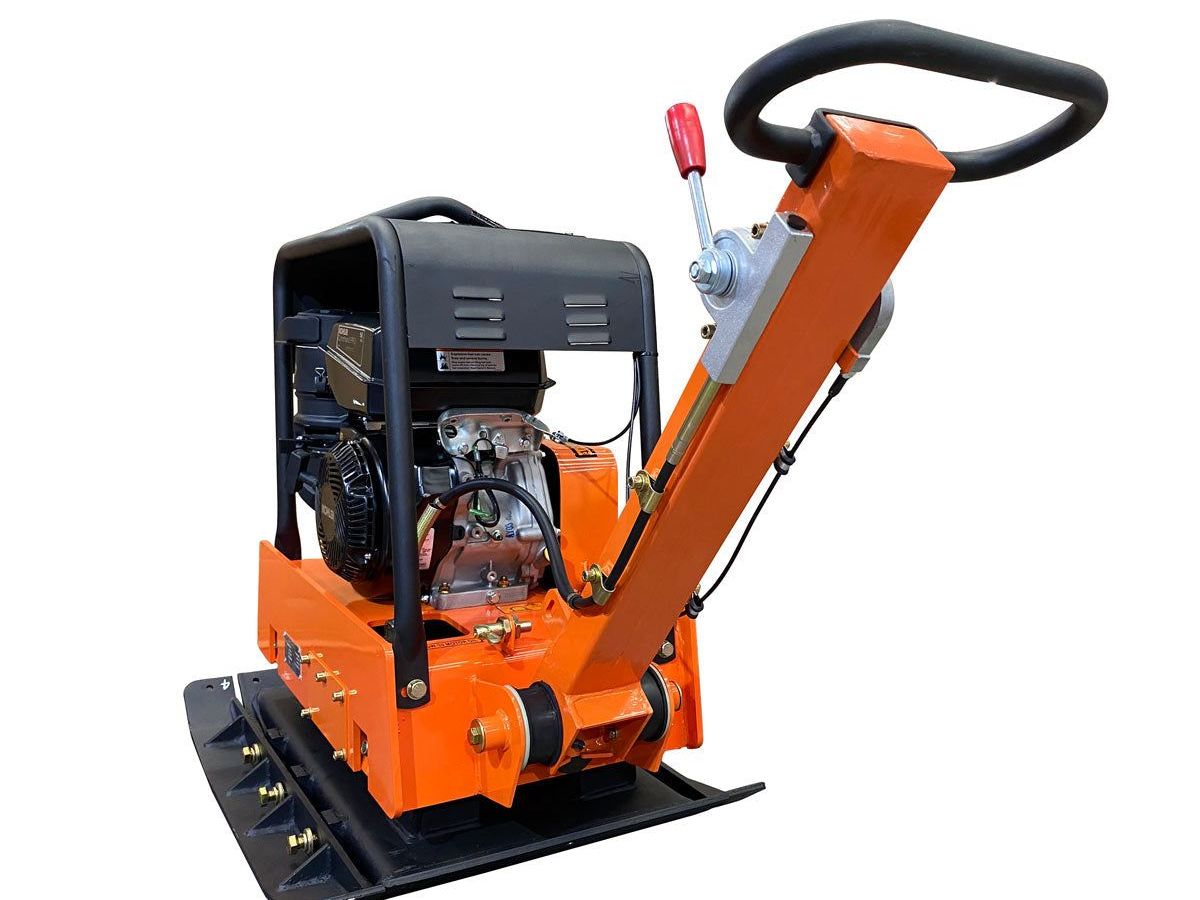
When you’re hunting for a reversible plate compactor for sale, a few things matter. First, think about the plate size. It impacts how much area you can cover in one go. Next, the compaction force is key. More force means better compaction. Also, check the engine type – gas or diesel – depending on what fits your needs. Lastly, consider the weight. Heavier machines might be a pain to move but offer better compaction.
Popular Models and Their Features
You’ve got options, folks. Models like the TMG-PC330K pack a punch with 8,500 lbs of force. They can cover up to 4,200 square feet per hour. Some models come with features like rapid forward and reverse speeds. You might also find hydraulic controls for smoother operations. Look for plate extenders if you need to tackle bigger areas.
Budgeting for Your Purchase
Buying a reversible plate compactor is an investment, so budget wisely. Think about long-term savings versus rental costs. Owning means no more rental fees, which can add up fast. Consider the maintenance costs, too. Sometimes, spending a bit more upfront can save you headaches down the road.
Picking the right compactor isn’t just about the specs; it’s about finding the machine that fits your project’s needs and your budget. It’s a balancing act, but once you get it right, your work becomes way more efficient.
Mastering the Use of Your Reversible Plate Compactor
Step-by-Step Guide to Operation
Alright, so you’ve got your shiny reversible plate compactor, but now what? Here’s a quick rundown to get you started:
- Check the Fuel: Make sure your machine’s got enough gas to last the job.
- Inspect the Area: Clear any debris or obstacles from your path.
- Start the Engine: Use the pull starter and throttle to get things going.
- Begin Compaction: Guide the compactor over the area, letting it do its thing.
- Keep It Steady: Control the speed and direction with the handle.
- Finish Up: Turn off the engine and clean the machine.
Safety Tips for New Users
Safety first, folks! Operating heavy machinery can be risky if you’re not careful.
- Wear Protective Gear: Goggles, gloves, and boots are a must.
- Stay Focused: Keep your eyes on the compactor and your surroundings.
- Avoid Slopes: Stick to flat surfaces to prevent tipping.
Common Mistakes to Avoid
Even pros mess up sometimes. Here’s what to watch out for:
- Overloading the Machine: Don’t push it beyond its limits.
- Ignoring Maintenance: Regular checks keep it running smoothly.
- Rushing the Job: Take your time for the best results.
Remember: A well-used compactor is a happy compactor. Treat it right, and it’ll serve you well!
Maintenance Tips to Extend the Life of Your Compactor
Alright, so keeping your compactor in tip-top shape isn’t rocket science. Regular check-ups are your best friend. Make it a habit to check the oil, belts, and fuel system. Just like you wouldn’t drive your car without oil, don’t run your compactor dry.
Sometimes things go wrong, and that’s okay. If your compactor’s acting up, start with the basics. Is it making weird noises? Check the belts and the engine. Not starting? Look at the fuel and spark plug. It’s usually something simple.
There are times when a pro is the way to go. If you’ve checked the usual suspects and it’s still not working, get a mechanic. They’ll have it up and running in no time. Don’t wait too long, though, or you might end up with a bigger problem.
The Cost-Benefit Analysis of Owning vs. Renting
Owning a compactor means you stop paying those annoying rental fees every time you need it. It’s like money in your pocket over time. You pay once, and it’s yours to use whenever. Imagine not having to rush back to return it on time.
Renting seems easy, but those hidden costs can sneak up on you. Transportation fees, deposits, and even the stress of finding the right machine can add up. Plus, there’s the headache of waiting if the equipment you need isn’t available.
When you buy, you’re looking at a payback period. It’s like, how long until this thing pays for itself? Usually, it’s quicker than you’d think, especially if you’re using it often. After that, you’re just saving money every time you fire it up.
Owning your own compactor can be a game-changer for your wallet. No more last-minute rental scrambles or unexpected fees. Just you and your trusty machine, ready to tackle any project.
Exploring the Versatility of Reversible Plate Compactors
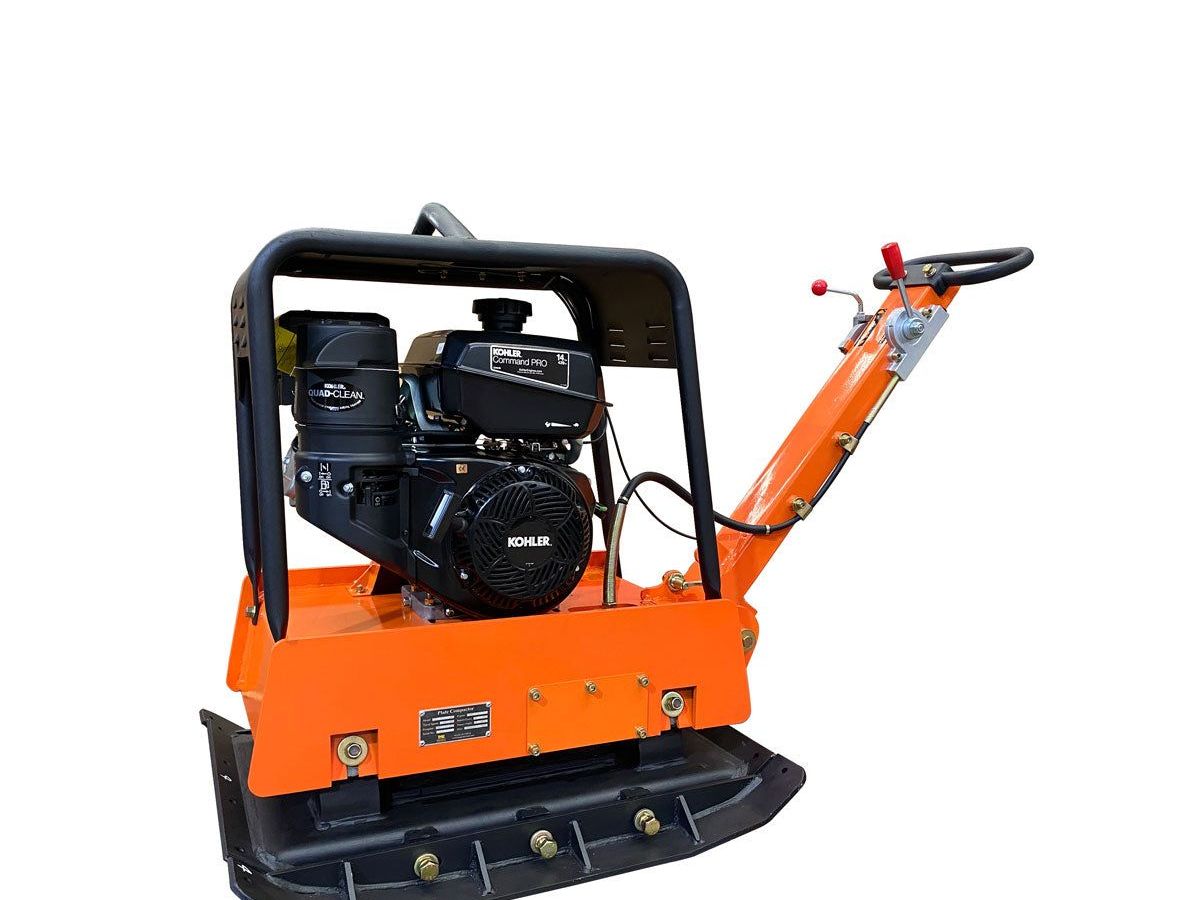
Reversible plate compactors are like the Swiss Army knife of construction tools. You can use them in everything from road work to landscaping. They’re perfect for compacting soil, gravel, and even asphalt. Whether you’re working on a driveway or a foundation, these machines get the job done fast.
Adapting to Various Soil Types
Different soils need different approaches, and that’s where the reversible plate tamper shines. It works on sandy, clay, and mixed soils without a hitch. You just adjust the settings and let it roll. It’s like having a multi-tool for the ground.
Innovative Uses You Might Not Know
These compactors aren’t just for construction sites. People use them in farming to prep fields and in sports to maintain tracks and fields. They’re even handy for DIY projects at home. Who knew a reversible plate compactor could be so versatile?
Environmental Impact and Efficiency
Eco-Friendly Features
So, these compactors are not just about power. They’re also about being kind to the planet. Many models meet EPA and CARB emission standards, meaning they’re built to be more eco-friendly. Using less fuel and producing fewer emissions is a win-win for everyone.
Energy Consumption Insights
Ever wonder how much energy these things use? Well, they’re designed to be efficient. Most models have engines that offer a better power-to-weight ratio, which means they don’t guzzle fuel like there’s no tomorrow. This makes them a smart choice for anyone looking to save on energy costs.
Reducing Your Carbon Footprint
Trying to cut down on your carbon footprint? These machines help with that. By using less fuel and being more efficient, they help reduce the overall carbon emissions from your projects. It’s a small step, but every bit helps when it comes to protecting our planet.
Real-World Applications: Where These Machines Shine
Foundation and Road Work
These compactors rock at foundation work. They prep bases, compact backfill, and handle footing areas like pros. Edge work near structures? No problem. They’re also roadwork champs, tackling sub-base compaction and asphalt patching with ease.
Utility and Trench Projects
Got trenches to compact? These machines are your best buddies. They handle trench compaction, pipeline bedding, and work around manholes like it’s nothing. They’re great near existing utilities too.
Landscaping and Paving Jobs
Landscaping? They’ve got you covered. Whether it’s paver installation, walkway prep, or sports field construction, these compactors do it all. Even garden bed prep is a breeze.
"Reversible plate compactors are like the Swiss Army knives of construction. They handle everything from road work to landscaping without breaking a sweat."
For more on how these machines can boost your project efficiency, check out EngiMarket’s selection of industrial tools.
Future Trends in Plate Compactor Technology
Advancements in Design
Plate compactors are getting sleeker and more efficient. Manufacturers are focusing on lightweight materials without sacrificing power. This means easier handling and better performance on the job.
Smart Features and Automation
Imagine controlling your compactor with just a touch on your smartphone. Smart features like remote monitoring and auto-adjustment systems are becoming more common. These innovations make the machines more user-friendly and efficient.
What to Expect in the Next Decade
In the next ten years, expect eco-friendly models with lower emissions and noise. As technology advances, compactors will likely become more energy-efficient, aligning with global sustainability goals.
The future of plate compactors is bright, with technology making them more efficient and environmentally friendly. Embrace these changes to stay ahead in the industry.
As we look ahead, the world of plate compactors is changing fast. New technology is making these machines smarter and easier to use. They are becoming more efficient, which means they can do more work in less time. If you want to learn more about the latest in plate compactor technology, visit our website for more information!
Wrapping It Up: Why You Need a Plate Compactor
So, there you have it! If you’re looking to speed up your construction projects and save some cash, a reversible vibratory plate compactor is the way to go. These machines are not just powerful; they make your life easier by compacting soil in tight spots without the hassle of turning around. Plus, owning one means you won’t have to keep renting and wasting money. Whether you’re working on foundations, roads, or landscaping, this tool can really boost your efficiency. So, why wait? Grab one and watch your project times shrink!
Frequently Asked Questions
What is a reversible plate compactor?
A reversible plate compactor is a machine that compacts soil in both forward and backward directions. This helps to create a solid base for construction.
How does a reversible plate compactor work?
It uses a heavy plate that vibrates to push down the soil. The machine can move forward or backward without needing to turn around.
What are the benefits of using a reversible plate compactor?
They save time and money, provide better control in tight spaces, and can compact soil more efficiently than traditional models.
Can I use a reversible plate compactor on wet soil?
It’s best to use it on dry or slightly damp soil for the best results.
How much does it cost to buy a reversible plate compactor?
Prices can vary, but a good model typically costs between $2,500 and $4,000.
What maintenance does a reversible plate compactor need?
Regular checks include looking at the oil level, cleaning the plate, and checking for any loose parts.
Is it easy to operate a reversible plate compactor?
Yes, most models are designed to be user-friendly, making them easy to operate for beginners.
What projects are reversible plate compactors best for?
They are great for foundation work, road construction, utility projects, and landscaping.