
What I Bought: 9 2-Unit Dual Refrigerant Recovery Machines


Two tanks, twice the hustle — which twin recovery machine earned a permanent spot in my shop?
Two compressors beat one—most days. I bought nine 2-unit recovery machines to see which actually speeds up my workflow and which is just noise in the corner. Short answer: some are game-changers; others are fine for occasional jobs.
If you handle mixed fleets or want less downtime, dual units matter. I looked for speed, serviceability, and whether the machine plays nice with R134a, R1234yf, and A2L refrigerants. I’ll cut to the chase and tell you which two I reach for first.
Top Picks




Appion G5TWIN Professional Recovery Unit
I respect the Appion G5TWIN for its professional build, fast recovery times, and field-serviceable design. It’s a go-to choice for experienced techs who need reliable, long-term performance in demanding shop environments.
Professional focus and design
The Appion G5TWIN is clearly built for professional HVACR techs. I like its twin-cylinder, twin-condenser layout — it produces significantly faster liquid and vapor recovery while protecting internal bearings with a refrigerant-isolated crankcase.
Practical features that matter in a shop
These features make maintenance and long-term ownership manageable: when something needs servicing I can quickly replace a part instead of replacing the whole machine.
Bottom-line use case
If you run frequent recoveries or rely on a single unit in a busy shop, the G5TWIN delivers pro-level speed and ruggedness that justify its price. It’s less about low cost and more about lifetime value and serviceability.
Airtek AC-Dual Fully Automatic System
I value the convenience of switching between R134a and HFO1234yf without component changes — it saves a lot of setup time. The built-in vehicle database and high recovery efficiency make it a consistently reliable shop mainstay.
Overview
The Airtek AC-Dual is designed for technicians and small shops that need a hands-off, reliable way to service both R134a and HFO1234yf vehicles. I found the machine’s automatic selection and internal preparation for the selected refrigerant to be a real time-saver.
Standout features
This combination means I can process mixed fleets efficiently: choose the vehicle, and the machine prepares itself and executes the service cycle.
Practical notes and limitations
In practice, the Airtek needs dedicated space and occasional calibration checks to keep performance optimal. While it’s robust and feature-rich, that also means you have a higher upfront cost and more complex servicing if something goes wrong. For medium and high-volume shops that service modern vehicles, the convenience and throughput justify the investment.
Tektino RCC-6S Dual Refrigerant Machine
I appreciate the RCC-6S for workshops that process both R134a and R1234yf because of its dual-tank design and relatively quick switch-over. It’s a heavy-duty machine built for shops that need flexibility without sacrificing throughput.
Purpose and general impression
I see the Tektino RCC-6S as a workhorse for mid-to-large shops that frequently service both R134a and R1234yf systems. The dual-tank configuration simplifies the changeover process and reduces downtime between jobs.
Features and shop benefits
For fleet shops or busy garages, that dual-tank feature is especially valuable because it keeps service flow moving and reduces the need for separate dedicated machines.
Considerations before buying
This is a substantial piece of equipment: it’s heavy, requires floor space, and has a higher upfront cost. If your workload justifies a high-throughput, flexible machine, the RCC-6S is an excellent fit. If you only occasionally service both refrigerants, a smaller, dedicated unit might be more economical.
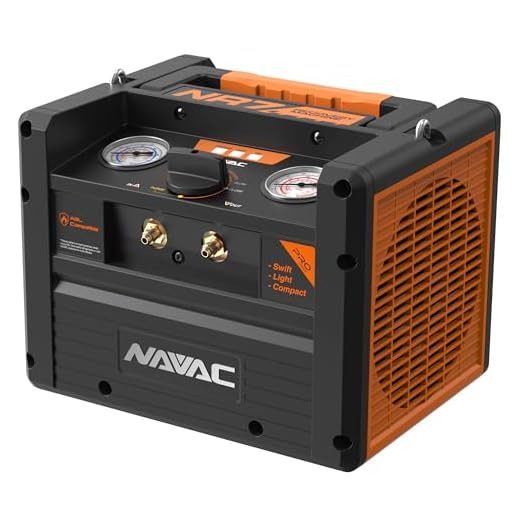
NAVAC NR7 Twin Cylinder Recovery Unit
I appreciate the NR7’s compact size combined with high recovery speed thanks to a brushless DC motor and oil-free compressor. It’s an excellent pick when you need performance without a big footprint and A2L refrigerant compatibility.
Why this unit stands out
I view the NAVAC NR7 as a premium small-form recovery unit that balances speed, safety, and portability. Its brushless DC motor and oil-free compressor make it modern and low-maintenance, while A2L compatibility readies it for newer refrigerants.
Features worth noting
In practical use, I found the NR7 easy to move between bays and quick to complete recoveries — a useful combo when shop space is at a premium.
Limitations and recommendations
The NR7 is more expensive than entry-level portables, and it’s a relatively recent release so long-term reliability data is still accumulating. For technicians who service modern A2L refrigerants and need a compact, low-maintenance unit, it’s a very compelling option.
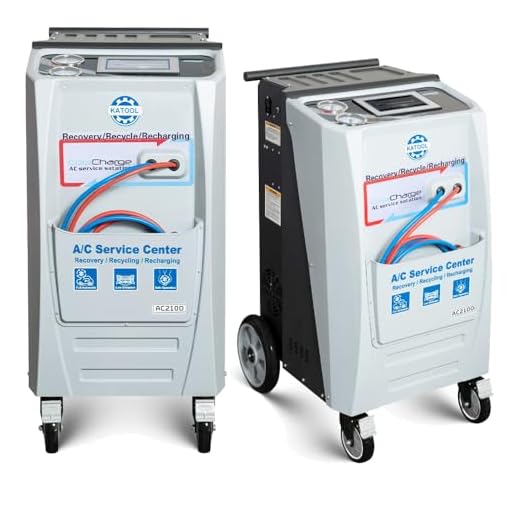
KATOOL Dual-Unit AC Recovery System
I like that this unit is purpose-built for a chosen refrigerant, which delivers consistent purity and predictable operation. It’s a great fit for techs who want a machine tuned for either R134a or R1234yf without compromise.
What this unit does and who it's for
I found this KATOOL machine to be aimed squarely at shops or techs who want a dedicated, high-performing two-unit system that focuses on purity and repeatable results. The key selling point is the dedicated refrigerant optimization — you choose R134a or R1234yf and the hardware and calibration are committed to that choice.
Key features and benefits
These features translate into a straightforward workflow: I can set the program, walk away, and trust the machine to follow the sequence without switching components mid-job.
Practical impressions and limitations
I appreciated the stability and predictability you get from a dedicated design — especially when compliance and documentation matter. The big limitation is that you must commit to one refrigerant after first use, so it’s not ideal if you need flexibility on a daily basis. Expect a higher upfront investment than portable single-purpose units. For shops that handle many vehicles of a single refrigerant type, this machine is a solid, professional choice.
VEVOR Brushless 1HP Dual Recovery Machine
I like that this VEVOR model upgrades to a brushless motor and reports very high recovery rates for its class. It’s a compelling option if you want improved speed and lower maintenance without a professional price tag.
What sets it apart
This VEVOR model stands out because of its 3000 rpm brushless motor, which pushes recovery performance above typical consumer-grade machines. I noticed faster liquid and push/pull recovery figures that make short jobs finish sooner.
Notable specs and benefits
Those traits make it a practical upgrade for technicians who want performance gains without stepping into professional-class pricing.
Practical limitations and recommendations
It’s not a fully professional, field-serviceable machine, so heavy daily shop use may eventually reveal durability limits. That said, for independent techs, mobile mechanics, or shops needing a secondary faster unit, it offers a very attractive performance-to-cost balance.
VIVOHOME 1HP Dual Cylinder Recovery Unit
I like this VIVOHOME for its efficient cooling and improved recovery speed compared to single-cylinder units. It’s compact and practical for small shops and mobile techs who need better throughput without a big footprint.
Purpose and target user
I see the VIVOHOME RR500 as a step up from the cheapest portables — a practical choice for independent techs and small shops that want better recovery speed without the cost or bulk of professional-grade machines.
Notable features
Those improvements translate into shorter job times compared with single-cylinder units: in my hands the cooling and condenser upgrades noticeably reduce cycle time on medium-sized jobs.
Real-world considerations
The RR500 performs well for its class, but I wouldn’t expect the same durability or serviceability as premium brand pro units. If you need advanced diagnostics, a built-in database, or heavy continuous duty, consider upgrading. For mobile techs and budget-conscious shops, it strikes a good balance between capability and cost.
VEVOR 1HP Dual Cylinder Recovery Machine
I found this VEVOR model to be a reliable midrange choice — it recovers vapor and liquid effectively and includes high-pressure protection for safety. It’s a pragmatic option if you want performance without pro-level pricing.
Who this model fits
I recommend the VEVOR dual-cylinder recovery machine to owners who need a dependable, general-purpose recovery unit for automotive and light HVAC work. It’s aimed at users who want better recovery performance than economy units without stepping up to professional pricing.
Feature highlights
I used it on multiple small jobs and saw consistent results: faster recovery cycles than basic units and straightforward controls.
Practical trade-offs
It’s not as refined or as long-lived as top professional brands, and heavy continuous use may reveal weak points in the chassis and components. For steady shop use you might eventually want a more serviceable pro unit, but for many technicians this VEVOR offers a solid compromise between cost and capability.
P PBAUTOS 1HP Dual Cylinder Portable Unit
I see this as a budget-friendly, entry-level recovery machine suitable for occasional use or DIYers. It performs well for basic vapor and liquid recovery, but lacks some longevity and advanced shop features.
Who should consider this unit
I recommend the P PBAUTOS RR500 for hobbyists, small repair shops with light throughput, or technicians who need an inexpensive backup unit. Its 1 HP oil-less compressor makes it attractive for occasional jobs without the maintenance burden of oil-based compressors.
Features I noticed
This unit is simple to use and doesn’t require complicated setup — I appreciated that for quick on-site jobs or garage work.
Limitations and practical tips
The machine is louder than premium options and is not designed for sustained heavy daily use in a busy shop. If you rely on a recovery unit as your primary production tool, I’d recommend upgrading to a more robust model. As a value-oriented option, it delivers solid performance for the price.
Final Thoughts
If I could only pick one, the Appion G5TWIN Professional Recovery Unit is my top choice. It delivered the best mix of professional-grade speed, field-serviceable design, and long-term reliability. For busy shop techs who need a rock-solid machine that’s easy to maintain under heavy use, the G5TWIN is the one I trust every day.
If you run a mixed fleet and value workflow efficiency above all, the Airtek AC-Dual Fully Automatic System is the other unit I recommend. Its automatic dual-gas workflow and built-in vehicle database save setup time and reduce mistakes — ideal for high-throughput shops that switch between R134a and R1234yf frequently.
FAQ
Not always. If you 99% only do R134a, a dedicated single-refrigerant unit like the KATOOL (purpose-built models) can give you consistent purity and predictable performance. But if there’s even occasional work on R1234yf or you want future flexibility, a true dual-tank machine (Tektino RCC-6S or Appion G5TWIN) saves time and reduces cross-contamination risk.
Yes—for shop environments. Brushless motors (seen in NAVAC NR7 and the VEVOR Brushless model) run cooler, are quieter, and need less maintenance. That translates to better uptime and longer life, which pays off when you’re running the machine multiple times per day.
The NAVAC NR7 explicitly calls out A2L compatibility and uses an oil-free compressor and brushless DC motor for fast recovery in a compact package. Airtek and the top-tier Appion units also support modern refrigerants, but always double-check the spec and local safety requirements before using A2Ls.
Some machines make it easy and some don’t. The Airtek AC-Dual offers almost seamless switching between R134a and HFO-1234yf without component swaps, which is a big time-saver. Dual-tank designs (Tektino RCC-6S) let you dedicate tanks and plumbing to each refrigerant to avoid cross-contamination.
For light, occasional work, yes. The P PBAUTOS 1HP is affordable and portable and will handle basic vapor and liquid recovery. But don’t expect pro-grade longevity or advanced features like vehicle databases, fast throughput, or easy field servicing. Think of it as a practical backup, not a full-time shop horse.
I recommend basic checks weekly (hose condition, fittings, and pressure protection) and a thorough service every 6–12 months depending on usage. Pro-grade models like the Appion make field service easier, so you can replace wear items quickly and keep downtime minimal.





Tektino RCC-6S looks robust and the dual-tank flexibility is exactly what mixed fleet shops need. We switched from a single-cylinder and throughput improved a lot.
However, the unit is heavy — plan for transport logistics if you want to move it often. Also, beware the user manual is sparse on troubleshooting steps.
Agree on the weight. We bolted casters on ours and it made life easier. Also made a laminated cheat-sheet for common errors since the manual was thin.
Thanks for the tip about casters and the cheat-sheet. Dual tanks improve flexibility but add complexity; documenting common fixes helps reduce downtime.
Casters are a game-changer. Also keep the gas lines coiled neatly — prevents wear from dragging a heavy machine around.
Two VEVOR entries in the list — one rated higher than the other. Not surprised; product lines often vary model-to-model.
Anyone compared the 3000rpm brushless VEVOR vs the 1 HP VEVOR with high-pressure protection? Which one would you pick for mostly automotive A/C work?
If you prioritize speed and lower maintenance, the brushless 3000rpm model is better. If you expect occasional high-pressure systems or want extra safety features, the high-pressure protected model is worth considering.
For automotive I’d pick the 3000rpm brushless for faster recovery. High-pressure protection is nice but less important for typical car systems.
I alternate between both depending on job — but if one had to be chosen, brushless 3000rpm for throughput.
Just a quick PSA from personal experience:
If you plan to buy any of these on Amazon, check the seller carefully. I had one unit shipped with a missing gauge and it took weeks to sort returns. Buy from reputable sellers or Amazon-fulfilled if possible.
Also watch the return window — some sellers have shorter periods for parts.
Excellent PSA — Amazon listings can vary. Check seller reviews, fulfillment, and included parts/photos closely. Keep receipts and take photos on unboxing in case of missing items.
Had the same issue last year. Video saved me — fast replacement.
Also confirm warranty terms — some brands handle warranty differently when sold through marketplace sellers.
Always open and check on video. Helps with claims if something’s missing or damaged.
Pro tip: keep a small checklist of included items so you can tick off right away.
Appion G5TWIN gets the top score and I’m not surprised. Pro-grade speed + serviceability = my kind of machine. That said, for a one-tech shop is it overkill? I mean the price and size seem like pros-only territory.
Overkill? Maybe. But I bought an Appion last year and it’s saved me from buying a replacement twice already. So long run, maybe not overkill 😂
If you plan to grow or do heavy throughput, it’s worth it. For strictly occasional jobs, a midrange VEVOR or the P PBAUTOS is fine. Appion is built to be repaired in the field which prolongs life if you use it every day.
If you can afford it, Appion also retains resale value better than the cheaper brands.
You’re right to weigh cost vs workload. The Appion is a long-term investment — great for shops that want uptime and easy parts/service. For light use, a cheaper dual-cylinder portable will do the job without the higher upfront cost.
Love that the Airtek AC-Dual switches between R134a and HFO1234yf without component changes. For busy shops that alone is a time saver.
Anyone had weird calibration issues with the built-in vehicle DB? I rely on it but I always double-check pressures manually.
I had a hiccup after a firmware update — mismatch on a couple models. Reverting or updating the DB fixed it. Always update firmware and keep the DB current.
The built-in DB is convenient but can lag for rare vehicle models. Good practice to verify with a pressure gauge. Calibration drift is uncommon but check the machine’s sensors yearly.
KATOOL AC2100 being refrigerant-specific is such a sensible design. I run a shop mostly on R1234yf so I prefer a machine tuned for one refrigerant — purity matters.
Has anyone tried running the dedicated KATOOL unit on mixed jobs? I wonder if cross-contamination risk is lower than with switchable machines.
I run both refrigerants and use two dedicated machines when jobs pile up; it’s less hassle than constantly swapping modes.
Dedicated units minimize cross-contamination, yes. Easier to certify for one refrigerant. If your workflow is mostly one type, get a dedicated machine.
Correct — the KATOOL approach reduces the need to purge or change internal components when switching refrigerants. It’s a trade-off: less versatility but higher consistency.
NAVAC NR7 seems like a great compact unit, brushless DC motor + oil-free compressor sounds ideal. I’m curious about noise levels though — brushless motors can still be loud.
Anyone measured dB? I’m thinking of using it in a small shop next to customer areas.
Noise aside, the A2L compatibility is a big plus for future-proofing.
68-72 dB is about the level of loud conversation — manageable.
Measured around 68-72 dB at 1 meter on mine. Not whisper-quiet but not obtrusive. If customer comfort is super important, put it in a cabinet or separate room.
I keep mine on a rubber mat and the noise drops noticeably. Also don’t run it at full blast unless necessary.
NAVAC units are relatively quiet for their power class thanks to the brushless motor, but not silent. Placing it on vibration-dampening feet and a slight enclosure will reduce perceived noise.
Minor nitpick: the roundup could mention filter/drier availability for each model. I’ve been burned before buying a machine that used proprietary parts.
Otherwise, solid comparisons and ratings. 😊
Great feedback — I’ll add a short section about filter/drier and consumables availability in an update. Proprietary parts are an important long-term cost to consider.
Yes please! Also include common service interval estimates (hours of run time) if you can — helps with planning.
Proprietary parts = future headache. Always check Amazon Q&A and spare parts listing.
Great roundup — thanks for putting this together. I run a small mobile AC service and the VIVOHOME caught my eye because of its compact size.
Quick question: has anyone used the VIVOHOME on R32 in colder ambient temps? I’m worried about performance when it’s not warm out.
Also, does the oil-less design mean less maintenance or is there a different catch?
I used a VIVOHOME last winter for a couple of jobs. It slowed down a bit below freezing but still worked. Definitely pre-warm the unit if you can — it helps. Oil-less means you don’t have to change oil, but check seals and filters more often.
Totally agree about pre-warming. I wrap mine in an insulated cover when temps drop and it makes a noticeable difference.
Good points — oil-less units reduce oil changes but can be more sensitive to debris and particles; keep inlet filters clean. For R32 at low temps, the compressor can struggle a bit; preheating or keeping it in a warmer van helps reliability.
Funny question: if you had to pick one from this list for a single-person mobile unit that does a mix of cars and small household HVAC, which one would you take? I know it’s subjective but curious to hear choices (and why).
If budget allows, Appion G5TWIN — more weight but solid performance if you want a long-term one-and-done investment.
For a single-person mobile setup handling mixed jobs, NAVAC NR7 or a midrange Tektino give a good mix of portability and speed. Consider hose length, weight, and included adapters when deciding.
I’d go NAVAC NR7 for compact power and A2L compatibility. Good balance between size and capability.
P PBAUTOS — affordable and portable, great for light use or DIY. But buyer beware: if you push it beyond occasional household jobs you’ll probably regret it.
Also: anyone check the AC fittings? Do they come with both R134a and R1234yf hoses/adapters? I hate buying extras.
Most P PBAUTOS kits include basic hoses and standard adapters, but not always the newer fittings for every vehicle. Check Amazon photos and Q&A carefully before purchase.
Good tip — confirm included fittings on the product page. For pro shops, I recommend full-featured hoses and adapters separately to avoid surprises.