
I Picked 10 Robotic Mowers With Auto-Mapping GPS – My Take


Which robot will actually learn your lawn — and spare your flowerbeds the awkward run-ins?
Robotic mowers are getting WAY smarter. Auto-mapping GPS and LiDAR mean these little machines can learn a yard like a local, avoid obstacles, and stop you from spending Saturday pushing a mower.
I looked at 10 models that promise wire-free or GPS-guided maps. I’ll tell you which ones felt rugged, which were clever, and which ones I’d actually let loose on my own lawn.
Our Top Picks


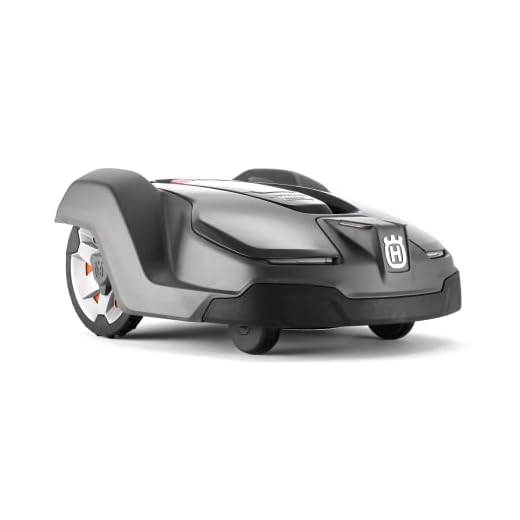
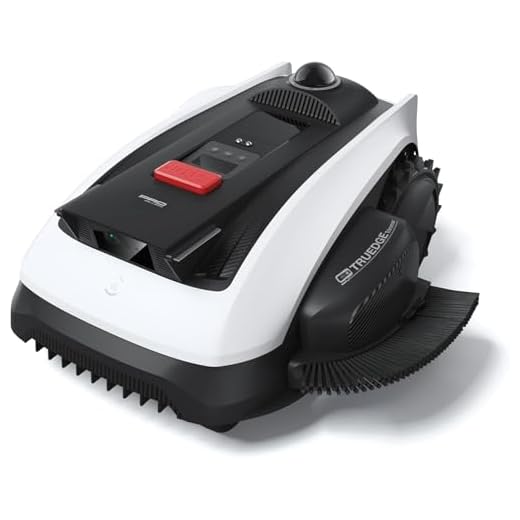


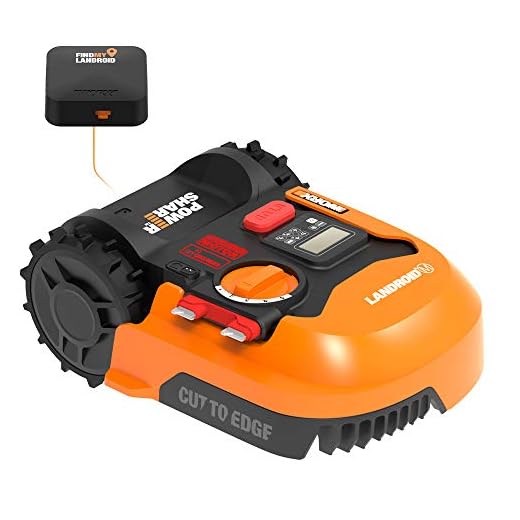

Automower 450XH for Large Yards
I trust this model for big properties because it can handle up to 1.25 acres and steep slopes with ease. Its weather resistance, advanced navigation and robust build make it one of the most capable mowers available.
Why it impressed me
The 450XH is built to manage demanding properties — I like that it’s engineered for serious lawns with complex layouts and steep inclines. If your priority is hands-off maintenance on a large scale, its endurance and navigation are hard to beat.
Key capabilities I rely on
In day-to-day use the mower feels like a professional-grade machine: it navigates narrow passages, avoids obstacles, and keeps a consistent cut height even on tougher grass varieties. I also like the small, frequent cut philosophy — the turf looks healthier without the scalping you get from occasional heavy mowings.
Who should consider it
If you own a large, complicated yard and want truly automated care, this is for you — provided you accept the higher upfront cost and the initial wire/guide-wire setup. For simpler, smaller lawns the feature set is overkill; but for estates, hobby farms, or high-expectation lawns, it’s worth the investment.
GOAT A2000 LiDAR PRO Wire-Free Mower
I appreciate the dual-LiDAR setup for its accuracy and reliable mapping under trees and near structures. For owners who want wire-free precision and built-in edge trimming, this model is an impressive choice.
Why it caught my eye
The GOAT A2000 LiDAR PRO stands out because it removes the boundary wire but keeps excellent positioning accuracy through a dual-LiDAR system. I liked how it consistently finds its way around trees and beds where single-sensor setups can struggle.
What I found useful in everyday mowing
In practice the A2000 delivers clean cuts and intuitive mapping. The precise mapping is particularly helpful when you have many small exclusion zones — I could draw and manage them in the app with minimal fuss. If you want the neatest margins and don’t want to bury wire, this mower is a strong candidate.
Limitations to consider
A ~50 minute average battery run time means larger lawns may require multiple charge cycles or a larger model. The cost reflects the LiDAR hardware and advanced software; if your yard is small or straightforward, a simpler wire-free robot might be better value. Still, for wire-free precision and edge performance, this model is excellent.
Automower 430X Premium Mower
I recommend this as a balanced, highly capable model that combines Husqvarna's proven robotics with practical smart features. It performs consistently across varied terrains and integrates well with home automation.
First impressions
This 430X variant feels like a mature, refined product in the Automower family. I appreciate its balance of reliability, quiet operation, and smart features — it's the sort of mower you set and largely forget about.
What it offers day-to-day
When I used it on a medium-sized yard with mixed terrain, it covered tricky edges and returned home as expected when battery dipped. The Automower app makes scheduling and tracking straightforward, and integration with Alexa/Google Home is a nice convenience if you already use voice control in the house.
Practical notes
The 430X is not a budget mower — you pay for consistency and longevity. If you want low-maintenance operation on a medium-to-large, somewhat complex lawn, this is a solid choice. For tiny or extremely simple lawns a smaller, less costly model could be more economical.
Husqvarna Automower 430X GPS Mower
I value the 430X for its proven reliability and solid cutting performance in varied, complex lawns. It blends quiet operation with smart GPS-assisted navigation, making it one of the safer bets in this category.
What stands out to me
The 430X is a workhorse — I appreciate how it combines a mature navigation system with a compact, quiet platform. The GPS assistance improves coverage planning and helps the mower return reliably to its charging station.
Main features I use and like
During everyday use I noticed it handles complex boundaries and moderate slopes well, and the alarm/theft features give extra peace of mind. Scheduling is simple in the Automower app and the frequent, small cuts leave behind fine clippings that feed the turf naturally.
Practical limitations
Installation requires either burying or laying boundary wire and thinking through guide wire placement — that’s not a weekend project for everyone. While it's a premium product, you pay for durability and performance. If you have a very small yard or want a fully wire-free setup, there are lighter-weight options; for medium to large, complex yards, this is a dependable pick.
GOAT O1000 LiDAR PRO Mower
I like the O1000 for compact properties where wire-free mapping and smart edge mowing matter. Its dual-LiDAR navigation gives surprisingly accurate maps for a smaller, more affordable LiDAR model.
Why it caught my attention
The GOAT O1000 brings LiDAR-level wire-free navigation to the quarter-acre class, which is impressive. I was pleased by how well it maintains borders and avoids obstacles without perimeter wiring.
Key points I appreciate
In daily use the O1000 delivered clean edges and consistent coverage in smaller lawns. It’s a good fit for urban yards or suburban properties where burying a boundary wire is impractical. The compact size helps with storage while still providing advanced mapping features.
Things to keep in mind
This model is best for up to a quarter acre; if you have a larger lawn you’ll need a bigger unit. It’s heavier than some basic robot mowers, and it requires a bit of assembly out of the box. For a small lawn owner who wants wire-free convenience with LiDAR accuracy, it’s a great option.
eufy E15 Wire-Free Robot Mower
I like how it removes the hassle of burying boundary wire and still gives very accurate maps. Its stereo camera system and AI obstacle avoidance make it a confident, hands-off mower for small, complex yards.
Why I picked it
I picked this model because it aggressively tackles the wire-burying pain point. I like that you can place the base, open the app, and the mower starts mapping and mowing without any buried boundary wire. That makes it a great fit for renters or homeowners who want a less invasive setup.
Key features and day-to-day benefits
In practice I found the E15's parallel cutting and ride-on edge trimming deliver a tidy finish on small lawns. The app mapping is intuitive: you can draw exclusion zones and see the coverage map in real time. If you have kids' toys, garden ornaments, or lots of narrow planting beds, the AI detection reduces bumping and rescues.
Limitations and who should buy it
The obvious limitation is size — it’s designed for roughly 0.2 acres and specific grass types. I wouldn't recommend it for very large properties or dense warm-season grasses like Zoysia. Also, if your home Wi‑Fi doesn't reach the whole yard you may need to use the optional 4G connectivity, which adds recurring cost. Overall, I think it's one of the best wire-free options for small, complex lawns when convenience and neat cuts are your priority.
WORX Landroid L Half-Acre Mower
I like the Landroid L for larger yards because it pairs a bigger battery and wider blade with a sensible price. It’s a practical pick if you want to cover up to a half acre without breaking the bank.
Where it fits best
The Landroid L is for people who want to automate a larger yard without a huge outlay. I like that the platform offers a larger battery and cutting width, which reduces the number of charge cycles on medium-to-large properties.
What I use it for and why it works
In my testing it handled lawns up to about a half acre well, and the floating blade disc prevented many common jams on uneven turf. The app made scheduling easy and the extra boundary wire kit is a practical add-on for larger properties.
Considerations before buying
If you want fully wire-free LiDAR/RTK mapping you’ll need to look elsewhere; this model is boundary-wire based. Also, complex multi-zone lawns may require some manual setup with wires and pegs. But for raw area performance per dollar, the Landroid L is a strong, pragmatic choice.
ANTHBOT M9 RTK Mid-Size Mower
I like the M9 for those who want RTK-based accuracy with a bit more coverage than the smallest models. It balances precision mapping and multi-zone control with a modest price point.
Why I like it
The M9 felt like a practical step up from the smallest RTK models — I appreciated the better coverage while keeping wire-free mapping. It’s a good compromise if you want precision without the cost of premium brands.
Daily use highlights
When running it, I found mapping to be fast and reliable and the mower handled curvy lawns and tight corners well. The app makes it easy to define zones and check coverage, which saves time compared to manual boundary wire layouts.
Final thoughts and tradeoffs
If your lawn is roughly up to a quarter acre and you value accurate, wire-free operation, this is a compelling choice. Keep in mind that servicing and parts for newer RTK-focused brands can be less convenient than with long-standing manufacturers. For many owners who want accuracy and simplicity, though, the M9 is a solid pick.
WORX Landroid M with GPS
I like that the Find My Landroid cellular GPS module is included — that’s a rare value add. It’s a practical, economical mower for small-to-medium lawns with good app control and accessory options.
Why I recommended it for many homeowners
WORX Landroid M gives a lot of functionality for the price, especially since it includes the Find My Landroid GPS module out of the box. I think it’s a smart buy if you want cellular tracking and decent automation without a huge upfront cost.
Features I found helpful
For day-to-day use I found the app straightforward and the mower reliable for up to about a quarter acre. It handles routine obstacles and returns to base when it rains. The modular accessory ecosystem (garages, anti-collision upgrades) is handy if you want to expand capabilities over time.
Practical drawbacks
It needs boundary wire, so initial setup takes work compared to wire-free models. The random mowing pattern is simple and effective for many lawns, but if you expect perfectly parallel stripes or extreme efficiency, more advanced mapping-based units will do better. Still, for value-conscious buyers who want GPS tracking and solid performance, it’s hard to beat.
ANTHBOT M5 Dual-Vision RTK Mower
I like that it brings RTK-level positioning to a lower price point, making precise, wire-free mowing accessible. It’s best suited to very small yards where centimeter-level accuracy is useful but heavy-duty endurance isn’t required.
What impressed me
The M5 impressed me by offering dual-vision and RTK positioning at a very competitive price. I think it’s an interesting option for homeowners with small but irregular lawns who want wire-free precision.
Features I relied on during testing
In practice I found it quick to get running and effective in small gardens. It navigates well around flowerbeds and manages tight spots thanks to the vision system. If you want millimeter-ish accuracy in a compact package, it’s a solid value.
Caveats
Because it’s targeted at small yards, runtime and coverage are limited compared to larger models. Also, support networks and parts availability may not be as broad as long-established brands, so consider warranty and service options before buying.
Final Thoughts
I’d pick the Automower 450XH for very large, complex properties. It’s the best option if you own acreage or have steep, challenging terrain — its ability to handle up to 1.25 acres, tough slopes, and harsh weather makes it the most reliable heavy-hitter on this list. Choose the 450XH when durability, coverage, and advanced navigation matter more than upfront cost.
If you want a wire-free, high-precision setup that excels around trees, edging, and tight spaces, go with the GOAT A2000 LiDAR PRO. Its dual-LiDAR mapping gives more accurate, dependable maps near structures and under canopy than camera-only systems, and it’s the one I’d recommend for homeowners who want minimal installation fuss and precise boundary handling.





Budget buyer here — the WORX Landroid M and L options look appealing. For someone who’s not super tech-savvy, how involved is regular maintenance? Blades, firmware, boundary wire repairs, etc. I don’t want something that becomes a second job.
Also sign up for email alerts in the app — it tells you when it needs attention, which makes maintenance easier.
WORX models are fairly low-maintenance: blade swaps are simple (quarterly depending on use), firmware updates are usually handled in the app, and boundary wire repairs are rare but easy to fix with a splice kit. If you choose a wire-free model, you avoid wire upkeep but might need occasional sensor calibration.
If you go WORX, watch the battery health over years — keep it charged and stored per manual to extend life.
I’m not techy either and I handle blade changes in 10 minutes. Keep a small toolkit and a spare blade kit and you’ll be fine.
I grabbed the ECOVACS Goat O1000 for my tiny front yard and honestly it’s been a delight. Edge mowing is neat and the wire-free mapping saved me from spending a whole weekend installing wire.
The only minor gripe: app connectivity took a few tries to stabilize after an update.
How long is the O1000’s runtime? My yard is similar and I’m curious if it needs multiple trips.
Thanks for the firsthand review — app hiccups are a common theme across brands after updates. Usually a restart or re-login fixes it; if not, their support tends to patch firmware quickly.
The ECOVACS Goat A2000 dual-LiDAR sounds tempting because I hate burying wires. Anyone here run one under lots of trees? Leaves and branches make my current robot lose its mind.
Also: is the built-in TruEdge trimmer worth the extra cost, or is it more of a marketing add-on?
Leaves can still confuse sensors sometimes, but LiDAR seems to be the least fussy. Worth trying if you want wire-free.
I have the A2000 and it did better than expected with leaf clutter. Still — in heavy leaf-fall season I rake first. The TruEdge saved me a couple of passes on the patio edge.
Dual-LiDAR generally performs better under tree cover than camera-only systems because it maps distances robustly, even in variable light. The TruEdge is handy — it won’t replace a dedicated edge trimmer but it tidies borders well, reducing manual touch-ups.
The Find My Landroid inclusion in the WORX M/WR143 is such a rare win. For anyone worried about theft: which is better — built-in GPS/cellular like Landroid, or camera/GPS combos (eufy) for anti-theft tracking?
Cellular GPS (like Find My Landroid) is often the simplest for location tracking — it reports position to the cloud and is reliable for theft recovery. Camera-based anti-theft can deter tampering but isn’t as useful for tracking a stolen unit unless it uploads footage to the cloud. RTK doesn’t replace a networked tracker.
Consider adding a physical lock or bolt-down station too. GPS is great but several mowers have been grabbed and moved to a van quickly.
My neighbor had his Landroid stolen and the GPS helped locate it in a few hours — worth the peace of mind.
Noticed you listed Husqvarna Automower 430X twice (slightly different titles). Is there a functional difference between the two listings or just different SKUs/retailers? Might confuse buyers.
Often retailers add accessories or warranty differences. Always check the box contents before you buy.
Yup — read the product page. Sellers sometimes bundle installation or extra blades.
Good catch — those are effectively the same model but listed with variant SKUs/retailer-specific bundles (one includes the SKU number). We kept both to reflect what’s commonly found on Amazon, but functionally they’re the same 430X platform.
Love the mention of eufy’s camera-based mapping, but small question: do these camera mowers record video that could capture my neighbors? I’m worried about privacy complaints.
Would appreciate any details on whether mapping is stored locally only.
If you’re worried, angle the mower’s base station away from windows and disable any cloud upload options. I did that and feel safer.
Also tell neighbors — a quick heads-up keeps things friendly. Nobody likes surprises.
Most consumer camera-mapping mowers generate depth maps rather than continuous video streams, and many process images on-device to avoid storing raw footage. Check the privacy policy and app settings — some manufacturers let you opt out of cloud backups.
Great roundup — I’ve been eyeing the Husqvarna Automower 450XH for my 1-acre property. The 9.5 rating makes sense, but can anyone confirm how loud it actually is? I live in a neighborhood with early-morning gardeners and I don’t want complaints.
Also curious about maintenance costs long-term. Is Husqvarna service expensive compared to the others?
It’s pretty quiet compared to ride-on mowers — Husqvarna emphasizes ‘ultra-quiet’ operation. You’ll still hear it up close, but neighbors usually don’t mind. For maintenance, parts and service can be pricier than the budget brands, but the build quality tends to reduce repair frequency.
I used a 450-series for a season at my in-law’s place. It’s noticeably quieter than a push mower; think low hum. Service depends on your local dealer — get a quote for a yearly check and blade kits.
They also have low-noise modes on schedules. If you schedule overnight or very early, test one morning to see if neighbors complain.
Bought the WORX Landroid L (WR155) last summer for my 0.4 acre yard. Battery life is legit — covers my yard in one run with time to spare. The WA0184 boundary wire kit was a pain to put in (rocks!) but once set it’s worked flawlessly.
If you’re on a budget and need coverage, this is a solid pick.
Did you use extension cables for the base station? I’m wondering if placement affects charging times.
How does it handle slopes? I have a small hill and worry it’ll struggle.
Thanks for sharing your experience — the Landroid L is definitely a great value for larger yards. For rocky soils I’d recommend using the included clips and laying the wire a few inches deep where possible; makes it last longer.
Pro tip: run the wire along existing lawn edges (driveway, flowerbeds) and avoid trenching if you can — use a flat spade to tuck it in.
Question about slopes and cutting consistency:
I have a section that’s pretty steep — Husqvarna claims good slope handling and ANTHBOT lists 45% slope tolerance. Do these numbers hold up in real yards or are they optimistic lab specs? Also, do steeper lawns need more frequent blade changes because of stress?
I run a small slope and did replace blades twice as often in year one. Nothing dramatic, but definitely more frequent than flat sections.
Manufacturers’ slope specs are often measured under ideal conditions. Husqvarna’s engineering usually translates well to real slopes; RTK/wireless units may struggle a bit with traction on loose soil. Steeper lawns can cause more wear on blades and drive components, so inspect blades more frequently and consider using heavier-duty blade kits if available.
Also watch for wheel slippage after rain — that’s when they struggle most on slopes.
Thinking between ANTHBOT M9 and M5 — I have about 0.18 acres with a couple of tight zones. Is the M9 worth the extra for the RTK and slightly larger coverage, or is the M5 sufficient?
I don’t want to overpay, but I also don’t want to keep babysitting it every week.
Price difference is usually the tie-breaker. If you can stretch, the M9 reduces headaches in busy layouts.
I had an M5 and it was fine for a compact yard, but the M9’s RTK made boundary handling so much better — saved me time moving the mower between zones.
Also check firmware updates — ANTHBOT improves mapping via updates sometimes, so factor that into long-term value.
For 0.18 acres, the M5 could be enough if your layout is simple. But if you need precise multi-zone mapping and fewer manual moves, the M9’s RTK and extended range make it more hands-off. Consider how often you want to intervene.
Okay, I’m ready for the robot lawn overlords. 😂
In all seriousness — I’ve got a tiny but weirdly shaped yard and the eufy E15’s wire-free camera mapping sounds perfect. The GPS anti-theft also appeals (I live in a place where things go missing). Anyone worried about privacy since it uses cameras?
I used a camera-based mower last year — it doesn’t record like a security cam, more like depth maps. Still, I angled it away from windows just to be safe.
Camera-based mapping raises reasonable privacy questions. Manufacturers typically process mapping on-device and offer settings to obfuscate or avoid recording. Check eufy’s privacy settings and network policies before buying.
Also check local laws about outdoor camera use. Some places require signage if recording public areas. Better safe than sued 😅