Portable sawmills are machines that help you turn logs into lumber right where the trees are. They come in many types, from simple manual ones to advanced hydraulic sawmills. With the right sawmill, you can save money on lumber and use wood from fallen trees or other sources. This guide will help you understand how to choose, use, and maintain a portable sawmill, as well as the benefits of being part of the sawmill community.
Key Takeaways
- **Choose the Right Sawmill**: Pick a sawmill that fits your needs, whether for personal use or a business.
- **Understand the Basics**: Know the main features and specifications of sawmills to make an informed choice.
- **Maximize Your Yield**: Use optimal cutting patterns and prepare logs well to get the most lumber from each log.
- **Regular Maintenance Matters**: Keep your sawmill in good shape with routine checks and repairs to extend its life.
- **Safety is Key**: Always wear safety gear and follow safe practices while operating your sawmill.
Getting Started with Portable Sawmills
Choosing the Right Sawmill for Your Needs
Alright, so you’re thinking about diving into the world of portable sawmills. First thing’s first: picking the right one for you. You’ve got options, like manual, hydraulic, and fully automated mills. Manual mills are great if you’re just starting out or on a budget. They’re simple and get the job done, but require some elbow grease. Hydraulic mills offer a bit more ease with power-assisted features, making them a solid middle-ground choice. And if you’re serious about milling, the fully automated ones are a dream—fast and efficient, but they come with a heftier price tag.
Understanding Basic Features and Specs
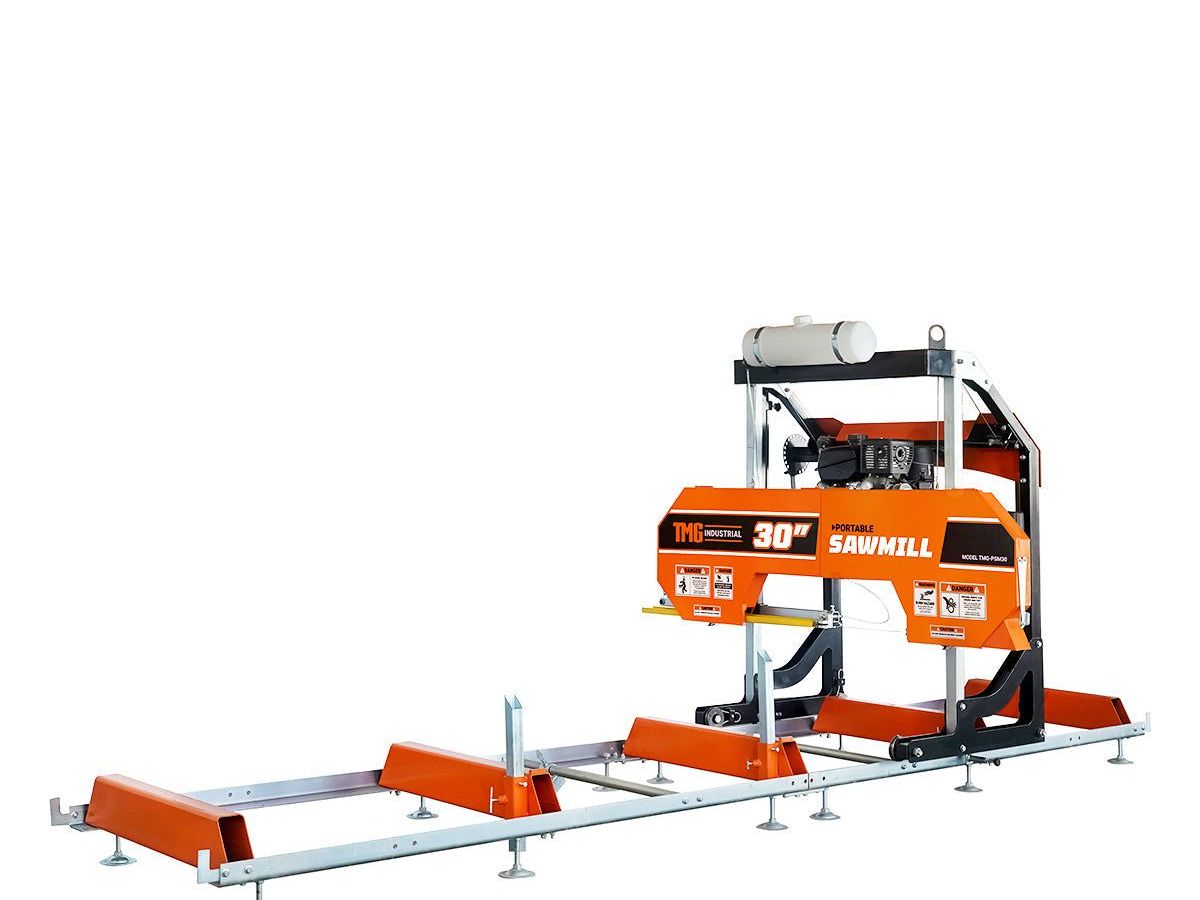
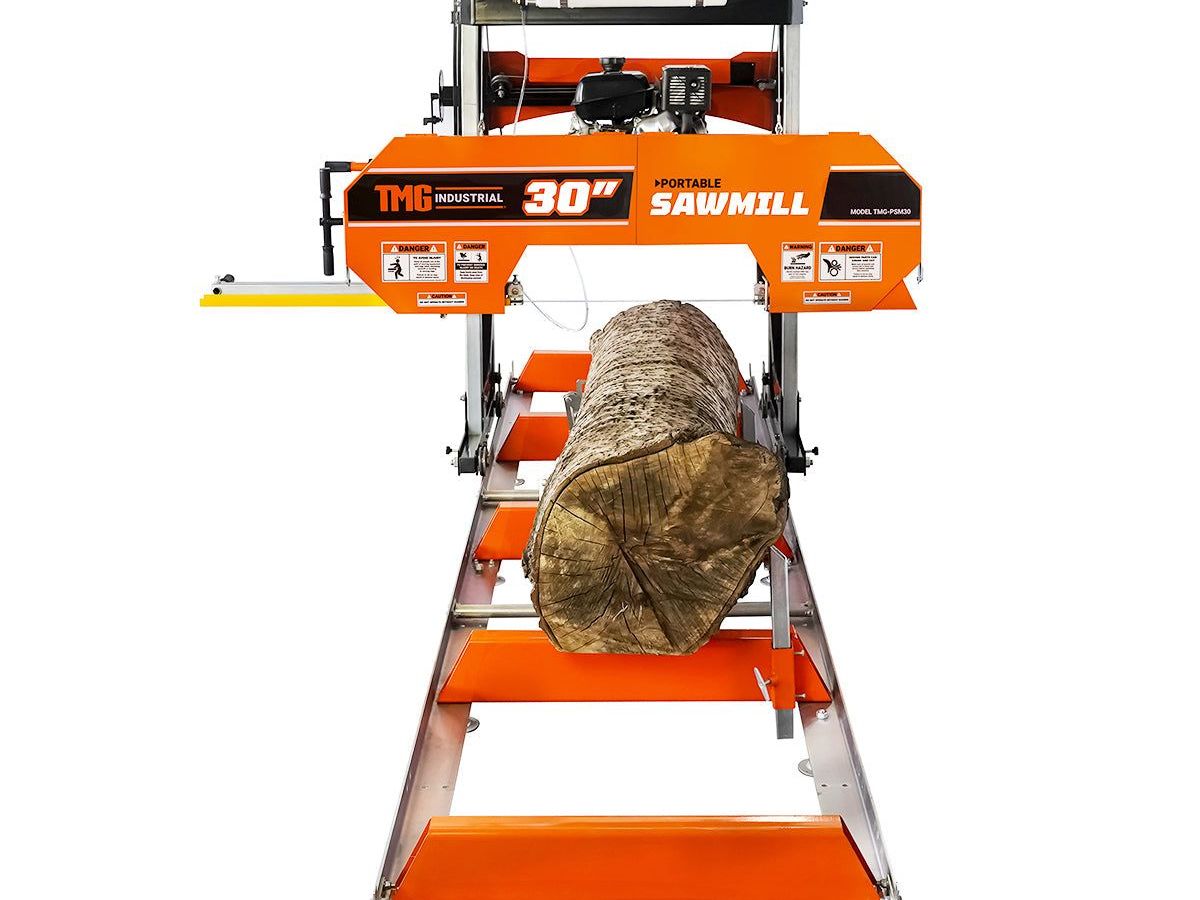
Now, let’s talk features and specs. It’s not all about the bells and whistles; it’s about what you need. Engine power is a biggie. Most mills run on gas engines, usually between 7 HP to 25 HP. The TMG-PSM30, for example, has a 14 HP engine, which is a sweet spot for many. Blade size and type matter too, as they affect the kind of cuts you can make. And don’t forget about the max log size your mill can handle—bigger isn’t always better, but it sure can be handy.
Setting Up Your Sawmill for the First Time
Setting up your sawmill for the first time? It’s a bit of a process but nothing you can’t handle. Start with a level foundation. This might sound basic, but trust me, it makes a world of difference. Use concrete blocks or adjustable feet to get it just right. Once your base is set, follow the manufacturer’s instructions to assemble your mill. Double-check everything is tight and secure before you fire it up. It’s like building a puzzle, and every piece has its place. Take your time, and soon you’ll be slicing through logs with ease.
Getting started with a portable sawmill is like embarking on a new adventure. It’s all about finding the right fit and setting it up just right. Once you’re up and running, the possibilities are endless.
The Mechanics Behind Portable Sawmills
Engine Power and Efficiency
So let’s dive into what makes a portable sawmill tick. The engine is like the heart of your sawmill. Most of these machines run on gas engines, usually between 7 HP to 25 HP. It’s all about finding that sweet spot where power meets efficiency.
Blade Types and Their Uses
Now, onto the blades. These sawmill blades come in different types, each serving its own purpose. You got the standard ones for everyday cutting, and then there are special ones for hardwoods. Picking the right blade makes a big difference in how smooth your cuts turn out.
Hydraulic vs. Manual Systems
Here’s where things get interesting. Some sawmills are all about manual control, which is great if you like hands-on work. Others use hydraulic systems to make things smoother and less tiring. It’s like choosing between a stick shift and an automatic car. Each has its perks, so it depends on what you’re comfortable with.
Maximizing Lumber Yield
Optimal Cutting Patterns
Finding the best cutting pattern is like solving a puzzle. It makes sure you get the most usable lumber from each log. Think of each log as a unique challenge and figure out the best way to slice it. This can boost your yield by a good chunk, like 15-25% more wood.
Log Preparation Tips
Before you even think about cutting, make sure your logs are clean. Dirt and debris can mess up your blades and ruin your day. A good scrub can save your tools and keep everything running smooth. I’ve learned to keep a metal detector handy, just in case.
Avoiding Common Mistakes
We all mess up sometimes, but avoiding the big mistakes can save time and wood. Don’t rush your cuts, and always double-check your setup. A little patience goes a long way, and trust me, it’s worth it in the end.
Getting the most out of your sawmill isn’t just about the gear. It’s how you use it that counts. Practice makes perfect, and every log is a new lesson.
Maintenance and Care for Your Sawmill
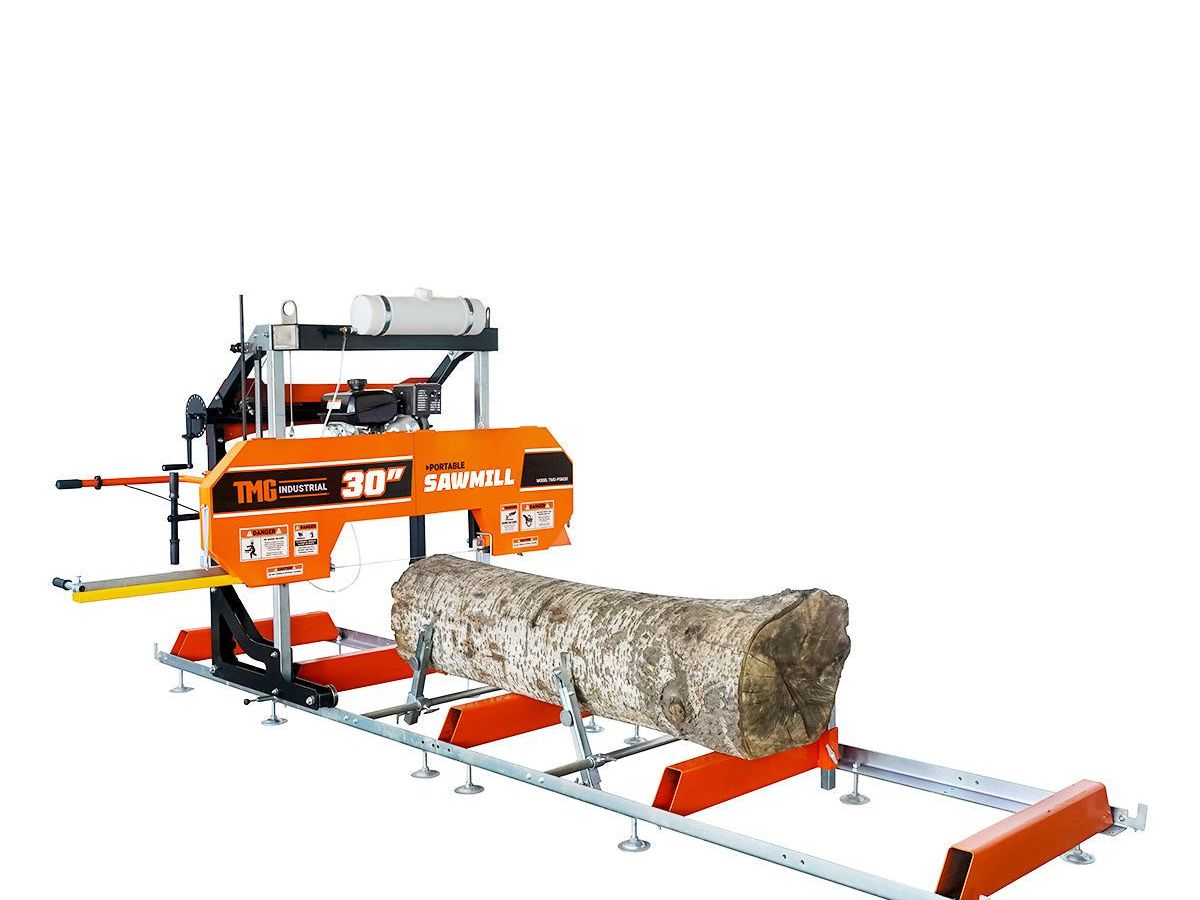
Keeping your sawmill in tip-top shape means sticking to a regular maintenance routine. Daily checks are a must—look over blade tension, clear out sawdust, and inspect the belts and guides. Each week, grease all the fittings and check fluid levels, and don’t forget to clean the air filters. Monthly, you’ll want to change the blades and inspect the bearings to keep everything running smoothly.
Troubleshooting Common Issues
Sometimes things go wrong, and that’s okay. If your cuts start looking off, it might be time to check the track alignment or blade sharpness. A bit of troubleshooting can save you a lot of headaches later. And if the engine sounds funny, give those belts and pulleys a good look.
Extending the Life of Your Equipment
To make sure your sawmill lasts for years, treat it right. Store it in a dry place, keep it clean, and use protective covers if you can. Regular maintenance not only helps with performance but also extends the life of your equipment.
Taking care of your sawmill isn’t just about keeping it running—it’s about making sure it’s safe and ready whenever you need it. Follow these steps, and your sawmill will thank you!
Safety First: Operating Your Sawmill
Essential Safety Gear
Before you even think about firing up your sawmill, make sure you’ve got the right gear. Safety goggles are a must to keep those wood chips out of your eyes. Then there’s ear protection. Trust me, your ears will thank you later. A hard hat is smart too, especially if you’re working around heavy logs. And don’t forget those steel-toed boots; they could save your toes from a world of hurt.
Safe Operating Practices
Alright, so you’ve got the gear. Now let’s talk about how to use that sawmill without getting hurt. Always double-check your setup. Make sure everything’s stable and secure before you start cutting. Keep your hands clear of the blade and never rush the process. Slow and steady wins the race, and keeps all your fingers intact. Oh, and keep your workspace clean. A tidy area is a safe area.
Emergency Procedures
Accidents happen, even when you’re careful. So, it’s crucial to have a plan. Know where your first aid kit is at all times. If something goes wrong, you want to be able to act fast. Make sure everyone knows how to shut down the sawmill quickly in an emergency. It’s also smart to have a phone nearby, just in case you need to call for help. Preparation can make all the difference in an emergency.
Safety isn’t just about gear and procedures; it’s a mindset. Always stay alert and focused when working with heavy machinery.
Exploring Top Portable Sawmill Manufacturers
Leading Brands in the Market
When it comes to portable sawmill brands, a few names always pop up. Wood-Mizer, TimberKing, and Norwood are some of the best portable sawmill manufacturers out there. Each of these brands offers unique features that cater to different needs, whether you’re a hobbyist or running a full-scale operation.
What Sets Each Manufacturer Apart
Wood-Mizer is known for its innovative designs and reliable customer service. TimberKing, on the other hand, prides itself on robust construction and longevity. Norwood offers a range of models that are highly customizable, making them one of the best portable saw mills for the money.
Customer Reviews and Feedback
Customer reviews can be a goldmine of information when you’re looking to buy portable sawmill equipment. Many users praise Wood-Mizer for its ease of use and efficiency. TimberKing users often highlight the durability of their machines, while Norwood customers appreciate the flexibility and value for money their mills provide.
Choosing the best portable sawmill is like finding the right pair of shoes – it needs to fit your needs and budget perfectly. With so many portable log mills for sale, taking the time to read reviews and compare features is crucial.
The Economics of Portable Sawmilling
Cost vs. ROI Analysis
When you think about portable sawmill prices, it’s not just about the upfront cost. It’s all about the return on investment (ROI). Many folks find that with regular use, a portable sawmill can pay for itself in just over a year. Imagine turning logs into lumber and seeing your investment come back to you.
Financing Options for Buyers
Not everyone can drop a chunk of change on a sawmill right away. Financing options make it easier. You can find plans that spread out payments, making it more manageable to own one of these bad boys. It’s like getting a head start on your woodworking dreams without breaking the bank.
Case Studies of Successful Sawmill Businesses
I’ve seen some amazing stories out there. People who started with just a small mill and a big dream. Over time, they’ve built successful businesses, turning local trees into high-demand lumber. These stories show how with some grit and a good plan, a portable sawmill can be more than just a tool—it can be the start of something big.
Innovations in Portable Sawmill Technology
Recent Technological Advancements
Wow, portable sawmills are getting fancy! With new tech, these machines are now more efficient and precise. Lithium-ion powered models are all the rage, making them super convenient and reliable. You’ll find features that totally change how you saw wood, like the swing-blade sawmill that lets you rotate the saw for perfect cuts.
Eco-Friendly Sawmill Solutions
Going green is not just a trend; it’s a necessity. Many portable saw mills now come with eco-friendly options that reduce emissions and save energy. This means you can cut wood without feeling guilty about the environment. It’s like being a lumberjack, but with a conscience.
Future Trends to Watch
Keep your eyes peeled for more cool stuff in sawmill tech. We’re talking about smarter, faster, and more versatile machines. Imagine a mobile saw mill for sale that can handle any job you throw at it. The future is looking bright for sawmill enthusiasts.
Portable log mills are not just about cutting wood; they’re about cutting-edge technology and sustainability. Stay tuned for more innovations that make woodworking easier and greener.
Community and Resources for Sawmill Enthusiasts
Joining Sawmill Associations
Joining a sawmill association is like finding your tribe. These groups are awesome for meeting folks who share your passion for sawmills. They often host events and workshops where you can learn new tricks and tips. Plus, you might even find a mentor who’s been in the game for years.
Online Forums and Support Groups
So, you’re stuck on something sawmill-related? Online forums are your best friend. There’s a ton of knowledge out there just waiting for you. People love sharing their experiences and helping each other out. It’s like having a team of experts at your fingertips.
Workshops and Training Opportunities
If you’re serious about upping your sawmill game, workshops are the way to go. They offer hands-on experience and can really boost your skills. Training sessions cover everything from basic operations to advanced techniques. You’ll leave feeling like a sawmill pro.
Pro Tip: Dive into the world of sawmills with both feet. The more you engage with the community, the more you’ll learn and grow. It’s all about sharing and improving together.
If you’re passionate about sawmills, you’re not alone! Join our community of sawmill lovers where you can share tips, ask questions, and find great resources. Don’t miss out on the fun—visit our website today to connect with fellow enthusiasts and discover more!
Wrapping It Up: The Future of Portable Sawmills
So, there you have it! Portable sawmills are pretty cool tools that let you turn logs into lumber right where you need it. They come in all shapes and sizes, from simple ones you can run by hand to fancy machines that do most of the work for you. If you take care of your sawmill and learn how to use it well, you can save money and help the environment by using wood that might have gone to waste. Plus, with more people wanting local wood, the future looks bright for anyone who gets into this business. So, whether you’re a hobbyist or looking to start a small business, a portable sawmill could be just what you need to make your lumber dreams come true!
Frequently Asked Questions
What is a portable sawmill?
A portable sawmill is a machine that cuts logs into lumber right where the trees are. This means you can turn fallen trees into useful wood without moving them far.
How do I choose the right portable sawmill?
When picking a portable sawmill, think about what you need it for. Consider the size of the logs you’ll cut and how much power you need.
What types of logs can a portable sawmill handle?
Most portable sawmills can handle logs that are about 30 to 36 inches in diameter. Check the specs of the sawmill to be sure.
How much power do portable sawmills use?
Portable sawmills usually have engines that range from 7 to 25 horsepower. More power helps in cutting larger and tougher logs.
What maintenance do portable sawmills need?
To keep your sawmill working well, do regular checks on the engine, blades, and other parts. Clean it often and replace worn parts.
Is it safe to operate a portable sawmill?
Yes, but you need to wear safety gear like goggles and gloves. Always follow safety rules when using the sawmill.
Can I use a portable sawmill for business?
Absolutely! Many people use portable sawmills for small businesses. They can help you save money on lumber and make custom wood products.
What are the benefits of using a portable sawmill?
Using a portable sawmill lets you turn trees into lumber on-site, which saves time and money. It also helps reduce waste by using wood that might be discarded.