Choosing the right portable sawmill can feel overwhelming. With so many options available, it’s essential to understand the basics, features, and brands to make an informed choice. This guide will simplify the process and help you find the perfect portable sawmill for your needs.
Key Takeaways
- Portable sawmills let you cut lumber right where the trees are, saving time and money.
- There are three main types of portable sawmills: manual, hydraulic, and fully automated, each suited for different needs.
- Important features to consider include engine power, cutting capacity, and the blade system for effective lumber processing.
- Researching portable sawmill brands can help you find reliable options with good customer feedback.
- Budgeting wisely between cost and long-term value is key to making a smart investment in a portable sawmill.
Understanding Portable Sawmill Basics
What is a Portable Sawmill?
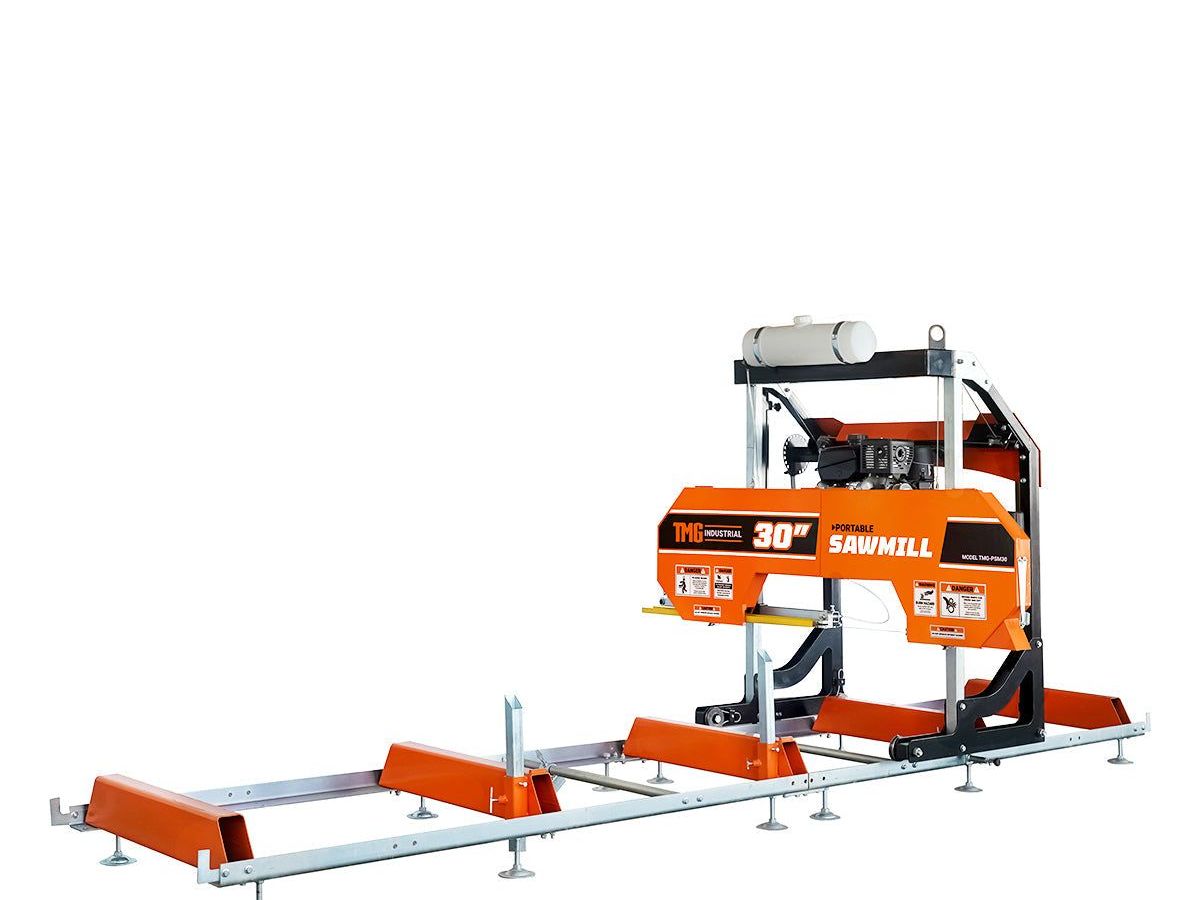
So, you’re probably wondering, "What exactly is a portable sawmill?" Well, it’s like a chainsaw on steroids. It’s a device that clamps onto a log and lets you slice it into neat, straight boards. Pretty cool, right? Imagine turning those fallen trees in your backyard into custom lumber without leaving home.
How Portable Sawmills Work
These machines aren’t rocket science. You set it up, clamp your log, and the sawmill does the heavy lifting. It guides the saw through the log, making straight cuts easier than you’d think. It’s all about precision and letting the machine do the grunt work.
Benefits of Using Portable Sawmills
Why bother with a portable sawmill? Well, first off, it saves you a ton on lumber costs. You can make your own boards from trees you already have. Plus, it’s super satisfying to see a log transform into usable wood right before your eyes. And let’s not forget the convenience of working at your own pace, in your own space.
Owning a portable sawmill is like having a mini lumber factory in your backyard. It gives you total control over your woodworking projects, from start to finish.
Types of Portable Sawmills
Manual Mills: The Budget-Friendly Option
So, you’re thinking about getting into the world of portable sawmills, huh? Let’s start with manual mills. These are like the entry-level option for folks who want to dip their toes without breaking the bank. You control everything by hand—moving the blade, adjusting the cut, all that jazz. Perfect if you’re on a tight budget or just starting out.
Hydraulic Mills: Balancing Power and Precision
Next up, hydraulic mills. These bad boys are like the middle ground. They use hydraulic power to help with log handling and blade movement, which means less physical work for you. It’s all about precision and speed here. If you’re looking for something that balances power and precision, hydraulic mills might be your jam.
Fully Automated Mills: For the Serious Sawyer
Finally, we’ve got the fully automated mills. These are for the serious sawyers out there who want maximum efficiency. Everything’s computer-controlled, from cutting to log handling. It’s like having a mini lumber factory in your backyard. Great for commercial operations or if you’re just really into woodworking.
Choosing the right portable sawmill is all about matching the mill type to your specific needs. Whether you’re eyeing a portable sawmill for sale or just dreaming about it, there’s something out there for everyone.
Key Features to Consider
Engine Power: Finding the Right Fit
Let’s talk engines. The engine is like the heart of your sawmill, pumping power through the whole thing. Most of these portable mills run on gas engines, usually between 7 HP and 25 HP. You want enough juice to cut through your logs without overworking the machine. If you’re like me, you’ll appreciate a reliable engine that doesn’t give up halfway through a job.
Cutting Capacity: What You Need to Know
Now, think about the size of the logs you’ll be cutting. You need to know the maximum log diameter and length your sawmill can handle. Most folks work with logs under 30 inches, so a mid-range mill should do the trick. Make sure you’re not trying to squeeze a giant log into a tiny machine.
Blade System: The Heart of the Sawmill
The blade system is where the magic happens. You want a mill with easy blade tensioning and quick blade changes. Good blade guides and an efficient cooling system are a must. Trust me, keeping your blade in good shape makes a world of difference. A well-maintained blade can last up to 40% longer, saving you time and money in the long run.
Top Portable Sawmill Brands
Exploring Popular Brands
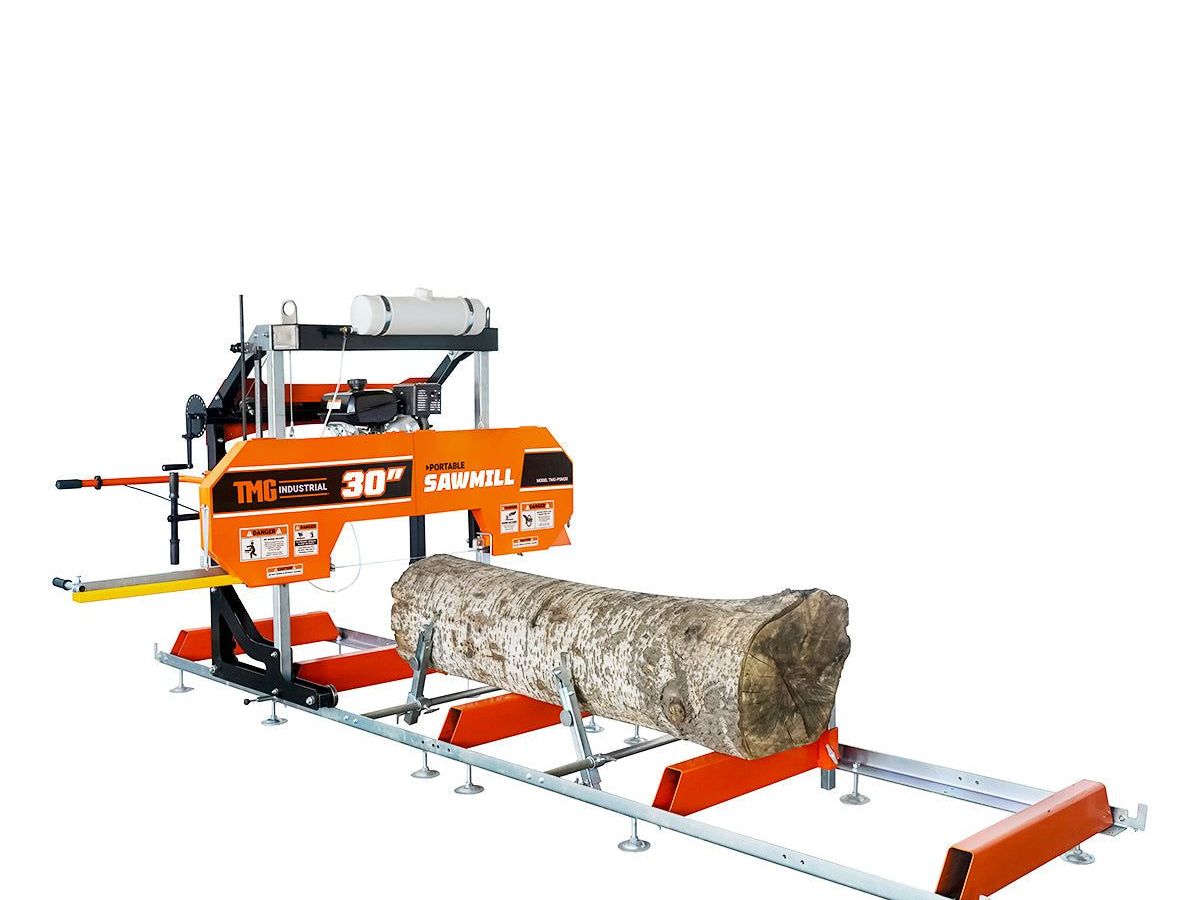
When it comes to portable sawmill manufacturers, a few names always pop up. Wood-Mizer is often hailed as the best portable sawmill for the money, thanks to its durable build and reliable performance. Then there’s Norwood, known for their innovative designs and customer-first approach. TimberKing also makes the list with their heavy-duty models perfect for serious sawyers.
Comparing Brand Features
Let’s break down what makes these brands stand out. Wood-Mizer offers a range of models, from entry-level to professional-grade, each with unique features like hydraulic log handling. Norwood prides itself on modular systems, allowing you to add on as needed. TimberKing, on the other hand, focuses on solid construction and ease of use.
Customer Reviews and Feedback
I’ve read a ton of reviews, and here’s the gist. Wood-Mizer owners love the precision and ease of use. Norwood users appreciate the flexibility and upgrade options. TimberKing fans often mention the robust build and longevity. Everyone’s got their favorite, but these brands consistently rank as the best portable sawmills.
Picking the best portable sawmill isn’t just about the brand. It’s about what fits your needs and budget. Do your research, check reviews, and maybe even try before you buy!
In the end, finding the best portable sawmill is a personal journey. Explore your options, weigh the pros and cons, and you’ll find the perfect fit for your woodworking adventures.
Cost vs Value: Making the Right Investment
Understanding Price Ranges
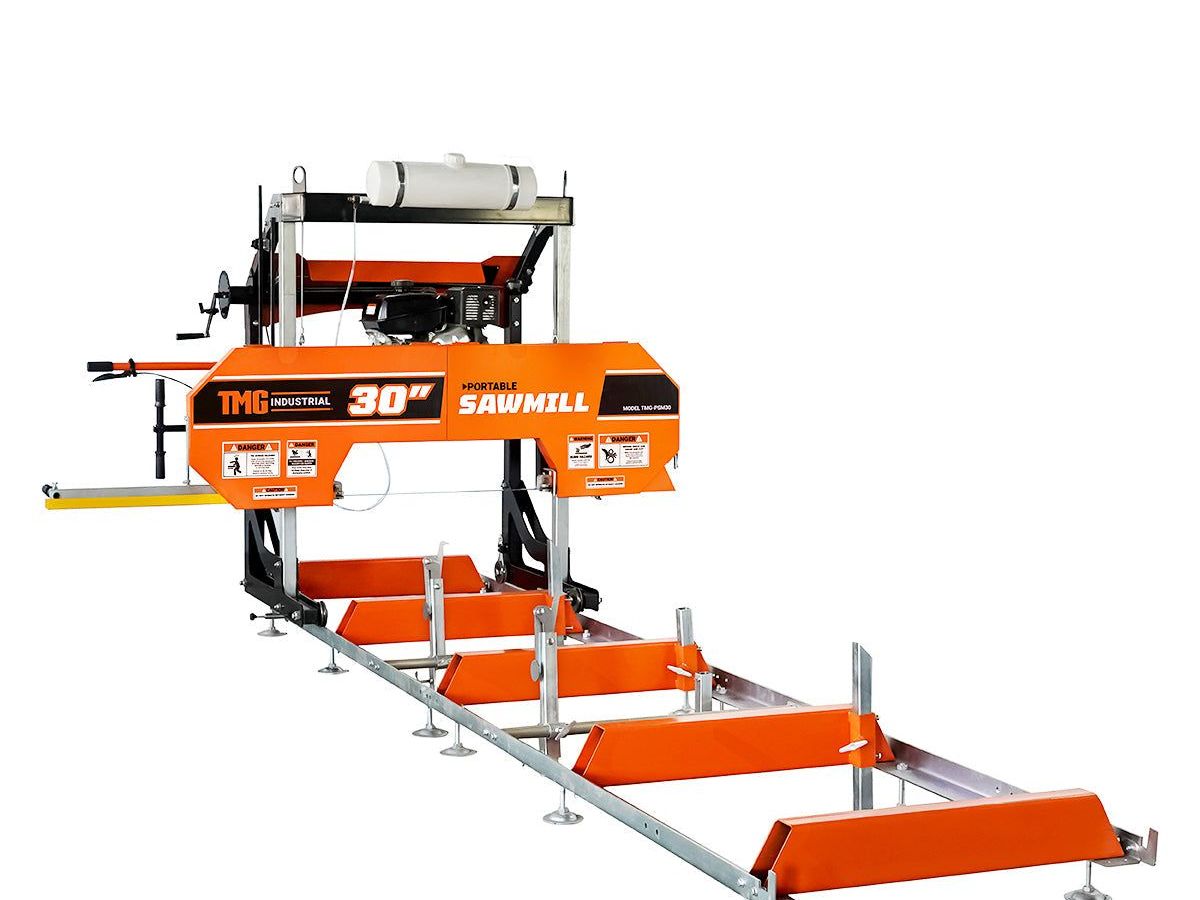
Buying a portable sawmill is like buying a car—it can range from a basic model to a luxury one. Think about what you need it for before diving in. Are you just cutting a few logs here and there, or are you planning to run a small business? Entry-level sawmills are great for the weekend warrior, while the high-end models are perfect for those who need something more robust.
Evaluating Long-Term Value
It’s not just about the upfront cost. Look at how much you’ll save on lumber in the long run. A good sawmill can pay for itself over time. If you’re turning trees into furniture or selling lumber, the return on investment can be pretty sweet. Plus, you get to work at your own pace and create what you want.
Budgeting for Your Sawmill
Before you get too excited, set a budget. Figure out what you’re willing to spend and stick to it. Consider the extras too—like blades and maintenance. It’s easy to get carried away when you see all the cool features, but remember, it’s about what you need, not just what you want. A little planning goes a long way in making sure you don’t overspend.
Maintenance Tips for Longevity
Routine Maintenance Practices
Keeping your portable sawmill in tip-top shape is all about regular check-ups. Think of it like brushing your teeth, but for your sawmill. A quick clean after each use can save you a lot of hassle down the road. Make sure to give the blades some love by cleaning off any sawdust and moisture. Applying a light coat of oil can prevent rust and keep things running smoothly.
Troubleshooting Common Issues
Sometimes, things go south, and your sawmill might act up. If the cuts aren’t straight, check the alignment first. It’s a simple fix that can make a huge difference. If the engine sounds funny, it might be time to check the oil or look for any blockages. Don’t ignore the little noises; they can be big clues.
When to Seek Professional Help
There comes a time when DIY fixes just won’t cut it. If you’ve tried all the tricks and your sawmill is still acting up, it might be time to call in the pros. They can spot issues you might miss and help avoid bigger problems down the line. It’s better to be safe than sorry when it comes to your sawmill’s health.
Keeping your sawmill in good shape means less downtime and more time making sawdust. Regular maintenance isn’t just a chore; it’s the key to a long-lasting machine.
Safety First: Operating Your Sawmill
Essential Safety Gear
Before you even think about firing up your sawmill, make sure you’ve got your safety gear on lock. A good helmet, ear protection, and sturdy gloves are non-negotiable. It’s like your armor against flying wood chips and loud noises.
Safe Operating Procedures
Operating a sawmill isn’t just about cutting wood; it’s about doing it safely. Always double-check your equipment before starting. Keep the work area clean and clear of debris to avoid any mishaps.
Emergency Protocols
Even with all precautions, accidents can happen. Know your emergency protocols like the back of your hand. Have a first aid kit nearby and make sure you know how to shut off the sawmill quickly in case something goes wrong.
Safety isn’t just a checklist—it’s a mindset. Keep your focus sharp and your awareness sharper when you’re around heavy machinery.
Real Stories from Sawmill Owners
Success Stories and Challenges
So, I got this portable sawmill thinking it’d be a breeze. Boy, was I wrong! First time setting it up, I had logs rolling all over the place. But after a few tries, I finally got the hang of it. Now, I’m turning trees into tables like a pro.
Creative Uses for Sawmill Lumber
I’ve seen folks do some wild stuff with their sawmill cuts. One buddy of mine made a whole cabin out of reclaimed wood. Another friend crafted a sweet treehouse for his kids. It’s like, once you start sawing, the ideas just keep coming.
Lessons Learned from Experience
Here’s the deal, you’re gonna mess up. I’ve snapped blades, miscut logs, and even got my saw stuck. But each mistake taught me something. Now, I keep a spare blade handy and double-check my setup every time. It’s all part of the learning curve.
Environmental Impact and Sustainability
Sawmills and Sustainable Forestry
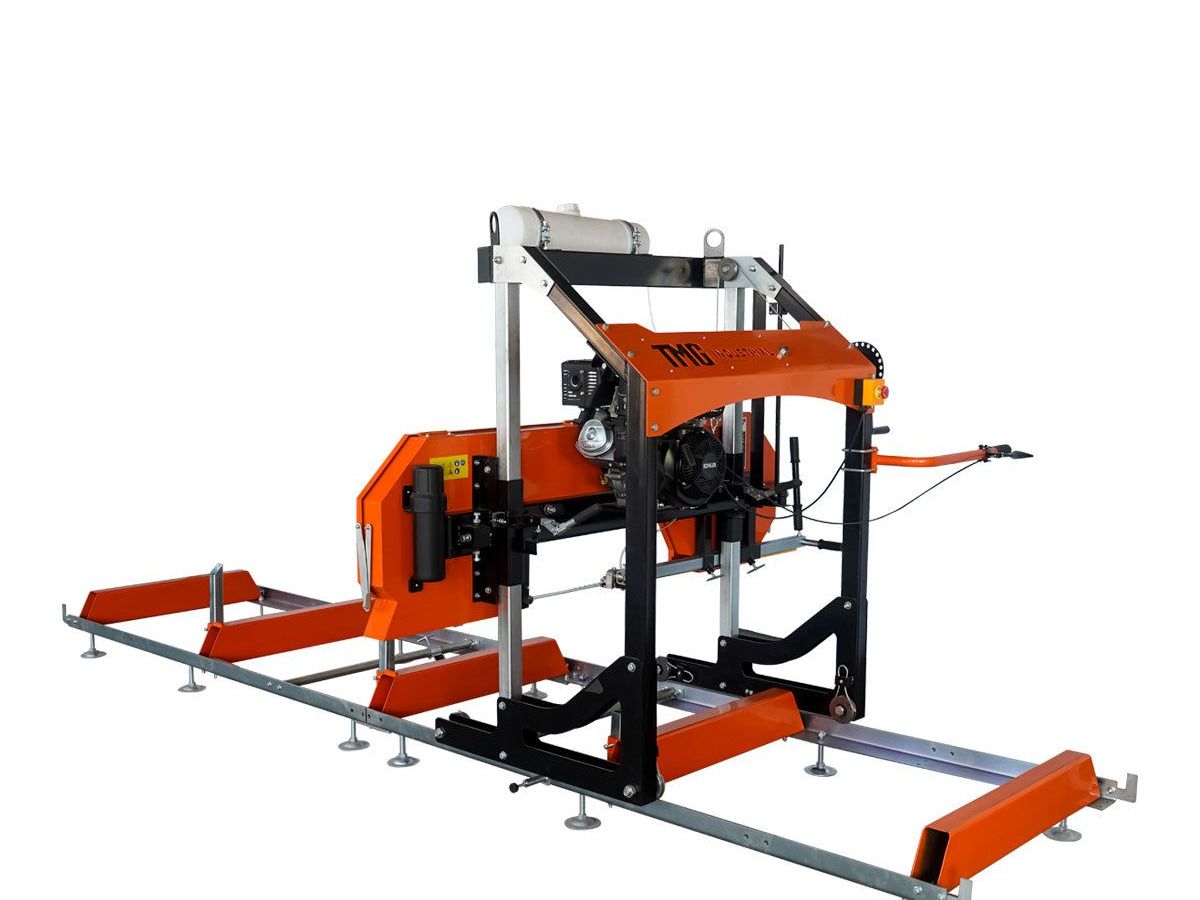
Ever thought about how portable sawmills fit into sustainable forestry? These handy machines cut down on waste by turning fallen trees into usable lumber right on the spot, making them a smart choice for eco-friendly folks.
Reducing Waste with Portable Sawmills
Portable sawmills are all about being efficient. They slice and dice logs with minimal waste, which is awesome for the environment. Less waste means more trees saved.
Eco-Friendly Practices for Sawmill Owners
Owning a portable sawmill comes with some green responsibilities. You gotta clean up after yourself, use sustainable logging practices, and maybe even plant a tree or two. It’s about giving back to nature while getting the most out of it.
Operating a portable sawmill isn’t just about making lumber; it’s about making a difference. By choosing sustainable practices, you’re helping to preserve forests for future generations.
- Consider using biodegradable oils for your equipment.
- Always clear up any debris after milling.
- Support local forestry initiatives whenever you can.
The environment is important for our future, and we all need to do our part to protect it. By choosing sustainable products and practices, we can help reduce our impact on the planet. Visit our website to learn more about how you can make a difference and find eco-friendly options that suit your needs!
Wrapping It Up: Your Sawmill Journey
So, there you have it! Choosing the right portable sawmill can feel like a big task, but it doesn’t have to be. Just remember to think about what you really need. Are you looking for something simple for small projects, or do you want a powerful machine for bigger jobs? Take your time to compare options, check out the features, and don’t forget to consider your budget. With the right sawmill, you can turn those fallen trees into beautiful lumber and save money while doing it. Happy milling!
Frequently Asked Questions
What is a portable sawmill?
A portable sawmill is a machine that cuts logs into lumber right where the trees are. It helps people use wood from their own land.
How does a portable sawmill work?
Portable sawmills use a saw blade that moves back and forth to cut through logs. You can control the depth and speed of the cut.
What are the benefits of using a portable sawmill?
Using a portable sawmill lets you save money on lumber, use wood from your property, and create custom-sized boards for projects.
What types of portable sawmills are available?
There are three main types: manual sawmills, hydraulic sawmills, and fully automated sawmills. Each type has different features and costs.
How much does a portable sawmill cost?
Prices for portable sawmills can range from about $2,000 to $30,000, depending on the type and features.
What should I consider when choosing a portable sawmill?
Think about the engine power, cutting capacity, and blade system. These features affect how well the sawmill will work for you.
How can I maintain my portable sawmill?
Regularly check the blades, clean the machine, and follow the manufacturer’s maintenance tips to keep your sawmill running well.
What safety gear do I need for operating a portable sawmill?
Always wear safety goggles, ear protection, and gloves. Following safe operating procedures is also very important.