Starting a sawmill operation can be a rewarding venture, especially with the right tools and knowledge. Portable log mills for sale offer flexibility and efficiency for both hobbyists and small businesses. This guide will help you understand the essentials of setting up and running a successful sawmill operation, ensuring you make the most of your investment.
Key Takeaways
- Portable log mills allow you to cut lumber right where the trees are, saving time and effort.
- Choosing between manual and hydraulic sawmills depends on your needs and budget.
- A solid setup and clean logs are crucial for high-quality cuts and efficiency.
- Understanding your market can help you sell your lumber effectively.
- Sustainable practices not only help the environment but can also attract more customers.
Understanding Portable Log Mills for Sale
What Makes Them Portable?
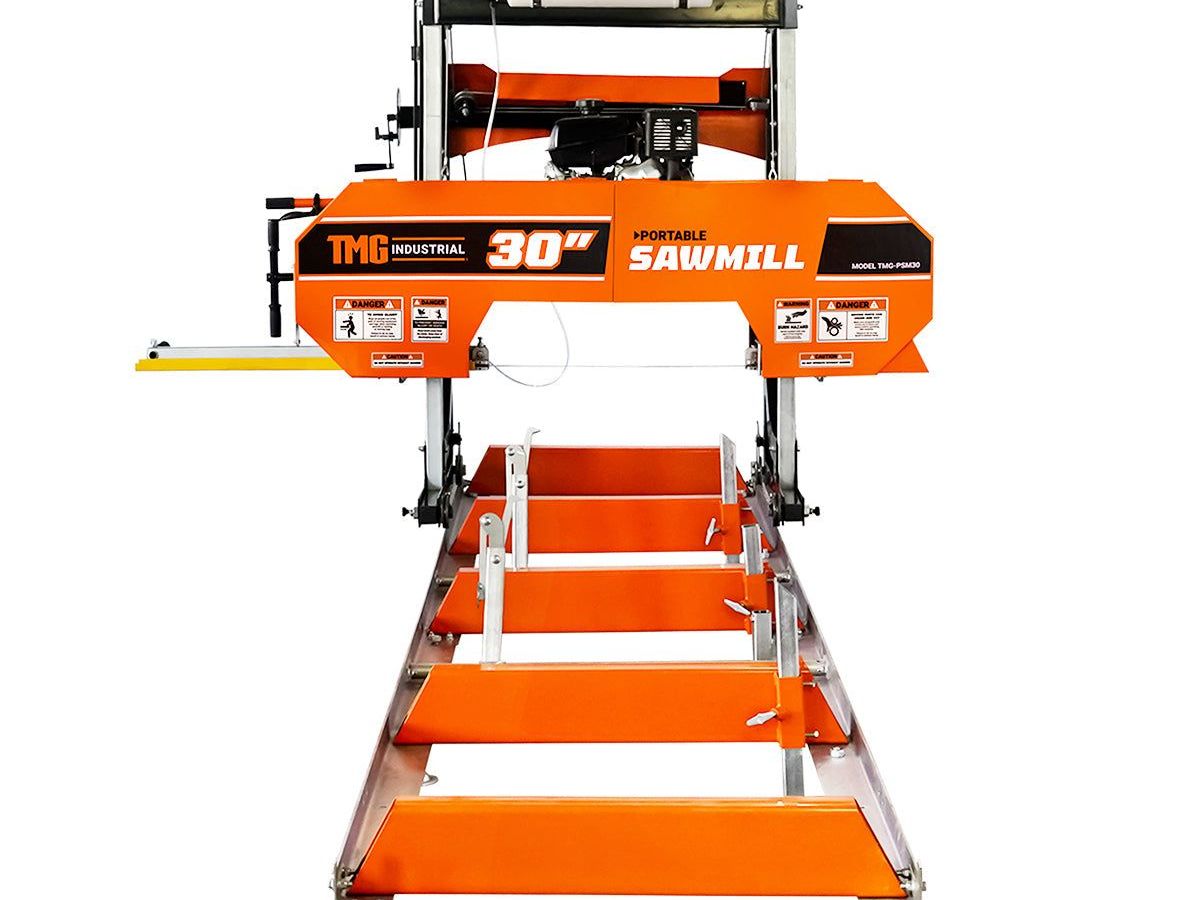
Portable sawmills are all about mobility. I mean, these things are built to be moved around, right? You can take them to wherever the logs are, instead of hauling the logs to a stationary mill. That’s the whole point. They usually come with wheels or are lightweight enough to be transported by a truck or trailer.
Key Features to Look For
When you’re checking out portable saw mills for sale, keep an eye out for some key features. First, look at the engine power—more horsepower means faster cutting. Then, check the cutting capacity; you want to know the max log diameter it can handle. Also, consider the portability factor—how easy is it to set up and move?
Benefits of On-Site Milling
On-site milling with a portable log mill saves time and money. No need to transport heavy logs long distances, which is a huge pain. Plus, you can cut the lumber to the exact specs you need right there. It’s super convenient and efficient, especially for custom projects.
Using a portable sawmill is like having a lumberyard at your fingertips. You get to maximize your resources and minimize your waste, making it a win-win for both your pocket and the environment.
Choosing the Right Sawmill for Your Needs
Manual vs. Hydraulic Systems
So, you’re diving into the sawmill world, huh? One of the first things you’ll bump into is deciding between manual and hydraulic systems. Manual systems give you more control, but they need more elbow grease. Hydraulic ones? They do the heavy lifting, but you might miss that hands-on feel.
Horsepower Considerations
Next up, horsepower! Think of it like the engine in your car. More horsepower means more cutting power. If you’re planning to saw through some thick logs, you’ll want something beefy. But for smaller jobs, you can save a bit by going with less.
Log Diameter and Length Capacity
Don’t forget about the size of logs you’ll be working with. Check the sawmill’s capacity for both diameter and length. If you’re eyeing those big trees, make sure your mill can handle them. Otherwise, you might end up with a sawmill that can’t cut it (literally).
Remember, the best portable sawmill is the one that fits your needs perfectly. It’s not always about having the biggest or most powerful; it’s about finding the best portable sawmill for the money.
Choosing the right sawmill is all about matching the tool to your needs. Whether you’re a hobbyist or aiming for a full-blown business, there’s a perfect fit out there. Take your time and think it through, because the best portable sawmill will make all the difference.
Setting Up Your Sawmill Operation
Site Selection Tips
Choosing the right spot for your sawmill is like picking a campsite. You want it flat, dry, and easy to access. Trust me, hauling logs uphill is no fun. Look for a place with good drainage so your equipment doesn’t rust or sink into the mud.
Foundation and Leveling
A solid foundation is everything. I learned this the hard way when my cuts were all wonky. Use concrete blocks or adjustable feet to keep things stable. A level mill means straight cuts, and straight cuts mean happy customers.
Essential Safety Measures
Safety first, always. Wear your goggles and gloves, and keep a first aid kit nearby. Make sure your work area is clear of clutter to avoid accidents. It’s like driving a car—stay focused and be aware of your surroundings.
Setting up a sawmill isn’t just about getting the right gear; it’s about creating a safe and efficient workspace. Take the time to set it up right, and you’ll thank yourself later.
Maximizing Efficiency with Your Sawmill
Optimizing Cutting Patterns
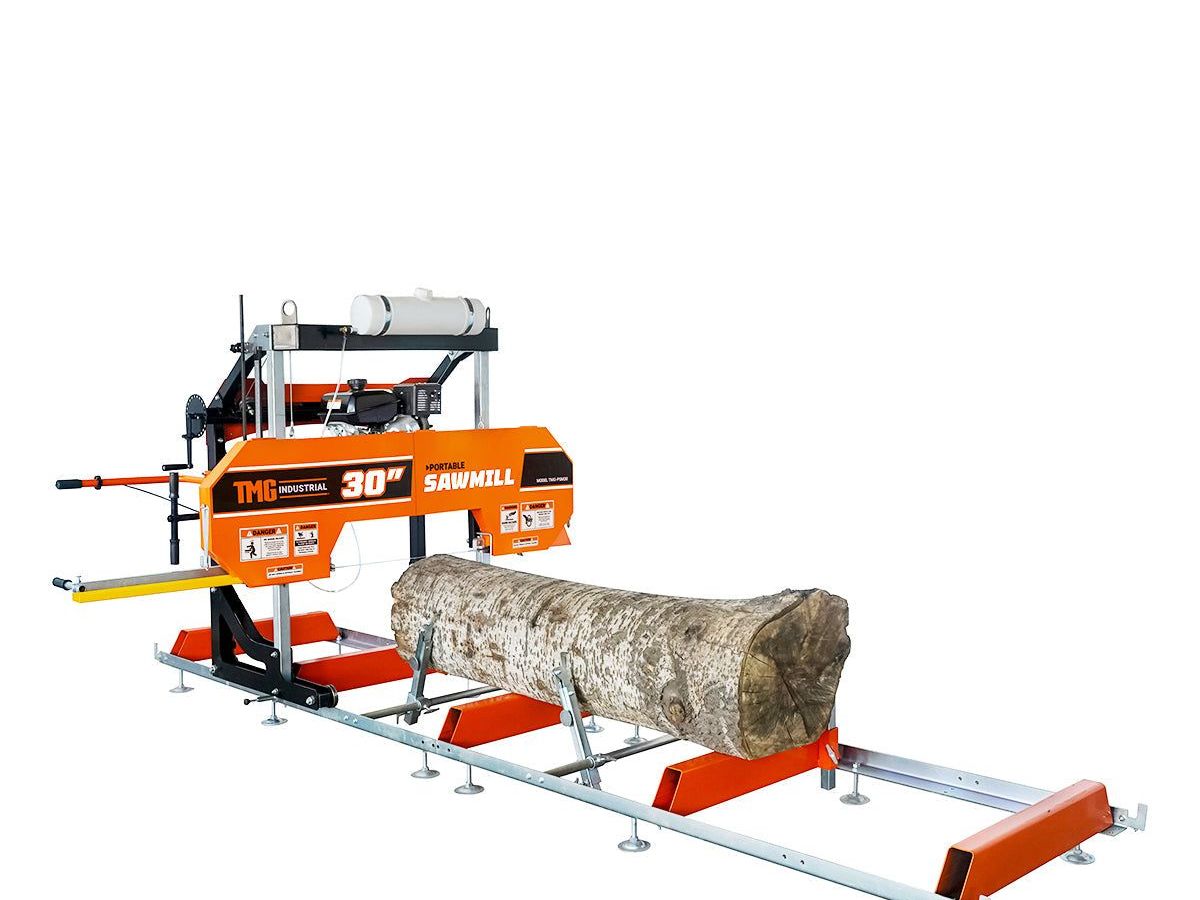
So, here’s the deal. Every log is like a puzzle waiting to be solved. You gotta think about how you’re gonna slice it to get the most out of it. Nailing the right pattern can really boost your lumber yield.
Log Preparation Techniques
Dirty logs? Big no-no. Before you cut, make sure to clean off dirt and rocks. Trust me, your blades will thank you and last way longer.
Maintaining Blade Sharpness
Keep those blades sharp, my friend. A dull blade means more work and less precision. Regular sharpening saves time and makes cutting smoother.
It’s all about making the most out of your sawmill. A little prep goes a long way in keeping things running smoothly.
Building a Successful Sawmill Business
Identifying Your Target Market
Figuring out who wants your wood is step one. Maybe it’s local builders or furniture folks. Knowing your buyers helps you cut the right stuff.
Marketing Your Lumber Products
Once you know your market, it’s time to get the word out. Use social media, word of mouth, or even old-school flyers. A good story about your wood can sell it.
Managing Costs Effectively
Keep an eye on every penny. Track your expenses like fuel and maintenance. A simple spreadsheet can do wonders. Cutting costs means more cash in your pocket.
Always remember, a sawmill business is a marathon, not a sprint. Keep learning and adapting to stay ahead.
Sustainable Practices in Sawmill Operations
Utilizing Local Timber Resources
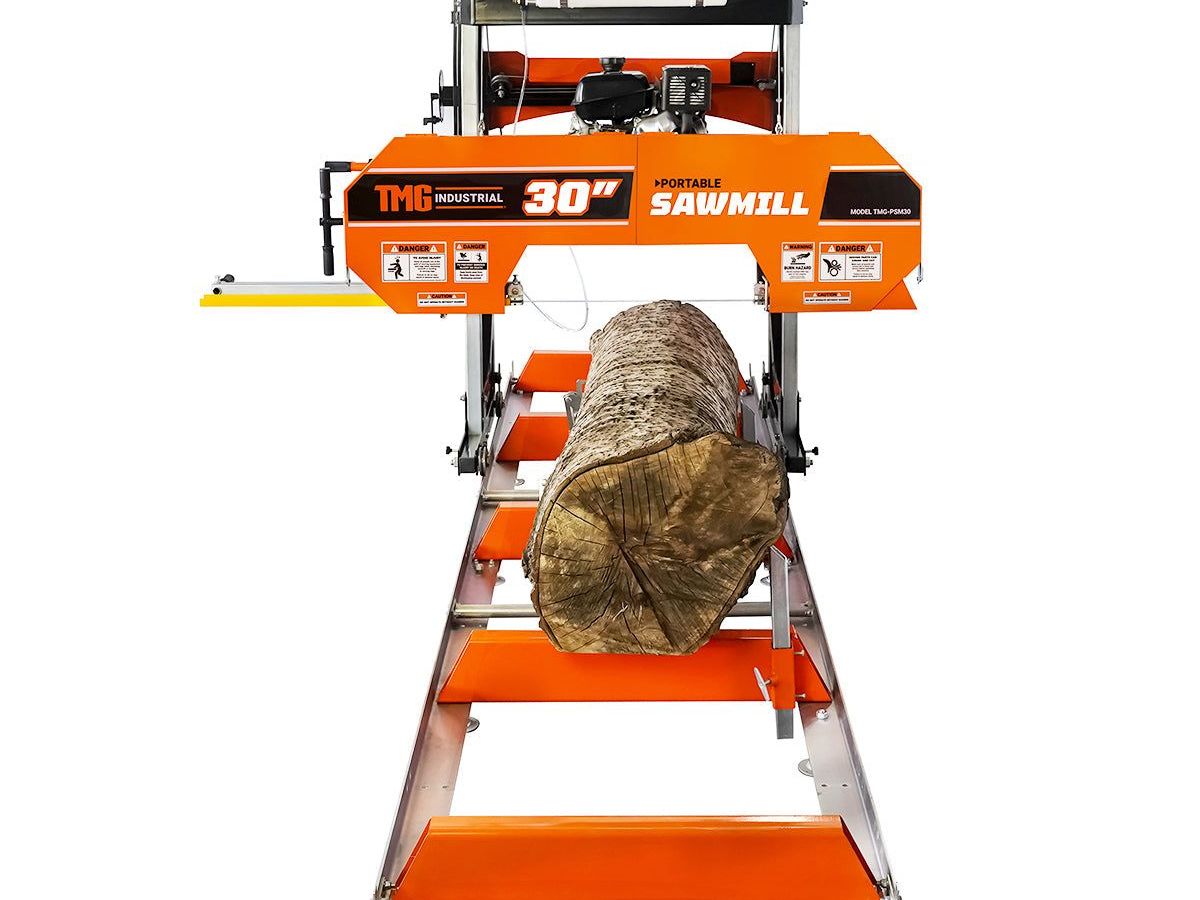
Using local timber is a smart move. It cuts down on transportation emissions and supports the local economy. Plus, you get to work with unique wood species that big mills might ignore.
Minimizing Waste and Maximizing Yield
Waste not, want not. Careful planning can turn offcuts into wood chips or even biomass fuel. This approach not only saves money but also helps the environment.
Eco-Friendly Business Strategies
Going green is more than a trend. It’s about integrating circular economy principles like repurposing sawdust for fuel. This not only reduces waste but also boosts your sustainability game.
Running a sustainable sawmill isn’t just good for the planet—it’s good for business. Customers love eco-friendly practices, and it sets you apart from the competition.
Enhancing Your Sawmill’s Capabilities
Adding Value with Custom Cuts
So, you wanna stand out with your sawmill? Offer custom cuts! Clients love unique designs and sizes. It’s like giving them a blank canvas. Custom cuts can really boost your business.
Offering Additional Services
Why stop at just milling? Think about offering extra services like drying or delivery. It’s all about convenience for your customers. You could even provide wood storage or project consulting. These little extras can really set you apart.
Investing in Upgrades
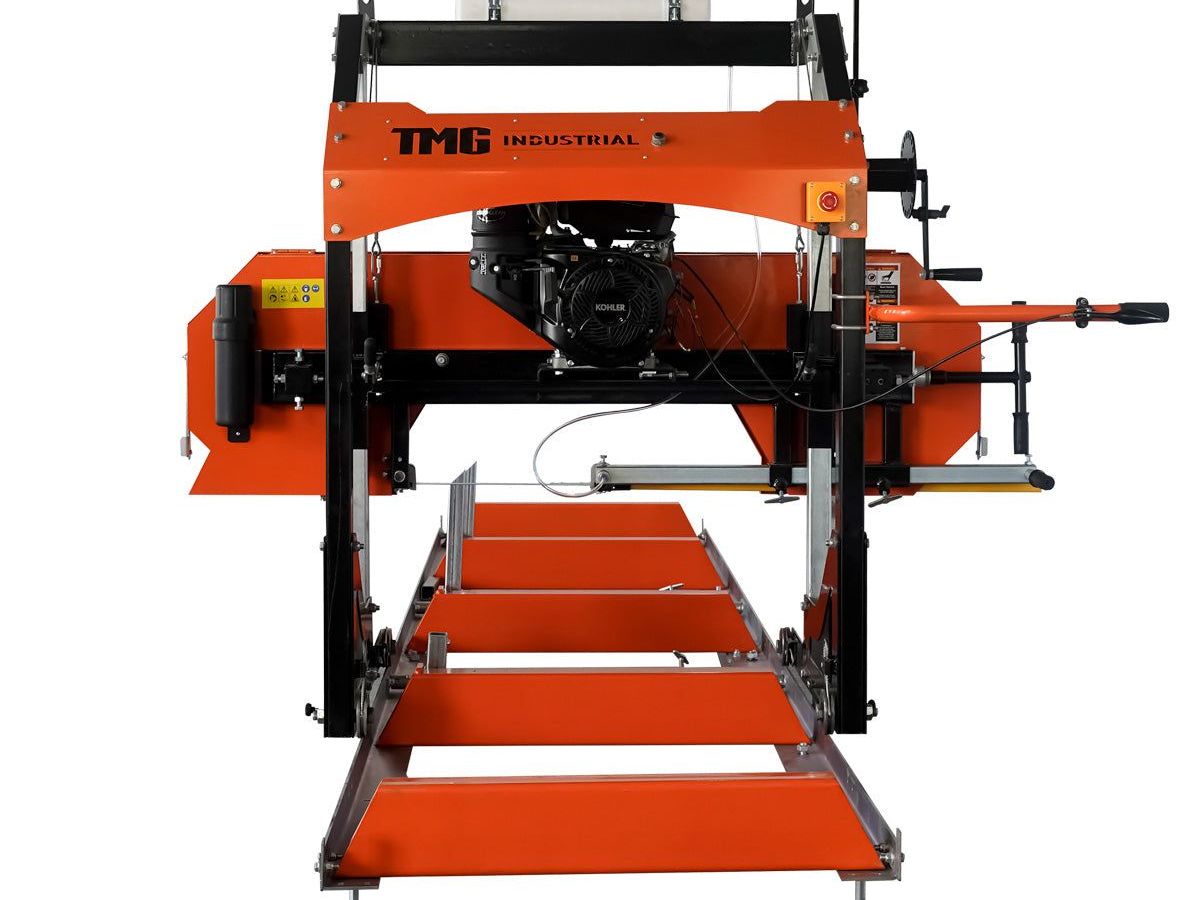
Upgrades aren’t just for tech. A better blade or a more powerful engine can make a huge difference. Keeping your equipment updated means smoother operations and happier customers. Plus, who doesn’t love new gear?
Remember, in the sawmill world, every little enhancement can lead to big opportunities. Keep pushing the boundaries and watch your sawmill thrive.
Troubleshooting Common Sawmill Issues
Dealing with Mechanical Failures
So, your sawmill’s acting up, huh? First thing, check for a tripped breaker or any loose connections. If that doesn’t work, look at the temperature controller; it might not be closing contacts to start the heating. Sometimes, it’s just a matter of tightening a bolt or two.
Addressing Cutting Inaccuracies
Ever notice your cuts aren’t as straight as they should be? Blade tension is usually the culprit. Make sure it’s just right. Also, keep an eye on the blade sharpness. Dull blades? Yeah, they can ruin your day and your lumber.
Improving Operational Workflow
Running a smooth operation is key. Set up a routine check for all moving parts, and don’t forget regular maintenance. A quick look at the user manual can save you hours of headache. If you’re stuck, don’t hesitate to get professional help.
Future Trends in the Sawmill Industry
Growing Demand for Custom Lumber
Alright, so everybody’s into custom stuff these days, right? People want their wood unique, like their morning coffee orders. Custom lumber is getting big. Folks want wood that’s just the right size and style for their projects, and sawmills are stepping up to deliver.
Innovations in Sawmill Technology
Tech’s moving fast, even in sawmills. We’ve got smart saws and gadgets that make cutting wood easier and more precise. It’s like having a smartphone but for logs. This tech not only speeds things up but also makes the whole process a lot safer and cleaner.
Adapting to Market Changes
Markets change like the weather, and sawmills gotta keep up. Whether it’s new eco-friendly practices or shifting demands for certain types of wood, staying ahead is key. Being flexible means survival. Those who adapt will thrive, while others might just fade away.
The sawmill world is changing, and those who keep up with trends will find new opportunities knocking at their door.
Success Stories from Sawmill Owners
Starting out, I was clueless about sawmills. But learning by doing was key. I messed up a lot, but each mistake taught me something. Now, I cut wood like a pro.
Innovative Uses for Portable Sawmills
I thought sawmills were just for lumber. Turns out, they can do so much more. From crafting unique furniture pieces to creating art installations, the possibilities are endless.
Community Impact and Growth
Running a sawmill isn’t just about the wood. It’s about the people. I’ve built strong connections in my community, providing jobs and supporting local projects. It’s rewarding to see how much a sawmill can contribute to local growth.
Many sawmill owners have turned their dreams into reality with our equipment. They have shared amazing stories of how our sawmills helped them create beautiful wood products and run successful businesses. If you want to learn more about these inspiring journeys and see how you can start your own, visit our website today!
Wrapping It Up: Your Sawmill Adventure Awaits
So, there you have it! Starting your sawmill journey can be exciting and rewarding. Remember, you don’t have to dive in headfirst. You can start small and grow at your own pace. Whether you’re doing this for fun or planning to turn it into a business, the tips we’ve shared will help you along the way. Every expert sawyer was once a beginner, just like you. So, take that first step with confidence! Keep your mind open and always be ready to learn. Each log you cut has its own story, and your sawmill is the tool that helps you uncover it. Don’t forget to revisit this guide as you progress; you might find new ideas each time you read it. If you’re ready to get started, focus on finding the right equipment for your needs. Always prioritize safety, and most importantly, enjoy the process of turning raw logs into beautiful lumber. The joy of creating your own wood products is something you’ll cherish, just like I do with every log I mill.
Frequently Asked Questions
What is a portable sawmill?
A portable sawmill is a machine that cuts logs into lumber right where the trees are. It can be moved easily to different locations.
What should I look for when buying a portable sawmill?
Look for features like the type of engine, log size capacity, and whether it has manual or hydraulic systems for easier operation.
What are the benefits of using a portable sawmill?
Using a portable sawmill saves time and money by allowing you to cut wood on-site, reducing the need to transport logs to a mill.
How do I maintain my sawmill?
Regularly check and sharpen the blades, keep the machine clean, and follow the manufacturer’s maintenance schedule to ensure it runs well.
Can I use a portable sawmill for commercial purposes?
Yes, many people use portable sawmills for small businesses, making custom cuts and selling lumber locally.
What types of wood can I cut with a portable sawmill?
You can cut various types of wood, including hardwoods and softwoods, depending on the sawmill’s specifications.
How much does a portable sawmill cost?
Prices vary widely, but you can find models ranging from a few thousand dollars for basic models to over $12,000 for professional-grade machines.
Can I learn to operate a sawmill easily?
Yes! Many users start with no experience. There are plenty of resources, including manuals and online guides, to help you learn.