Reversible vibratory plate compactors are essential tools in construction, making soil compaction easier and more efficient. These machines can move forward and backward, allowing for better control and faster work. In this guide, we will explore the key points about using these compactors, including their features, benefits, and maintenance tips.
Key Takeaways
- Reversible vibratory plate compactors save time and money on construction projects.
- They provide better control in tight spaces compared to traditional models.
- These compactors can handle various soil types, making them versatile for different jobs.
- Regular maintenance is crucial for keeping your compactor in good working order.
- Understanding compaction force helps maximize efficiency during operation.
Why Reversible Vibratory Plate Compactors Are Game Changers
Alright, let’s dive into what makes reversible vibratory plate compactors tick. These machines are like the Swiss Army knives of compactors. They move forward and backward without needing a full turn-around. Imagine the control you have in tight spots!
These compactors outshine the old-school models by a mile. You get better control, less operator fatigue, and more precise compaction. It’s like having an extra pair of hands on the job.
You see these bad boys in action on construction sites, road works, and landscaping projects. They’re perfect for compacting soil, gravel, and even paving stones. If you’ve got a tricky spot to work on, a reversible compactor is your best buddy.
Key Features of a Reversible Vibratory Plate Compactor
Engine Power and Efficiency
So, when it comes to the engine, you want something that packs a punch, right? A reversible plate compactor usually comes with a powerful engine, often gas-powered, to handle tough jobs. The engine’s efficiency is key because it dictates how well the compactor performs and how much fuel it guzzles.
Plate Size and Material
The size and material of the plate are super important. A larger plate covers more ground, making your job quicker. Most reverse plate compactors have plates made from durable materials to withstand the pressure and wear.
Control and Maneuverability
Control is everything, especially in tight spaces. A forward and reverse plate compactor lets you switch directions without turning it around, which is a game-changer. This feature makes handling easier and reduces fatigue, letting the machine do the hard work.
Choosing the Right Reversible Vibratory Plate Compactor for Your Project
Assessing Project Needs
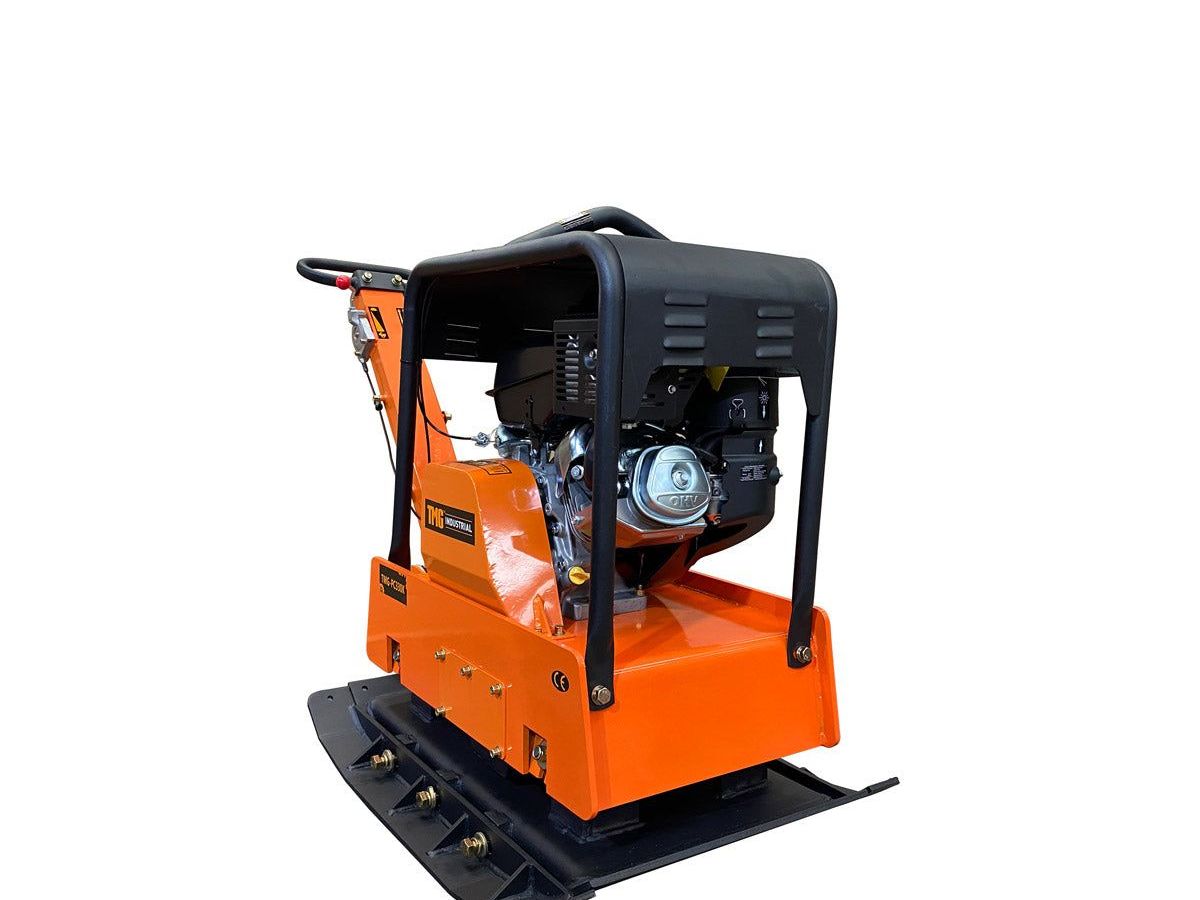
Alright, so first things first, you gotta figure out what your project really needs. Are you working on a tiny backyard or a massive construction site? This will help you decide the size and power of the compactor. Don’t just guess; take a good look at the area and the type of soil you’re dealing with.
Comparing Models and Brands
Next up, it’s time to compare different models and brands. Some compactors are built for heavy-duty work, while others are more for light tasks. Check out the features like engine power and plate size. Ammann’s vibratory plates offer a range of options for different applications.
Budget Considerations
Finally, let’s talk money. You don’t wanna blow your budget, but you also don’t want to end up with a compactor that can’t handle the job. Think about whether you should buy or rent. Remember, owning a compactor can save you cash in the long run if you use it a lot. But if it’s a one-time thing, renting might be the way to go. Consider hidden costs like maintenance and storage when making your decision.
How to Operate a Reversible Vibratory Plate Compactor Safely
Before starting up your reversible vibratory plate compactor, there are a few things to check. Make sure the oil level is good because low oil can mess up the engine fast. Take a look at the belts for any cracks or wear. You want clean fuel, and the tank should be at least a quarter full.
Operating these machines isn’t rocket science, but there are some tricks. Start slow and let the machine do its thing. You don’t need to force it. Overlapping your passes by about a third and working in straight lines can make a big difference.
Avoiding mistakes is key when you’re new to this. Don’t operate on steep slopes because that’s just asking for trouble. Keep clear of edges and always be aware of your surroundings. And remember, these machines are loud, so ear protection is a must.
Safety first, folks. Hospital bills aren’t cheap, and a little caution goes a long way.
Maintenance Tips for Longevity of Your Compactor
Regular Cleaning and Inspection
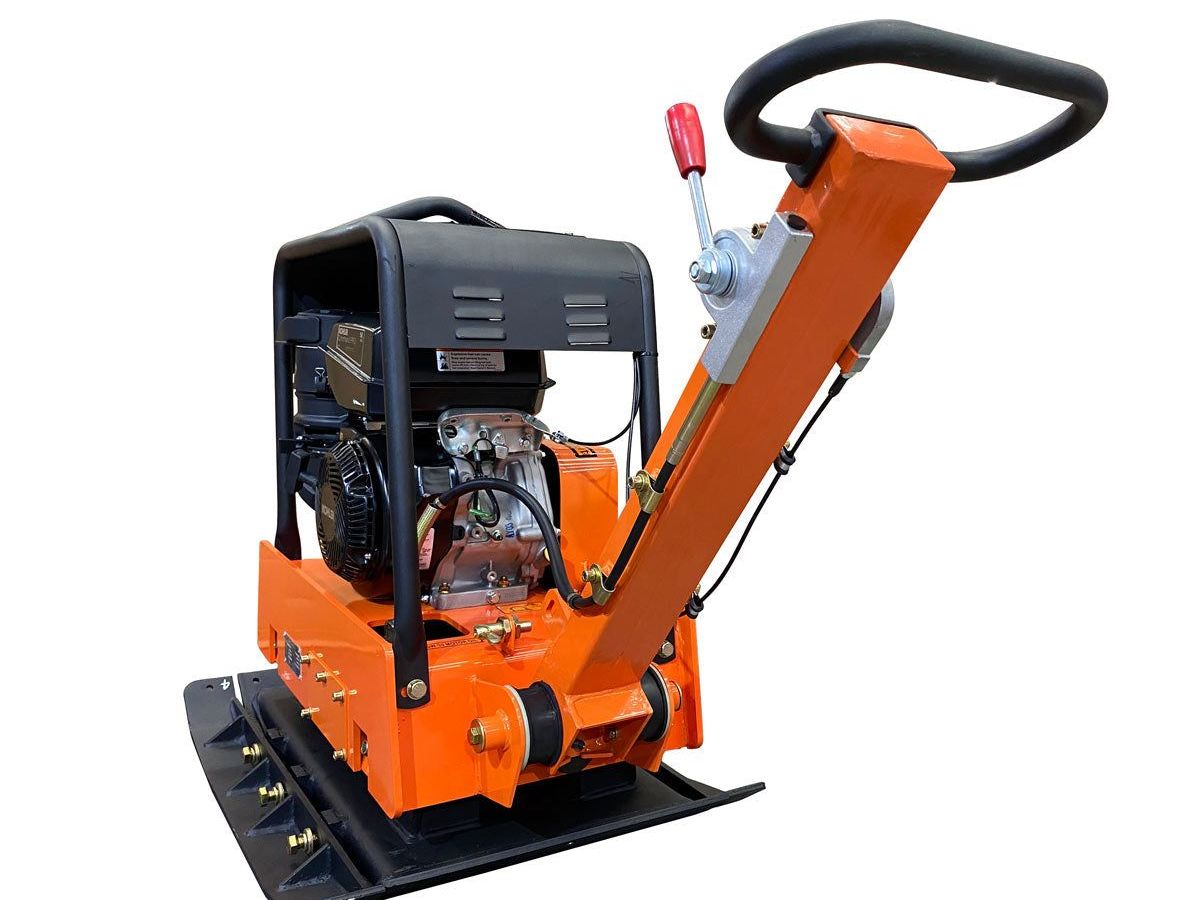
Keeping your compactor clean is like giving it a spa day. A quick wipe down after each use can prevent dirt from building up. Don’t forget to check for any loose bolts or worn-out parts. Regular inspection keeps your machine running smoothly.
Engine Maintenance
Your compactor’s engine is its heart. Treat it right by changing the oil regularly and using clean fuel. A well-maintained engine means fewer breakdowns and more work done.
Storage Best Practices
Store your compactor in a dry place. Moisture can cause rust and other damage. Cover it up if you can. A little effort in storage goes a long way.
Taking care of your compactor isn’t just about keeping it clean; it’s about making sure it lasts. A little maintenance now saves a lot of headaches later.
Common Problems and Troubleshooting Tips
Engine Issues
Sometimes, the engine just won’t start and it’s super frustrating. Check the oil level first because low oil can trigger a shutdown. Dirty carburetors and bad spark plugs are also usual suspects. If all else fails, fuel issues might be the culprit.
Vibration Problems
When the machine’s shaking feels off, it’s time to check a few things. Loose belts are often the cause, or it could be worn bearings. Make sure the eccentric is balanced and the shock mounts aren’t busted.
Plate Wear and Tear
Over time, the plate can get pretty beat up. If you notice uneven compaction, it might be due to a worn plate. Keep an eye on the plate’s condition and replace it if necessary to maintain effective compaction.
Regular checks can save you a lot of headaches. Keeping up with maintenance helps avoid these common problems and keeps your compactor running smoothly. It’s like taking care of a car; a little effort goes a long way.
Innovations in Reversible Vibratory Plate Compactors
Latest Technological Advancements
So, reversible compactors are getting pretty high-tech these days. Real-time density feedback is a thing now, letting operators know exactly how well the compaction is going. Electric models are popping up too, which is great for those looking to cut down on emissions. And, there are smart controls that make the whole process smoother.
Eco-Friendly Features
These forward reverse plate compactors are going green! We’re talking lower emissions, reduced noise, and better fuel efficiency. Some models even use eco-friendly fluids. It’s all about making these machines more sustainable without losing power.
Future Trends to Watch
Keep an eye out for smart features like compaction mapping and auto-adjustment systems. Remote monitoring and data logging are becoming standard, making it easier to track performance. By 2026, these features will be everywhere. These innovations are turning the reversible plate into a must-have for anyone serious about construction.
Understanding Compaction Force and Its Impact
What is Compaction Force?
So, compaction force is like the muscle behind those vibratory plate compactors. It’s the pressure they use to pack down the ground. Think of it as the weight they throw around to make sure the soil stays put. More force means better compaction for those heavy-duty jobs.
How It Affects Different Soils
Different soils react differently when you start compacting. Sandy soils? They love it, get all firm and nice. But clay soils? They’re a bit tricky, can get all sticky and weird. Knowing your soil type helps you get the best results.
Maximizing Efficiency
Wanna get the most out of your compactor? Make sure you’re using the right settings for the job. Adjust the speed and force based on what you’re working with. It’s all about making that machine work smarter, not harder.
Tip: Check the compaction force in kilonewtons (kN) to know how effective your machine is. Learn more about the importance of high compaction force.
The Cost-Benefit Analysis of Owning vs. Renting
Initial Investment vs. Long-Term Savings
Buying a compactor means a big upfront cost, but it pays off over time if you use it a lot. Renting, on the other hand, is great for short-term needs. Owning gives you control and freedom to use the equipment whenever you want, without worrying about rental availability.
Hidden Costs of Renting
Renting seems cheap at first, but those costs add up. Think about delivery fees, insurance, and maintenance that might not be included. Plus, if you need the machine longer than expected, those extra days can really hit your wallet.
Case Studies and Real-Life Examples
I’ve seen folks who rent end up spending more than if they just bought the thing. One guy I know rented a compactor for a year and realized he could have bought one for the same money. Owning can be a smart move if you’re using it regularly, like in road construction or big landscaping projects.
Real-Life Success Stories from Construction Sites
Foundation Projects
So, I was on this construction site, and they were using a reversible vibratory plate compactor for the foundation work. The contractor swore it paid for itself in just a few months. They were prepping the base, compacting backfill, and even working around footings without any hiccups. Pretty neat, right?
Road Construction
Okay, picture this: a busy road construction site. They used these compactors for sub-base work and asphalt patching. The crew said it made their job way easier and quicker. Less maintenance on the roads, which is a win for everyone.
Utility Work
Utility work can be a pain, but not with these machines. They handle trench compaction and pipeline bedding like a champ. Around manholes and existing utilities? No problem at all. It’s like they were made for this kind of stuff.
Using a reversible vibratory plate compactor can seriously speed up your project and make things smoother. It’s like having a reliable buddy on the job site who’s always ready to work.
Environmental Impact of Using Reversible Vibratory Plate Compactors
Emission Standards Compliance
So, here’s the scoop. These compactors are designed to meet strict emission standards. That’s a big deal because it means less pollution when you’re out there working. It’s like doing your bit for the planet while getting the job done.
Noise Pollution Reduction
Ever worked with loud machines? It’s a headache, literally. But with these compactors, noise levels are way down. You can keep your hearing intact and maybe even chat with your buddy on the job site without yelling.
Sustainable Practices
Using these compactors is kind of like giving Mother Earth a high-five. They’re built to be more eco-friendly, which is just a fancy way of saying they use less fuel and make less mess. It’s a win-win for everyone involved.
Working with eco-friendly equipment doesn’t just help the environment; it also shows you’re serious about sustainability. It’s a small step that can make a big difference.
And there you have it, folks. Making the switch to these compactors is not just about getting the job done efficiently; it’s also about being responsible stewards of our environment.
Using reversible vibratory plate compactors can help reduce the negative effects on our environment. These machines are designed to compact soil efficiently, which means less energy is used and less pollution is created. By choosing eco-friendly options, we can make a difference in our communities. Visit our website to learn more about how these compactors can benefit your projects and the planet!
Wrapping It Up: Why You Need a Reversible Vibratory Plate Compactor
So, there you have it! Reversible vibratory plate compactors are not just fancy tools; they’re essential for anyone in construction. They save you time and money while making your job easier. With the ability to compact soil in both directions, you can work faster and get better results. Plus, owning one means you won’t have to keep renting, which can really add up. Whether you’re working on a big project or just need to compact some soil in your backyard, these machines are worth the investment. So, if you want to boost your efficiency and save some cash, consider getting a reversible vibratory plate compactor. Trust me, you won’t regret it!
Frequently Asked Questions
What is a reversible vibratory plate compactor?
A reversible vibratory plate compactor is a machine that helps compact soil by moving both forward and backward. This makes it very useful for construction projects.
Why should I choose a reversible model over a traditional one?
Reversible models allow for better control in tight spaces and can compact soil more efficiently, saving you time and money.
How much compaction force does a typical reversible plate compactor have?
Most reversible plate compactors can generate between 3,000 to 8,500 pounds of compaction force.
Is it better to buy or rent a compactor?
Buying a compactor can save you money in the long run. Many contractors report saving around $3,200 a year compared to renting.
Can I use a reversible plate compactor on wet soil?
It’s best to use a compactor on dry or slightly damp soil for the best results.
What types of projects can benefit from using a reversible plate compactor?
These compactors are great for foundation work, road construction, utility work, and landscaping projects.
What maintenance does a reversible plate compactor need?
Regular cleaning, engine checks, and proper storage will help keep your compactor in good shape.
Are there any safety tips for using a reversible plate compactor?
Always follow the pre-operation checklist, wear safety gear, and avoid common mistakes like operating on unstable ground.