Mastering your job site requires the right tools, and a reverse plate compactor is one of the best investments you can make. These machines offer unique advantages over traditional compactors, making them essential for various construction projects. Whether you’re a contractor or a DIY enthusiast, understanding how to use and maintain a reverse plate compactor can save you time and money. This guide will help you navigate the ins and outs of these powerful machines.
Key Takeaways
- Reverse plate compactors can operate in both forward and reverse, improving efficiency.
- They save contractors an average of $3,200 a year compared to renting equipment.
- Proper compaction can extend the life of your pavement by up to 40%.
- Daily maintenance is crucial for extending the lifespan of your compactor.
- Using the right safety gear and practices is essential to avoid accidents while operating.
Why Reverse Plate Compactors Are Game Changers
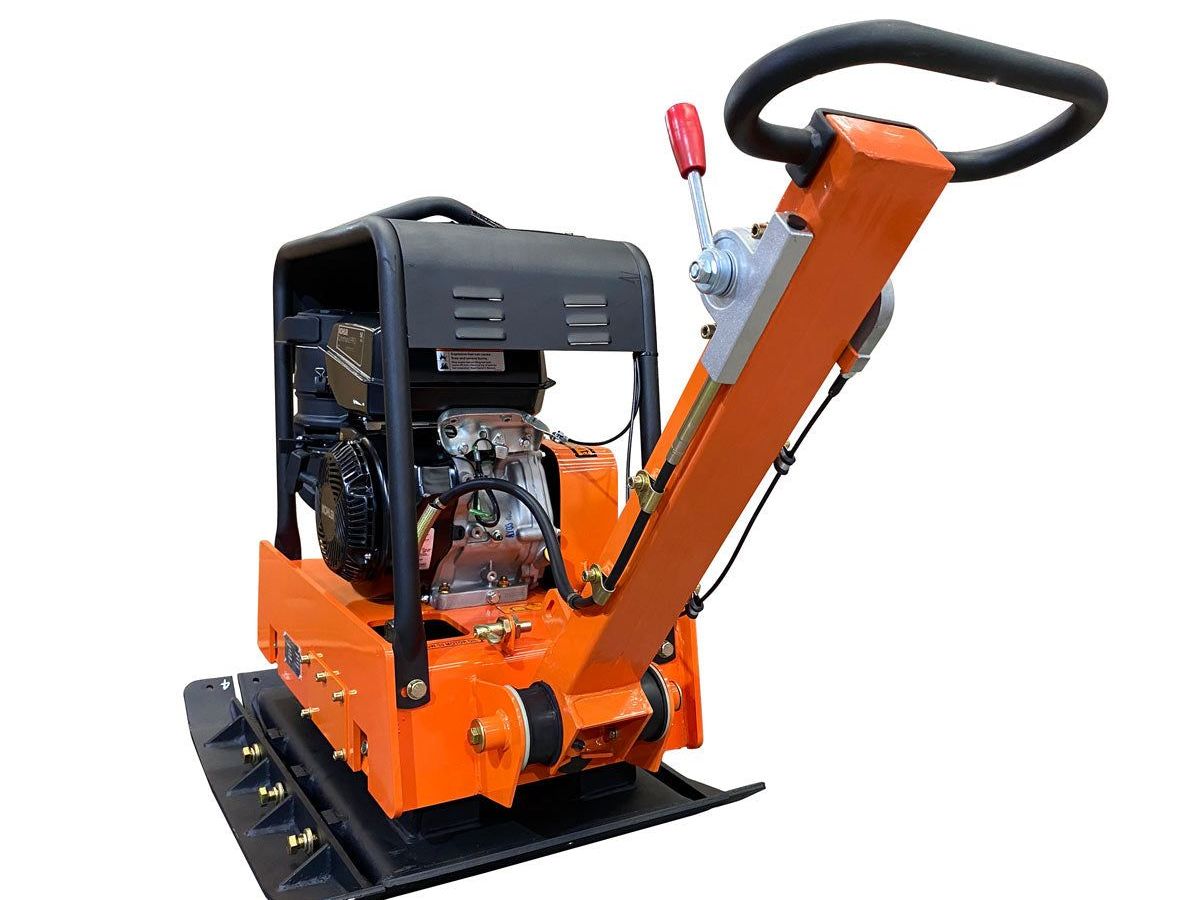
Alright, let’s break it down. Reverse plate compactors are like the cool kids on the block when it comes to construction gear. They move forward and backward without you having to flip them around. Super handy, right?
Benefits Over Traditional Models
These compactors are a big deal because they save you time and energy. You get more control, especially in tight spots. Plus, they’re less tiring to use, which means you can work longer without feeling like a zombie.
Real-World Applications
So, where do you actually use these bad boys? Think foundation work, road construction, and even landscaping. They’re perfect for jobs that need precise compaction and can handle different types of soil and terrain. Basically, if you need something solid, these are your go-to.
Choosing the Right Reverse Plate Compactor for Your Needs
Key Features to Look For
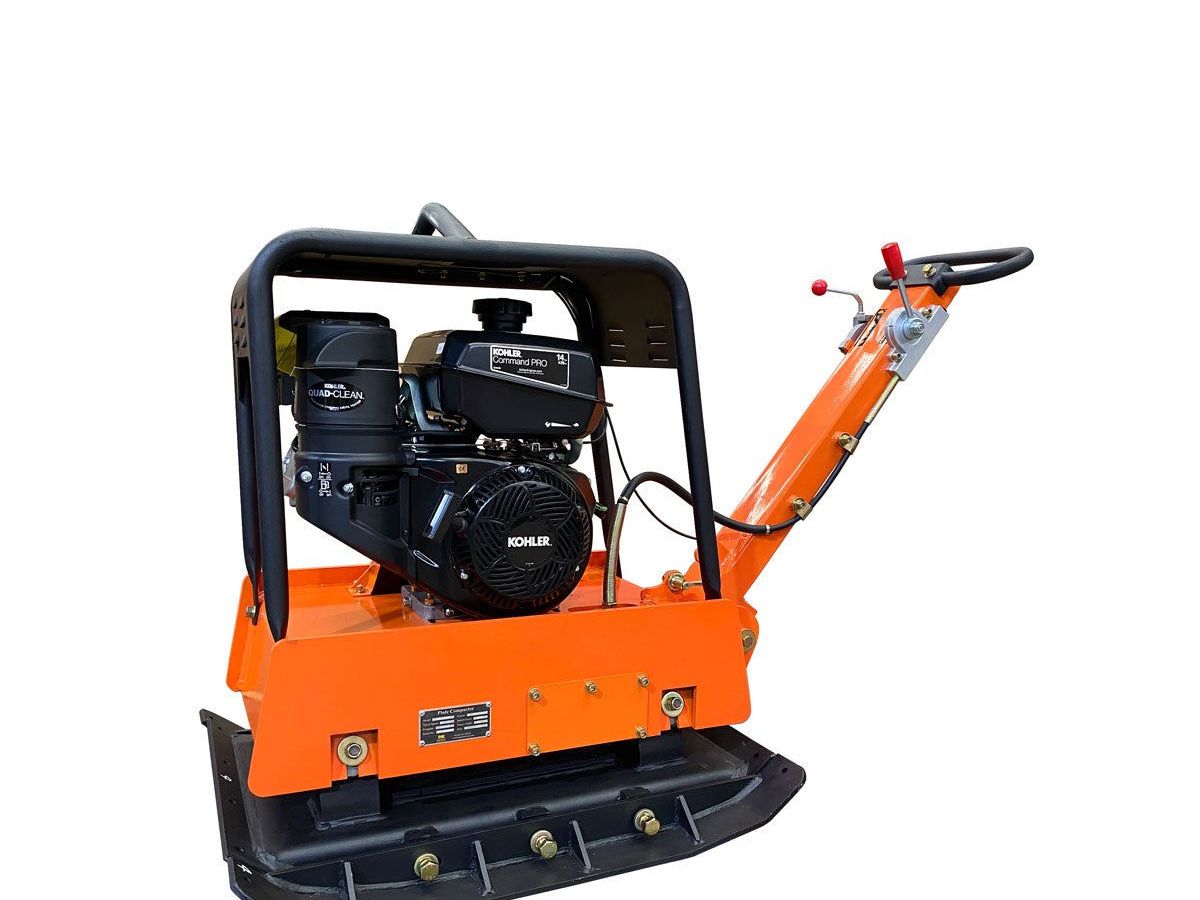
When picking a reverse plate compactor, start with the basics. Look for a model with solid compaction force, ideally between 3,000 to 8,500 pounds. A good engine, like the Kohler Command Pro, is a must for reliability. Check for features like hydraulic controls and rubber shock absorbers for smooth operation.
Top Brands in the Market
Some brands just know how to make a solid compactor. TMG Industrial and Wacker Neuson are top choices. They offer models that are built to last, making them great for both pros and weekend warriors.
Budget Considerations
Let’s talk money. While renting might seem cheap upfront, owning a compactor can save you big bucks in the long run. Renting costs add up fast, especially if you need the machine often. Buying could be a smarter move if you’re using it regularly.
How to Use a Reverse Plate Compactor Like a Pro
Start-Up Checklist
First things first, make sure you’ve got fuel in the tank and oil in the engine. Check the air filter—gotta be clean. Inspect the plate for any cracks or damage. Safety gear? Helmet, gloves, and boots are a must. Once you’re set, fire up the engine and let it idle for a bit to warm up.
Operating Tips for Best Results
When you’re ready to roll, grip the handles firmly and keep the compactor level. Move slowly, letting the machine do its thing without forcing it. Overlapping passes by about a third ensures even compaction. If you’re working on a slope, go up and down, not sideways. This helps maintain control and safety.
Common Mistakes to Avoid
Don’t rush it—speeding through can lead to uneven compaction. Avoid using the compactor on wet soil; it’s less effective and can damage the machine. Never skip the cool-down period before shutting off the engine. This prevents unnecessary wear and tear.
Operating a reverse plate compactor is all about patience and precision. Take your time, and let the machine do the heavy lifting. It’s not a race; it’s about getting the job done right.
Maintenance Tips to Extend the Life of Your Compactor
Keeping your compactor in top shape isn’t rocket science. Each day, just give it a quick once-over. Check the oil level, inspect the belts for any wear, and make sure the fuel is clean and topped off. A little daily care goes a long way.
You know that weird noise your machine makes sometimes? Don’t ignore it. If your compactor starts acting funny, like vibrating too much or not starting up right, it’s time to get it checked out. Better safe than sorry.
Sometimes, you just gotta call in the pros. If you’ve tried everything and your compactor is still giving you grief, it’s probably time to get a professional involved. They’ll have the tools and know-how to sort it out without you pulling your hair out.
Regular maintenance isn’t just a chore—it’s your ticket to a long-lasting machine. Ignore it, and you’ll be paying for it later.
Safety First: Operating Your Compactor Safely
Essential Safety Gear
Alright, let’s talk safety gear. First thing you need? Steel-toe boots. These machines are heavy, and you don’t want to mess with them. Next up, ear protection. Seriously, these things are loud. And don’t forget eye protection and a good pair of work gloves.
Safe Operating Practices
When you’re running a compactor, keep it simple. Avoid steep slopes and stay clear of edges. Always watch out for underground utilities, and keep your focus on the task at hand. It’s all about staying safe and getting the job done right.
Emergency Procedures
Now, emergencies happen. So, know your machine’s on/off switch and throttle lever like the back of your hand. In case of a jam or any issue, shut it off quickly. Remember, it’s better to be safe than sorry.
The Economics of Owning vs. Renting a Compactor
Cost Analysis
So, you’re thinking about whether to buy or rent a compactor. Owning a compactor can save you money in the long run if you’re using it a lot. Renting might seem cheaper upfront, but those costs add up quick if you need it often.
Long-Term Savings
When you own, you avoid those regular rental fees, and that can mean big savings over time. Plus, you can use it whenever you want without worrying about return deadlines.
Case Studies
I’ve heard from folks who bought their compactors and never looked back. They say it’s a game-changer for their projects. They don’t stress about last-minute rentals or availability issues anymore.
Understanding Compaction Force and Its Impact
Alright, so compaction force is like the muscle behind your compactor. It’s what pushes down on the soil to make it all nice and solid. Think of it like pressing down on a sandwich to keep everything in place.
How It Affects Your Project
When you’re working on a project, the compaction force is what ensures your foundation is strong. Without enough force, your project could end up like a wobbly table. You don’t want that, trust me.
Maximizing Efficiency
To get the most out of your compactor, you gotta know how to use that force right. It’s not just about brute strength; it’s about getting the right balance so everything’s packed down perfectly.
The Environmental Impact of Reverse Plate Compactors
So, these reversible compactors are not just about smashing dirt. They come with some pretty cool eco-friendly features. Many models meet strict EPA and CARB emission standards, which is a big win for the planet. Plus, they usually have efficient engines that burn less fuel, meaning fewer emissions.
Reducing Your Carbon Footprint
Using a reversible compactor can actually help you shrink your carbon footprint. Less fuel usage means fewer greenhouse gases. And since they work faster, you’re running the engine for a shorter time. So, it’s a win-win!
Compliance with Regulations
Staying on the right side of the law is crucial, right? These compactors help you comply with environmental regulations. They’re designed to meet all the latest standards, so you won’t have to worry about getting fined for emissions issues.
Honestly, it feels good knowing your gear isn’t just effective but also kind to the environment. It’s like doing your bit for the earth while getting the job done.
Innovations in Reverse Plate Compactor Technology
Alright, so let’s dive into what’s new with these bad boys. Reversible plate compactors are getting smarter and more efficient. Some models now come with GPS tracking and digital controls, making them easier to handle and more precise. This tech makes sure you’re not just compacting soil but doing it like a pro.
Keep an eye out for greener machines. Manufacturers are working on reducing emissions and noise levels. Plus, there’s talk about integrating AI to optimize performance. Imagine a reversible vibratory plate compactor that knows exactly how to tackle different soil types without you breaking a sweat.
These advancements mean less time and effort on the job. With features like forward and reverse capabilities, you get more done with less hassle. It’s like having a forward reverse plate compactor that’s ready to tackle any challenge. So, when you see a reversible plate compactor for sale, you know it’s packed with the latest tech to make your life easier.
Real Stories: Contractors Who Swear by Their Compactors
Success Stories
Man, let me tell you, these compactors are lifesavers. Just last month, I was on a job where the soil was a total mess. I whipped out my reverse compactor, and it was like magic. The ground was firm in no time. It’s like having a secret weapon on site.
Lessons Learned
I’ve learned the hard way that not all compactors are created equal. My first one was a dud, constantly breaking down. But once I got a reliable model, the difference was night and day. It’s important to invest in quality; otherwise, you end up paying more in repairs and downtime.
Advice for New Users
If you’re new to using these machines, here’s a tip: don’t rush it. Let the compactor do its thing. Start slow, and you’ll get the hang of it. Also, keep an eye on maintenance. A little care goes a long way in keeping your machine running smoothly.
"Trust me, once you get comfortable with a reverse compactor, you’ll wonder how you ever managed without one. It’s a game-changer on the job site."
In the world of construction, many contractors have found their go-to tool: the compactor. These machines make tough jobs easier and faster, helping workers get the job done right. If you’re curious about how a compactor can change your work experience, visit our website to learn more!
Wrapping It Up: Why You Need a Reverse Compactor
So, there you have it! If you want to make your job site more efficient, a reversible vibratory plate compactor is the way to go. These machines not only save you time but also cut down on costs. Imagine finishing your projects faster and with better results! Plus, you won’t have to deal with the hassle of renting equipment anymore. Whether you’re working on a big construction site or just need to compact some soil in your backyard, this tool can really make a difference. So, why wait? Get yourself a reversible compactor and watch your productivity soar!
Frequently Asked Questions
What is a reverse plate compactor?
A reverse plate compactor is a machine used in construction to compress soil. It can move forward and backward, making it easier to work in tight spaces.
Why should I choose a reverse plate compactor over a traditional one?
Reverse plate compactors offer better control and efficiency. They help you compact soil faster and with less effort because you don’t have to turn the machine around.
How much compaction force do these machines provide?
Reverse plate compactors typically provide between 3,000 to 8,500 pounds of compaction force, which is powerful enough for most construction tasks.
What are the main features to look for in a reverse plate compactor?
Key features include the compaction force, weight, plate size, and ease of use. Look for models that are durable and have good customer reviews.
Is it better to rent or buy a reverse plate compactor?
If you frequently need a compactor, buying one is often more cost-effective. Renting can be expensive if you use it often.
What maintenance does a reverse plate compactor require?
Regular maintenance includes checking the oil, inspecting belts, and cleaning the fuel system. It’s important to keep the machine in good shape for longer life.
What safety gear should I wear when using a compactor?
Always wear steel-toe boots, ear protection, eye protection, and gloves to stay safe while operating a compactor.
Can I use a reverse plate compactor on all types of soil?
Yes, reverse plate compactors can work on various soil types, including sand, gravel, and asphalt, making them versatile for different projects.