Reversible compactors are essential tools in construction, making soil compaction faster and more efficient. They provide unique benefits that traditional compactors can’t match, such as the ability to move forward and backward without repositioning. This guide covers everything you need to know about choosing, using, and maintaining a reversible compactor to get the best results on your projects.
Key Takeaways
- Reversible compactors save time and money on construction sites.
- They provide better control in tight spaces compared to traditional models.
- Proper soil compaction can significantly extend the life of pavement.
- Choosing the right compactor depends on your project size and soil type.
- Regular maintenance is crucial for keeping your compactor in top shape.
Why Reversible Compactors Are a Game Changer
Understanding the Basics
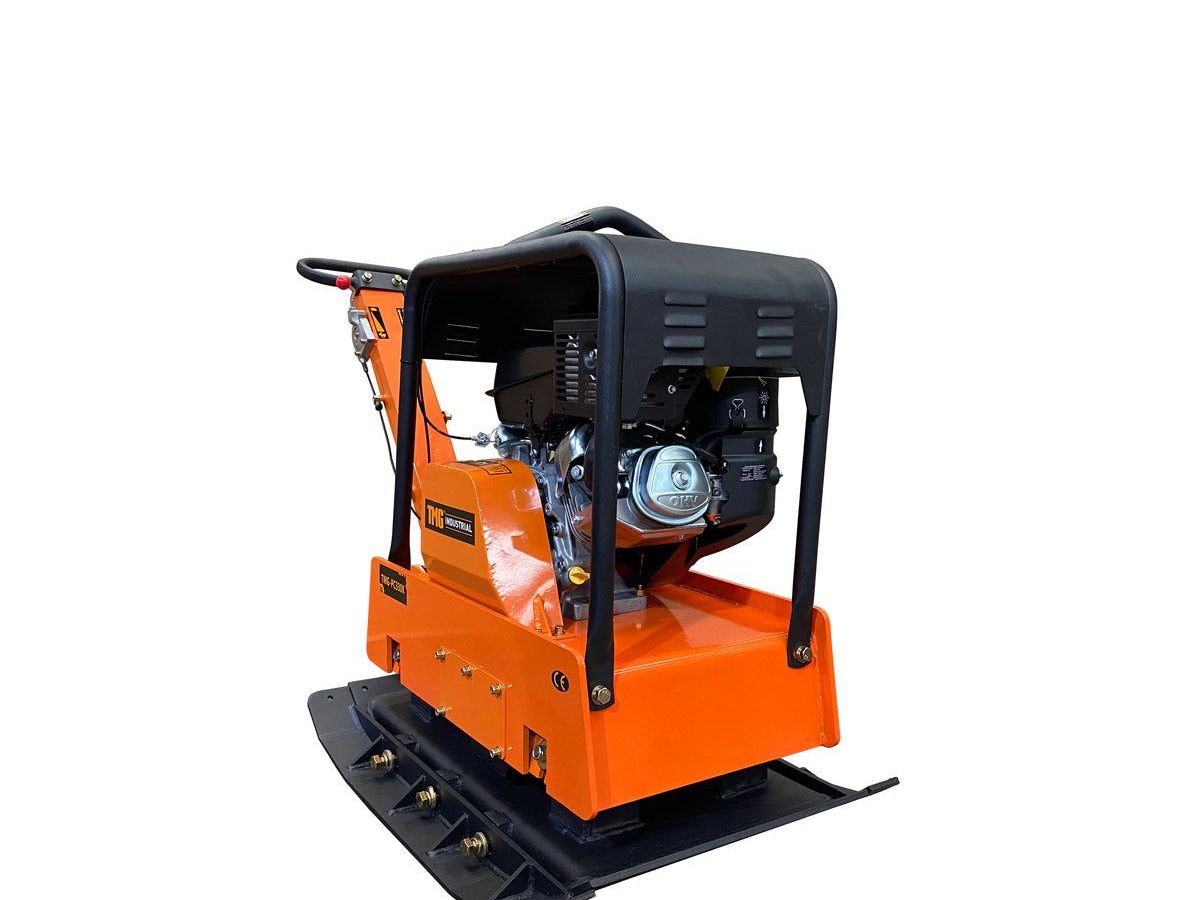
Alright, let’s break it down. A reversible plate compactor is like your regular compactor but with a twist. It moves both forward and backward without you having to turn it around. This means less time fiddling with positioning and more time getting the job done.
Benefits Over Traditional Compactors
So, why bother with these fancy reversible ones? Well, they give you better control, especially in tight spots. Plus, they reduce operator fatigue because you’re not constantly wrestling with the machine. And, let’s be real, who doesn’t want to be more productive?
Real-World Applications
These bad boys shine in real-world scenarios. They’re perfect for compacting soil, gravel, and sand in construction projects. Whether you’re working on a driveway, a patio, or a foundation, a reversible plate compactor makes the job easier and faster.
Having a reversible plate compactor is like having an extra set of hands on the job. It just makes everything smoother and quicker.
Choosing the Right Reversible Compactor for Your Project
Factors to Consider
Picking the right compactor is like choosing the perfect tool for the job. It’s all about knowing what you need. First off, think about your project size. Small jobs need less power, while big ones demand more muscle. Next, check the soil type. Some compactors are better for sand, others for clay. And don’t forget the space. Tight spots might need a more nimble machine.
Top Brands to Look For
When it comes to the best reversible plate compactor, brand matters. You want something reliable, right? Brands like Wacker Neuson, Bomag, and Weber MT are known for their durability and performance. They’ve been around the block and know what they’re doing. Trust me, you don’t want to be stuck with a no-name brand that breaks down mid-job.
Budgeting for Your Compactor
Money talks, especially when buying equipment. You don’t want to blow your budget, but you also don’t want to skimp on quality. Renting might seem cheaper up front, but buying can save you cash in the long run. Think about how often you’ll use it. If it’s just once in a while, renting could be the way to go. Otherwise, owning might be your best bet.
Mastering the Use of Reversible Compactors
Operating Tips for Beginners
First time using a reversible compactor? No worries! Start by reading the manual. Seriously, it’s your best friend. Keep a steady pace, don’t rush it. Let the machine do the work, not your muscles. If you’re doing it right, you’ll feel the compactor glide smoothly.
Common Mistakes to Avoid
Avoid these rookie mistakes: Don’t start on uneven ground, and never force the machine. If it feels wrong, stop and check. Overcompaction can mess up your project, so keep an eye on the soil.
Maximizing Efficiency on Site
Want to get the most out of your compactor? Plan your path before you start. Overlapping passes by about a third ensures even compaction. Keep the surface clean of debris; it helps the machine move better. And remember, regular maintenance keeps it running like new.
"Using a compactor isn’t rocket science, but a little prep goes a long way. Keep it simple, and you’ll get the hang of it in no time."
For more tips, consider checking out a Milwaukee 902033036 Canvas Tool Bag to keep your tools organized and ready.
Maintenance Tips to Extend the Life of Your Compactor
Keeping your compactor in top shape is all about regular check-ups. Always start by checking the engine oil levels—it’s like the lifeblood of your machine. Skipping this step is a big no-no. Then, take a look at the vibration unit. Any sign of wear and tear? Fix it before it gets worse.
Sometimes things just don’t go as planned. If your compactor starts acting up, don’t panic. First, check the fuel system. Is the tank at least a quarter full? Is the filter clean? These small things can cause big problems. If it’s still not working, it might be time to dig deeper.
There are times when you just can’t fix it yourself. If you’ve tried everything and your compactor is still not cooperating, it might be time to call in the pros. They have the tools and know-how to get it back up and running. Don’t wait too long to make the call, or you might end up with a bigger headache.
Safety First: Operating Your Compactor Safely
Essential Safety Gear
Before you even think about starting up that compactor, make sure you’re geared up. Steel-toe boots are a must to protect your feet. Don’t forget your ear protection because these machines are loud. And of course, safety goggles to keep your eyes safe from flying debris.
Safe Operating Practices
When you’re on the job, always stay aware of your surroundings. Never operate on steep slopes, and keep a safe distance from edges. It’s super important to stay focused on what you’re doing to avoid accidents. Always check for underground utilities before starting your work.
Emergency Procedures
Stuff happens, right? So, it’s good to have a plan. Know where the shut-off controls are, just in case you need to stop the machine quickly. Make sure everyone on site knows what to do in an emergency. Practice drills can be a lifesaver.
Understanding Compaction Force and Its Importance
What is Compaction Force?
Compaction force is the pressure a compactor applies to the ground. It’s what makes the ground solid and stable. Think of it like pressing down on a pile of sand to make it firm.
How It Affects Your Project
The right compaction force ensures your project stays strong and lasts longer. If you don’t compact enough, things might shift or crack.
Choosing the Right Force for Your Needs
Not all projects need the same force. For small jobs, less force is okay. Big projects might need a lot more force to keep everything in place.
Picking the right compactor is like choosing the right tool for the job. You wouldn’t use a spoon to dig a hole, right? Same idea here.
The Environmental Impact of Using Reversible Compactors
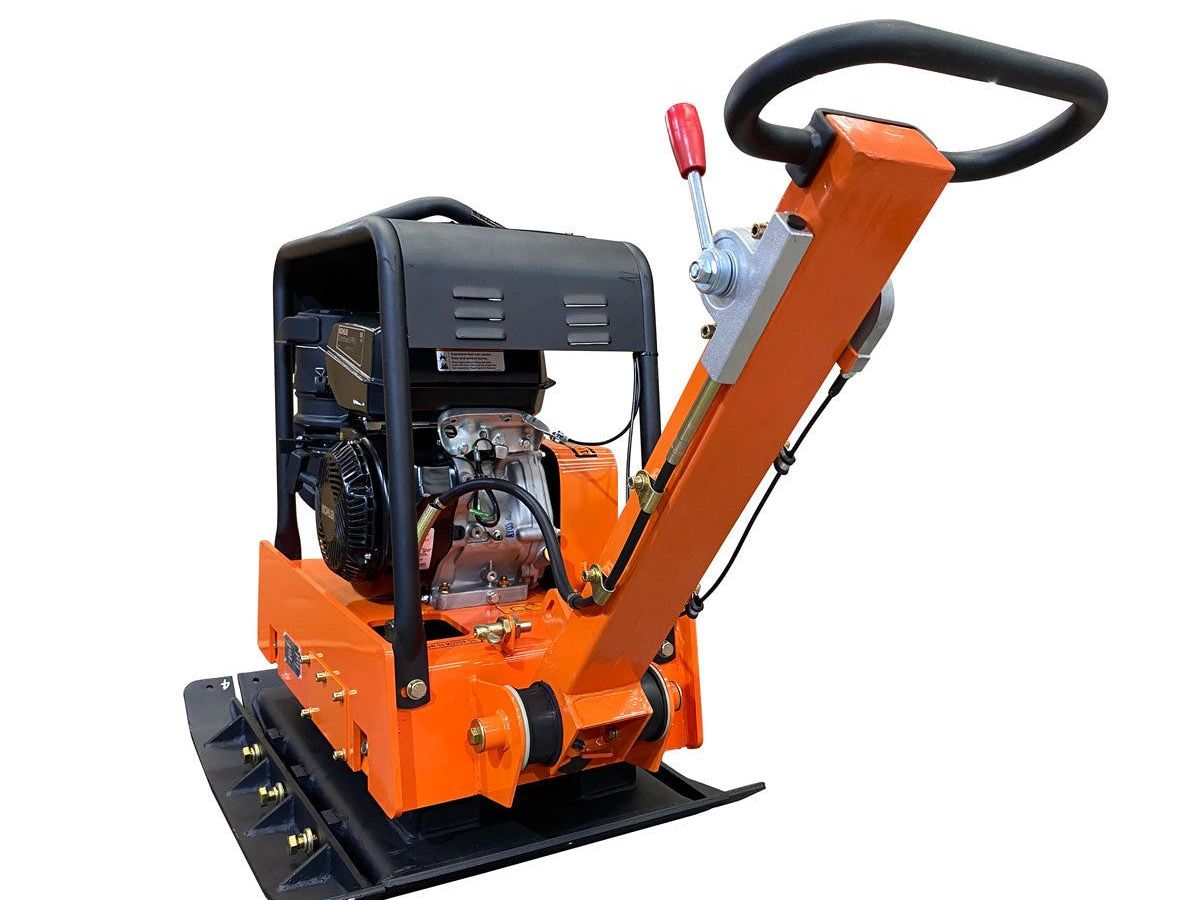
Reversible compactors are stepping up the green game with eco-friendly features. These machines often come with engines that meet strict emission standards, cutting down on harmful pollutants. Battery-powered models are also becoming popular, offering a quieter and cleaner operation.
Reducing Your Carbon Footprint
Using reversible compactors can actually help reduce your carbon footprint. They are designed to be energy-efficient, using less fuel while still getting the job done. This means fewer emissions and a smaller environmental impact overall.
Compliance with Regulations
Staying compliant with environmental regulations is crucial, and reversible compactors can help with that. They are built to meet or exceed local and international standards, so you can work confidently knowing you’re on the right side of the law. Plus, proper disposal of old compactors is essential to keep things green. For more info on proper disposal, check out this guide.
Using reversible compactors not only boosts efficiency but also supports sustainability efforts in construction. They’re a win-win for the planet and your project.
Innovations in Reversible Compactor Technology
Latest Features to Look For
Reversible compactors are getting smarter with every new model. Some of the latest features include remote control operation and advanced vibration systems. These make it easier to handle tough jobs without breaking a sweat. Plus, some models even have GPS tracking to help manage fleets better.
How Technology is Changing the Game
Tech is really shaking up the world of compaction. With the introduction of electric-powered models, these machines are now quieter and more eco-friendly. This means less noise pollution on the job site and a smaller carbon footprint.
Future Trends in Compaction
Looking ahead, we can expect even more automation and smart tech in compactors. Imagine a future where your compactor could self-adjust its vibration levels based on the type of soil. That’s the kind of innovation that’s on the horizon.
The future of reversible compactors is all about efficiency and sustainability, making them a must-have for any serious contractor.
From reversible plate compactor to advanced models with self-diagnosing capabilities, the future looks bright for these machines. So, if you’re thinking about a reversible plate compactor for sale, now’s the time to get in on the action!
Case Studies: Success Stories with Reversible Compactors
Project Highlights
So, picture this: a contractor in Denver tackling a tricky foundation project. They brought in a reversible compactor and, bam, the job was done in record time. These compactors are like magic wands for tough jobs.
Lessons Learned
Using a reversible compactor isn’t just about speed; it’s about precision. One contractor found that with the right machine, they could easily navigate tight spaces without breaking a sweat. It’s a real game-changer in terms of efficiency.
Testimonials from the Field
"This thing paid for itself in three months," said one contractor. Another mentioned how the compactor’s ability to reverse saved them tons of time on site. It’s like having an extra pair of hands, but better.
Cost Analysis: Buying vs. Renting a Reversible Compactor
Buying a compactor means a big upfront cost, but it’s yours forever. Renting, on the other hand, keeps your wallet happy in the short term. Owning might save you money down the road, especially if you use it a lot.
When you buy, don’t forget the maintenance and repairs. Renting? You might face fees for damage or late returns. Both options have sneaky costs, so watch out!
Think about how often you’ll need the compactor. If it’s a one-off project, renting could be the way to go. For frequent use, buying might make more sense. Your usage will really steer your choice.
Weighing the pros and cons of buying versus renting can be tricky, but understanding your project’s needs will guide you to the right decision.
When deciding between buying or renting a reversible compactor, it’s important to weigh the costs carefully. Owning a compactor can save you money in the long run, especially if you have frequent projects. Plus, with our high-quality models, you can tackle any job with ease. Visit our website to explore your options and make the best choice for your needs!
Wrapping It Up: Why You Need a Reversible Compactor
So, there you have it! If you’re in the construction game, a reversible vibratory plate compactor is a must-have. These machines save you time and cash, making your projects run smoother and faster. Whether you’re working on a foundation, a road, or landscaping, this tool can handle it all. Plus, owning one means no more rental fees, which adds up quickly. With its ability to compact soil in both directions, you’ll get better results in tight spots without wearing yourself out. So, if you want to boost your efficiency and keep your projects on track, investing in a reversible compactor is the way to go!
Frequently Asked Questions
What is a reversible compactor?
A reversible compactor is a machine that compresses soil by moving both forward and backward. This helps in achieving better compaction in tight spaces.
Why should I use a reversible compactor instead of a regular one?
Reversible compactors offer more control and efficiency. They can compact soil in both directions without needing to turn around, saving time and effort.
How much compaction force do these machines have?
Reversible compactors can have a compaction force ranging from 3,000 to 8,500 pounds, depending on the model.
Can I use a reversible compactor on wet soil?
It’s best to use these machines on dry or slightly damp soil for optimal results.
What are the main uses for reversible compactors?
They are commonly used for foundation work, road construction, utility work, and landscaping projects.
How do I maintain my reversible compactor?
Regular checks like oil changes, cleaning the plate, and inspecting for wear can help keep your compactor in good shape.
Is it better to buy or rent a reversible compactor?
Buying can save you money in the long run, especially if you use the machine frequently. Renting can be more expensive over time.
What safety gear should I wear while operating a compactor?
Always wear gloves, safety goggles, and sturdy boots when using a compactor to protect yourself from potential hazards.