


Welcome to a fascinating dive into the world of heavy-duty tools! Picture this: Did you know that the same power tool used to tackle a home improvement project could also be relied upon by a seasoned professional for heavy-duty industrial work? Prepare to be amazed as we uncover the incredible versatility of these tools and whether they truly can bridge the gap between DIY projects and professional applications. Let’s explore together!
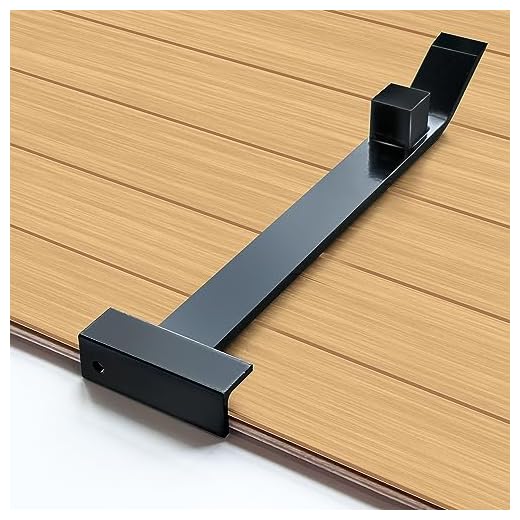


Exploring Heavy-Duty Tools
What are Heavy-Duty Tools?
Heavy-duty tools are robust and powerful equipment designed to handle tough tasks across various industries. These tools are built to withstand intense use and are known for their durability, reliability, and performance under challenging conditions.
Typical Features
1. Durability
- Heavy-duty tools are often made from high-quality materials such as hardened steel or impact-resistant polymers to ensure longevity.
- Examples: DEWALT DCD777C2 20V MAX Compact Brushless Drill/Driver Kit
2. Power
- These tools are equipped with high-capacity motors or engines to deliver strong performance for demanding tasks.
- Examples: Milwaukee 2720-20 M18 SAWZALL Reciprocating Saw
3. Ergonomics
- Manufacturers prioritize ergonomics to enhance user comfort, reduce fatigue, and improve overall efficiency.
- Examples: Bosch GSR12V-140FCB22 Flexiclick 12V Drill/Driver System
Applications in Different Settings
Construction
- Heavy-duty tools like Stihl MS 500i Chainsaw are essential for cutting through tough materials on construction sites.
Automotive
- Mechanics rely on robust tools like Snap-On S9702A 3-Ton Floor Jack for lifting heavy vehicles in their repair shops.
Manufacturing
- Industrial settings benefit from tools such as Makita XWT08Z LXT Impact Wrench for tightening and loosening bolts efficiently.
Agriculture
- Farmers use heavy-duty tools like John Deere D105 42-Inch Riding Lawn Mower to maintain large fields and properties effectively.
Practical Examples and Recommendations
- For the best heavy-duty impact wrench: Choose the Ingersoll Rand 2235QTiMAX 1/2″ Quiet Titanium Impact Wrench known for its power and quiet operation.
- For heavy-duty drilling tasks: Consider the Makita XPH07Z 18V LXT Lithium-Ion Brushless Cordless Hammer Driver-Drill for exceptional performance.
Closing Thoughts
Heavy-duty tools are indispensable in various industries due to their robustness and reliability. Choosing the right tool for the job can significantly improve productivity and ensure successful outcomes in demanding tasks.
Pros and Cons of Using Heavy-Duty Tools for DIY Projects
When it comes to tackling DIY projects, the choice of tools can greatly impact the outcome of your work. Heavy-duty tools are often seen as a reliable option for various tasks, but they come with their own set of pros and cons. Let’s dive into the advantages and disadvantages of utilizing heavy-duty tools for your next DIY endeavor.
Advantages
- Durability: Heavy-duty tools are designed to withstand tough conditions and frequent use. Brands like DeWalt and Milwaukee are known for their robust construction, making them ideal for long-term projects.
- Performance: These tools offer superior performance, providing more power and efficiency compared to standard tools. Take the Bosch Hammer Drill or the Makita Impact Driver, for example, which can handle demanding tasks with ease.
- Versatility: Many heavy-duty tools come with a variety of attachments and features that allow you to tackle a wide range of projects. For instance, the Ridgid Cordless Multi-Tool offers multiple functions in a single device, providing convenience and flexibility.
- Time-saving: The power and efficiency of heavy-duty tools can help you complete tasks faster, saving you valuable time and effort. For instance, the Husqvarna Chainsaw can make quick work of cutting large branches or logs in your backyard.
Disadvantages
- Cost: Heavy-duty tools often come at a higher price point due to their advanced features and durability. Brands like Makita and Hilti are known for their quality but can be more expensive than entry-level options.
- Weight: The sturdy construction of heavy-duty tools can make them heavier and more cumbersome to use, especially for extended periods of time. Consider the DeWalt Rotary Hammer or the Rigid Table Saw, which may require more physical effort to operate.
- Overkill for Small Projects: While heavy-duty tools excel at handling demanding tasks, they may be excessive for smaller DIY projects. Opting for a lighter, more compact tool like the Ryobi Cordless Screwdriver may be more suitable for simple repairs or installations.
In conclusion, the decision to use heavy-duty tools for your DIY projects depends on various factors such as the scale of your projects, your budget, and your comfort level with heavier tools. By weighing the pros and cons, you can make an informed choice that suits your specific needs and preferences.
Pros and Cons of Using Heavy-Duty Tools for Professional Use
When it comes to professional settings that require precision, efficiency, and specialized requirements, the choice of tools can make a significant impact on the outcome of tasks. Heavy-duty tools are often favored in such environments for their robust build and ability to handle demanding jobs. In this blog section, we will explore the benefits and drawbacks of using heavy-duty tools in professional settings.
Benefits of Heavy-Duty Tools
1. Durability and Longevity
- Brands like Milwaukee, known for their heavy-duty power tools like the Milwaukee M18 Fuel Combo Kit, are built to withstand the rigors of daily professional use.
- Example: The DeWalt DW715 Compound Miter Saw is designed for heavy-duty cutting tasks and is known for its longevity.
2. Precision and Accuracy
- Heavy-duty tools like the Bosch GLL 50 Self-Leveling Cross-Line Laser Level, offer precise measurements essential in professional construction or woodworking projects.
- Example: The Makita SP6000J1 Plunge Circular Saw is lauded for its precision cutting capabilities, ideal for intricate woodworking tasks.
3. Efficiency and Power
- Heavy-duty tools such as the Husqvarna 460 Rancher Chainsaw deliver high power and efficiency needed for demanding tasks like tree removal or logging.
- Example: The Ridgid 18V Brushless Cordless Drill/Driver Kit is renowned for its powerful performance, making drilling tasks faster and more efficient.
4. Specialized Requirements
- Tools like the Hilti TE 3000-AVR Breaker Hammer excel in specialized tasks such as concrete demolition, where heavy-duty performance is crucial.
- Example: The Fein MultiMaster FMM 350QSL Oscillating Multi-Tool is a versatile heavy-duty tool that fits specialized requirements in carpentry and remodeling projects.
Drawbacks of Heavy-Duty Tools
1. Weight and Portability
- Heavy-duty tools like the Makita HM1810X3 Breaker Hammer may be cumbersome to transport to different job sites due to their weight.
- Example: The Dewalt DWS780 Compound Miter Saw is heavy-duty but may not be as portable as lighter models for on-the-go usage.
2. Cost
- Premium heavy-duty tools from brands like Festool, such as the Festool Kapex KS 120 EB Sliding Compound Miter Saw, come at a higher price point, which might not suit all budgets.
- Example: The Stihl MS 661 C-M Chainsaw is a professional-grade heavy-duty tool known for its quality but comes with a higher cost compared to consumer models.
3. Maintenance
- Heavy-duty tools often require more frequent maintenance to ensure optimal performance and longevity.
- Example: The Makita HR4002 1-9/16″ AVT Rotary Hammer needs regular maintenance checks to keep it running smoothly under heavy use conditions.
Factors to Consider When Choosing Heavy-Duty Tools
When it comes to selecting heavy-duty tools for personal or professional use, there are several important factors to keep in mind. Making the right choice can have a significant impact on the success of your projects, as well as your overall satisfaction with the tools you use. Below are key considerations to help you determine whether heavy-duty tools are the right fit for your needs.
Budget
One of the first factors to consider when deciding on heavy-duty tools is your budget. Heavy-duty tools often come with a higher price tag due to their durability and performance capabilities. However, investing in quality tools upfront can save money in the long run by reducing the need for frequent replacements. Consider your budget constraints and weigh them against the long-term benefits of purchasing a heavy-duty tool.
- Example: When looking for a heavy-duty cordless drill, the DeWalt DCD996B might be pricier than entry-level models, but its longer battery life and rugged construction make it a cost-effective choice for professionals.
Frequency of Use
Another crucial factor to consider is how frequently you will be using the tools. Heavy-duty tools are designed to withstand heavy use and demanding conditions, making them ideal for professionals who rely on their tools daily. However, if you only engage in occasional DIY projects, investing in heavy-duty tools may not be necessary and could be overkill for your needs.
- Example: For someone who uses a circular saw only a few times a year for home renovations, the more affordable Black & Decker BDECS300C may be a better option compared to the heavy-duty Makita 5007F.
Project Complexity
Consider the complexity of the projects you plan to undertake when choosing heavy-duty tools. Heavy-duty tools are built for more challenging tasks and can handle larger workloads with ease. If your projects involve cutting through thick materials, drilling into sturdy surfaces, or other demanding tasks, heavy-duty tools will provide the power and durability necessary to get the job done efficiently.
- Example: For woodworking projects that require precision and power, the Bosch 1617EVSPK router kit offers versatile functions and heavy-duty performance that can handle intricate designs and tough materials.
By carefully evaluating these key factors – budget, frequency of use, and project complexity – you can make an informed decision on whether heavy-duty tools are the right choice for your personal or professional projects. Remember to balance your needs with the capabilities of the tools available in the market to ensure successful outcomes and satisfaction with your investment.
Finding the Right Tool for Every Job
Here’s a concise conclusion for your blog post:
In conclusion, when considering whether heavy-duty tools are suitable for both DIY projects and professional use, it’s essential to weigh factors such as project requirements, user expertise, and long-term investment. By carefully evaluating these elements, you can determine the best approach for utilizing heavy-duty tools effectively.




One success story I have is how using heavy-duty drills from renowned brands like DeWalt has significantly increased the precision and speed of my woodworking projects. It would be great to hear more stories like this in future articles.
Thank you for sharing your success story! We will feature more real-life experiences with heavy-duty tools in our upcoming articles.
I’ve found that investing in high-quality heavy-duty tools has really improved the efficiency of my projects, both at home and in my woodworking business. It’s crucial to consider durability and performance when choosing tools.
Could you provide more information on specific heavy-duty tools that are versatile enough to be used for both DIY and professional purposes? Understanding the key features would be helpful.
Thank you for your feedback! In the next article, we will delve into specific heavy-duty tools that are suitable for both DIY projects and professional use.
I find that using heavy-duty tools for DIY projects can sometimes be overkill and cumbersome, especially for smaller tasks. It would be great to explore more lightweight options for home use.