If you’re in the construction business, you know how important it is to have the right tools. One of the most effective tools for compacting soil is the forward reverse plate compactor. This machine can move forward and backward, making it easier to compact soil in tight spaces. In this article, we will explore everything you need to know about these powerful machines, from their benefits to how to choose the right one for your project.
Key Takeaways
- Forward reverse plate compactors can compact soil in both directions, saving time and effort.
- These machines are ideal for various construction tasks, including foundation work and road construction.
- Investing in a compactor can save you money compared to renting equipment.
- Proper maintenance is essential for keeping your compactor in good working condition.
- Using a forward reverse plate compactor can improve project efficiency and reduce labor costs.
Understanding Forward Reverse Plate Compactors

What Makes Them Unique
So, forward reverse plate compactors are like the Swiss army knife of compactors. They go forward and backward without you having to spin them around. That’s a big deal when you’re working in tight spots. The magic lies in their ability to switch directions with ease, making them super handy for tricky spaces.
How They Work
These machines work by vibrating a heavy metal plate to pack down the soil. The engine powers the vibrations, and you control the direction. It’s like walking a dog that doesn’t pull, just guides smoothly. The forward and reverse plate compactor gives you more control and less fatigue.
Key Benefits
Here’s the scoop:
- You get more control in tight areas.
- They’re great for precise compaction.
- Less operator fatigue means you can work longer.
Having a reversible plate tamper on site means you can tackle jobs faster and with less hassle. It’s all about efficiency.
Choosing the Right Forward Reverse Plate Compactor
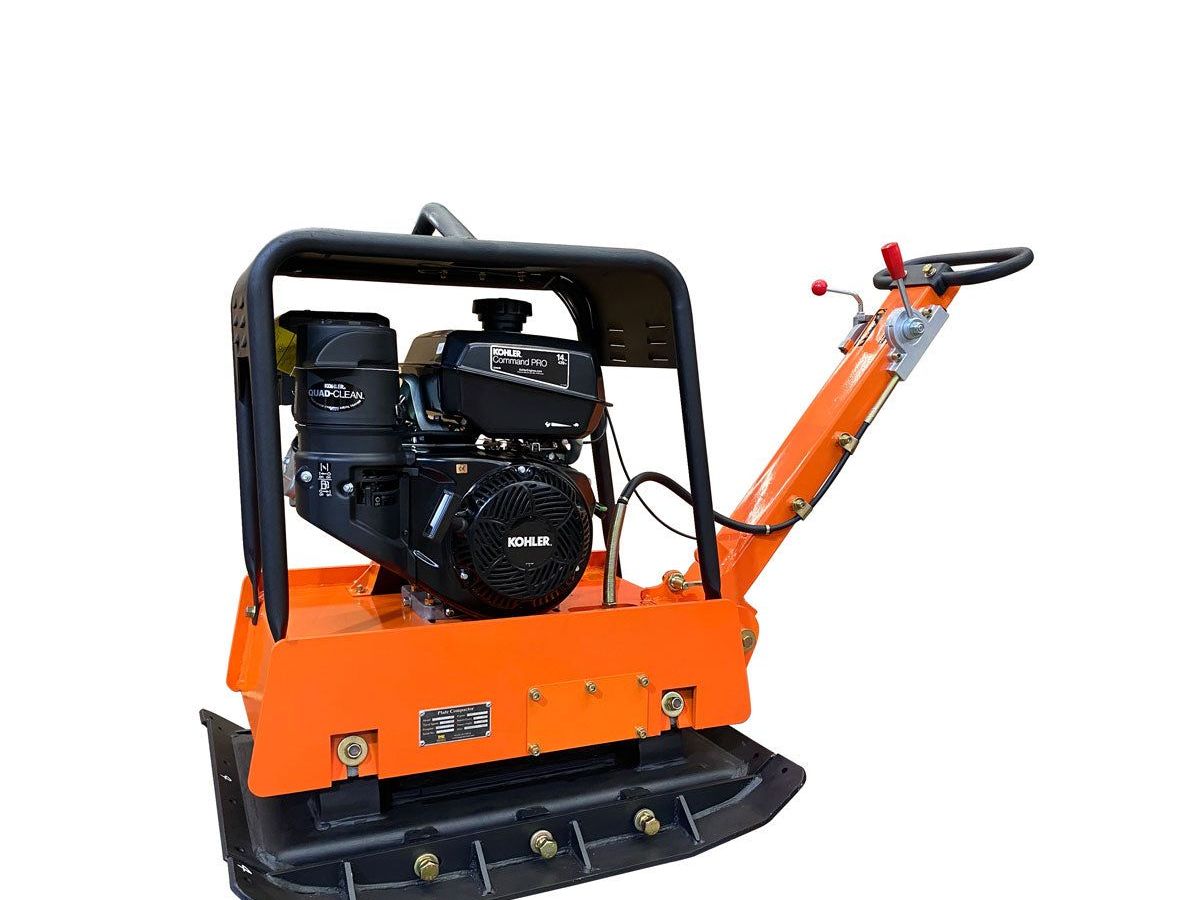
Picking the right forward reverse plate compactor isn’t rocket science, but there are a few things to keep in mind. First off, think about the size of your project. Small jobs might not need a big, heavy-duty machine. Then, consider the type of soil you’ll be working with. Some compactors are better for granular soils, while others excel with cohesive types. Lastly, don’t forget about the compactor’s weight and ease of use. You want something that’s manageable for you or your crew.
When it comes to popular models, a few names always pop up. The TMG-PC330K is a solid choice with 8,500 lbs of compaction force and a 14 HP engine. For smaller jobs, the TPC80 forward plate compactor is a favorite. It’s lightweight and easy to maneuver. Check out the features and specs to see which model fits your needs best.
Budgeting for a compactor can be tricky, but it doesn’t have to break the bank. Think about how often you’ll use it. If it’s for regular work, investing in a good model is wise. Consider the long-term savings of owning versus renting. Owning a compactor can save you money in the long run if you’re using it frequently. Just make sure to balance cost with the features you need.
Using Forward Reverse Plate Compactors Effectively
When you’re handling a reversible plate compactor, it’s all about getting the hang of its forward and reverse action. Start slow and steady, letting the machine do the work while you guide it. Always check the ground conditions before you begin to ensure the best compaction.
Avoid using the compactor on overly wet soil, as it can lead to poor results. Don’t rush the process; speed can compromise the compaction quality. Keep an eye on the machine’s controls and settings to prevent mishaps.
Wear the right safety gear like gloves and ear protection when operating your reversible vibratory plate compactor. Make sure to inspect the machine for any damage before use. Always follow the manufacturer’s safety instructions to avoid accidents.
Maintenance Tips for Longevity
Keeping your plate compactor in top shape means doing regular checks. A quick look at the oil level, belt condition, and fuel system can save you a ton of trouble. Low oil is an engine killer, so top it up!
Troubleshooting Common Issues
Sometimes, stuff goes wrong, and knowing what to do can save you a headache. If the compactor vibrates too much, check the mounting bolts. For engine troubles, see if the air filter is clogged.
When to Call a Professional
There are times when DIY just won’t cut it. If you hear weird noises or if the machine just won’t start, it might be time to call in a pro. Better safe than sorry, right?
Regular maintenance isn’t just a chore, it’s the secret to a long-lasting machine. Just a few minutes of care can add years to your compactor’s life. So, don’t skip it!
Applications in Construction Projects
Foundation Work
Using a plate compactor for foundation work is like having an extra set of hands. It gets the base ready, compacts the backfill, and works around footings with ease.
Road Construction
When it comes to road construction, these compactors are a lifesaver. They handle sub-base compaction and asphalt patching like a pro. Even highway shoulder work becomes a breeze.
Utility Work
In utility work, a plate compactor is your best buddy. It compacts trenches, prepares pipeline bedding, and works smoothly around manholes and existing utilities.
Honestly, these machines are essential for any serious construction project. They save time, effort, and make the job site run smoother. Without them, you’d be stuck doing the hard stuff by hand.
Comparing Forward and Reverse Plate Compactors
Performance Differences
When it comes to performance, reverse plate compactors offer more control. They can move both forward and backward without needing to turn around. This makes them ideal for tight spots where maneuverability is key. Forward compactors, on the other hand, are simpler and might be better for straightforward tasks.
Cost Implications
Let’s talk money. Reverse compactors usually cost more upfront but can save you cash in the long run. They cover more ground faster, meaning less time on the job. Forward compactors are cheaper to buy, but you might spend more on labor.
Which One is Right for You?
Choosing between the two depends on your needs. If you’re handling large, complex projects, a reverse compactor is a solid choice. For smaller, simpler jobs, a forward compactor might do just fine. Always consider the project size and site conditions before making a decision.
"In my experience, the right tool can make or break a project. Choose wisely based on what you need to achieve."
The Environmental Impact of Plate Compactors
So, let’s talk emissions. Most plate compactors run on gas or diesel, which means they spit out pollutants. But the good news is, newer models are getting better at meeting strict emission standards. This means less nasty stuff in the air and a cleaner planet.
Now, these machines are loud. Like, really loud. But some brands are working on making them quieter. Lower noise levels mean happier neighbors and less headache for you on the job site.
Going green isn’t just a trend. It’s a smart move. Using eco-friendly compactors can cut down on fuel use and emissions. Plus, they’re often more efficient, saving you time and money. So, why not make the switch and do your bit for the environment?
Innovations in Plate Compactor Technology
So, plate compactors have come a long way, right? The latest models are all about efficiency and power. You’ve got hydraulic-driven systems now, making them super smooth to operate. Plus, the engines are way more fuel-efficient, which is a win for both your wallet and the planet.
Looking ahead, it’s all about going green and smart. More compactors are expected to have electric motors to cut down on emissions. And get this, some might even have AI for better control and precision. Imagine a compactor that adjusts itself based on the soil type—cool, huh?
These innovations aren’t just for show. They actually make construction work faster and easier. With less time spent on compaction, you can move on to other tasks quicker. Less downtime equals more productivity, and who doesn’t want that?
Embracing new tech in plate compactors isn’t just about keeping up with the Joneses. It’s about working smarter, not harder. So, next time you’re at the rental shop, maybe give one of these new models a spin. You might just be amazed at how much smoother your projects go.
Real-Life Success Stories
Contractor Testimonials
I once chatted with a contractor who swore by his compactor. He said it cut his project time in half. It’s like having an extra pair of hands.
Case Studies
On one site, a team used a reversible plate compactor and finished a week early. That’s a big deal when deadlines are tight.
Lessons Learned
Don’t skip the maintenance. One guy learned the hard way when his machine broke down mid-project. Now, he checks it regularly.
Discover how our customers have transformed their projects with our powerful equipment! From compacting soil to paving driveways, our tools have made a real difference. Want to see more success stories? Visit our website today!
Wrapping It Up: Why You Need a Bi-Directional Plate Compactor
So, there you have it! Bi-directional plate compactors are not just fancy tools; they are real game-changers for construction work. With the ability to compact soil in both directions, they save you time and effort. Imagine finishing your projects 40% faster and saving thousands of dollars each year. Whether you’re working on a big road project or just prepping a small backyard, these machines make the job easier and more efficient. If you’re tired of renting and want to boost your productivity, investing in a reversible vibratory plate compactor is a smart move. Trust me, once you try it, you’ll wonder how you ever worked without one!
Frequently Asked Questions
What is a reversible plate compactor?
A reversible plate compactor is a machine that compresses soil and other materials in both forward and backward directions.
Why should I choose a reversible plate compactor over a regular one?
Reversible plate compactors offer better control in tight spaces and can compact more efficiently, saving you time and effort.
How much compaction force do these machines provide?
They can provide up to 8,500 pounds of compaction force, making them very powerful for construction tasks.
Can I use a reversible plate compactor on wet soil?
It’s best to use it on dry or slightly damp soil for the best results.
What types of projects are reversible plate compactors used for?
They are great for foundation work, road construction, utility work, and landscaping.
How fast can a reversible plate compactor work?
Some models can cover up to 4,200 square feet per hour, making them very efficient.
Is maintenance difficult for these machines?
No, routine checks and maintenance are simple and can help ensure the machine lasts a long time.
Are there any safety tips I should follow when using one?
Yes, always wear protective gear, follow the manufacturer’s guidelines, and be aware of your surroundings.