If you’re looking for an effective way to clear snow during winter, a hydraulic skid steer snow blower is a great option. This powerful attachment can turn your skid steer into a snow-clearing machine, making winter maintenance much easier. In this guide, we’ll break down everything you need to know about these systems, including how they work, what to look for when buying one, and tips for operating and maintaining them. Let’s dive into the world of hydraulic skid steer snow blowers!
Key Takeaways
- Hydraulic skid steer snow blowers are designed to handle heavy snow efficiently.
- Key components include the auger system, impeller design, and hydraulic motors.
- Proper hydraulic matching can significantly boost performance and fuel efficiency.
- Using the right operating techniques can maximize snow clearing effectiveness.
- Routine maintenance is essential for ensuring long-lasting performance.
Understanding Hydraulic Skid Steer Snow Blowers
What Makes Them Unique
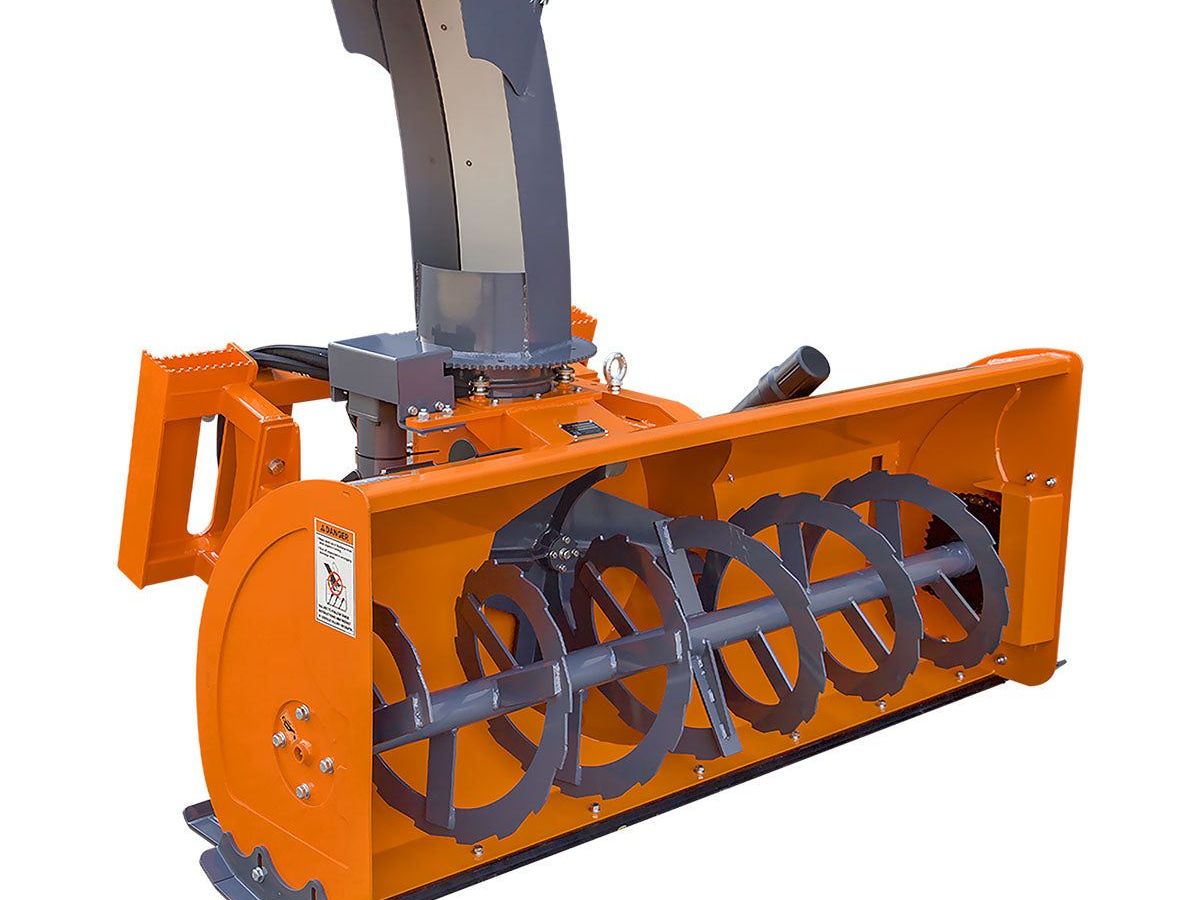
So, what sets a skid steer snow blower apart from the rest? It’s all about power and versatility. These machines aren’t your typical snow plows. They attach to skid steers, making them super adaptable for different jobs. Unlike regular snow removal tools, they don’t just push snow around; they chew it up and spit it out, making them perfect for those heavy-duty jobs.
Key Components Explained
Let’s break down the key parts of a skid steer snow blower. You’ve got the auger, the impeller, and the chute. The auger grinds up the snow, the impeller throws it, and the chute directs where it goes. It’s like a snow-eating machine. Plus, with hydraulic power, these components work together smoothly, making snow removal a breeze.
Benefits Over Traditional Methods
Why choose a hydraulic snow blower for skid steer over a traditional method? First off, it’s way more efficient. You can clear large areas without breaking a sweat. Plus, it’s less strain on your body compared to shoveling or using a basic plow. And with attachments like these, you can handle different snow conditions, from fluffy to packed, without a hitch.
Using a skid steer snow blower is like having a snow-clearing superhero at your disposal. It’s powerful, efficient, and ready to tackle winter’s worst.
Choosing the Right Snow Blower for Your Skid Steer
Factors to Consider
Picking the right snow blower for your skid steer isn’t just about price or brand; it’s about matching the blower’s capabilities with your needs. Consider the size of the area you need to clear and the type of snow you usually deal with. If you’re working in tight spaces, a smaller blower might be more maneuverable. Also, check the hydraulic flow rate and pressure requirements to ensure your skid steer can handle it.
Popular Models and Brands
There are tons of models out there, but some stand out more than others. Brands like Bobcat, Caterpillar, and Summit Series are well-known for their reliable performance. Look for models with features that suit your needs, like adjustable chutes or serrated augers for cutting through packed snow.
Cost vs. Performance
Balancing cost with performance is like walking a tightrope. You don’t want to overspend, but you also don’t want to buy something that won’t get the job done. Think about how often you’ll use it and the conditions you’ll face. Sometimes spending a bit more upfront saves you money in the long run by reducing maintenance costs and downtime.
Remember, the right snow blower can make winter work a breeze, so take your time to choose wisely.
Hydraulic Requirements for Optimal Performance
Flow Rate and Pressure Explained
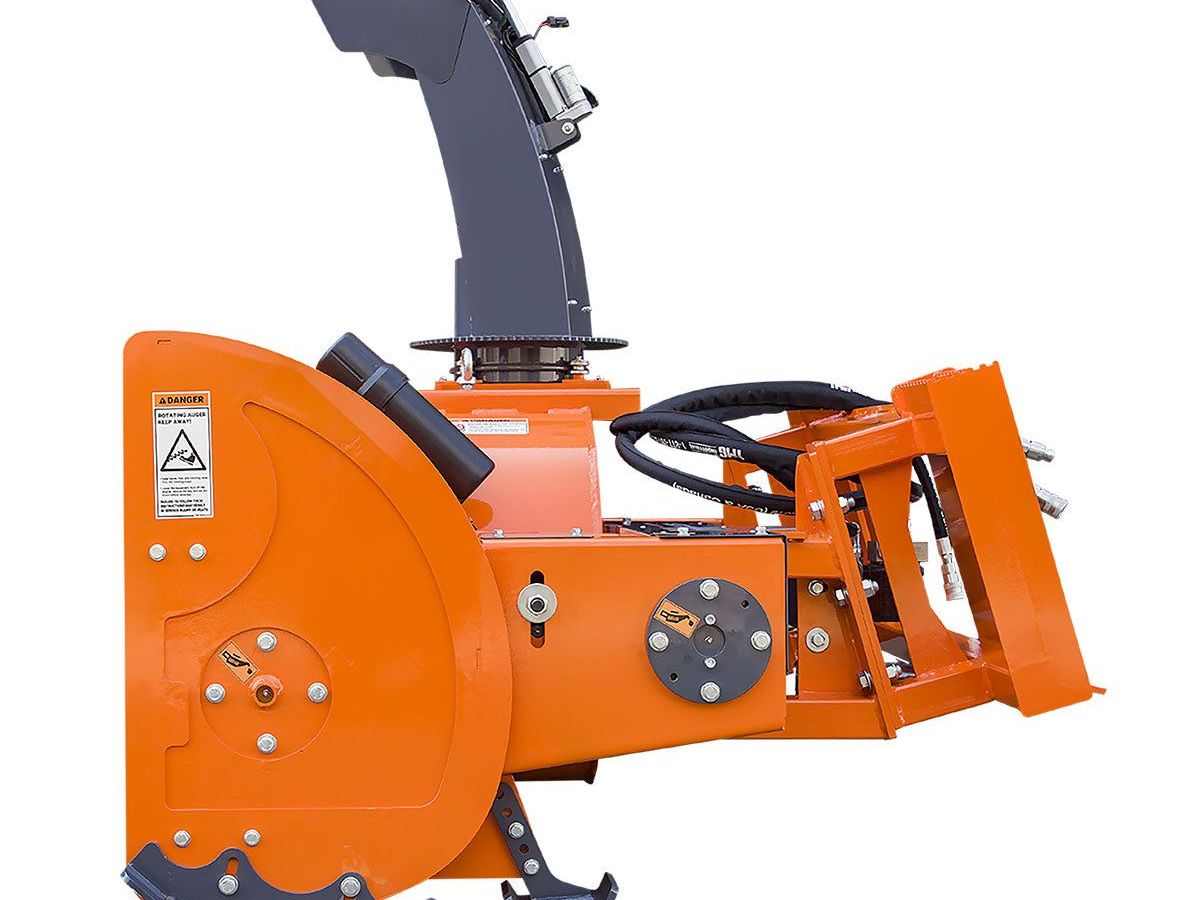
Alright, let’s dive into the nitty-gritty. Your skid steer’s hydraulic system needs to be spot on for the snow blower to work its magic. We’re talking about a flow rate of at least 75 L/min and an operating pressure of 2500 PSI. Without these, the snow blower might just sit there looking pretty but doing nothing.
Matching Your Skid Steer
Picking the right snow blower for your skid steer is like finding the perfect pair of shoes. You gotta make sure it fits! The high flow skid steers, delivering over 34.9 GPM, are perfect for heavy-duty tasks. But if your skid steer is more of a low flow type, around 20 GPM, you’ll want to stick to standard attachments. It’s all about matching the specs.
Common Mistakes to Avoid
Here’s where folks often trip up. First, they forget to check if their skid steer’s hydraulic capacity matches the blower’s needs. Second, they ignore regular maintenance, which leads to performance issues. Lastly, using the wrong type of hydraulic fluid can mess things up big time. Keep these in mind, and you’ll be blowing snow like a pro.
Mastering Snow Blower Operating Techniques
Speed and Control Tips
Getting the speed right is key. You don’t want to go too fast. Slow and steady wins the race when you’re dealing with heavy snow. Keep your skid steer at a pace where it can handle the load without bogging down. Adjust the speed based on snow density and depth.
Handling Different Snow Conditions
Snow isn’t just snow, right? Sometimes it’s fluffy, other times it’s wet and heavy. Adjust your technique based on the type of snow. For light snow, you can move faster. For wet, heavy snow, slow it down and maybe take smaller bites.
Safety Precautions
Safety first! Always check your surroundings. Make sure there’s no one in the path of the snow blower. Wear your safety gear, and keep the area clear of obstacles.
Operating a snow blower on a skid steer requires a mix of patience and skill. Stay alert and stay safe, and you’ll get the job done right.
Maintenance Tips for Longevity
Routine Checks and Adjustments
Keeping your snow blower in tip-top shape is all about regular check-ups. Before each use, give it a once-over to spot any wear and tear. Check belts, hoses, and blades to make sure everything’s tight and ready to roll. A quick adjustment here and there can save you lots of headaches later.
Common Issues and Fixes
Even the best machines have hiccups. If your snow blower’s acting up, it might be something simple like a clogged chute or a dull blade. Clear out any blockages and sharpen those blades to keep things running smoothly. Sometimes, it’s just a loose bolt or a worn-out belt causing trouble.
Seasonal Storage Advice
When winter’s over, don’t just shove your snow blower in the shed and forget about it. Clean it up, drain the fuel, and maybe even give it a fresh coat of oil to prevent rust. Store it somewhere dry and covered, so it’s ready to go next season without any nasty surprises.
"A little maintenance goes a long way. Trust me, you don’t want to be that guy scrambling for repairs in the middle of a snowstorm."
Advanced Features to Look For
Auger and Impeller Innovations
Alright, let’s talk about the guts of the snow blower. The auger and impeller are like the heart and lungs of this beast. They scoop up and throw the snow out of your way. New designs use tougher materials, so they last longer and work better in icy conditions.
Chute Control Options
Next up, the chute control. This is what lets you aim where the snow goes. Some snow blowers have a joystick or even remote control for this. It’s all about making it easy to control the snow direction without leaving your seat.
Durability Enhancements
Now, durability. You don’t want this thing breaking down in the middle of a blizzard, right? Look for features like reinforced steel and heavy-duty parts. These make sure your snow blower can handle the toughest jobs without a hitch.
When you’re out there battling the elements, having a snow blower with these advanced features feels like having a secret weapon against winter’s worst.
Real-World Performance Metrics
I’ve seen skid steer snow blowers clear up to 30,000 square feet per hour when conditions are just right. But let’s be real, not every day is perfect. Snow type and depth really matter.
Comparing to Other Equipment
These blowers often outshine standard plows. They don’t just push the snow; they chuck it far away. It’s like comparing a bicycle to a motorcycle – both get you there, but one does it with a lot more oomph.
User Testimonials
Folks love sharing their stories. Many say their skid steer blowers have saved them hours of backbreaking work. "Best investment ever," some claim, while others just can’t stop talking about the power and ease of use.
A good snow blower makes winter feel less like a battle and more like a breeze. Once you try it, you’ll wonder how you ever managed without one.
Commercial Applications and Benefits
Skid steer snow blowers are a lifesaver for businesses dealing with large parking lots and industrial sites. These machines are perfect for airports and municipalities that need to clear snow quickly. They’re also great for agricultural settings where snow can block access roads.
Using a skid steer snow blower can save a ton of time compared to manual shoveling or smaller equipment. Efficient snow removal means you can take on more jobs and increase profits. Plus, they help keep operations running smoothly during winter.
Take a look at some success stories. One company cleared a massive parking lot in record time, impressing their clients. Another business used their skid steer to keep a busy airport runway clear, preventing flight delays. These examples show how versatile and effective these machines can be.
Environmental Impact and Considerations
Fuel Efficiency and Emissions
Using a skid steer snow blower is like having a superpower against snow, but it can gulp down fuel. Newer models are getting better, though, with some boasting up to 25% less fuel use. That’s like getting an extra day’s worth of work without needing another fill-up. These machines are also cutting down on emissions, which is great for the planet.
Eco-Friendly Practices
Going green isn’t just for tree huggers anymore. It’s about smart choices like using less salt and chemicals on your driveway. Some snow blowers now come with precision controls, which means you can use just the right amount of stuff to get the job done. This not only saves money but also helps keep our rivers and lakes clean.
Future Trends in Snow Removal
Looking ahead, snow removal is getting a tech upgrade. Imagine snow blowers with hybrid engines or even electric ones. These innovations are not just dreams; they’re already on the drawing board. Plus, with climate change making weather more unpredictable, having versatile equipment is becoming a must. The industry is shifting, and it’s exciting to see where it’s headed.
Troubleshooting Common Problems
Identifying Issues Quickly
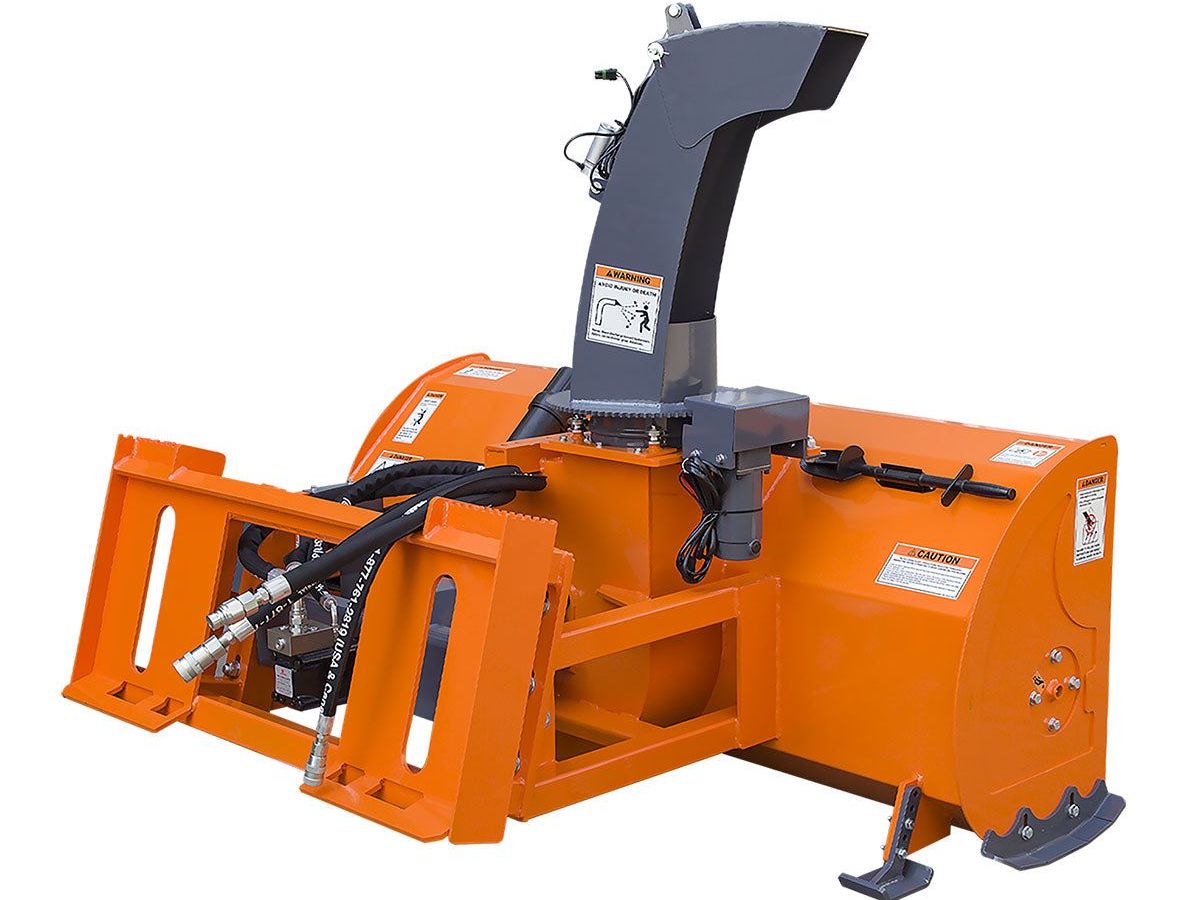
When your skid steer snow blower acts up, the first step is spotting the problem. Listen for strange noises or look for parts that aren’t moving right. If something seems off, trust your gut and check it out.
DIY Fixes vs. Professional Help
So, you’ve found the issue. Now what? Some fixes you can handle yourself, like tightening loose bolts or clearing blockages. But if it’s something like a hydraulic leak, you might want to call in a pro.
When to Replace Parts
Sometimes, parts just wear out. If your snow blower isn’t performing like it used to, it might be time to swap out some components. Keep an eye on the wear and tear, especially on the auger and blades.
Tip: Regular maintenance can save you from costly repairs down the line. Keep a schedule and stick to it.
If you’re facing issues with your equipment, don’t worry! Many common problems can be fixed easily. Check out our website for helpful tips and solutions that can get you back on track. Visit us today!
Wrapping It Up: Your Go-To for Snow Removal
So, there you have it! A skid steer snow blower is a must-have for anyone serious about clearing snow. With its powerful design and smart features, it makes winter work a lot easier. Whether you’re dealing with light flurries or heavy snow, this tool can handle it all. Plus, knowing how to use it right can really boost your efficiency. Remember to keep up with maintenance to keep your snow blower in top shape. So, gear up, get your skid steer ready, and tackle that snow like a pro!
Frequently Asked Questions
What is a skid steer snow blower?
A skid steer snow blower is an attachment that you can add to a skid steer. It helps to remove snow quickly and efficiently.
How does a hydraulic snow blower work?
It uses hydraulic power from the skid steer to operate. This allows it to break up and blow away snow easily.
What are the benefits of using a skid steer snow blower?
Using one can save time and effort compared to shoveling or using a regular plow. It can clear large areas quickly.
What should I consider when buying a snow blower for my skid steer?
Look at the size, power requirements, and features like chute control and durability. Make sure it fits your skid steer.
How much horsepower does my skid steer need for a snow blower?
Most snow blowers need between 45 to 75 horsepower to work well.
What maintenance does a skid steer snow blower require?
Regular checks on the blades, hydraulic system, and overall condition are important. Clean it after use and store it properly.
Can I use a skid steer snow blower in heavy snow?
Yes, they are designed to handle heavy snowfall and can clear deep snow effectively.
What are some advanced features to look for in a snow blower?
Look for features like a motor-driven chute, adjustable skid shoes, and durable materials for better performance.