If you are looking for an effective way to clear snow, a snow thrower for skid steer might be just what you need. This guide provides essential insights into why these powerful attachments are a great choice for winter snow removal. We will explore the benefits, how to operate them, and tips for maintenance and safety, ensuring you can tackle winter weather with confidence.
Key Takeaways
- Snow throwers for skid steers are more efficient than traditional plows.
- They can handle various types of snow and are versatile for different conditions.
- Using a snow thrower saves time and money, especially for larger areas.
- Proper maintenance is key to keeping your snow thrower in great shape.
- Safety checks before operation can prevent accidents and ensure smooth operation.
Why Choose a Snow Thrower for Your Skid Steer
Benefits Over Traditional Plows
So, you’ve been thinking about getting a skid steer snow thrower? Let me tell you why it’s a smart move. First off, these bad boys do more than just push snow around. Unlike traditional plows, a skid steer snow blower for sale actually removes the snow, leaving your driveway or parking lot nice and clean.
Versatility in Snow Conditions
Ever tried shoveling wet, heavy snow? It’s a nightmare. That’s where a skid steer blower comes in. This thing handles all kinds of snow—light, fluffy, or the dreaded wet stuff. You can even tackle ice-packed layers without breaking a sweat.
Cost-Effectiveness for Large Areas
Here’s the deal. If you’ve got a big area to clear, like a parking lot or a long driveway, a skid loader snow blower is your best friend. It’s faster and more efficient, saving you both time and energy. Plus, when you look at skid steer snow blower prices, you’ll see it’s a solid investment for those massive snow jobs.
Understanding the Basics of Skid Steer Snow Throwers
Key Components Explained
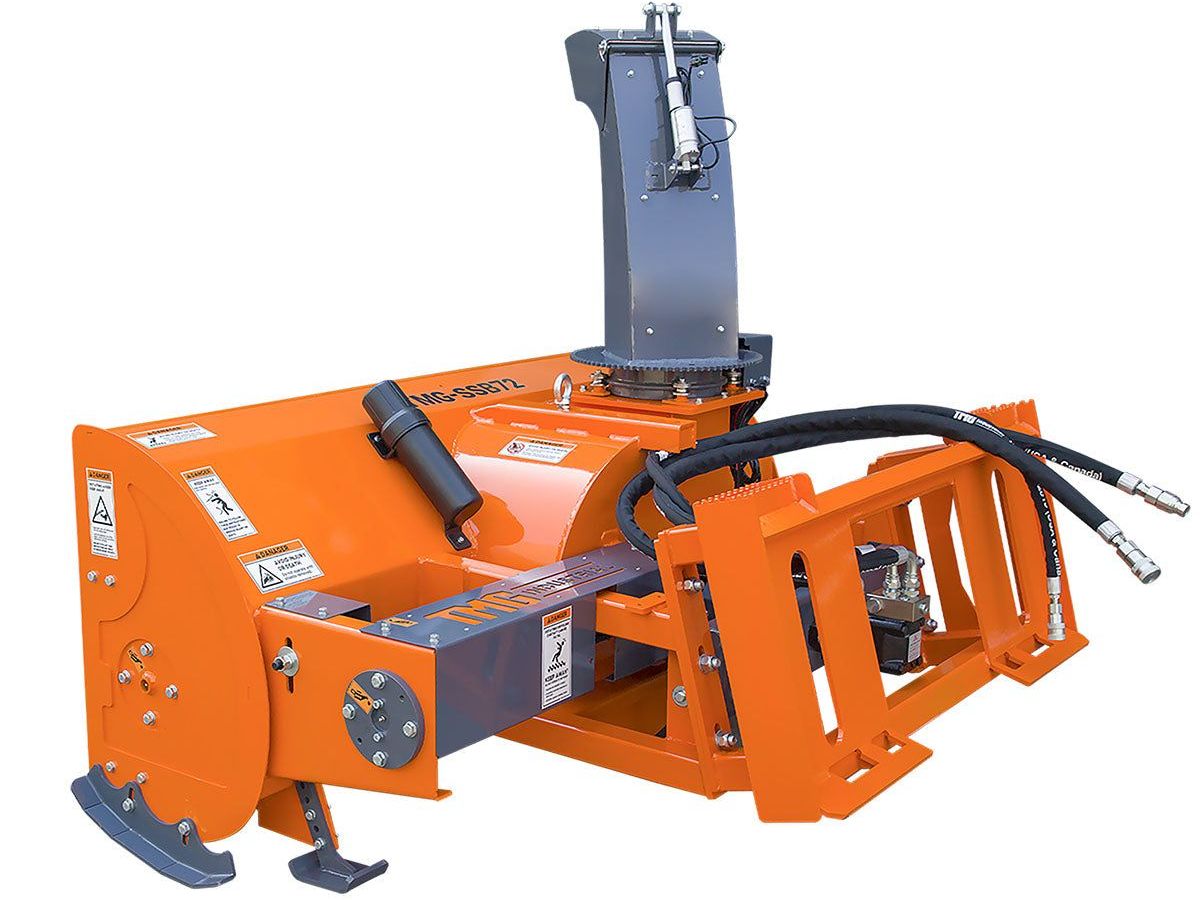
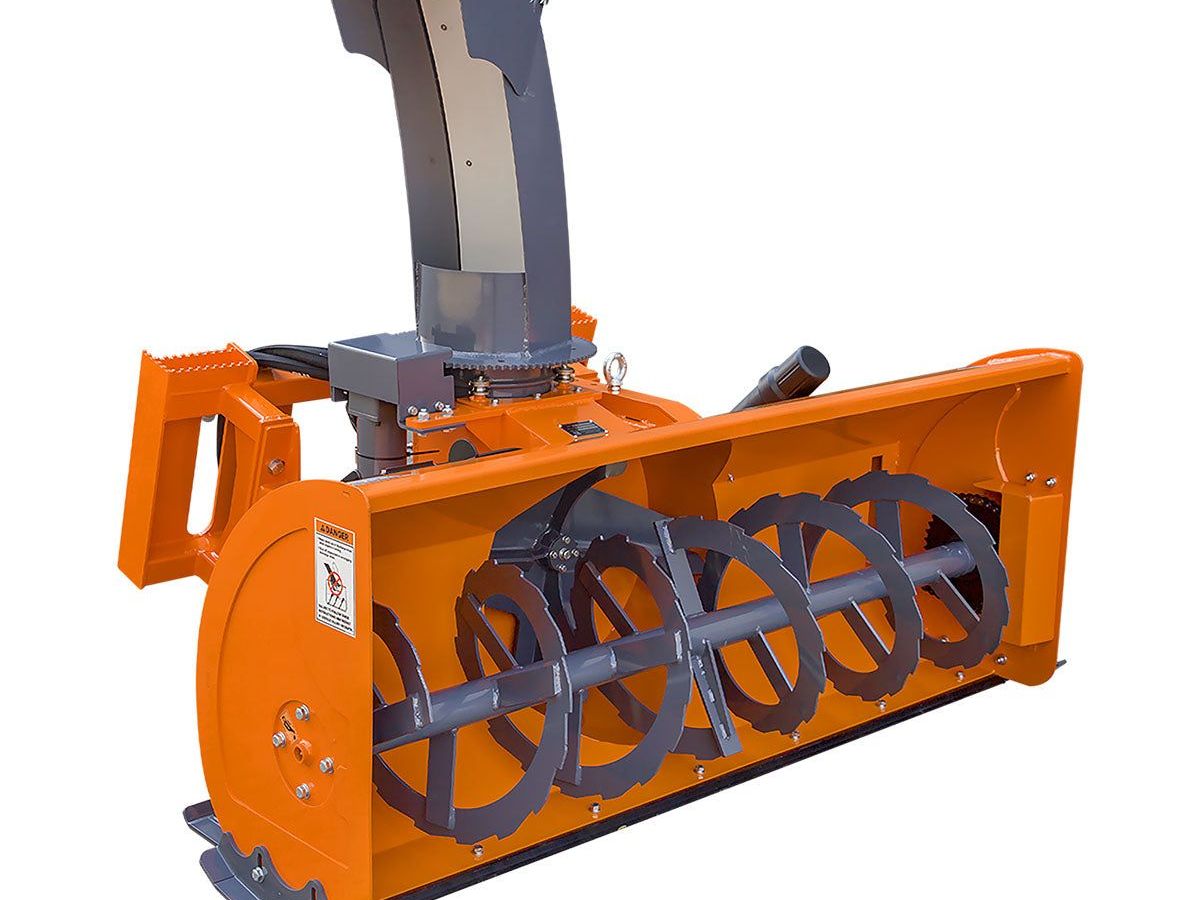
Alright, let’s break down the bits and pieces. The auger is like the teeth of the snow thrower, chomping through snow and ice. Next up is the impeller, which throws the snow out of the chute. And don’t forget the chute itself, which you can aim to decide where the snow goes. Simple, right?
How They Attach to Your Skid Steer
Hooking these bad boys up is pretty straightforward. Most snow throwers attach using a universal mounting plate. You just line it up, lock it in, and you’re good to go. No rocket science here, folks.
Basic Maintenance Tips
Keeping your snow thrower in tip-top shape isn’t rocket science either. Check the oil, inspect the blades, and make sure the chute’s not blocked. Do these checks regularly, and your machine will thank you by working like a champ when you need it most.
Regular maintenance is the secret sauce to a long-lasting snow thrower. Treat it well, and it’ll handle winter’s worst with ease.
Choosing the Right Snow Thrower for Your Skid Steer
Factors to Consider
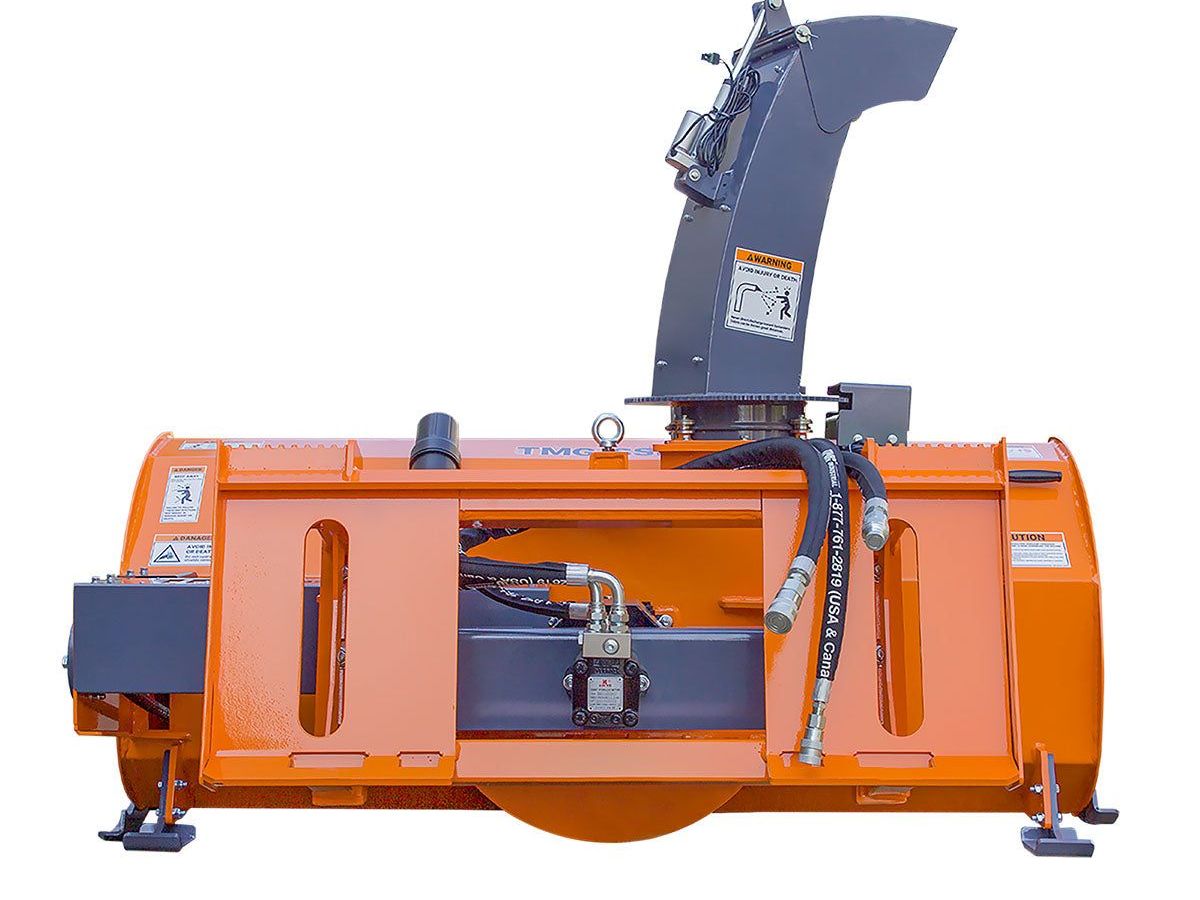
Picking the right skid steer snow blower is like finding the perfect pair of jeans. You need to think about size and fit. Make sure your skid steer can handle the snow blower’s weight and hydraulic requirements. Don’t forget about the type of snow in your area. Fluffy or wet snow? Each needs a different approach.
Popular Models and Brands
There are tons of skid steer snow blower attachments out there. Some of the big names include Bobcat, John Deere, and Caterpillar. They all have different features, so it’s worth checking out what each offers. Look for models with adjustable chutes and impellers for better control.
Budgeting for Your Purchase
Buying a skid snow blower isn’t cheap, but it’s a solid investment. Think about how often you’ll use it and the size of the area you need to clear. Sometimes spending a bit more upfront saves you money in the long run. Consider maintenance costs too. It’s not just about the initial price tag.
Mastering the Operation of Your Snow Thrower
Starting and Stopping Safely
Getting your snow thrower going is pretty straightforward. First, make sure everything’s connected right. Then, fire it up slowly. When you’re done, let it idle a bit before shutting it down. Safety first, always!
Adjusting for Different Snow Types
Snow isn’t all the same, right? Light and fluffy is different from wet and heavy. Adjust your machine’s settings to match the snow type. You’ll save time and avoid stress on the machine.
Efficiency Tips from the Pros
Want to clear snow like a pro? Here’s a tip: keep a steady pace and overlap your paths slightly. It’s all about being consistent. And remember, planning your pattern can save you loads of time.
Maintenance and Care for Longevity
Daily Maintenance Routines
Every day, give your snow thrower a quick look-over. Make sure there’s no snow or ice stuck anywhere. This helps avoid rust and keeps everything moving smoothly. Grease the fittings with cold-weather grease, not the regular stuff. It keeps things from getting too thick and sticky.
Seasonal Care Tips
When the season changes, it’s time for a deeper dive. Clean all parts thoroughly and apply a corrosion inhibitor to any metal surfaces. This makes a big difference in how long your equipment lasts. Store the snow thrower in a covered place to avoid UV damage.
Troubleshooting Common Issues
Got issues? Check if the engine RPM is too low if the snow isn’t throwing far enough. Listen for weird sounds that might mean worn bearings. Keep the hydraulic connections tight and make sure everything’s working right.
Regular maintenance is key to keeping your snowblower in top shape and ensuring it lasts through many winters. Learn more about regular maintenance.
Advanced Techniques for Snow Throwing
Handling Heavy Snowfall
So, you’ve got a ton of snow and need to clear it fast. Increase your skid steer’s power by using a lower gear to push through heavy snow. Keep the blower at a steady pace to avoid clogging. Sometimes, you just have to take it slow and steady.
Maximizing Throw Distance
Want to throw snow as far as possible? Angle the chute high and adjust the deflector. This helps the snow fly further. The right angle makes a big difference, so play around with it until you get it just right.
Working on Uneven Terrain
Dealing with bumpy ground? Adjust the skid shoes to match the terrain. This keeps the blower level and prevents damage. You might need to make a few passes to get it all, but it’s worth it to keep everything smooth.
Safety First: Operating Your Snow Thrower
Pre-Operation Safety Checks
Before you even think about starting your snow thrower, give it a good once-over. Check the cutting edges and wear items to make sure they’re not worn out. Peek at the hydraulic connections and make sure they’re not leaking or loose. Ensure the chute rotation works like it’s supposed to. Skipping these checks is like asking for trouble.
Operating in Low Visibility
When the weather’s wild and you can’t see much, take it slow. Keep your lights on and your eyes peeled for anything that might be in your way. If you can’t see it, you can’t dodge it, right?
Emergency Procedures
Stuff happens, even when you’re careful. Know how to shut down your snow thrower fast if something goes wrong. Keep a clear path to exit the cab if you need to bail. It’s better to be safe than sorry, always.
Innovations in Snow Thrower Technology
Latest Features to Look For
So, snow throwers are getting some cool upgrades these days. The new 6-bladed fan design can move a ton of snow, literally over 50 tons per hour. And the serrated augers? They grind through snow like a boss, making your life a whole lot easier.
Eco-Friendly Options
Going green is the way to go, even when it’s white outside. Some new models are all about reducing emissions, which is awesome for the planet. Plus, electric options are popping up, so you can clear your driveway without the gas fumes.
Future Trends in Snow Removal
What’s coming next? Well, think about automation and smart tech. Imagine a snow thrower that you can control from your phone, or one that learns your yard’s layout. It’s like having a robot butler for your snow problems.
Snow thrower tech is evolving fast, and it’s all about making snow removal quicker, easier, and a bit more high-tech.
Real-World Applications and Success Stories
Commercial Use Cases
Using a snow thrower with a skid steer in commercial settings is a no-brainer. Businesses love them for keeping parking lots and driveways clear. Efficiency is key when you’ve got a lot of ground to cover.
Residential Success Stories
Homeowners are catching on too. They’re using skid steer snow throwers to keep their driveways and sidewalks snow-free. It’s a real time-saver compared to shoveling.
Community Snow Removal Projects
In some places, communities come together to clear public spaces. These machines make it a team effort and get the job done faster. It’s all about working together to keep everyone moving.
Comparing Snow Throwers to Other Attachments
Snow Blowers vs. Snow Plows
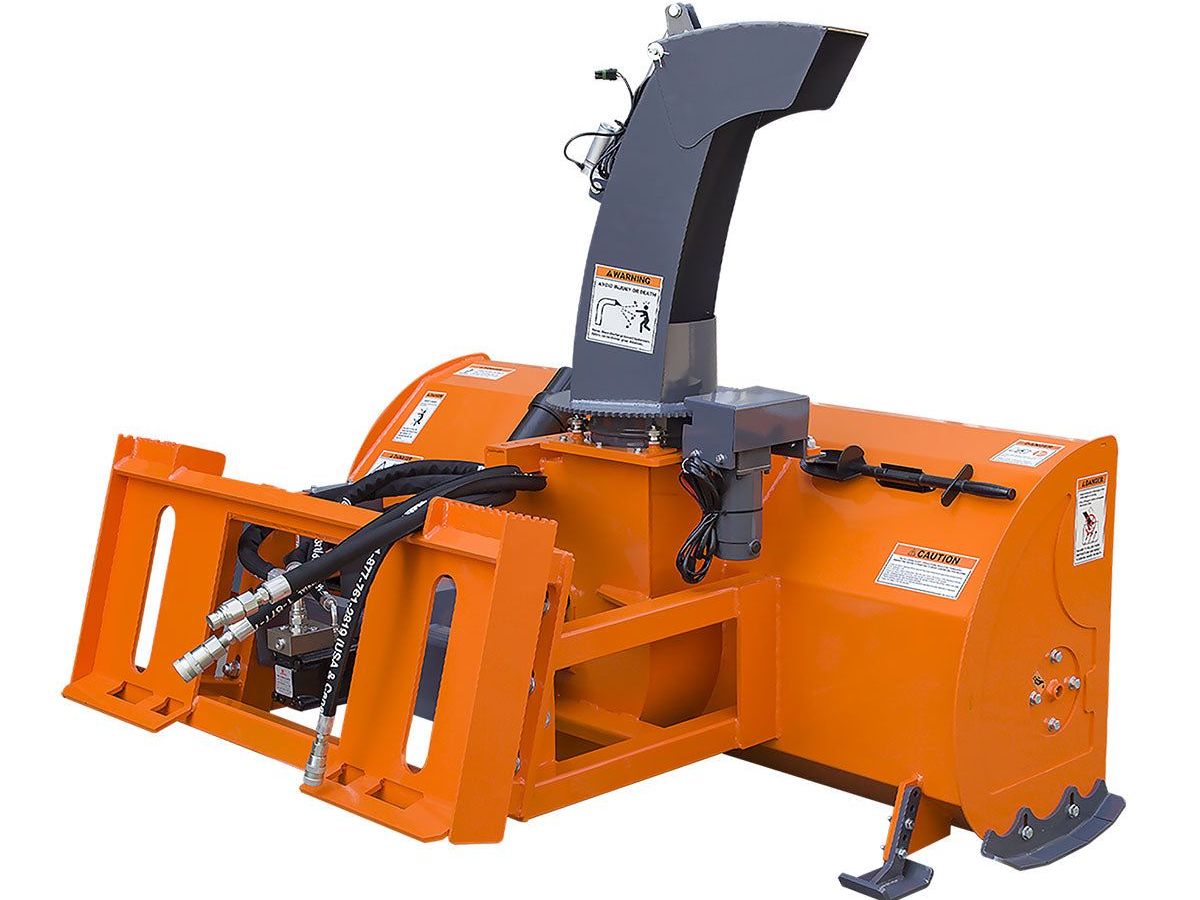
Snow blowers are like the superheroes of snow removal, throwing snow far away, while plows just push it around. Snow blowers can handle deep snow better, making them ideal for areas with heavy snowfall. Plows, though, are quicker for light snow or when you need to clear a large area fast.
When to Use a Snow Pusher
Snow pushers are your go-to for big, open spaces like parking lots. They push snow into piles, which is great if you have space to spare. Unlike blowers, they don’t throw snow, so there’s less risk of damaging nearby stuff.
Combining Attachments for Best Results
Sometimes, mixing and matching is the way to go. Use a blower for the heavy lifting, then switch to a plow or pusher for cleanup. This combo can save time and make sure you get every bit of snow out of the way.
Mixing different attachments can be a game-changer. It’s all about finding what works best for your specific needs and snow conditions.
When you think about snow throwers, it’s important to compare them with other tools. Snow throwers are designed to clear snow quickly and efficiently, making them a great choice for winter tasks. If you’re looking for the best equipment to handle snow, check out our website for more information and options!
Wrapping It Up: Your Snow Clearing Companion
So there you have it! A skid steer snow blower is your best buddy when winter hits hard. With this powerful tool, you can clear snow quickly and easily, saving your back and time. Remember to keep up with maintenance and use the right techniques to get the most out of your equipment. Whether you’re a pro or just starting, this guide has you covered. Get ready to tackle those snow piles like a champ!
Frequently Asked Questions
What is a skid steer snow thrower?
A skid steer snow thrower is an attachment that helps skid steers remove snow quickly and efficiently.
How does a snow thrower differ from a snow plow?
Unlike a snow plow that just pushes snow, a snow thrower blows the snow away, making it more effective for heavy snow.
Can I use a snow thrower on different types of surfaces?
Yes, snow throwers can be used on various surfaces, including gravel and paved areas, by adjusting the height.
What maintenance is needed for a skid steer snow thrower?
Regular checks on the blades, hydraulic connections, and overall cleanliness are important for keeping the snow thrower in good shape.
How do I choose the right snow thrower for my skid steer?
Consider factors like the size of your skid steer, the amount of snow you typically deal with, and your budget.
Are there any safety tips for using a snow thrower?
Always check your equipment before use, be aware of your surroundings, and ensure visibility is clear.
What are the benefits of using a snow thrower?
Snow throwers are faster, can handle heavy snowfall, and are versatile for different snow conditions.
Where can I find parts for my skid steer snow thrower?
You can find parts at local equipment dealers or online retailers specializing in skid steer attachments.