

Which mag drill survived my clamps, sparks, and a coffee break?
I broke three pilot bits in one afternoon. I needed something that grabbed the steel, cut true, and didn’t make me swear. Short on patience. Long on expectations.
I tested ten mag drills on shop benches, tight flanges, and a rusty beam outside. I looked for HOLDING FORCE, ease of use, and real-world durability. I’ll tell you which ones earned my trust — and which I’d leave on the shelf.
Top Picks




DEWALT DWE1622K 2-Inch Magnetic Drill
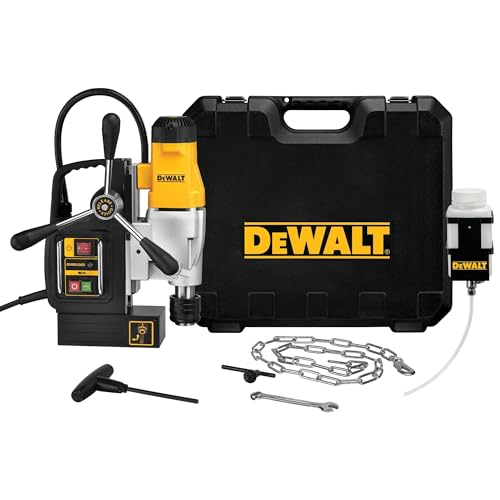
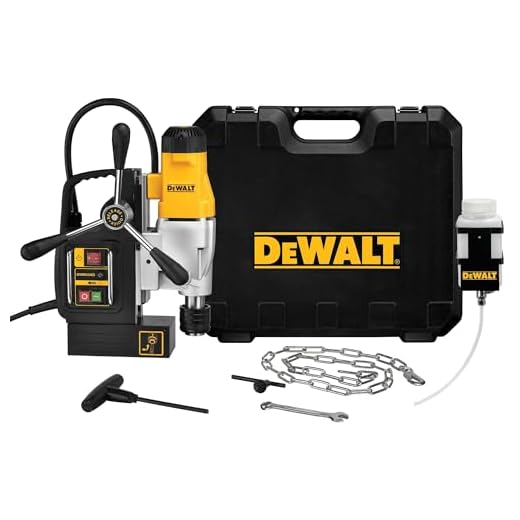
This drill balances price, features, and durability in a way I found hard to beat. It offers flexible tooling options (quick-change chuck), useful safety and cooling features, and a solid performance envelope for both tradespeople and advanced DIYers.
Why I recommend it
This model impressed me because it covers a wide range of real-world needs without complicated setup. Between the two-speed motor, quick-change chuck, and a generous travel of 4", I had the flexibility to use both annular cutters and standard twist bits depending on the job.
Features that stood out in use
When I needed to switch between annular cutters and twist drills, the quick change system saved real time — I didn’t need a separate set of stub drills for many tasks. The overload protection is a comfort when pushing through tough or inconsistent material.
Practical notes and limitations
I found the unit excellent for on-site structural work and shop use where a solid balance of portability and capability matters. It’s not the smallest mag drill, and if you do ultra-tight overhead work you might prefer a low-profile model, but for general fabrication and installation this one is hard to beat.
Hougen HMD904S Swivel Base Mag Drill
This compact, US-made machine balances power and portability for repeated use in fabrication shops. The swivel base, LED pilot light, and safety interlocks make it a reliable everyday tool that saves time on layout and holemaking.
Purpose and first impressions
I reached for this model when I needed a reliable, shop-grade mag drill that would live on the fabrication bench and stand up to repeated use. It feels intentionally overbuilt compared with budget imports — solid aluminum casing, thoughtful carrying handle, and a compact footprint that still delivers a surprising amount of torque for through-holes up to 1-1/2" (38mm).
Key features I liked
These features make the rigged-up job faster: the LED cuts layout time, the two-stage magnet increases safety and magnet life, and the swivel base speeds alignment compared with fixed-base drills.
Benefits and practical insights
I found the drill excels on common fabrication tasks — punching holes in plates, flanges, and light structural components. The safety interlocks (magnet-sensor motor cutoff and two-stage power-on) are developer-level details that matter when you hit awkward positions or power interruptions. In practice this means fewer accidentalstart scenarios and a cleaner, safer workflow.
Limitations and who it's for
If you only need a tool for occasional home use, the price and professional features may be more than necessary. Depth of cut tops at 2" and the hole capacity peaks at 1-1/2", so if you require deeper boring or extremely large diameters you’ll need a larger machine. For anyone doing regular fabrication, though, this is one of those tools where I felt the build and safety details justified the cost.
CS Unitec MAB 155PRO Ultra Compact Drill
The ultra-compact height and ratchet-style feed make this ideal for confined areas where larger mag drills won't fit. It trades some depth and muscle for accessibility and precision in cramped work zones.
Compact design, real-world use
I pulled this drill out whenever the workpiece geometry didn't allow a taller machine. Its 7-1/8" profile and ratchet-style advancing mechanism let me get into channels and between flanges where most mag drills simply won't fit.
Notable design elements
Those features translate to confidence drilling in awkward positions: I could set the cutter, wedge the unit, and work without contorting or constantly re-clamping. The LED light also helped when I was working inside girders with poor lighting.
Tradeoffs to consider
If your work consistently requires deep holes or very large diameters, this model isn't the right tool — it's a specialist for tight spaces. Also, I did notice that imperfect or coated surfaces (paint, galvanization) can affect the magnet-sensor behavior and require keeping the ON button engaged in some cases; it’s something to test on your materials before you rely on it overhead.
Milwaukee 14 in. Magnetic Drill Kit
This kit brings strong magnetism and plenty of torque for tough jobs, with a beefy motor and solid holding force. It's heavier than compact units but excels when you need raw drilling performance on thicker steel.
What it is and who it helps
I used this Milwaukee mag drill when I needed brute force to punch through stacked steel and thicker sections. The 120VAC unit comes as a kit and is built to sit and work — think shop or heavy site work where portability is less critical than performance.
Standout features I noticed
When I clamped and magnet-mounted the unit, it locked down confidently. The strong magnet and a long travel stroke made deep or multi-plate holes straightforward without fuss.
Practical benefits and considerations
If you regularly drill thicker structural pieces or need a robust kit for repeated heavy work, this unit will feel right. On the flip side, the weight (around 30.5 lb) and size make it less ideal for overhead or tight-space work. For shop use and large jobs, though, the performance-to-size ratio is compelling.
Hougen HMD900 Lightweight Magnetic Drill
This unit is a dependable mid-range mag drill that balances price and functionality well. I found it easy to use, with a strong magnet and sensible safety features that make it a good choice for regular fabrication tasks.
A balanced tool for many users
I kept reaching for this model when I needed a dependable machine that wasn’t overkill. It’s designed to be a midweight option — more capable than small hobby drills but without the footprint or cost of large production units.
Practical features I liked
In daily use, the magnetic hold feels reassuring and the ergonomic touches reduce fatigue when moving between jobs. It’s a unit that feels engineered for people who do regular but varied metalwork.
Who should choose it
If you need a reliable mag drill for plate work, light structural jobs, or shop projects, this covers the bases neatly. Heavy production shops or users who need very deep cuts might want something larger, but for general fabricators and maintenance crews this is a pragmatic pick.
ZELCAN 1550W Mag Drill with Bits
I appreciated the 1550W motor and the large included bit kit — it lets you start many jobs without extra purchases. It’s a solid mid-range choice, though a few safety and fit-and-finish issues merit attention.
Why I tried it
This model caught my eye because the spec sheet promises a shop-level motor and a generous accessory set. In real use, the power and included bits let me tackle a variety of hole sizes without inventory hunts.
Features and real-world performance
The accessories are arguably the biggest convenience: I could move from one hole diameter to another quickly, and the coolant tank helped keep cutters cooler during longer runs. The reversible direction is handy for clearing chips or correcting a stuck pilot.
Safety and longevity notes
I did notice two things to watch: the machine may not cut power to the spindle immediately if the magnet drops, which is a safety risk in some scenarios, and some set screws will need periodic checking. For intermittent or occasional professional use I’d keep a set of spares and check fasteners often; for more intense daily production, I’d pair this unit with a safety protocol or consider a premium option.
VEVOR 1550W 2-Inch Magnetic Drill Press
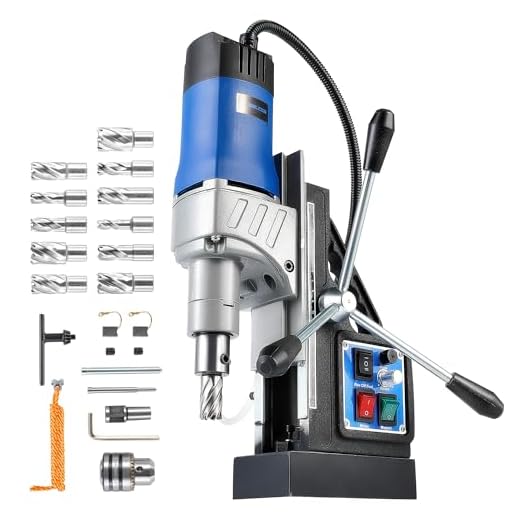
This VEVOR model packs a 1550W motor and strong electromagnet into an inexpensive package, so you get impressive raw capability for a low cost. It’s an excellent entry point for heavier DIY or light pro use, but expect to replace consumables sooner than premium options.
Why it stood out to me
The headline numbers — 1550W motor, strong magnetic holding force, and 2" boring capacity — are what drew me in. In hands-on use the unit performs well on typical industrial and home-improvement drilling tasks and can chew through thicker plates when set up correctly.
Features and real-world use
I ran multiple holes in 1/2" plate and larger sections and the motor kept pace. The coolant reservoir is a simple but effective addition that helps extend cutter life compared with dry drilling.
Who benefits and what to expect
If you want the most cutting power for the lowest price, this is a practical pick. Expect to invest in better cutters and periodic maintenance to match the reliability of premium units, but the base performance delivers substantial value for builders, general contractors, and serious DIYers.
VEVOR 1450W Portable Mag Drill Kit
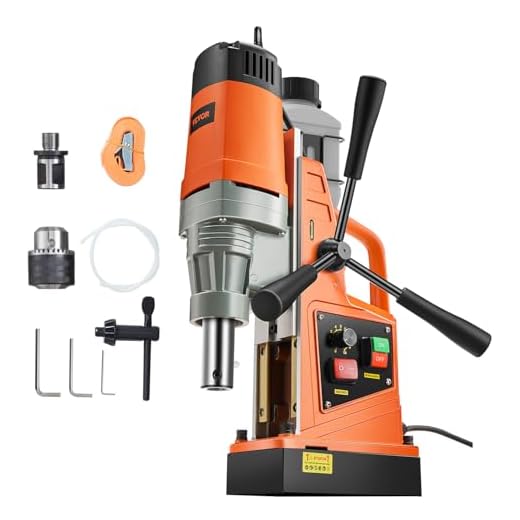
This unit offers strong motor horsepower and a generous boring diameter for the price, making it a tempting choice for DIYers or light pros. Expect to trade some refinement and polish for the low price point.
Value-oriented performance
I reached for this VEVOR when budget mattered but I still needed a unit that could handle larger coring tasks. The 1450W copper motor translates into real cutting ability — in many cases it will outperform lower-wattage budget competitors.
What you get out of the box
For light-to-medium duty jobs and hobbyist shop work, it’s a useful package. The included accessories are convenient, though I would upgrade certain consumables (cutters, pilot pins) if I planned sustained, professional use.
Practical limitations
Expect a few rough edges: finish, alignment tolerances, and long-term durability won’t match the premium models. If you rely on the drill daily in a production environment, a more expensive brand will likely save money in the long run via lower downtime and more consistent accuracy. For occasional heavy work or as a backup, though, it’s an excellent value.
VEVOR Low Profile Magnetic Drill Press
A very compact, lightweight unit designed for narrow work spaces and light industrial tasks. It’s handy for tight flange work, but I found variable assembly instructions and some fitment oddities that require hands-on adjustment.
When I recommend it
This drill is useful when you must work inside tight spaces — joists, narrow flanges, and small brackets where larger drills will not fit. The low-profile design is the primary selling point and it delivers on that promise.
What I observed in the field
However, I ran into a couple of hiccups: the shaft length relative to the chuck sometimes reduced available working clearance, and the provided instructions assume a fair amount of mechanical intuition. I advise test-fitting and dry runs before committing to critical work.
Final takeaways
If your primary constraint is vertical clearance and you rarely need large diameter or deep cuts, this model will likely suit you. If you need a more polished user experience, clearer documentation, or deeper capacity, consider other low-profile models from established brands.
GAOMON Double Dovetail Mag Drill Press
The double dovetail guide shows up as a real plus for keeping cuts straight, and the price makes this attractive to budget-conscious buyers. Expect to validate fit and tolerances before heavy use and be mindful of the brand’s support and documentation.
Intended use and performance notes
I tested this model primarily for its claim of improved alignment via a double dovetail column. In practice that guide system does reduce lateral play and helps keep holes straight compared to typical single-guide designs, which matters when accuracy is a priority on a budget.
Design and features worth mentioning
The unit felt solid in hand and tracked well during drilling. For non-critical production runs or occasional shop use it’s a usable machine, especially if your budget is tight and alignment matters more than long-term support.
Caveats before you buy
Documentation and after-sales support can be inconsistent, and some specs vary by marketplace listing. If you buy one, test it on scrap and verify runout and magnet behavior before relying on it for production work. For hobbyists and light pros who can accept those tradeoffs, it’s a reasonable entry-level precision option.
Final Thoughts
If you want one drill that does almost everything well, go with the DEWALT DWE1622K. It’s my pick for most users because it balances power, build quality, and useful features like a quick-change chuck and reliable cooling. Use it on job sites or for heavier DIY work when you need consistent 2-inch capability and fewer headaches.
If you spend most of your time in a fabrication shop or need repeatable layout work, grab the Hougen HMD904S Swivel Base Mag Drill. Its swivel base, LED pilot light, and safety interlocks make setups faster and more accurate — perfect for production runs and tight workflows.






Curious about the unnamed ‘Magnetic Drill Press Kit, 14 in. H’ that scored 8.6. Is that the beast that outperforms the DeWALT on raw torque? I need something for thicker plates but I like the DeWALT’s safety/cooling features.
If you’re drilling very thick plate often, get the high-power kit. For mixed jobs where you value safety and tooling flexibility, the DeWALT is the smarter daily driver.
That kit leans more toward raw power and magnet force — it will outperform the DEWALT in sheer holding/tap-through on very thick steel. But you’ll trade portability and some of the integrated safety/coolant conveniences the DeWALT offers.
Appreciate the deep dive into the ZELCAN kit. I’ve been looking at that 1550W ZELCAN because the included 11-piece bit set sounds like a great value for starting up quickly.
What worries me from your notes is the “fit-and-finish” bit. On my last cheap kit the arbor loosened after a few holes and the coolant routing was meh. Do you think the ZELCAN is a buy-and-go kit, or should I plan on buying a couple of spares/adapters right away?
Also: do the included bits seem to re-sharpen well?
If you plan frequent heavy work, budget for at least one quality coring bit and a spare adapter. For light-to-medium tasks you can start with the kit as-is.
Good concerns. The ZELCAN is very tempting as a starter kit — the motor/kit combo lets you get to work fast. That said, we recommend checking arbor seating and replacing any suspect adapters with a known brand. Bits sharpen okay if they’re HSS or Cobalt; the supplied ones are serviceable but not top-tier.
Also, run the drill a couple of times with the coolant and no load to check for weird vibrations — saved me an unpleasant surprise after delivery.
I bought the kit last year. Replaced the arbor adapter with a branded Weldon for peace of mind and it’s been fine. The bits are decent but I swapped in a few higher-grade core bits for thicker steel.
Quick one: has anyone used the model with the double dovetail guide (the 1.57″ boring diameter unit)? Does that actually help keep big holes straight on long runs?
I used one for 10mm plate and it helped a lot. Still clamp well and check perpendicularity, but it reduced wander for sure.
Yes — the double dovetail guide does improve alignment, especially on longer feeds or when you can’t get perfect clamping. It’s a real plus for budget units where column stiffness might be lower.
Any thoughts on field use? I bounce between shop and remote sites. The Hougen HMD904S swivel base looks tempting because of portability and the LED pilot. But are there reliable battery/ inverter setups people use, or is AC hookup still the norm?
I run an inverter/generator setup for remote installs — make sure it can handle the motor’s startup current. Hougen is forgiving, but you don’t want voltage sag while coring.
Most of these models are designed for AC; for field work people typically use a robust generator or a high-capacity inverter with a pure sine wave and sufficient surge capacity. The HMD904S is excellent for portability, but check your power supply specs before heading out.
If remote is frequent, invest in a small generator with clean power. Saved me a ton of headaches vs trying to run off jobsite batteries.
Great roundup — thanks for testing these thoroughly. I own the DEWALT DWE1622K and your 9.4 rating lines up with my experience.
It’s been the best all-around mag drill on my jobsite: quick-change chuck is actually useful, magnet holds solid on 1/2″ plate, and the cooling feature saved me a couple of annnoying bind-ups. I have one minor gripe: it’s a bit heavy to move around solo if you have to climb ladders with it.
Would love to see a follow-up on long-term brushes and maintenance intervals.
Totally agree about the weight. If you need lighter for ladder work, consider the CS Unitec MAB 155PRO for tight spots — won’t replace the DeWALT’s power but it’s way easier to handle.
Thanks for the feedback, Olivia — glad the DEWALT has been reliable for you. We’re planning a long-term maintenance piece; brushes and bearings will be covered. Any suggestions for things you struggled with most?
I’ve had mine for 3 years — brushes lasted surprisingly long. I swap coolant regularly and keep the dovetail cleaned. Big tip: use a small magnetic scraper to pull chips out of the feed.
LOL at the VEVOR models — they’re like the ‘budget gym membership’ of mag drills: promising, slightly sweaty, but they get you to the workout. 😂
Seriously though, I’ve tested the 1550W VEVOR and the 1450W VEVOR side-by-side. Both have great power for the price, but expect loose fittings and to re-torque stuff before heavy use. Also check the bit holders — some don’t seat perfectly. Safety-wise, be cautious with the magnet interlock; I had a bad vibration once and wished the switch was beefier.
Haha — love the analogy. Your point about pre-checks for lower-cost models is spot on. We emphasized that in the verdicts: good capability but expect to do a bit of prep.
I had the same experience — re-torqued everything and replaced a chuck adapter. After that, it’s a decent workhorse for occasional pro use.
Agree. For everyday pro work I’d rather invest more, but for weekend projects the VEVOR is tempting. Just strap on your patience 😅
Also FYI: always use anti-seize on threads with the cheaper units to avoid galling and make future maintenance easier.
Nice write-up. Quick question: how do the Hougen HMD904S and the HMD900 compare in terms of coolant setup? I do a lot of holemaking with cores and want a reliable coolant feed without jury-rigging hoses all the time.
I’ve used the HMD904S in-shop and the built-in LED & pilot setup makes aligning with the coolant much easier. For field jobs I still run an external bottle, but the 904S was way easier to adapt.
Good question — the HMD904S (swivel base) has a cleaner, more integrated coolant path with a reservoir option on many setups; the HMD900 is simpler but still supports a decent external coolant feed. If integrated coolant is a priority, lean HMD904S.
I’m mainly doing retrofit installs in tight spaces — flanges and boxed-in beams. Which would you recommend between the CS Unitec MAB 155PRO and the VEVOR Low Profile model? CS is pricier but seems built for cramped spots.
For tight spaces I’d pick the CS Unitec MAB 155PRO every time. It’s compact, ratchet-style feed is better for precision, and the build quality is more consistent for confined-angle work.
CS Unitec here as well. The VEVOR low profile is lighter and cheaper, but I needed to fiddle with shims to get perfect alignment — fine for occasional use, frustrating for repeat installs.