


In the world of professional woodworking, having the right tools is essential for achieving top-tier results. When it comes to sanding tasks, a high-quality belt sander can make all the difference in efficiency and precision. In this post, we’ll explore six of the top belt sanders favored by professionals for their reliability, performance, and durability. If you’re serious about your craft and want to invest in a reliable tool that will meet your professional sanding needs, keep reading to discover our top recommendations.


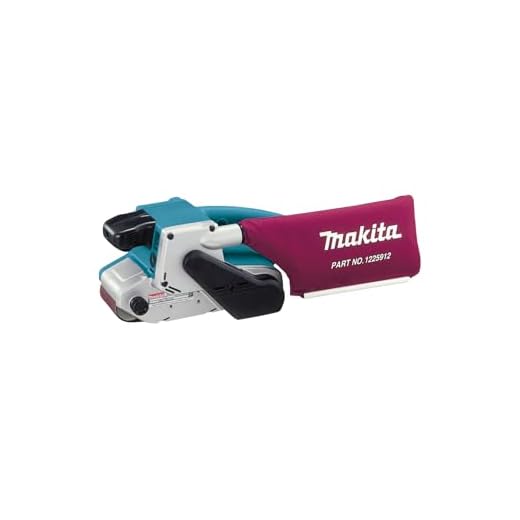


Makita 9403 Belt Sander, Teal, 4″x24
The Makita 9403 4″ x 24″ Belt Sander in Teal is a powerhouse tool known for its combination of power, speed, and ease-of-use features. This belt sander is perfect for woodworkers, carpenters, and general contractors looking for top-notch performance. With its 11 AMP motor, electronic speed control, and low noise level of 84dB, the 9403 makes fast and efficient stock removal a breeze. Additionally, this sander features a large front grip for operator comfort, easy belt changes, and a highly efficient dust collector to keep your work area clean. Built to last and deliver exceptional results, the Makita 9403 is a reliable tool for any sanding project.
DEWALT 20V MAX Cordless Belt Sander
The DEWALT 20V MAX* Belt Sander is a versatile tool designed for professionals. With a variable speed trigger and 25 speed increments, you have ultimate control. The quick release belt change makes it easy to switch sandpaper, while the over-mold auxiliary handle provides better grip for two-handed operation. The dust collection feature minimizes dust, and the Brushless Motor ensures increased runtime and efficiency. Users have praised its performance on various projects, making it a highly recommended tool for carpentry, remodeling, or general contracting tasks. Remember to have extra batteries on hand for longer operation times.
Makita 9903 Belt Sander
The Makita 9903 3″ x 21″ Belt Sander is a powerful and efficient tool that combines speed with ease-of-use features. With a variable speed control dial, auto-tracking belt system, and front grip, this belt sander is perfect for woodworkers, carpenters, and general contractors. It operates quietly at only 84dB and features a long 16.4-foot power cord for easy maneuverability. The sander is designed for precision and reliable performance, making it an ideal choice for various woodworking projects.
WEN 6502T Belt and Disc Sander
This powerful WEN 6502T Belt and Disc Sander with a sturdy cast iron base offers versatility and reliability in sanding wood and lumber. The 4.3 Amp 1/2 HP motor prevents bogging down under heavy loads, while the 4-inch-by-36-inch belt and 6-inch disc provide ample sanding capacity. The belt tilts from 0 to 90 degrees for customized sanding, and the cast-aluminum work table and miter gauge ensure precise results. With a convenient tension release lever for easy sandpaper changes and a 2.25-inch dust port for a cleaner workspace, this WEN sander combines quality and value, backed by a two-year warranty and excellent customer service.
Enjoy the robust and stable performance of the WEN 6502T Belt and Disc Sander, perfect for woodworking enthusiasts seeking a budget-friendly yet efficient tool. With features such as a powerful motor, adjustable belt tilt, and sturdy cast iron base to minimize vibrations, this machine offers exceptional value. Users appreciate the ease of changing sandpaper grits, the inclusion of a miter gauge for angled sanding, and a dust port for easy clean-up. Backed by a two-year warranty and positive reviews from satisfied customers, this WEN sander is a reliable choice for your woodworking projects.
Skil 7510-01 3″X18″ Belt Sander
The Skil 7510-01 Belt Sander is a powerful tool with innovative features that make woodworking tasks a breeze. Its pressure control technology ensures optimal sanding results by alerting you when excessive pressure is applied. With 6.0 A of power, it can handle any wood surface effortlessly. The micro-filtration system captures fine dust particles, while the auto track belt alignment keeps the belt centered. Conveniently vacuum-compatible, this sander is designed for maximum efficiency and ease of use. The flush edge sanding feature allows you to work right up to edges for precise results. Overall, this Skil Belt Sander offers excellent performance at a budget-friendly price point.
WEN 6321 7-Amp Belt Sander with Dust Bag, Black
The WEN 6321 7-Amp 3 in. x 21 in. Corded Belt Sander with Dust Bag in Black is a versatile and powerful tool designed for fast material removal. With a high-power 7-amp motor spinning the belt at 820 feet per minute, this sander is perfect for debarring splinters, stripping paint, and finishing edges. Weighing just six pounds, it’s light and easy to use, helping to minimize user fatigue. The lock-in safety feature allows for continuous sanding without needing to constantly grip the trigger, and the included dust bag makes clean-up a breeze. Backed by a two-year warranty and receiving great reviews, this WEN belt sander is a must-have for any woodworker’s shop.
Top Belt Sander Brands
Key Factors to Consider When Choosing a Belt Sander
- Power and Speed: Consider the power of the motor and the speed of the belt. A more powerful motor and higher belt speed can help you sand materials more efficiently
- Belt Size and Changing Mechanism: Look for a belt sander with a suitable belt size for your projects. Also, check how easy it is to change the sanding belts. A tool-less belt changing mechanism can save you time and effort
- Dust Collection System: A good dust collection system is important for keeping your workspace clean and prolonging the life of your belt sander. Look for a model with an effective dust collection system to minimize any mess
Belt Sander FAQs
Some popular brands that manufacture belt sanders include DEWALT, Makita, Bosch, Black & Decker, and Porter-Cable. These brands are known for producing high-quality and durable belt sanders that are widely used by both professionals and DIY enthusiasts.
Certainly! One key difference between a hand-held belt sander and a stationary belt sander is the way they are used.
A hand-held belt sander is small and portable, designed for easy maneuverability to work on smaller projects or in tight spaces. You physically control the movement of the sander over the surface you are working on.
On the other hand, a stationary belt sander is larger and is designed to be mounted on a workbench or stand. The material you are sanding is moved against the stationary belt to achieve a smooth finish. This type of sander is great for larger projects that require more power and stability.
In summary, the main difference lies in how the sanders are used – hand-held for mobility and control, while stationary for stability and power.
A belt sander is a powerful tool used to smooth and shape wood, metal, or other materials. It consists of an electric motor that drives a continuous loop of sandpaper, or sanding belt, around two drums. The sanding belt rotates very quickly, providing a fast and efficient way to remove material and achieve a smooth surface. By pressing the material against the moving sanding belt, you can quickly and evenly sand down surfaces. Just be sure to move the belt sander smoothly and evenly across the material to avoid uneven sanding.
When it comes to sanding tools, a belt sander offers several advantages over other options. Belt sanders are excellent for quickly removing material and smoothing surfaces due to their powerful motor and large sanding area. They are particularly useful for leveling large, flat surfaces and for working on rough stock removal tasks. Belt sanders also tend to be more efficient in removing material compared to other sanders like orbital or palm sanders. Additionally, the continuous belt design minimizes the risk of leaving swirl marks on the workpiece.
Some accessories that can enhance the performance of a belt sander include:
- Sanding belts of different grits to cater to various types of materials and finishes.
- A dust collection system to keep your workspace cleaner and to improve visibility.
- A fence or guide to help with precise and consistent sanding.
- Sanding frames or sanding blocks to assist with edge sanding and maintaining a flat surface.
- Workpiece clamps to securely hold your project in place during sanding.
These accessories can help you achieve better results and make your sanding tasks more efficient and effective.
Yes, belt sanders can be used to remove old paint or varnish from surfaces. The power and speed of a belt sander make them effective at stripping away layers of paint or varnish. However, it is essential to use the appropriate grit sandpaper to avoid damaging the surface underneath. Make sure to wear personal protective equipment and work in a well-ventilated area when using a belt sander for this purpose.
When choosing a belt sander, there are several key features to consider:
- Power: Check the motor power which will determine the performance of the sander.
- Belt Speed: Higher belt speeds are more efficient for removing material quickly.
- Belt Size: Consider the width and length of the belt to fit different job requirements.
- Dust Collection: Look for a sander with effective dust collection to keep your work area clean.
- Variable Speed: Having the option to adjust the speed allows for more versatility in different tasks.
- Build Quality: Make sure the sander is durable and well-constructed for longevity.
Taking these features into account will help you choose the right belt sander for your specific needs.
Yes, a belt sander can be used for shaping and smoothing curved surfaces. However, it is important to note that it may require some skill and practice to maneuver the belt sander effectively over curved surfaces. Additionally, using the right grit sandpaper and ensuring a steady hand can help achieve the desired results. Remember to always prioritize safety by wearing appropriate protective gear when using power tools like a belt sander.
When selecting the right sanding belt grit for your project, it’s important to consider the level of coarseness or fineness required to achieve the desired result. Here are some general guidelines:
- Lower grit numbers, such as 40 to 60, are more coarse and are suitable for heavy material removal and shaping tasks.
- Medium grit numbers, around 80 to 120, are good for intermediate sanding and smoothing surfaces.
- Higher grit numbers, from 150 to 600 or more, are finer and are ideal for finishing touches and achieving a smooth surface.
Remember, the lower the grit number, the coarser the sandpaper, and the higher the grit number, the finer the sandpaper. Always start with a coarser grit and progress to finer grits for best results.







Do any of these sanders come with a warranty?
I appreciate the variety in brands included in the list.
Are there any upcoming models that might be worth waiting for?
Professional woodworker here, these recommendations are spot on.
I wish there was a comparison chart for easy comparison.
Would be nice to see more detailed specs included for each sander.
I wonder if these sanders are readily available in local stores.
Are there any user reviews or ratings to go along with this list?
Number 6 seems a bit overpriced compared to others on the list.
This article helped me make an informed decision, thank you!
As a beginner, I found this list to be overwhelming.
Great list, very helpful in narrowing down my choices!
I would have liked to see a price range mentioned for each sander.
I’ve used #3 on the list and it works like a charm.