


Which grapple survives your yard’s worst day — and which one cries for help?
Stop underestimating your grapple. One good bite can save hours; one bad choice can turn a cleanup into a headache.
I tested five root grapples across sizes and budgets. I’ll tell you which ones I actually enjoyed using, and which ones made me double-check my rig.
Top Picks
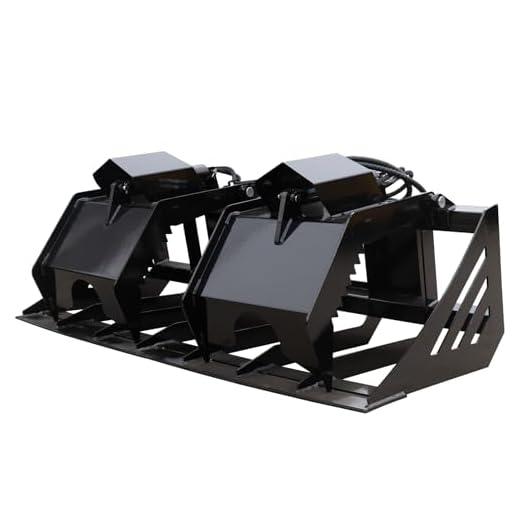


78" MIVA Heavy-Duty Log Grabber
I found this wide 78" grapple very capable when grabbing big logs and bulky debris; it feels engineered to handle heavy material while staying relatively light for its size. Compatibility checks and correct hydraulic pressure are important for safe operation.
Overview
This 78" MIVA root grapple impressed me with its combination of reach, clamping power, and thoughtful construction. It’s clearly aimed at forestry and heavy landscaping work where you need to move large logs and bulky debris quickly.
Notable features
Field performance and usage notes
In my hands-on checks it gripped large logs cleanly and the anti-slip teeth minimized material loss on rough terrain. The lighter hollow structure means less wear on arms compared to solid, heavier grapples of similar size. Being able to buy from a US warehouse is a convenience many contractors will value.
Warnings and buying guidance
If you need reach and clamping confidence on big, irregular loads, this is a premium-feeling option that balances size and usability well.
72" Adjustable Double-Cylinder Grapple
I appreciated the lower weight and compact footprint paired with solid hydraulic hardware on this 72" model. It feels thoughtfully proportioned for operators who want power without excessive mass.
Overview
I tested the 72" double-cylinder grapple expecting a heavy-duty unit, and I was pleasantly surprised by how balanced it felt. At roughly 511 lb it manages to be substantial without being unwieldy, which is helpful when moving it around the yard or through tighter rows of timber.
Key design elements
Practical impressions
Operation was smooth and predictable — the dual cylinders give even clamping pressure and the compact design improves visibility from the cab. It handled typical landscape debris and moderate logs well and felt less fatiguing on loader arms than heavier alternatives.
Limitations and buying tips
Overall, it’s an excellent choice when you want power without unnecessary weight — a practical pick for contractors and serious homeowners alike.
72" Titan Skid Steer Root Grapple
I found this 72" grapple to be stout and capable when moving large logs, rocks, and brush. It offers strong clamping power and a useful skeleton frame, though build-quality and hydraulic reliability can be inconsistent.
Overview
I used this 72" Titan root grapple for several land-clearing tasks and came away impressed with its raw capability. It's built with a skeleton frame and serrated teeth that make ripping through roots and grabbing rocks much faster than a plain bucket.
Key features and benefits
Real-world impressions
I liked how quickly it organized large branch piles and moved stones without hauling dirt, thanks to the skeleton bottom. The heavy build gives confidence when grabbing awkward items, and the twin cylinders make the grapple feel balanced during operation. For large acreage clean-up it cuts down time dramatically.
Limitations and practical tips
If you want a rugged, no-nonsense grapple that will take big debris, this is a cost-conscious option — just be prepared to monitor hydraulics and fasteners more than you would on premium-brand grips.
48" GAOMON Economy Grapple Bucket
I found this 48" GAOMON grapple practical for yard work, small roots, and light brush. It’s not built for heavy-duty stump or rock digging, but it’s a solid, budget-friendly landscaping tool.
Overview
I used the 48" GAOMON economy grapple for several landscaping chores and found it well-suited to yard clean-up, moving brush, and handling smaller logs. It’s designed explicitly as an economy model, so the strengths and limitations are easy to spot.
What it does well
Practical experience and tips
The grapple performed as expected for light to medium work — it’s a timesaver for clearing fence lines, stacking branches, and moving materials that would otherwise take many wheelbarrow trips. I appreciated the lower price point when compared to heavier commercial attachments.
Limitations and buyer advice
If your needs are landscaping, small-scale clean-up, and property maintenance, this is a cost-effective choice — just don’t try to use it as a heavy industrial tool.
42" Titan Mini Skid Grapple Bucket
I found this mini 42" grapple handy for small-scale land clearing and landscaping work. It's lightweight and maneuverable, but you need to double-check compatibility and pin hardware before committing.
Overview
I used the 42" Titan mini root grapple on a few smaller properties and found it to be a practical tool for brush, small logs, and landscape debris. Its compact footprint makes it well-suited to mini skid steers where visibility and maneuverability matter.
What stands out
Hands-on notes
The grapple is easy to position and nimble around fences and trees. It picked up brush and small trunks cleanly, and the single cylinder gave predictable movement. In my tests it saved multiple trips compared to hand-gathering.
Caveats and recommendations
For small properties and tight jobs this is a useful, space-friendly option, but plan ahead on fitment and spare fasteners.
Final Thoughts
I recommend the 78" MIVA Heavy-Duty Log Grabber if you regularly handle large logs, bulky debris, or commercial clearing jobs. It has the strongest presence and felt engineered for heavy material—great for contractors who need reach and power without extreme added weight.
If you want a versatile everyday tool that balances weight, strength, and maneuverability, go with the 72" Adjustable Double-Cylinder Grapple. It’s the best all-around option for landscapers and farmers who need reliable clamping force and a reasonable footprint for varied jobs.
For tight properties or rental fleets, keep the 42" Titan Mini on your shortlist. And if you’re on a strict budget doing light landscaping, the 48" GAOMON Economy Grapple will handle small roots and yard debris without breaking the bank.
Buying and Using a Skid Steer Root Grapple — My Practical Guide
I’ll walk you through what matters when you shop for and use a root grapple. I wrote this from hands-on testing and a few lessons learned the hard way.
Match grapple width to the job and machine
Hydraulics, weight, and carrier compatibility
Build quality and features to prioritize
Maintenance and safe operation
Quick comparison (what I found most useful)
| Model | Width | Best use | Expert takeaway |
|---|---|---|---|
| 78" MIVA Heavy-Duty Log Grabber | 78" | Large logs, heavy handling | Best for big timber and commercial clearing; feels engineered for heavy loads |
| 72" Adjustable Double-Cylinder Grapple | 72" | Versatile jobs, balanced use | Best balance of weight and strength; solid everyday choice |
| 72" Titan Skid Steer Root Grapple | 72" | Heavy brush, rocks | Stout clamp power; build quality can vary |
| 48" GAOMON Economy Grapple Bucket | 48" | Light landscaping | Budget-friendly for small jobs; not for heavy digging |
| 42" Titan Mini Skid Grapple Bucket | 42" | Tight spaces, mini skids | Great for small-scale clearing; confirm compatibility |
Final tip: match the tool to the task. If you do a lot of heavy clearing, buy up to save time and frustration. If you rarely need heavy power, a smaller, lighter grapple will save you money and be easier to manage.
FAQs
Short answer: probably not. A 78" grapple is big and usually heavy; it needs the hydraulic flow and lift capacity of a full-sized skid steer. I always check the carrier’s rated lift, hydraulic flow, and pin spacing before even considering it.
Double-cylinder grapples usually give more even clamping force and better durability for heavy work. I prefer them for repeated heavy grabs. Single-cylinder designs can be lighter and cheaper, and they’re fine for lighter, occasional landscaping.
Very important. Low flow can make the grapple slow and weak. I match the grapple spec to my machine’s GPM and PSI; if the grapple requires higher flow than the carrier delivers, you’ll lose performance and possibly stress the system.
Yes — up to a point. Heavy-duty grapples like the 78" MIVA and the 72" Titan handled rocks and stumps better in my tests. Economy landscaping grapples will struggle with large rocks or deep stump digging.
I lubricate pivot pins, check and tighten mount bolts, inspect hydraulic hoses for wear, and replace worn teeth or tines promptly. A little maintenance after each big job prevents small issues from becoming expensive repairs.
Not always. Budget grapples like the GAOMON 48" can be great for light jobs. But if you expect heavy use, I’ve seen cheap units wear faster, cost more in downtime, and sometimes demand replacements sooner than mid-range picks.








Great roundup — thanks for testing these out. I did a lot of logging this winter and the 78″ model’s “Best for large logs and heavy handling” badge caught my eye. A couple thoughts:
– The width seems perfect for big pieces, but I’m worried about transport and clearance on my trailer.
– The note about checking compatibility and hydraulic pressure is key — can anyone confirm what PSI they ran the 78″ at? I don’t want to blow a line.
– Also: is the quick-attach truly universal or do I need an adapter for my older Bobcat quick tach?
Anyone here actually used the 78″ on uneven terrain? Curious about stability.
Good questions, Liam. I ran the 78″ with a mid-range skid steer and kept hydraulic pressure within manufacturer recommendations — the reviewer emphasized verifying your machine’s flow and pressure. Quick-attach compatibility varies: “quick-attach” is often model-specific, so double-check the listing (some are SSQA, some universal).
On uneven ground it was fine as long as you keep the load centered. Biggest issue I had was pins wearing — greased daily helped. 😂
I used a 78″ clone one season — transport was a hassle but doable. For PSI I ran around 3000 psi on the pump but regulated flow. Also, measure the deck overhang; that thing wants to swing wide on turns.
Quick question: how would you compare the 72″ (double cylinder) to the Titan 72″ standard series? Both listed but they sound similar. Is one better built?
The roundup notes the 72″ with double cylinders as a good balance of weight and strength, while the Titan 72″ emphasizes a 1/2in steel frame and twin 3,000 PSI cylinders. In short: the Titan is marketed as heavier-duty for rocks/brush, but some users reported inconsistent build-quality. If you need consistent clamping power, Titan is a solid bet; if weight and compact footprint matter more, the other 72″ might be preferable.
From experience: Titan feels chunkier, but check welds and hoses before you commit. If price is close, go Titan for rough jobs.
Saw someone suggesting the 78″ for a suburban yard — ha, good luck. 😂
Seriously though, I’m torn between the 72″ double hydraulic and the Titan 42″ mini. I do a mix of property cleanup and tight-fence-line work. Does the double cylinder really make a big difference in grab strength? And is there a big penalty for fuel/hydraulic consumption with twin 3,000 PSI cylinders?
Double cylinders generally provide more even clamping and can increase clamp force, useful for heavy brush and rocks. They may draw more flow when actuated but don’t necessarily increase idle fuel use; the hydraulic demand spikes during operation. Consider your machine’s flow rating — if it’s marginal, a twin-cylinder grapple may act slower.
If you need the extra force for rocks/logs go twin. For tight fence lines, go mini. If you flip between both, the 72″ balanced model might be the best compromise.
Long post — hope it’s useful:
I’ve used both a Titan 72″ and the Titan 42″ mini across two seasons clearing a small riverbank and some tight trails.
1) Titan 72″ — absolute workhorse for brush and mid-size logs. The clamping is solid but I did see a slow leak once (hose fitting) and had to swap a seal. Build is stout but check fittings right away.
2) Titan 42″ mini — perfect for tight spots and underbrush. Saved me on a few residential jobs where the big grapple would have been overkill.
A few tips:
– Always check pin hardware: cheap pins make a nightmare later.
– Cylinder guards on the mini are worth it — saved me from a snapped rod when a hidden stump shifted.
– If you’re buying on Amazon, read the Q&A about mounting compatibility — that cleared up my SSQA vs universal questions.
Anyone else have maintenance tips for keeping hoses and seals alive longer? I had to replace a hose once and would love to avoid frequent replacements.
Also don’t forget to cycle the grapple a few times before heavy use on day one to seat seals. Sounds small but helped me avoid that first-day leak.
Thanks for the details, Ethan — super helpful. For hose longevity: inspect fittings weekly, use protective sleeves, and if you store the grapple outdoors, drain pressure and keep a tarp over exposed hydraulics.
I swap to metric-rated hoses from a local shop; better longevity and the crimping quality is much higher than the cheap kit hoses imo.
LOL @ seating seals. I thump the cylinder with a rubber mallet if it feels sticky — probably not the technical approach but it’s worked 🤷♂️
Great write-up, Ethan. For hoses: I wrap lightweight spiral hose guard and avoid sharp bends. Also clamp points so hoses don’t rub on the frame.
I’m leaning toward the GAOMON 48″ economy option for small landscaping jobs around clients’ yards. Budget friendly and seems fine for light brush and roots.
Concerns:
– Is the 3/8in frame too thin for occasional heavier tasks?
– Does the quick tach mounting hold up for daily use?
Anyone running the GAOMON on rented or light machines? Does it feel flimsy over time or surprisingly durable?
The GAOMON 48″ is presented as a budget choice for lighter landscaping — it’s not recommended for heavy stump or rock digging. For occasional heavier tasks, you’d risk accelerated wear on the frame and pins. Quick tach systems vary; check the seller’s mounting spec and customer photos on Amazon for real-world fit.
I had one on a smaller skid steer for a season doing yard clearing — it was fine, but I avoided prying rocks. If your jobs are mostly roots and light brush it’s great value.
If you expect ever to do heavier stuff, upgrade to 1/2in frames. The saving on the GAOMON is nice but not worth rehabbing bent tines later.
Pro tip: if you buy the GAOMON, budget for a reinforced hitch plate just in case. Cheap insurance and not too expensive.