


Which engine will make your mower purr (or roar)? Spoiler: I have favorites — and a soft spot for torque.
A great engine makes the whole machine feel smarter. I’ve swapped, started, and ridden behind enough Briggs & Stratton family engines to know the difference between ‘meh’ and ‘must‑keep.’
I picked eight engines that stood out for power, durability, or sheer value. Short reads, real-world takeaways, and the models I actually reach for when I want work done—no fluff.
Top Briggs & Stratton Picks




Vanguard 570cc 18 HP V‑Twin Engine
I value the Vanguard small‑block V‑twin for its compact packaging and commercial intent—the 570cc layout balances weight and power well. It starts easily and handles attachments, though you’ll pay for the premium parts and may need to supply a muffler in some kits.
Why this Vanguard stands out
I consider the Vanguard 570cc a great middle ground when you need commercial capability without the footprint of a full‑size V‑twin. Its engineering focuses on reliable start‑up and continuous operation under sustained loads, which is exactly what you want on equipment that sees long run times.
Practical features and benefits
When I’ve swapped one of these in, I noticed improved throttle response and less stalling under load compared to single‑cylinder replacements. A common user tip I’ve seen: confirm whether the kit includes a muffler—some listings omit it, which adds a small but important extra purchase.
Real‑world usage notes
If you’re replacing an engine in lift equipment, utility vehicles, or commercial mowers, this Vanguard is often a straightforward fit. Expect to pay more up front, but if uptime and reduced maintenance are priorities, it’s a cost that often pays back in fewer service calls.
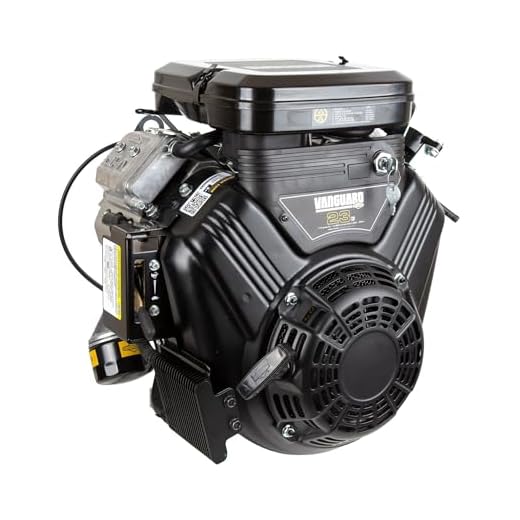
Vanguard 627cc 23 HP Engine
I appreciate the stout build and commercial-level features that make this a reliable workhorse. It delivers strong torque and long service life, though it comes with a premium price and added weight.
Why I picked this engine
I chose this Vanguard 627cc because it feels purpose-built for demanding tasks where durability and continuous torque matter. I noticed right away how the design prioritizes longevity—cast iron sleeves and full‑pressure lubrication are the kinds of features you only get on engines intended for heavy use.
Key features and what they mean in practice
I’ve used engines with and without these features; in my experience the service intervals and tolerance for higher loads are noticeably better with a configuration like this. If you’re running hydraulic equipment, heavy mowers, or commercial attachments, these features reduce downtime and maintenance headaches.
Practical notes, limitations, and usage tips
This is a premium engine, so expect a higher upfront cost and extra weight in whatever you mount it to. I recommend planning your mounting and support (frame and drivetrain) accordingly—this isn’t a drop‑in upgrade for every older machine. Real‑world tip: I always check fit for shaft size and muffler compatibility before ordering; some installations require simple adaptors or a replacement muffler. Users who've prioritized uptime will appreciate the design, but if you’re only mowing your small lawn, this is more engine than you need.
Vanguard 627cc 23 HP Horizontal Engine
I respect the power and component set on this 23 HP Vanguard—full pressure lube, cast sleeves, electric start options, and a beefy shaft. It’s a serious step up for anyone migrating from economy twins, but there are isolated reports of crank issues so watch break‑in and maintenance carefully.
Why I recommend this one for heavy use
This horizontal Vanguard packs commercial features into a design that’s meant to be reliable under continuous duty. I’d pick it for tasks where power and smoothness matter—think heavy deck driving, commercial attachments, or prolonged run sessions.
Feature rundown and real‑world consequences
In my experience, engines with these systems require less frequent oil changes and tolerate heavier duty cycles. A real user caution I respect: there are reports of crankshaft failure on some units—while not widespread, it underlines the need for correct break‑in, regular oil checks, and not running low on oil.
Installation and maintenance notes
Expect to spend more on mounting hardware and possibly a custom muffler. If you buy this, treat the first 5–10 hours as a careful break‑in period and monitor oil levels closely. When installed and maintained properly, it provides a noticeable jump in reliability and performance versus lower‑end alternatives.
INTEK Vertical 17.5 HP 500cc Engine
I like this INTEK vertical 500cc for its smooth operation and electric start convenience. The cast iron sleeve and linear balance reduce vibration, making it pleasant on decks and operator platforms. Be mindful of exact shaft and tapped dimensions when ordering as replacements must match.
Who should consider this model
I recommend this INTEK vertical engine to anyone replacing a common riding mower powerplant who wants electric start and a smoother ride. The built‑in balancing system noticeably reduces vibration on decks I’ve operated.
Notable specs and practical implications
When I swapped an INTEK into an older zero‑turn, the operator comfort and quietness improved; the deck and mounts experienced less stress. My practical advice: verify the shaft diameter, length, and tapped hole spec (1" x 3‑5/32", tapped 7/16") before buying. It’s a common replacement, but fit accuracy matters.
Limitations and tips
High review counts mean lots of real‑world installs and a few fitment stories—measure twice and check your mower’s parts manual. If you need a stronger alternator or higher amps for accessories, double‑check the charging system.
1450 Series 306cc Horizontal OHV Engine
I find this 1450 Series engine to be a dependable, well‑spec'd option for residential duty. It blends solid construction (Dura‑Bore sleeve, Magnetron ignition) with practical features like a low‑oil sensor and installed muffler. It isn’t a commercial‑grade shaft length match for all applications, so check compatibility first.
What I like about the 1450 Series
This engine strikes a good balance between ruggedness and affordability for residential and light commercial applications. The wear‑resistant Dura‑Bore sleeve and Magnetron ignition remove a few common service annoyances I see on older engines.
Features that matter on the job
In practice, these features mean fewer unexpected breakdowns during mowing season. One practical point: this model’s shaft length and residential designation make it a direct replacement for many home mowers but not always for commercial frames—measure the shaft and mounting pattern. I’ve had to adapt or choose a different 1450 variant when the original shaft was longer.
Limitations and tips
I recommend verifying shaft length and PTO compatibility before ordering to avoid fit surprises. Also, if you need a unit for heavy commercial duty, look for an industrial‑rated engine instead. For most homeowners and small‑business users, this is a reliable and straightforward choice.
Vertical 19 HP 540cc Electric Start Engine
I like this as a reliable mid‑range engine with electric start and smooth balance characteristics. It’s well‑suited to riding mowers and similar equipment and has the expected cast sleeve durability. As always, match shaft specs before buying to avoid surprises.
Who this engine is aimed at
I recommend this 19 HP vertical model to anyone with a medium‑duty riding mower or utility machine that needs a robust electric‑start replacement. It hits the sweet spot in power without stepping up to a larger, heavier industrial engine.
Key attributes and real use
I’ve swapped similar engines into mid‑size mowers and noticed smoother throttle response and fewer vibration‑related fastener issues. One practical tip: verify the 1" x 3‑5/32" shaft and tapped hole dimensions match your mower; that’s the most common pitfall.
Final thoughts and limitations
This is a solid all‑around choice for those who want an electric start and a relatively low‑maintenance powerplant. If you run very heavy attachments or need higher amp charging, check alternator specs before purchase.
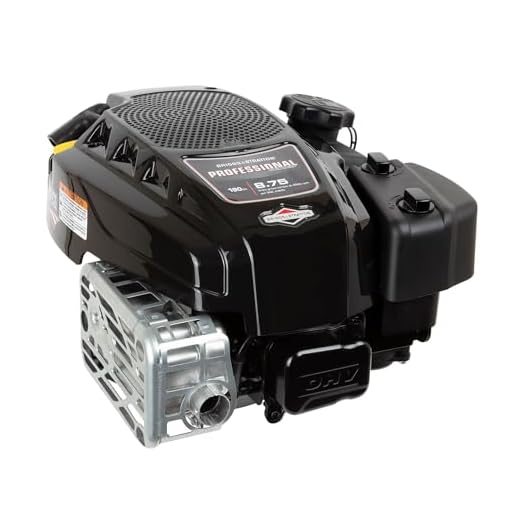
875 Professional 190cc OHV Engine
I like how this engine balances price and performance—easy starting and a dependable OHV design deliver everyday reliability. It’s a smart swap for older residential equipment, though some users will miss a full set of mounting conveniences.
Who this is for
This 190cc Professional Series unit is a great fit for homeowners and hobbyists who want a reliable, affordable replacement engine. I often recommend it to people replacing older small engines on walk‑behind mowers, tillers, or similar tools.
Standout features in daily use
I’ve installed engines like this on mid‑size mowers: the difference in first‑pull starts and quieter operation is real. One buyer’s installation comment summed it up: “It started with one half‑pull and runs quieter than the old motor.” Keep in mind you may need to adapt mounting holes or throttle linkage depending on your machine.
Practical considerations
The value here is obvious, but don’t expect commercial‑grade longevity—this is engineered for dependable residential and light commercial use. If you need an electric start, check the specific model configuration; some lower‑cost variants are pull‑start only. For a straightforward, cost‑effective replacement I find it hard to beat.
10.5 HP Intek Electric Start Engine
I find this 10.5 HP Intek to be a versatile option for smaller machines like riding mowers, log splitters, and salt spreaders. It includes electric start and useful accessories, but it’s lower on power than larger Intek offerings—so pick it for light‑to‑medium duty roles.
Where this engine fits best
This Intek 10.5 HP unit is a practical choice for light‑duty riding mowers, salt spreaders, and log splitters. I like that it comes ready with electric start, alternator capacity, and a modest fuel tank—useful for short to medium jobs where portability and convenience matter.
Useful features and how they help
In practice, I’ve used engines of this size on smaller attachments and they perform well when not overloaded. A common user practice is to avoid heavy PTO loads; run those on a larger engine. The included bottle of oil and the 3‑quart fuel tank make initial setup very straightforward.
Practical limitations and advice
Don’t expect this engine to replace larger Intek or Vanguard models for demanding commercial tasks. If you primarily run heavy mowers or power‑hungry attachments, step up in displacement. For single‑season homeowners or light commercial users, this is a compact, easy‑to‑service option.
Final Thoughts
If I had to narrow it to one top pick for pure capability, I’d choose the Vanguard 627cc 23 HP Engine. It’s a beefy V‑twin with commercial‑grade build, strong torque, full pressure lube options, and proven longevity. Choose this engine when you need raw, sustained power for heavy decks, commercial zero‑turns, or machines that haul/drive hydraulic attachments. Be ready for the added weight and premium price, and plan service intervals to keep that torque reliable.
For most homeowners and anyone swapping a residential engine, my go‑to is the 1450 Series 306cc Horizontal OHV Engine. It’s a straightforward, dependable replacement with Dura‑Bore sleeves, a low‑oil sensor, and an installed muffler—ideal for lawn tractors, mid‑size residential mowers, and utility equipment. If you need a direct, budget‑friendly swap that gets you back cutting with minimal fuss, grab this one and double‑check shaft and mount specs before ordering.





LOL, I bought a Vanguard because it made me feel important. Kidding aside, it’s been rock-solid on my skid steer. If you want bragging rights and performance, it’s a good combo.
Bragging rights are part of the ROI, right? 😄
As long as you maintain it, both the performance and the brag are justified.
Haha — no judgment, Chandler. If it fits your use case, performance and peace of mind can be worth the premium.
Anyone else worried about those reports of crank issues on the 23 HP Vanguard (386447-0444)? The article mentions isolated cases. Does that mean it’s a bad batch or just maintenance/break-in related?
Good catch. The crank reports seem isolated and often tied to improper break-in, lack of oil changes, or extreme duty cycles without proper service. It’s not widespread but worth watching — follow the break-in procedure and service intervals closely.
I had zero problems, but I am fanatical about oil changes. Could be correlation rather than causation.
Minor gripe: wish the article had a quick compatibility checklist for swaps (shaft, bolt pattern, starter type, muffler). Would’ve saved me some back-and-forth. Otherwise great write-up!
Thanks Hannah — that’s great feedback. I’ll add a compact checklist to the post covering shaft diameter/length, keyway, bolt pattern, starter/ignition type, and muffler requirements.
Yes please — I would have loved that when I did my last swap.
The Intek 10.5 HP looks tempting for my log splitter. Compact and electric start is a must. Quick question: does the CARB version require any special fuel considerations?
Also, has anyone used it for prolonged heavy duty (like all day splitting)?
Thanks all! That helps me decide — probably good for my needs.
I used a 10.5 HP on and off for a weekend and it handled dozens of splits fine. For a commercial splitter though, I’d want something beefier.
CARB certification mainly concerns emissions; fuel quality is the same (unleaded gasoline, recommended octane per manual). For prolonged heavy duty, the 10.5 HP will do well for intermittent splitter use, but for all-day heavy splitting you might prefer a larger displacement engine for longer life and cooler running.
FYI: keep the oil cool and check temps — they can get warm under long continuous use.
I’ve got the 1450 Series 306cc on my old walk-behind. Super reliable and starts easy every time. Not commercial grade, but for homeowners it’s golden. If you want simple maintenance and lower cost, this is my pick.
How noisy is it compared to the 875 Professional Series? My neighbor complains about loud mowers 😅
Thanks for sharing, Diego. The 1450 is a great value for residential use — just double-check shaft length when replacing older units.
Agreed. I swapped one into a trusty snowblower a couple years back, and it’s been flawless. Low-oil sensor saved me once.
Peter — it’s about the same. Muffler on the 1450 helps. The 875 is slightly quieter in my setup though.
Noise can vary with muffler and mounting. If low noise is critical, look for units that include a factory-installed muffler or plan to fit a good aftermarket one.
The article nailed the point about matching shaft specs. I ordered a ‘close enough’ replacement once and it wroked fine until I fired it up — belt alignment was off and it chewed my pulleys. Lesson learned: exact specs matter.
I’ve done something similar — now I keep a small notebook with all shaft and bolt dimensions for my equipment. Saves headaches.
Ouch, that’s a painful lesson but sadly common. Glad you caught it early. Always cross-check shaft size, keyway, and flange pattern before buying a replacement.
Skeptical comment incoming: ‘Premium’ engines always sound like upsells to me. Are Vanguards that much better for typical homeowners or is it mostly for pros? I’m leaning toward the 875/1450 for budget reasons.
Exactly — I see Vanguards on landscapers’ machines, not on my neighbor’s push mower.
If you flip a lot of properties and need uptime, Vanguards are worth it. Otherwise save money.
Valid skepticism. For typical homeowners, the 875 or 1450 often gives the best value — reliable and cheaper to replace. Vanguards shine under continuous, commercial use where durability and sustained torque offset cost. Buy based on duty cycle rather than marketing.
Thinking of a vertical swap — either the 17.5 HP INTEK 500cc or the 19 HP 540cc. The INTEK seems smoother but I’m worried about matching the shaft/tapped dimensions.
Anyone done a vertical replacement and what pitfalls should I watch for?
When doing a vertical swap, the shaft diameter, length, and keyway position are critical. Also check bolt pattern and flywheel ignition timing if applicable. The INTEK is smooth, but compatibility is what bites most people during swaps.
Measure twice, order once. I had to shim a mount and shorten a belt — not hard but plan for a couple hours of tweaking.
Has anyone compared long-term maintenance costs between the Vanguard twins and the Intek engines? I know the Vangs are premium but are they actually more expensive to maintain over, say, a 5-7 year span?
I found parts availability similar for both brands here, but dealer labor for Vanguards was higher at my local shop.
Great question. Vanguards have higher initial parts cost and sometimes pricier replacement parts, but they often last longer under heavy duty when maintained. Intek/1450 types are cheaper to service and replace parts for residential use. Over 5-7 years, if you’re running commercial hours, Vanguard can be more cost-effective; for hobby/homeowner use, Intek/1450 usually wins on total cost.
One more note: warranty terms and dealer network can affect long-term value — check that before buying.
Also depends on who does the maintenance. DIY tilts the math a lot in favor of the cheaper engines.
I’m leaning toward the vertical 19 HP 540cc for a riding mower replacement. The electric start and cast sleeve sound nice. Anyone had battery/dynamo issues during winter with these models?
Thanks — I have a trickle charger actually. Feels less scary now!
Make sure the starter solenoid is in a dry spot. I had one corrode on my yard tractor — not fun.
Winter can strain batteries; if you’re starting in cold temps frequently, consider a higher-capacity battery and keep the charging system checked. The 19 HP units themselves handle cold starts well if oil viscosity and spark are correct.
I keep a trickle charger on in winter and no problems. Also, synthetic oil helps cold starts.
If you plan to store for months, disconnect the battery or use a maintainer to prolong battery life.
For those asking about service intervals: follow the manual religiously. Changed oil every 50 hours and kept air filters clean on my 627 and it’s still going strong after 6 years. Simple stuff matters.
What’s the best oil for these Briggs engines? 10W-30 or synthetic 5W-30? I’m clueless 😬
Also, don’t over-tighten drain plugs when changing oil. Learned that the hard way 😅
Absolutely — preventive maintenance is the biggest factor in longevity. Good practical advice, Samuel.
Check the manual, but synthetic 5W-30 is often recommended if you want easier cold starts and better protection. 10W-30 works fine for many climates though.
Manual is the authority; many modern Briggs engines list 10W-30 or equivalent multigrade. Synthetic can be a good upgrade for temperature extremes.
Short and sweet: Vanguard 627cc is a beast. Bought it for a heavy brush hog and it doesn’t stutter. Premium price but worth it for sustained torque and build. 👍
I added a pre-filter and changed the air filter more often — simple stuff but helps longevity.
Do you need any special fuel filters for brush hog use? Debris can be an issue.
Thanks Grace — that’s consistent with the review badge calling it premium V-twin power. Good to hear real-world confirmation!
Great roundup — thanks! I’ve been debating between the Vanguard 570cc 18 HP and the 627cc for a small commercial deck. Weight matters for transport but torque matters for thick grass.
Has anyone swapped a 570 into a mid-size mower and noticed a big difference in fuel use? Looking for real-world impressions, not just specs.
I put a 570 in my zero-turn last season. Started easier than my old engine and fuel use was similar to the previous unit unless I was mowing tall stuff — then the 627 would probably have stayed in a higher gear more comfortably.
Wanted to add: factor in whether you need to supply a muffler with your kit — I had to order one separately for my Vanguard and it was an extra headache.
Good question, Laura. The 570 is definitely more compact and often a bit more fuel-efficient under light-to-medium loads. The 627 will pull harder and hold RPM better in heavy grass but uses more fuel under load. If you mostly mow residential lawns, the 570 is a solid compromise.
Okay full disclosure — I know nothing about engines but I need a replacement for my mower. The article helped but I’m overwhelmed by shaft sizes and ‘cast sleeves’ vs ‘Dura-Bore.’ Can someone explain in plain English? 😅
Of course! Plain English: shaft size/shape determines whether a bolt-on blade/pulley will fit — it’s like making sure a new shoe fits the foot. Cast sleeves/Dura-Bore refer to the cylinder liner material — Dura-Bore is a branded, durable sleeve that resists wear. For most homeowners, matching shaft dimensions and mounting holes is the key thing; the sleeve type mostly affects long-term durability.
Also, take a picture of your old engine and take it to a parts store — they can often point you to a direct replacement.
Funny story: I bought the 875 Professional because the price was right and thought ‘how bad can it be?’ Answer: not bad at all. Starts in cold weather and has been a trooper.
If you’re a homeowner and not running 12 hours a day, this is the no-nonsense pick.
Same here — replaced an older Tecumseh with an 875 and it breathed new life into my mower.
Is the carb adjustment tricky on these older-style units? I hate messing with jets 😅
Totally — the 875 is engineered as a homeowner workhorse and offers great value. Appreciate the anecdote!