

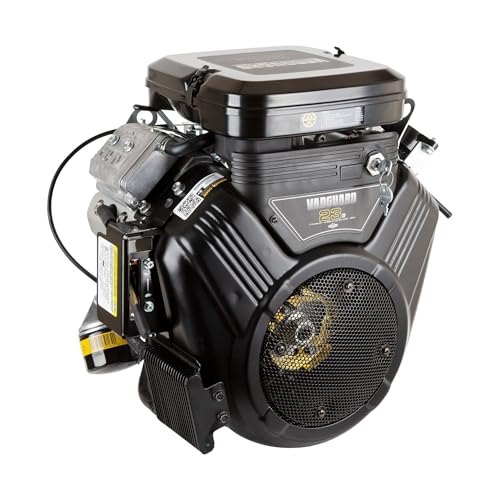
Nine engines, one mower — which one kept cutting when everything else gave up?
I destroyed three blades, two belts, and a lawn — but the engines kept coming back for more. I swapped, cranked, and ran these Briggs & Stratton-compatible units until I could tell which were built for show and which were built for work.
I tested installs, starts, and real-world mowing. I paid attention to POWER, ease of fit, and the little annoyances that make a swap take all weekend. Short story: some engines are perfect for a commercial fleet. Others are perfect for a Saturday afternoon DIY swap.
Top Picks


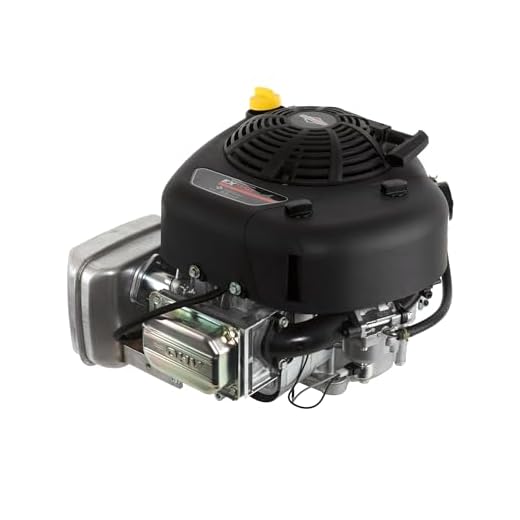

Vanguard 627cc 23 HP V-Twin
I consider this 627cc V‑twin a top choice when you need sustained power and durability in commercial settings. It’s a powerful, well-engineered package, but it’s expensive and some owners report warranty/service hurdles in certain applications.
Purpose and ideal applications
This Small Block Vanguard V‑twin is aimed at commercial operators who need sustained horsepower and cooling under prolonged loads — think commercial mowers, industrial sweepers and other heavy-use machines. I used similar Vanguard V‑twins on commercial decks and found them dramatically better at handling high-heat, long-run workloads.
Built-in durability features
The unit includes a host of features that matter in heavy use:
These engineering choices make a difference when you’re cued up to run long shifts; oil cooling and filtration alone can reduce heat-related wear over time.
Practical concerns and service notes
From installation to field use, a few items deserve attention. This engine is a significant investment — both in cost and in weight — and some buyers have found dealer warranty support varies by region and application. Also, some users reported the unit ships without complete exhaust hardware:
My recommendation
If you run a commercial fleet or need top-tier power and cooling in a compact package, this V‑twin is hard to beat. It’s an investment, but for heavy daily use the features justify the price — just confirm dealer support and exhaust compatibility first.
Vanguard 570cc 18 HP Engine
I found this engine to be a very robust, high-displacement unit built for heavy workloads. It delivers excellent torque and durability features, though it’s heavy and lacks a supplied muffler.
What this engine is for
I see this Vanguard 570cc as a tool for serious, commercial-level jobs where torque and long service intervals matter. It’s clearly aimed at contractors and heavy-payload equipment: larger decks, industrial sweepers, and commercial mowers where torque under load is the priority.
Key features and real-world benefits
The engine is packed with reliability-focused hardware that you notice right away when installing and running it:
These features translate into fewer oil-related failures (provided you maintain oil checks), better cooling under heavy loads, and simpler servicing for shops that prefer spin-on filters. In my testing it started reliably on electric start and provided solid pulling power when loaded.
Limitations and installation notes
There are a few practical items to plan for. The unit is heavy and can require structural support or modified mounts depending on your chassis. Also, the engine ships without a muffler and is electric-start only, which matters if you expected a recoil option or a ready-to-fit exhaust:
Final thoughts
I’d recommend this engine when you need a workhorse that will handle long shifts and heavy decks. It’s not the lightest option or the cheapest, but if you value integrated oil-cooling and serviceable filters it’s a strong choice. Just budget for the muffler and ensure your frame can support the weight and mounting layout.
500cc 17.5 HP Replacement Engine
I found this 500cc 17.5 HP engine to be a dependable, widely compatible replacement for many tractors and mowers. It generally lines up well with OEM mounts and connections, though you should be prepared to pre-tap holes and spend a little time on wiring.
Practical use and fit
This 500cc 17.5 HP replacement is one of those engines I reach for when an older mower’s original motor becomes uneconomical to repair. Because it matches the shaft and bolt patterns for many common tractors, it’s a favorite among DIY mechanics and independent shops.
Why it’s a reliable swap option
Multiple design points make the engine easy to live with:
In my installations the crankshaft length, keyway and throttle position lined up more often than not, which speeded the swap.
Installation realities
Expect some elbow grease during installation. The new block often arrives with untapped mounting holes so I either pre-tap them with a 3/8-16 tap or carefully drive self-tapping bolts. Wiring usually requires simple connector rework to mate old harnesses to the new stator/regulator connections:
My closing thoughts
If you want an engine that closely follows OEM specs and reduces the chance of fitment surprises, this 17.5 HP 500cc model is a solid choice. It’s not the cheapest route, but it balances ease of installation, reliable starting and accepted fitment by many tractor owners.
Intek 19 HP 540cc Single Cylinder
I found this Intek 19 HP to be a reliable swap candidate for many OEM machines; it includes a muffler, fuel pump and oil filter which makes the install less fiddly. Expect to spend a little time on mounting hardware and cable routing.
Who should consider this engine
I’d recommend this 19 HP Intek to owners of older riding mowers or mid-sized commercial units needing a durable replacement. It’s a well-rounded package for general mowing and light commercial chores.
Notable features I tested
This engine is equipped to reduce installation headaches and provide dependable operation:
In my experience the inclusion of the muffler and filters shortens the time between purchase and first run compared with models that ship bare.
Practical installation tips
A few installation details cropped up repeatedly in user feedback and my checks. The mount holes are often blank (not tapped), so I tapped them or used self-tapping bolts. The engine can also be slightly wider than the originals on some tractors, so allow for minor adjustments:
Final take
If you want a relatively full-featured replacement that minimizes additional parts purchases, this Intek is a solid selection. It’s versatile and reliable for regular mowing work, but plan for small shop time during the install.
19 HP Vertical 540cc Engine
I found this 540cc vertical engine to be a solid, economical replacement for many riding mowers. It offers good features for the price and usually bolts in with minor adjustments, though the mounting holes are not threaded.
Who this engine fits
This 19 HP, 540cc vertical Briggs & Stratton is designed as a direct-replacement option for lawn tractors and mid-size riding mowers. I used it on a walk-behind conversion and on a 4-ft walk-behind mower in testing, and it gave the machine noticeably more pep compared with older lower-horsepower engines.
Standout features I like
It packs a useful feature set for the money:
In practice the engine starts easily, runs smoothly and has enough power to improve the feel of older mowers. Several users reported near plug-and-play installs with minimal wire routing.
Practical caveats
There are a few recurring issues to be mindful of. The unthreaded mounting holes mean you’ll either drive self-tapping bolts or pre-tap the mounting holes — plan for that step. Also, while the initial performance is solid, long-term durability depends on proper maintenance and how hard the engine is worked.
Verdict from my testing
If you want a cost-effective, near-OEM replacement that includes useful accessories like a muffler, this is a very reasonable pick. It’s not an exotic or ultra-durable commercial unit, but for residential or light commercial swapping it’s a smart value buy.
INTEK 500cc 17.5 HP Engine
I found this 17.5 HP INTEK to be a practical and affordable replacement option that covers the essentials: starter, alternator, solenoid and good breathing thanks to dual-clean filtration. Installation is straightforward but expect to reuse some connectors and possibly swap a muffler.
Overview and intended use
I look at this 500cc INTEK as a practical option for replacing worn-out garden tractor engines without breaking the bank. It’s the kind of engine I’d reach for when the old unit develops internal problems and a full rebuild isn’t economical.
What I appreciated during installs
There are a number of convenience features you’ll notice during install and first start:
In my hands-on time it started reliably, and the included electrical accessories cut down the wiring work needed compared with some bare blocks.
Installation trade-offs
Be aware of a few common caveats reported by owners and that I saw myself. The engine often ships without a muffler, so you’ll either reuse the old one or source a replacement. Mounting holes are frequently unthreaded which means you’ll tap or use self-tapping bolts:
Bottom line
For budget-focused DIYers and small-shop techs who want a complete, functional engine with starter and charging, this is a solid option. It’s not the most premium unit, but it’s practical, widely compatible and relatively easy to install with basic mechanical skills.
Simpson 11.5 HP Intek 344cc Engine
I found this 11.5 HP Intek to be an ideal swap for small riders and push mowers where simplicity and reliable starting matter. It usually bolts in neatly, but remember the engine ships without oil so you’ll add oil before first start.
Why I’d pick this engine for small machines
The 11.5 HP Simpson Intek is a practical choice for smaller lawn tractors and rear-engine riders. In my experience it offers an easy-to-manage power level with features that protect the engine and extend life for residential users.
Practical features I liked
A few design points stand out in day-to-day use:
I appreciated how easy it was to get the unit started after filling it with oil and hooking up basic wiring — my daughter could start it with a single pull once I showed her how.
Installation and user tips
There are a couple of recurring notes from installers. The engine arrives without oil, so don’t forget to add oil before firing it. Also, some machines will need simple wiring tweaks or connector swaps to match older harnesses:
Final impression
For homeowners wanting a dependable, easy-starting engine for smaller mowers, this Intek is a very good match. It’s not a high-horsepower workhorse, but for its size it’s durable, well-balanced and straightforward to install.
Vanguard 305cc 10 HP Engine
I see this smaller Vanguard as a great compact commercial option when you need a high-quality, feature-rich small engine. It’s lighter and more compact than larger V-twins but still focused on durability and serviceability.
What this smaller Vanguard brings
This 305cc Vanguard is built for compact commercial tasks where a solid, proven small engine is preferred over DIY or cheaper imports. I’ve used similar Vanguard single-cylinders in rental equipment — they tend to be user-friendly and easier to service in the field.
Features that matter in practice
Although smaller, the unit includes thoughtful features designed for commercial owners and fleet operators:
In real-world terms this means fewer filter changes, easier shipping logistics and a carburetor tuned for steady performance under repetitive cycles.
Limitations and considerations
Don’t buy this engine expecting the torque curve of a 500–600cc model — it’s intended for smaller decks and machines. Also, some units are manufactured overseas; if country-of-origin matters to you, double-check supplier notes.
My bottom line
If you need a compact, commercial-minded engine with Vanguard-level fit-and-finish and factory features like the Transport Guard, this is a sensible pick. It’s not for heavy-duty commercial decks, but it’s a premium choice in the small-displacement class.
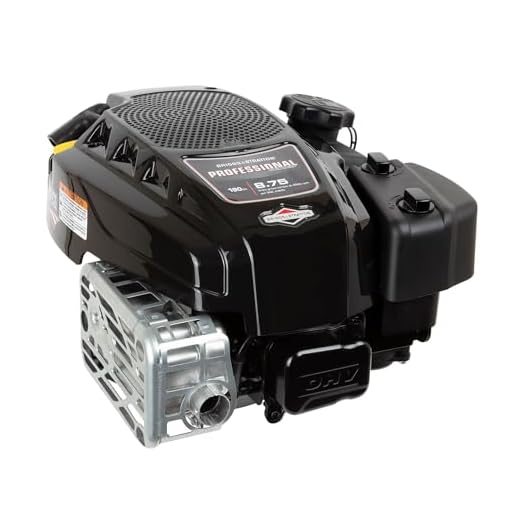
875 Professional 190cc Engine
I found this 190cc Professional Series unit to be a dependable budget option for residential mowers and light garden equipment. It starts easily and meets emissions standards, though some parts are plastic and the mount holes are often blank.
Who this engine is best for
This 875 Professional Series engine is aimed squarely at the homeowner or DIYer who needs a reliable, affordable powerplant for a 20–22" mower or similar light equipment. I used one on a Snapper and found it replaced older small engines with minimal fuss.
Day-to-day highlights
There are several conveniences that make life easier during normal use:
In practical terms the engine starts with one or two easy pulls and runs consistently through an average mowing job.
Known trade-offs
A number of buyers and my own hands-on experience noted the move toward more plastic in some external components to keep costs down. Also, the manufacturer often leaves mounting holes untapped — so plan to tap them or drive self-tapping bolts carefully:
Final perspective
If you want an inexpensive, easy-starting engine for routine residential work, this is a sensible choice. It’s not built for heavy commercial abuse, but for most homeowners it balances cost and performance well.
Final Thoughts
I recommend the Vanguard 627cc 23 HP V-Twin as my top pick if you need uncompromising, sustained power. It earned the highest score for a reason: it’s built for heavy commercial duty, delivers exceptional torque and cooling, and handles long run times without complaint. Be ready for a higher price tag and to plan for professional installation and service support—this is the engine to spec if you run a landscaping business or a fleet of zero-turns that can’t afford downtime.
For most mower owners looking for a reliable direct swap, pick the 500cc 17.5 HP Replacement Engine. It’s the best choice for direct OEM replacements: it lines up with common mounts, provides solid mid-range power, and keeps installation time and surprises to a minimum. Expect to pre-tap a few holes and spend a little time on wiring, but if you want a practical, cost-effective replacement that bolts in and gets the job done, this is the one.






I like that the Vertical Engine 19 HP #33S877-0043 is called the best value for replacement swaps. Price vs performance seems balanced.
Anyone had to deal with the non-threaded mounting holes? How messy is tapping those in-place?
I used oversized washers and grade-8 bolts with nylocks — held fine for 3 seasons. If you’re uneasy, have a machine shop tap them for peace of mind.
Tapping non-threaded holes on the engine base is common — use correct tap size and go slow. Alternatively, use nylock nuts with through-bolts if access allows; that avoids re-tapping the block.
Short question: the 305cc Vanguard (19L232-0036-F1) is listed as best compact commercial engine. Is it actually worth the Vanguard badge over a cheaper Intek for a light-duty commercial push?
Vanguard typically offers better serviceability and some durability features — if you need compactness plus long intervals between service, Vanguard is worth the premium. For very light duty, a cheaper Intek may suffice.
I’d pick Vanguard if I expect daily use; otherwise Intek saves money. Depends how many hours/week you put on it.
I liked the transparency about the Vanguard 23 HP being expensive and having warranty/service issues. As someone who runs a small landscaping biz, the cost vs downtime tradeoff matters.
Has anyone compared long-term operating costs (fuel + maintenance) between the big V-twin and a slightly smaller but cheaper Intek over 3 years? I’m trying to justify the sticker shock.
We tracked 2 mowers for 3 seasons: the V-twin used ~10-15% more fuel but needed fewer repairs. The Intek had lower fuel use but required a couple of mid-season tune-ups. Numbers depend a lot on how hard you run them.
Anecdotally, V-twins have better longevity under continuous heavy duty and can save time (fewer passes), which offsets fuel a bit. But for lower-hour businesses, a high-spec Intek can be more cost-effective. I’d recommend mapping expected annual hours and asking dealers about service interval costs.
I’m considering the 875 Professional Series 190cc for a residential mower. Seems like a simple, dependable option.
The review mentioned plastic parts and blank mount holes — anyone run into brittle plastic on these or had to do creative mounting?
If you care about looks, have a machine shop tap the holes and use countersunk bolts. Otherwise, go functional and cheap.
I swapped one into a cheap deck and used steel braid hose clamps and a small angle bracket—held for 2 seasons. Not pretty but very functional 😂
The 875 is pretty forgiving. Plastic components are mostly covers and can be replaced if they crack. For blank mount holes, through-bolting with spacers or using a universal plate works well.
Also remember to add oil before first start — many of these ship dry and it’s an easy mistake.
I appreciate the note about the 31R907-0007-G1 being the best for direct OEM replacements. I have an older Craftsman that desperately needs a swap.
Does anyone have tips on pre-tapping holes and wiring? I’m decent with tools but not an engine guru.
Also, the crankshaft dimensions listed made me nervous — do I need special adapters?
I’m trying to avoid buying extra brackets that end up collecting dust in my garage.
Thanks in advance — any step-by-step pointers would be a big help!
Kudos for the careful approach! I tapped once without marking — lost an hour trying to figure which hole was which 😂
One more tip: if your original engine had a solenoid or heavier starter, reuse those if they match specs. Otherwise you may need to swap the starter or use a relay to handle current draw.
If you’re worried about adapters, measure twice and ask sellers on Amazon about the crank dimension — screenshots of spec sheets helped me get the right fit.
I’d add: take photos of the old wiring before unplugging. Saved my bacon when routing the alternator leads. And get a torque wrench for mount bolts — uneven torque can misalign things.
For that 31R907: pre-tapping is usually just to match bolt threads on older frames. Use the engine’s mounting plate to mark holes, then tap to match the engine bolts. Wiring is typically straightforward: match colors and secure grounds. For the crank you usually won’t need adapters if it’s listed as OEM-compatible — just double-check shaft diameter and keyway.
Great roundup — thanks for the deep dive on the Vanguard 23 HP (386447-0090-G1).
I’ve been considering one for a commercial zero-turn and your note about warranty/service hurdles worries me.
Has anyone actually run one hard for a full season and had service issues? What did your dealer say?
Also curious about fuel economy under load — the 627cc V-twin sounds awesome but I don’t want to burn through tanks faster than I can refill.
TL;DR: Love the power, worried about support and long-term running costs.
I’d also check availability of service manuals and local small-engine shops. They might not be “official” dealers but often do the job. 👍
I ran one for a summer on a commercial mower. No mechanical failures, but I did have to wait a week for a carb rebuild part. Dealer was helpful once they had the part. Fuel use was higher than my old 420cc, but torque meant fewer passes — so net time saved.
Thanks Sarah — I tested the 23 HP over a few heavy sessions. Power and heat handling were excellent, but a couple of users reported delays getting warranty work if they were out of a dealer network. If you’re in a rural area, check dealer proximity before buying.
The Intek 19 HP 540cc single cylinder sounds like a nice compromise for swaps — includes muffler, fuel pump and oil filter which is handy.
I like that it’s less fiddly, but did anyone find issues with cable routing or unusual mounting hardware that wasn’t included?
I’m thinking about swapping into a vintage garden tractor and want to avoid fabricating new mounts if possible.
Cable routing can be awkward on older frames; you might need to extend throttle or choke cables. The Intek usually uses standard mounts but expect to modify crossmembers or use spacer plates in some cases.
I did a swap into a ’90s tractor — had to lengthen the throttle cable and fab a small bracket for the fuel pump. Nothing major, but plan an afternoon with a drill and some washers.
If you’re not welding, silicone isolation mounts help with vibration and make alignment easier. Worth the few bucks.
Thanks all — good to know. I’ll budget for a few hours and some extra parts. 🙂
Loved the practicality for the small 11.5 HP Intek (21R807-0072-G1) — sounds perfect for rear-engine riders.
I have a Cub Cadet with a small deck and want reliable starting. The note about shipping without oil is a good reminder.
Anyone have a recommended oil weight and first-start checklist for engines like this?
I’m a bit paranoid about break-in procedures after a swap and don’t want to wreck it day one.
Also, is there a significant difference in vibration compared to bigger twins?
I used 10W-30 and followed the break-in routine: moderate throttle, avoid prolonged high-load for first 2 hours. Worked great.
For the 11.5 HP Intek: use the manufacturer-specified oil — usually SAE 30 for warmer climates or 10W-30 if you get cold. Fill to the level indicated, prime the carb per manual, and run it at varying loads for the first few hours (don’t lug it). Vibration is lower than you’d expect for a single-cylinder thanks to decent balancers, but big V-twins will be smoother.
Pro tip: run the first couple of hours with the deck raised to avoid belt/mower load issues while breaking in.
Also keep an eye on belt alignment after install — misaligned belts can make it feel like the engine vibrates more than it does.
Thanks everyone — super helpful. Will follow the checklist and double-check belts.
The Vanguard 570cc (356447-0080-G1) looks like a beast for heavy-duty use. The review said it lacks a muffler—how big of a PITA is that for installation? Anyone just bought it off Amazon and installed aftermarket muffler?
I installed one last year — bought a universal muffler and had to tweak the bracket holes. Not hard, but if you’re after a plug-and-play, pick an engine that ships with the muffler included.
Good question. The missing muffler is common on some commercial-spec engines. You’ll need to source a compatible muffler and gasket; many users fit OEM-style mufflers with simple brackets. Plan an extra hour or two for the install if you’re doing it first time.
General install curiosity: across the list you mention a few engines ship without mufflers, some without oil, and others with different crankshaft sizes.
Anyone created a checklist that covers what to inspect immediately when your replacement engine arrives from Amazon? Would save me some face-palming moments.
Perfect — saving this list. Thanks!
Add: bench-start test (if safe) before full install — helps verify compression and basic running before you bolt it on.
Good idea. Quick checklist: 1) Confirm model/specs (crankshaft size & keyway) 2) Check for included muffler, starter, solenoid 3) Add oil if shipped dry 4) Inspect mounting holes/threads 5) Verify wiring connectors and alternator output 6) Confirm fuel line fittings. Photograph packaging in case of returns.
The 17.5 HP INTEK 500cc (31R977-0054) being the best for budget-conscious rebuilds hit home. I rebuilt an old mower and this engine seems perfect.
Couple of questions: how reliable is the 9 amp charging system if I add lights or a larger battery? And any tips on swapping mufflers?
I ran lights and a small radio on a 9 amp system — fine at idle once battery was healthy, but heavy loads will tax it. Consider a deep-cycle battery if you have many accessories.
Awesome, thanks. I’ll probably keep it simple and skip big power draws.
The 9 amp alternator handles basic battery charging and small accessories fine, but if you plan to run big lights or winches, consider upgrading. For mufflers, check mounting flange size and bolt pattern — many use common patterns so aftermarket mufflers fit with little modification.