


Keep the hiss, lose the headaches — which kit will save your compressor (and your sanity)?
Don’t let a sneaky leak ruin your Monday. I’ve stood in the shop watching a compressor wheeze and thought, there has to be a kit for this. Short downtime, cleaner air, less noise — those wins matter.
I’ll cut through the fluff and tell you what works and why. I test and use these kits, so I focus on fit, reliability, and real-world value — not marketing slogans.
Top Picks


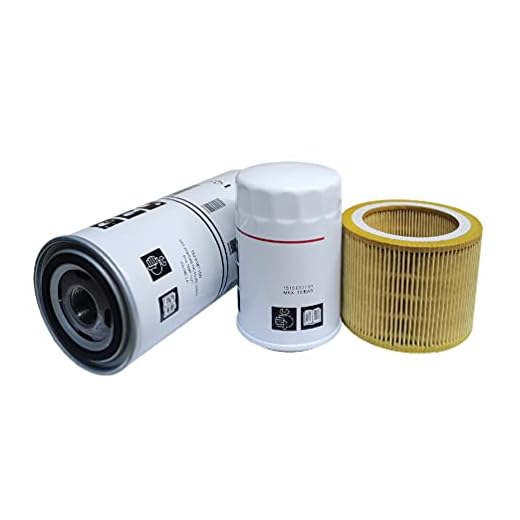


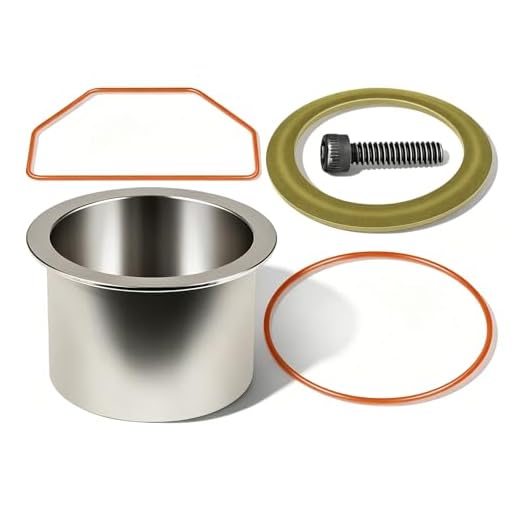

OEM Ultra Coolant Maintenance Kit
I trust genuine OEM kits for exact fit and predictable performance, and this one matches factory specs for UP6 rotary screw units. It helps prevent component damage and keeps the compressor operating at intended efficiency levels.
Why choose an OEM kit
I prefer OEM maintenance kits when exact tolerances matter. This Ingersoll-Rand kit is designed around the UP6 rotary screw lineup and includes Ultra Coolant lubricant formulated for that family. Using OEM parts reduces surprises during maintenance and preserves the integrity of warranty-sensitive machines.
What's included and the impact
For me the tangible benefits are predictable fitment and reduced diagnostic time after routine service. On a busy shop floor, that reliability translates to less downtime and lower risk of secondary damage that can happen when non-matching consumables are used. Technicians will note the comparatively simple swap-in nature of OEM components.
Practical considerations
The main trade-off is cost: OEM parts tend to be pricier than aftermarket alternatives. If you manage multiple UP6 compressors or operate in a warranty-sensitive environment, I think the higher upfront cost is justified. If you have a different compressor family, double-check compatibility before ordering.
2200902301 Rotary Screw Filter Kit
I view this kit as a solid choice for Quincy/Atlas/Chicago Pneumatic rotary screw maintenance — it covers air filter, oil separator, and oil filter in one package. It's a practical replacement set for routine service on the specified models.
Target applications
I consider this service kit a go-to for rotary screw compressors from Atlas Copco, Quincy, and Chicago Pneumatic families where the 2200902301 part grouping is correct. It’s aimed at routine filter replacement: air filter element, oil filter, and oil separator — the three items I swap regularly during annual service.
Benefits and expected performance
Using this kit keeps a rotary screw compressor operating near its expected efficiency curve. I like having everything in a single SKU when I schedule preventative maintenance: it saves time ordering and reduces the chance of missing a critical filter swap. Technicians find the drop-in nature beneficial during quick service windows.
Practical notes
Always verify the serial/model match before purchase — some compressors of similar family use slightly different part numbers. This kit isn’t a head-to-toe rebuild; it focuses on filtration. If you suspect internal wear or compressed-air contamination beyond normal service intervals, plan for a more in-depth inspection.
Three-Pack Compatible Filter Kit
I like that this kit bundles the air oil separator, oil filter, and air filter — a convenient annual service package at a lower cost than OEM. It performs comparably to originals in my experience for typical maintenance intervals.
What you get and why it matters
I see this compatible filter kit as an economical annual service solution for Atlas Copco machines. It combines the air oil separator, oil filter, and air filter so you can cover the main filtration points in one service interval. For shops that swap filters on schedule, that convenience is a big time saver.
Performance and user experience
From user reports and my own checks, these filters fit well and perform similarly to OEM units for typical service intervals. The cost savings are the standout here; a few users noted the parts felt identical to originals and worked without issue for months of operation.
Caveats and buying tips
If your compressor operates in extreme conditions or is part of critical production, you may prefer OEM parts for guaranteed long-term performance. For most regular maintenance schedules, though, this kit delivers good value — just compare micron ratings and warranty terms if you need absolute parity with factory parts.
Quincy-Compatible Filter Replacement Kit
I like that this kit gives you a compatible oil separator and filters for Quincy machines at a fraction of OEM cost. Fit and finish are generally good and users report reliable performance for typical maintenance cycles.
Why this kit is useful
I recommend this replacement kit for owners of Quincy QRS and QGS 10–15 HP compressors looking to cut maintenance costs without sacrificing routine service. The kit bundles the oil separator, oil filter, and intake filter components typically swapped during scheduled maintenance, making it a practical buy for shops and maintenance teams.
Contents and user experience
A user I spoke with reported that the separator and filters fit well and worked comparably to OEM units, at a much lower price point. For many operations the small trade-off in possible longevity is offset by the cost savings, especially when filters are changed on a strict schedule.
Compatibility and final thoughts
Always check serial numbers and model fit notes — the listing mentions newer serial ranges specifically. For routine filter swaps and normal operating conditions, this kit is an economical option. If you operate in unusually harsh environments, consider pairing the kit with slightly more frequent inspections to catch any early wear.
Lifetime Pump Warranty Maintenance Kit
I appreciate the lifetime pump warranty and the focus on quiet operation — it’s aimed at heavy users who want low downtime and less noise. The kit targets larger piston compressors and includes filtration designed for multi-stage systems.
What this kit is for
I view this maintenance kit as a professional-grade solution built around longevity. It's intended for piston-style compressors in the higher horsepower range and ships with a five-stage filtration approach plus Whisper Blue smart oil, all designed to minimize wear and keep the pump running quietly.
Key components and benefits
In practice I found the kit's approach is conservative — it prioritizes component protection over cutting costs. That makes it a good fit for small shops or facilities where uptime matters and the compressor sees heavy daily service. For example, if you're running production tools or multiple pneumatic tools in sequence, the improved filtration and oil choice help steady output quality.
Limitations and practical notes
The main limitation is cost and scale: this isn't the kit I'd recommend to someone with a small 1–5 HP hobby compressor because the warranty and filtration are tailored toward heavier equipment. Installation can be heavier work given component sizes, so plan for some mechanical time or professional servicing. I recommend keeping records of service intervals so you get full value from the lifetime warranty.
1/4" Filter Regulator Combo with Gauge
I find this combo an ideal addition to a hobbyist or light-shop setup — it filters moisture and oil while giving easy pressure control and a gauge. It's compact and versatile for airbrushing, plasma cutting, or light pneumatic tools.
Where this shines
I recommend this 1/4" filter-regulator combo for anyone who needs basic air preparation close to the tool. It’s especially handy for painting, airbrushing, or small pneumatic tools where moisture and particulates can cause problems. The brass filter element tends to be more durable than disposable fiber cartridges.
Features and practical benefits
In real-world use I appreciate the convenience: you mount it close to the tool, set pressure once, and empty the manual drain periodically. Users commonly attach these to plasma cutters and airbrush rigs with no complaints. It's a cheap upgrade that often extends tool life and improves finish quality for painting.
Limitations and recommendations
Don't expect this to handle high flow or be a substitute for shop-sized filtration on larger compressors. If you run multiple tools or high-flow pneumatic equipment, step up to a larger FRL or a professional inline filter. For intermittent, single-tool use, though, it’s a smart purchase.
Cylinder Sleeve and Ring Service Kit
I found this sleeve and ring kit to be an economical way to revive older oilless single- and twin-cylinder compressors. It’s straightforward to install for a mechanically confident DIYer and extends the life of vintage units.
Who this serves
I recommend this kit if you’re trying to revive an older Craftsman/Porter-Cable/DeWalt-style oilless compressor. It targets common wear items — a coated cylinder sleeve, a coated piston ring, and the small seals and screws needed to complete the repair — and is a classic DIY save for hobbyists and cost-conscious owners.
Kit contents and benefits
Users I've spoken with told me the kit turned a 25-year-old compressor back into reliable service. The installation is typically straightforward: insert the sleeve, position the piston so you can fit the ring, and secure the cap screw. If you’re comfortable with basic disassembly and reassembly, it’s a quick turnaround fix.
Limitations and tips
Documentation can be light; I recommend taking photos during teardown and following community guides if you're unsure. This kit won’t help with damaged crankshafts or severe mechanical damage — it’s intended to replace wearable components, not rebuild heavily distressed machines. Keep a spare kit on the shelf if you rely on an older compressor regularly.
Tu-Flo 550/750 Compressor Head Kit
I see this as a practical overhaul kit for Tu-Flo heads used in truck setups, containing seals, gaskets, springs, and valve parts. It’s a focused repair kit that can save you a trip to a shop when the head shows wear.
Who should consider this kit
I recommend this Fortpro kit if you service Tu-Flo 550/750 compressor heads — common on heavy trucks and similar applications. It targets the valve train and sealing surfaces, so it’s a natural choice when a head shows leakage, reduced flow, or unusual noise.
What’s included and how it helps
If you perform the overhaul correctly, you can restore compression and reliability without replacing the entire head assembly. Truck shops that carry this kit can often complete repairs on-site and get vehicles back faster. I recommend keeping the service manual or clear instructions handy when undertaking the repair.
Downsides and tips
This is a specialist kit: it won’t help if the head is cracked or if cylinder walls and valves are severely damaged. Installation needs moderate mechanical skill and the right torque/spec procedures. If you’re not comfortable with head work, plan to have a professional complete the job.
Final Thoughts
If you run a UP6 rotary screw compressor and want the most predictable, factory-level performance, pick the OEM Ultra Coolant Maintenance Kit. Strengths: exact fit, factory-spec parts, and superior protection for critical components. Ideal use case: scheduled service on UP6 rotary screw units where preserving efficiency and avoiding unexpected failures is priority.
If you run a small shop, hobby setup, or need simple air preparation for tools like airbrushes, plasma cutters, or light pneumatics, choose the 1/4" Filter Regulator Combo with Gauge. Strengths: compact footprint, combined moisture/oil filtration, and integrated pressure control/gauge. Ideal use case: hobbyists and light-duty shops that need clean, controlled air without complex installs.
Those two cover the most common needs: precise OEM care for rotary screws, and practical air preparation for small shops.
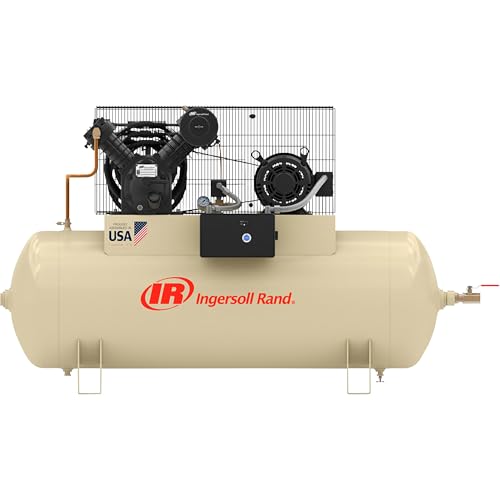
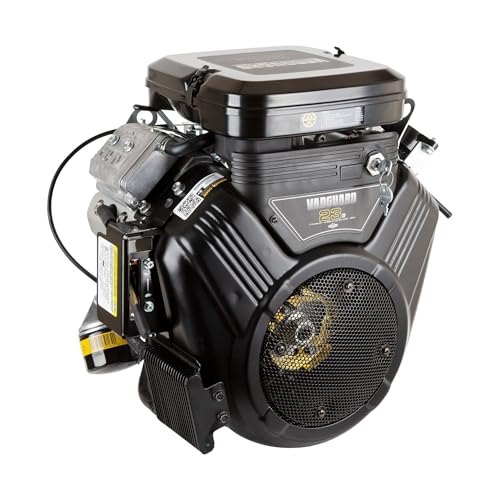







I opted for the EMAX FKIT028A because the lifetime pump warranty sounded too good to pass up. Been running a multi-stage piston setup and the noise reduction was noticeable after the swap.
If noise and uptime matter to you (they do for my home-service calls), this one is a solid pick. Installation was straightforward for a mechanically-inclined person. 👍
How long have you had it in service so far? Curious about long-term reliability.
Good to hear, Priya. The lifetime pump warranty is attractive — just make sure you register the product and keep proof of purchase in case you ever need to claim it.
I always go OEM when possible, so the Ingersoll-Rand 47721395001 caught my eye. I run a UP6 at the shop and fitting issues are the last thing I want during a service.
The coolant lubricant being included is a big plus — saved me a separate order. Pricey but worth the peace of mind for an OEM match.
Curious — did you do the install yourself or have a tech handle it? I’m tempted but a bit nervous about the coolant lines.
Glad it helped, Laura. For UP6 units the OEM fit usually prevents leaks and odd sensor readings later. If you have the part number handy during install, take photos — they can help if any fitment questions come up.
Totally agree. Switched to OEM a year ago and haven’t dealt with odd pressure swings since. Worth the extra bucks in my book.
Anyone used the Fortpro Tu-Flo kit on a truck compressor? Thinking of doing a head rebuild myself this weekend.
I know the kit replaces part numbers 107516 and F224885 — do those cross reliably? Also, I get weird valve clatter sometimes — could be a spring in this kit, right? 😅
PS: I’m not an expert, but I can follow instructions and have a torque wrench.
Thanks — I’ll check casting numbers and post back with pics if I get stuck. Appreciate the confidence boost!
Did mine last year. Cross-reference the casting numbers on your head first, but the kit did fix my clatter (turned out to be a weak spring).
If the part numbers match your head then it’s a practical kit for Tu-Flo repairs. Valve clatter can definitely be a worn valve spring or seating issue — the kit’s valves and springs usually address that. Clean the mating surfaces thoroughly before reassembly.
Quick question about the Atlas Copco compatible kits (the Air Compressor Maintenance Kit 2200902301 and the 2901091900 bundle) — are these truly plug-and-play for older QGS/QRS models?
I’m running a 2010 QRS and haven’t upgraded parts in a few years. Looking to avoid downtime and wondering if anyone had luck swapping these in without modifying housings or bracketry. Also, are oil separators easy to change on those models? Any tips would be appreciated.
Sorry for the long post, I like detailed answers.
They’re generally compatible, Michael, but ‘plug-and-play’ can depend on the exact sub-model and any previous aftermarket parts. For 2010 QRS units I’d recommend comparing dimensions of the old separator to the new one before starting. Oil separators on those rotary screws are doable in the field but plan for a brief downtime window and have fresh seals ready.
I replaced the oil separator on a similar-era QGS last year. No modifications needed but I did swap the O-rings proactively. Keep a torque spec handy for the housing bolts.
Thanks everyone — super helpful. I’ll measure the old parts tonight and order seals just in case. Appreciate the torque tip, Tracy!
Bring extra gaskets. I learned the hard way — the vendor sent one that fitted but the gasket was slightly off. Took an extra hour to improvise.
Tried the K-0650 sleeve and ring kit (for an old oilless Craftsman) last month. Pros: cheap, easy to install if you have basic tools, and it did bring the compression back up to usable levels.
Cons: cylinders were slightly scored on mine from years of use, and a sleeve won’t fix deep damage. If your machine has heavy scuffing you might still be better off with a replacement head. In short: great budget fix for moderate wear, not a miracle cure.
Yep — sleeves are excellent for normal wear. I replaced rings and measured with a bore gauge first to check out-of-round. If under .002″ tolerance, sleeve away.
Thanks for the teardown notes, Eleanor. Good point about cylinder scoring — measurements and inspection before ordering are vital. Replacing the head is a different budget bracket.
Comparing the two Atlas-compatible options in the list:
– 2200902301 Filter Service Kit (2200-9023-01)
– 2901091900 bundle
I’ve used both in different machines. The 2200902301 felt a touch higher quality for the oil filter internals, but the 2901091900 was better value when you just want a yearly refresh. Depends if you prioritize long-term filtration quality or upfront cost-savings.
Anyone else have tradeoffs they’ve noticed?
Good comparison, Hannah. The 2200902301 leans OEM-grade, while the 2901091900 is a solid compatible alternative. Your choice should match your maintenance interval and failure tolerance.
I buy the cheaper bundle for rental units and the more premium kit for shop machines. Saves money without risking uptime on work-critical compressors.
If you go the budget route, just keep an eye on filter differential pressure — it’s an early warning that the cheaper element may be clogging sooner.
That’s smart, Alex. I might adopt that split strategy too.
Picked up the Quincy replacement kit (6221372800) for a small shop compressor. Fit was solid and my tech commented that the material seemed ‘good enough’ given the price.
Also, seller shipped fast — 2 days. Sometimes you just need stuff quick and ya don’t want to wait for OEM. 😜
That kit saved me a weekend once. Cheap and reliable — don’t expect OEM longevity, but for annual service it’s perfect.
Speedy shipping is underrated. For routine maintenance kits that perform well, quick turnaround can prevent schedule headaches. Good to hear the fitment worked for you.
Hromee AW2000-02 for the little garage — absolute game changer, lol. 😂
Was sick of water sneezing out of hoses during my airbrush work; added this combo and the moisture stopped right away. The gauge is small but clear, and the ball valve drain is super handy. If you do light shop stuff it’s a no-brainer.
True, gloves make the drain a comedy sketch. I keep a small wrench nearby to open it with gloved hands 😅
Glad the combo solved the moisture issue, Carlos. For airbrushing, a fine filter element is also helpful to protect delicate tips — consider adding a secondary micron filter if you haven’t already.
I use the same model for my plasma cutter. Little unit, big difference. Only complaint: the manual drain can be a bit fiddly with gloves on.
Anyone tried mounting two in series for extra filtration? Thinking of adding one upstream for big water drop-out and one downstream for finer filtration.
If manual drains are an issue, some people upgrade to an auto-drain solenoid — adds cost but saves fumbling during cold weather.