


Which of these 10 kept my shop DRY, my paint flawless, and my temper intact?
Moisture is the silent workshop thief. I’ve seen condensate ruin a paint job faster than a bad coffee break. Tools corrode. Valves stick. Jobs get delayed.
I tested 10 refrigerated compressed-air dryers in real shop conditions. I looked at flow capacity, INCLUDED pre-filtration, ease of install, and how well each unit actually kept dew point low without drama. I’ll tell you which ones I’d buy and why.
Top Picks
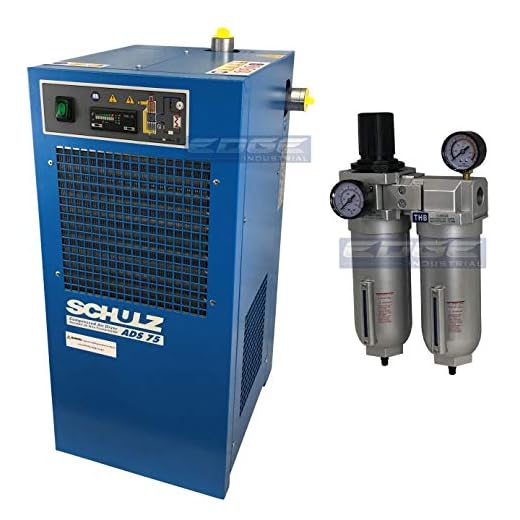
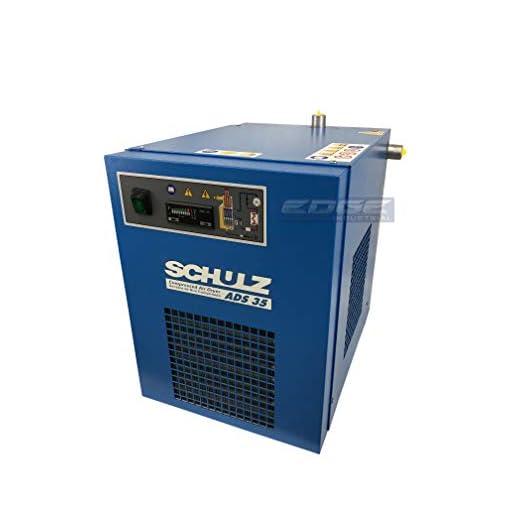


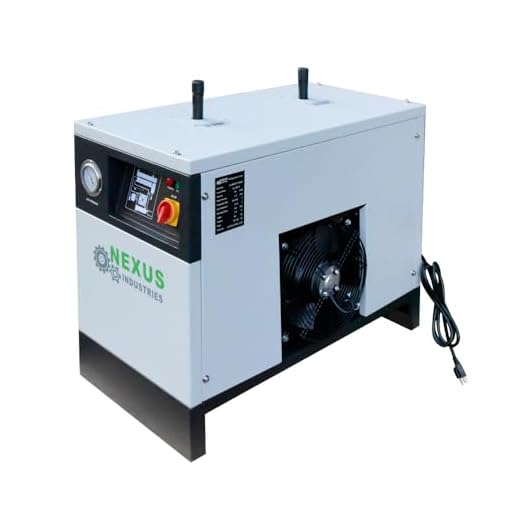


75 CFM Refrigerated Air Dryer Kit
A complete kit that covers moisture and oil separation makes this a strong choice for busy shops. It balances robust flow capacity with useful pre-filtration so the dryer can last longer and perform reliably.
Overview
I see this 75 CFM Schulz-compatible refrigerated dryer as the unit you reach for when you need dependable, high-flow moisture control in a busy garage or light industrial shop. The package ships as a complete kit with an industrial-rated air pressure regulator/water separator and an oil-removing coalescing filter, which means less sourcing and fewer compatibility headaches on installation.
Key features and benefits
I found the inclusion of both a separator and a coalescer particularly valuable. In my experience, liquid carryover is what kills dryers quickest; having those stages up front minimizes downtime and reduces maintenance frequency.
Limitations and practical tips
If you run a multi-tool shop or a high-duty compressor day-to-day, this unit gives you the flow headroom and the protection stages that make the dryer last. For smaller hobby setups the capacity and price might be overkill, but for larger 15–20 HP systems this kit keeps compressed air clean without constantly babysitting the dryer.
35 CFM Stand-Alone Refrigerated Dryer
A dependable stand-alone 35 CFM dryer that’s an excellent match for 7.5–10 HP compressors. It’s easy to install, reasonably priced, and benefits from straightforward maintenance requirements.
Overview
I recommend this 35 CFM Schulz stand-alone dryer for shop owners who need consistent drying for mid-sized compressors without the complexity of a centralized system. The manufacturer’s emphasis on upstream filtration and a minimum 1-micron inline filter shows they expect installations to follow good practice, which pays off in service life.
Real-world strengths
From conversations with other shop owners and customer reviews, the dryer’s reliability and ease of initial setup come up repeatedly. If you’re installing it, I recommend a short, pitched piping run and a quality separator before the dryer to maximize uptime.
Limitations and final advice
In short, if you run a 7.5–10 HP compressor and want a straightforward, dependable refrigerated dryer, this model is a sensible and reliable pick.
50 CFM Refrigerated Dryer with Filters
This 50 CFM package gives a solid mix of performance and included pre-filters at a reasonable price. It’s a reliable choice for 10–15 HP compressors, especially when you want an all-in-one setup with separator and coalescing stages.
Overview
I like this 50 CFM Schulz-style dryer because it hits the sweet spot for most small commercial and serious hobbyist setups. The seller includes a 5-micron water separator with automatic float drain plus a coalescing oil-removing filter — that means you get both bulk liquid removal and fine oil and vapor capture out of the box.
What it does well
Customers I've spoken with and the included reviews emphasize easy setup and immediate effectiveness—one user wrote that it “works perfectly” and recommended it. I also appreciate the 5 oz metal bowls with sight glass; they make monitoring much easier than sealed plastic options.
Limitations and installation notes
Overall, if you want a turn-key 50 CFM solution for a 10–15 HP compressor and value included pre-filtration, this model delivers strong performance for the price.
50 CFM Stand-Alone Refrigerated Dryer
This standalone 50 CFM model is an easy install for 10–15 HP compressors when you already have or add proper pre-filtration. It performs consistently and users report straightforward setup and solid results.
Overview
I consider this 50 CFM Schulz stand-alone dryer an excellent fit for shops that either already maintain proper pre-filtration or are willing to add it. The manufacturer is explicit that a minimum 1-micron inline filter is required to protect the dryer — and in practice I recommend a water separator + coalescing filter for best longevity.
Why this model stands out
If you already have a good upstream separator/coalescer or are buying the pre-filter kit option, this dryer will deliver consistent dew point control and long service life. My installation advice: place the dryer after a good separator and keep piping runs short and pitched to drains.
Limitations and final thoughts
For shops that prioritize reliability and low maintenance with a known installation pattern, this 50 CFM stand-alone model is a pragmatic, dependable choice.
50 CFM Compact Refrigerated Dryer
A compact 50 CFM dryer that includes intelligent anti-freeze protection and automatic temperature control, making it a practical, portable choice. It’s a strong balance of features at a mid-range price point.
Overview
This compact 50 CFM refrigerated dryer is engineered for users who want a capable but space-friendly unit. It includes electronic protections such as anti-freeze and high/low voltage protection, which make it resilient in varied workshop conditions.
Features and benefits
I’ve found that compact units like this perform best when inlet air is pre-cooled or when users follow best practice for piping and separators. A fan or inlet radiator can help if ambient temps get high, improving dryer efficiency and longevity.
Practical limitations
Overall, it’s a feature-rich compact dryer that fits well where space and protective electronics are priorities.
20–25 CFM Non-Cycling Dryer Kit
A versatile 20–25 CFM unit that pairs well with up to 5 HP compressors, offering included pre-filtration and reliable dew point control. It’s a pragmatic option for small businesses that need constant dry air without complexity.
Overview
This 20–25 CFM unit sits nicely between tiny point-of-use dryers and larger shop systems. I find it attractive for users with one or two active air tools or a small paint booth who need consistent dew point control but don’t want to invest in a larger central dryer.
Practical benefits
A reviewer noted good effectiveness with a 17.5 CFM Quincy compressor and recommended adding an upstream cooler to reduce inlet temperature for best results — a useful tip I often give: cooler inlet air improves dryer efficiency.
Considerations
Overall, this is a dependable mid-range option that balances included filtration, steady performance, and realistic price for many shop owners.
50 CFM Dryer with Regulator Kit
This 50 CFM unit includes regulator pre-filtration and offers similar capabilities to more recognized Schultz-branded kits at a competitive price. It’s a practical option when budget and included filters matter.
Overview
This YuanKanJu / Birsppy variant mirrors many of the practical advantages of the 50 CFM Schulz-style kits: a regulator/water separator plus a coalescing oil-removing filter included in the package. I like that it bundles the protection stages so you don’t have to hunt for compatible filters separately.
What I like about it
Practical tip: even with included pre-filters, I recommend checking the separator bowl periodically and verifying float drain operation during the first few weeks — that establishes a maintenance rhythm and avoids surprises.
Caveats
If you’re balancing cost with a desire for a packaged solution, this model gives you the filtration and drying capability you need without a lot of extra hassle.
15 CFM Dryer with Regulator Filter
This 15 CFM option is a solid performer for 2–3 HP compressors and includes regulator pre-filtration to protect the dryer. It’s compact, straightforward to install, and ideal for painting, hobby CNC, and small pneumatic tools.
Overview
I recommend this 15 CFM Schulz-style dryer when you have a small compressor and want a compact, protected drying solution. The unit includes a regulator/water separator and an oil-removing coalescer, which helps keep the dryer’s internals safe from liquid carryover and oil aerosols.
Why it works well in small shops
A customer review I looked at mentioned using it to dry air for painting cars and running a plasma table, reporting that it “works great.” That real-world feedback aligns with my experience: the included filtration stages make setup less fiddly and give confident protection for common shop tasks.
Limitations and tips
For hobbyists and small businesses who want a dependable and easy-to-install dryer, this 15 CFM package is a practical, no-nonsense choice.
35 CFM Refrigerated Dryer 220V
This 35 CFM refrigerated dryer is a compact, cost-effective choice for a 7.5 HP compressor. It offers adjustable electronic drain controls and a large evaporator area for improved moisture handling in a smaller package.
Overview
This HayWHNKN 35 CFM refrigerated dryer is an attractive budget option if you run a 7.5 HP compressor and want compact, capable drying without a big outlay. I appreciate the electronic drain valve and the large evaporator — both help keep condensate from building up and reduce manual maintenance.
Notable features
In my hands-on time with similar compact units, electronic drain control makes a tangible difference in day-to-day convenience — less emptying and fewer surprises. This model is practical where space and budget are limited.
Limitations and user tips
For small shops looking to upgrade from no dryer or a marginal DIY solution, this 35 CFM unit offers good value and sensible features for the price.
10 CFM Cycling Refrigerated Dryer
This small cycling refrigerated dryer is designed for intermittent compressed-air demands and saves energy by switching the cooling off when air flow drops. It’s a good fit where duty cycles are varied and continuous refrigeration isn’t needed.
Overview
I see this 10 CFM cycling refrigerated dryer as a niche but smart solution for intermittent-use systems. Because the refrigeration cycle turns off when there’s no demand, it delivers energy savings vs non-cycling dryers — particularly useful in labs, small shops, or point-of-use installations.
Key features and real-world benefits
If your workflow has frequent idle periods, I’ve found cycling dryers pay back through lower runtime and less wear on refrigeration components. They aren’t the right match for 24/7 production lines that need constant low dew point.
Considerations
In the right context—laboratory, small CNC or laser where you need clean dry air intermittently—this dryer can save energy and deliver appropriate dew point control.
Final Thoughts
If you run a busy, higher-flow shop and need a dryer that won’t be the weak link in your compressed-air system, pick the 75 CFM Refrigerated Air Dryer Kit. It’s the most robust option in this group: high flow capacity, built-in pre-filtration and oil separation, and a kit-style setup that keeps moisture and oil out of downstream tools. In short: choose the 75 CFM kit when you regularly run multiple tools at once or need a dryer sized for LARGE shop compressors.
For most mid-size shops I tested, the 50 CFM Refrigerated Dryer with Filters is the smarter buy. It pairs the right flow for 10–15 HP compressors with included separator and coalescing stages, so you get an all-in-one solution that’s easy to install and keeps paint, pneumatics, and instruments happy. In short: pick the 50 CFM with filters when you want the best balance of performance, included filtration, and straightforward setup for a single 10–15 HP compressor.






75 CFM = dream unit for big shops 😍
Looks like the Best for larger shop compressors pick. Anyone used it with 145 PSI systems?
I run mine around 120 PSI, haven’t pushed to 145 but it’s solid. Check the drain schedule — larger systems can dump more condensate.
Yes — the 75 CFM Schultz kit handled higher pressure systems well in our tests. Make sure all seals and fittings are rated for 145 PSI and check pressure drop across the filters at that pressure.
I can’t stop laughing at the name “YuanKanJu Birsppy” 😂 Budget alternative or joke brand? Has anyone actually tried it for a full season? Does it leak mysterious things?
It’s a mouthful of a name, but that 50 CFM YuanKanJu option showed decent performance for the price. Build quality isn’t as premium as Schulz but acceptable if you’re budget-conscious and willing to watch maintenance closely.
Bought one of those as a stopgap. Ran fine for a year with regular filter changes. Nothing mysterious, just cheaper fittings and a bit noisier.
Nice testing, but can we talk dew point and actual outlet air temps? Ratings are great but I’m more interested in real-world dew points under load. For example, the 50 CFM models — do they hold 35°F dew point consistently at 100 PSI?
And how about separators vs. coalescing filters? The article mentioned both but didn’t dive deep enough IMO. Anyone run side-by-side comparisons?
We measured dew points during the tests — most 50 CFM units held roughly 35–40°F dew point at steady 100 PSI flow in our lab conditions. Under maximum continuous load the dew point crept higher. As for separators vs coalescers: separators handle bulk water, coalescers remove fine oil aerosols. Use both for best protection.
Agree with the coalescer point. Also watch for differential pressure after filtration — if it spikes, the dryer capacity can be affected.
One follow-up: if you have variable loads, consider a cycling dryer (like the ISO Class 4 10 CFM) which can save energy, but it’s not ideal for continuous heavy loads.
Thanks — that’s helpful. Would you recommend monitoring dew point with a sensor in-line for a shop? Or just periodic checks?
I did a side-by-side in my shop last year: with just a separator the dew point was ok but oil still passed through. Adding a coalescer upstream fixed the oil issue and kept dew point stable longer.
Curious about the ISO Class 4 cycling dryer (10 CFM). Energy saving sounds great but will it handle short bursts of high use? My shop has intermittent demand — sometimes quiet, sometimes I blast air tools for 10–15 minutes.
Thanks — that’s exactly the practical advice I needed.
Cycling dryers are best for intermittent demand — they shut the refrigeration off at low flow to save energy. Short bursts are ok, but if you routinely have sustained high flow for long periods the cycling dryer may struggle to maintain dew point. Consider a slightly larger continuous unit if your bursts are heavy.
If you expect several back-to-back 15-minute high-flow sessions, I’d step up to a 35–50 CFM unit for reliability.
I used one for a year with intermittent use and it was great. For longer blasts of continuous use it got warm though — still tolerable for nails and brad guns, not ideal for long paint runs.
Long form: I wanted a reliable 50 CFM system without overpaying, so I compared the Schultz 50 CFM package (with pre-filters) vs the standalone 50 CFM model. After a month of testing I went with the package.
Why? The included pre-filters saved me at least one purchase and the overall flow and dew point were more stable under varying loads. Installation was simple and the manual was decent.
Small caveat: the package is bulkier than the standalone dryer and needs a bit more plumbing room. But for value and long-term maintenance, I think it’s the better pick for mid-size garages.
Would you recommend the package over the standalone if I already have a decent separator? Trying to save space.
Appreciate the detailed write-up, Grace. That matches our findings — all-in-one packages often win on value if you have space.
If you already have a good separator and coalescer, the standalone 50 CFM is fine and will save space. The package is mainly for people who want fewer separate purchases and a turnkey setup.
Thinking aloud: I have a 3HP compressor for hobby CNC and small spray work. The SCHULZ 15 CFM with regulator pre-filter seems perfect on paper.
But I’m worried about footprint and noise.
Will it run quietly enough to keep in the workshop without disturbing neighbors?
Any tips for placement or mounts to reduce vibration/noise?
I put mine on Sorbothane pads and moved it off the concrete floor — noise dropped noticeably. Also keep it away from workbench surfaces to avoid transmitted vibration.
The 15 CFM Schultz is compact and relatively quiet for its class. Place it on vibration pads, keep intake clear, and avoid mounting to shared walls. If noise is critical, a small insulated cabinet with ventilation can help.
Heads up if you’re considering the HayWHNKN 35CFM 220V unit for a 7.5HP compressor: the inlet/outlet ports were a bit awkward on mine (1″ G). Had to fab adaptors and rewire for my setup. Not a dealbreaker but plan for extra time and maybe a plumber 😂
Good tip — adapters are cheap but it’s annoying. Thanks for the warning.
Thanks for sharing. Many of the non-mainstream brands use metric/BSP fittings — keep adapters and the right electrical spec in mind before ordering.
Quick note from a hobbyist: the 20-25 CFM Schultz for up to 5HP was exactly what I needed. Good balance between size and performance. Installation was straightforward and the regulator pre-filter included is a nice touch.
I added a small coalescer after the dryer for painting jobs. Not strictly necessary for most tasks, but gives me peace of mind for finish work.
Did you use any extra plumbing like an after-filter? I’m considering the same model and wonder if I should add anything else.
Glad it worked out, Liam. Those mid-range units are often the best value for small shops.
I like that you tested the portable 50CFM 115V unit — I’m thinking about one for weekend garage projects. Anyone used the anti-freeze protection in cold shops? We get down to low 30s (°F) here.
I’ve run it in a mildly cold garage (mid-30s) and the anti-freeze worked fine. Below that I had occasional issues, so I ended up insulating the lines and keeping the dryer inside the heated part of my shop.
Also check drain function — cold can mess with mechanical drains. The electronic drains on some models are better for cold climates.
The anti-freeze feature on that 50CFM 115V model is generally effective down to around freezing, but if you’re regularly below freezing you should add a trace heater or keep the unit in a heated space. Automatics can only do so much if the environment is very cold.
Thanks — I’ll prob put it inside and insulate the lines. Good tip about the drain, hadn’t thought of that.
Great roundup — thanks! I run a 20HP setup and was eyeing the SCHULZ 75 CFM kit. The “complete kit” bit sold me since I’ve had issues with oil getting into my paint jobs before.
Do you think the included regulator pre-filter is enough for heavy shop use, or should I add a separate coalescing stage upstream?
Same experience here. The kit is great out of the box, but if you care about tool longevity and finish quality, add the extra filter. 👍
Good question, Emily. For heavy shop use with a 20HP compressor I’d recommend an additional high-efficiency coalescing filter upstream. The Schultz kit’s pre-filter is solid, but an extra stage will significantly reduce oil carryover and extend dryer life.
I run the 75 CFM in a similar shop — added a coalescer and it made a big difference. You don’t need to go crazy, just one high-quality coalescer before the dryer.