

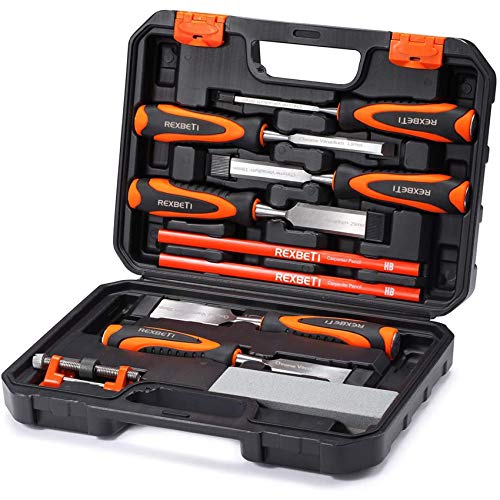
The guide “How to Handle Woodworking Chisels Safely” provides essential tips to help woodworkers use chisels safely and avoid accidents. It educates on best practices that are crucial for handling woodworking chisels with care.


Selecting the Right Chisel
Make sure you choose the appropriate chisel for your woodworking project by considering its size, shape, and sharpness. For smaller, detailed cuts, opt for a narrow chisel. A wider chisel is better suited for larger cuts or for removing a lot of material quickly. The shape of the chisel should match the task; for example, a beveled edge chisel is great for creating clean, precise angles. Ensure your chisel is sharp to make your work easier and prevent accidents. You can achieve this by sharpening your chisel with a sharpening stone or a honing guide. Remember, the right chisel can make a big difference in the outcome of your woodworking project.
Inspecting the Chisel
Before using the chisel, check it thoroughly for any signs of damage like cracks or dull edges. Inspect the handle to ensure it is firmly attached and shows no signs of looseness. Run your fingers along the edge of the blade to feel for any inconsistencies or irregularities. Look closely at the metal surface for any nicks, dents, or deformities that could affect its performance. Ensure the blade is clean and free from any debris that could affect its cutting efficiency. If any issues are found, refrain from using the chisel and get it repaired or replaced by a professional. Regular maintenance and proper inspection are key to working safely and efficiently with your tools.
Preparing Your Workspace
Clear your work area of clutter to create a clean and organized workspace. Remove any unnecessary items to ensure a clear surface for your project. Additionally, make sure you have good lighting to see clearly while working. Natural light is ideal, but if not possible, consider using a bright desk lamp or overhead lighting to illuminate your workspace effectively.
Use a stable workbench set at an appropriate height for comfortable chiseling. Your workbench should be sturdy and at a height that allows you to work without straining your back or arms. It’s essential to have a solid surface to support your work and provide a comfortable working environment. Adjust the workbench to a level where you can easily maneuver your tools and materials without any discomfort. By following these steps, you can create an optimal workspace for your chiseling projects.
Holding the Chisel Correctly
Grasp the chisel firmly with one hand on the handle and the other hand near the blade for precise control. Remember to maintain a safe distance between your hands and the cutting edge. By doing this, you ensure better accuracy and reduce the risk of accidental injuries. Keep a firm grip on the handle and position your other hand close to the blade to guide the chisel with control and precision. This technique allows you to work efficiently while staying safe.
Chiseling Techniques
To practice controlled movements when chiseling, start by lightly tapping the chisel on the material you want to cut. This helps create a cutting line to follow. Gradually increase the force you apply to the chisel as you deepen the cut. Remember to maintain consistent pressure throughout the cutting process to ensure a smooth and accurate finish.
Avoid using awkward angles that may cause the chisel to slip and lead to accidents. Position yourself directly above the chisel and work at a comfortable height. Secure the material you are chiseling to prevent it from moving while you work. By using these techniques, you can improve your chiseling skills and achieve precise and clean cuts.
Maintaining Sharpness and Safety
Regularly sharpen your chisels by using a sharpening stone or a honing guide. Hold the chisel securely and maintain a consistent angle while sharpening to achieve a sharp edge. Remove any burrs that form on the chisel’s blade after sharpening by gently running it once over the stone at a lower angle. This process will help keep your chisels in optimal condition for your woodworking projects.
Store your chisels in a designated holder or rack to prevent accidents and maintain blade sharpness. Make sure the blades are covered or protected to avoid any unintentional contact that may dull or damage them. Keep them in a dry place to prevent any rust or corrosion from forming and affecting their performance. By storing your chisels properly, you ensure they are always ready for use whenever you need them.
Summary and Final Tips
By adhering to the safety guidelines outlined in this guide, you can ensure a safe and efficient woodworking experience with chisels. Remember to always select the appropriate chisel for your task, maintain your tools in top condition, and prepare a clutter-free, well-lit workspace. Practicing proper chiseling techniques and regularly inspecting your tools for damage are key to avoiding accidents. Store your chisels securely to maintain their sharpness and longevity. These practices will not only enhance your safety but also improve the quality of your woodworking projects.
Essential Equipment List

Craft with Confidence
Mastering the Art of Woodworking Chisels: A Beginner’s Guide
- Start by selecting the right chisels for your project – consider size, shape, and material
- Keep your chisels sharp by regularly sharpening them with a sharpening stone or sandpaper
- Use a mallet or hammer to apply controlled force when cutting into wood, rather than relying on hand pressure alone
- Secure your workpiece with clamps or a vice to prevent it from moving while you chisel
- Practice good technique by cutting with the grain of the wood and making light, controlled cuts to avoid splintering
Chisel Know-How
Woodworking chisels are typically made from high-quality carbon steel, tool steel, or even high-speed steel. These materials are chosen for their strength, durability, and ability to hold a sharp edge for extended periods of time. Some chisels may also have wooden or plastic handles for a comfortable grip.
Woodworking chisels are commonly used with a range of accessories and tools to enhance their functionality and precision. Some common accessories used with woodworking chisels include sharpening stones or honing guides to maintain a sharp edge, mallets or hammers for striking the chisel, and a bench vise or clamps to secure your workpiece while chiseling. Additionally, using a marking knife or pencil can help with precise layout lines, and a carving or whittling knife can complement the chisel work for intricate details. Overall, these accessories and tools can help you achieve more accurate and efficient results in your woodworking projects.
There are several types of woodworking chisels available, each designed for specific tasks:
- Bench chisels: All-purpose chisels used for general woodworking tasks.
- Mortise chisels: Specifically designed for cutting square holes for mortise and tenon joints.
- Paring chisels: Long, thin chisels used for delicate trimming and shaping tasks.
- Firmer chisels: Stronger chisels with a thicker blade for heavier-duty work.
- Japanese chisels: Featuring a laminated blade and a wooden handle, these chisels are known for their sharpness and precision.Remember to choose the right chisel based on your specific woodworking needs to achieve the best results.
To prevent damage to your woodworking chisels, it’s best to store them properly. You should store your woodworking chisels in a dry place to prevent rusting. A good option is to hang them on a tool rack or store them in a dedicated case or tool chest with individual slots for each chisel to prevent them from bumping against each other and getting dull or chipped. Keeping your chisels clean and dry before storing them will help maintain their sharpness and integrity for a long time.
Yes, there are specific techniques for using woodworking chisels effectively. Some key tips include keeping your chisels well-sharpened for clean cuts, using a mallet to tap the chisel instead of forcing it by hand, starting with light cuts and gradually increasing pressure, holding the chisel at the bevel angle, and making sure to work with the wood grain. Practicing these techniques will help you achieve better results and maintain your chisels in good condition.
When using a set of woodworking chisels, you benefit from having a variety of chisel sizes and shapes at your disposal. This versatility allows you to tackle a wider range of woodworking tasks with more precision and efficiency. Additionally, having a set of chisels means you can choose the right tool for the job, which can help prevent damaging your workpiece and improve the quality of your craftsmanship. Overall, investing in a set of woodworking chisels can enhance your woodworking experience and capabilities.
Some common maintenance tips for woodworking chisels include:
- Keep your chisels clean after each use by wiping them with a clean cloth to remove any dust or debris.
- Regularly check the sharpness of the chisel blades and sharpen them as needed to maintain optimal cutting performance.
- Store your chisels in a dry place to prevent rusting. You can apply a thin coat of oil to the blades for extra protection.
- Avoid dropping or mishandling your chisels to prevent them from dulling or chipping.
- Use a honing guide when sharpening your chisels to maintain the proper bevel angle and ensure consistent results.
By following these maintenance tips, you can help prolong the life of your woodworking chisels and keep them in good working condition.
To sharpen woodworking chisels, you can follow these steps:
- Begin by securing the chisel in a honing guide to maintain a consistent angle while sharpening.
- Use a coarse-grit sharpening stone or diamond stone to remove any nicks or damage from the chisel edge. Move the chisel back and forth across the stone in a circular motion.
- Progress to a medium-grit stone to further refine the edge, and then finish with a fine-grit stone for a sharp edge.
- To hone the edge, you can use a leather strop with polishing compound to remove any burrs and achieve a razor-sharp edge.
- Remember to periodically flatten your sharpening stones to ensure consistent results.
By following these steps, you can effectively sharpen your woodworking chisels and maintain their cutting performance.




Safety tips provided were concise and important.
Could you include more information on different types of chisels to use for various woodworking tasks?
I found the step-by-step guide on using chisels very helpful!
Video demonstrations would complement the written instructions well.
Great reminders on maintaining sharpness and proper storage of chisels.