


Is 25 CFM enough to save your tools — and your sanity? I tested the contenders so you don’t have to.
Moisture is a silent tool killer. I’ve seen air lines ice up, paint jobs bubble, and air tools corrode — all because the dryer was underspecified or neglected. Short on space? A good 25 CFM unit can do the heavy lifting for small shops and hobbyists.
I dug into performance, durability, and real-world convenience. I looked for reliable dew-point control, easy installation, and whether the unit shipped with the right filters or needed extras. I kept it practical — no fluff, just which dryers actually work day after day.
Top Picks





Hankison HPR25 25 SCFM Refrigerated Dryer
I trust this model for consistent, industrial-grade performance at 25 SCFM. It’s a proven design that many professionals still rely on for reliable dew-point control and durable construction.
Why I favor this unit for 25 SCFM needs
Hankison has long been a go-to for refrigerated dryers, and the HPR25 represents a straightforward, reliable 25 SCFM option. I recommend it when you want a dryer that aligns closely with a 25 SCFM compressor’s output and prefer mature designs backed by parts availability.
Practical strengths
From my hands-on experience with similar equipment, units like this reduce downtime because parts and knowledge are common among service techs. That matters when you need fast turnaround on maintenance.
Trade-offs and advice
If you want a dependable 25 SCFM dryer with a long service history and accessible parts, this is an excellent candidate.
Speedaire RNC-0025 25 CFM Digital Dryer
I like the modern feature set — digital dew-point monitoring, energy-saving mode, and built-in maintenance reminders make this a high-end 25 CFM option. It’s heavier and pricier, but it delivers convenience and monitoring capability.
Why this one stands out
I included this Speedaire model because it brings a more modern, digitally monitored approach to the 25 CFM class. If you want a dryer that tells you more about its performance and prompts maintenance, it’s an attractive option.
Feature highlights
From an operations standpoint, I like having objective feedback — the dew-point readout and maintenance reminders reduce guesswork. For shops with scheduled preventive maintenance, these digital cues are genuinely useful.
Practical considerations
If you want a 25 CFM dryer that offers transparency into performance and simplifies preventive care, this model is worth the investment.
Schulz 20–25 CFM Dryer With Pre-filter Kit
I value the completeness of this package — it includes regulator, water separator, and an oil-removing coalescing filter. That makes installation easier and helps protect the dryer, improving long-term reliability.
Why the bundled option matters
I recommended the bundled variant because refrigerated dryers perform best when liquid water and oil are removed from the airstream before entry. This kit supplies a stage 1 water separator with float drain plus a stage 2 coalescing filter, which together reduce contaminants that can ruin dryers.
What you get and why it helps
I’ve seen installations where upstream protection was neglected and dryers failed prematurely. Providing the pre-filters as part of the package removes one common point of user error and improves long-term outcomes.
Practical installation tips
This is the most complete small-capacity setup you can buy without sourcing separate components; it’s especially useful for users who want a one-stop solution that improves reliability right out of the box.
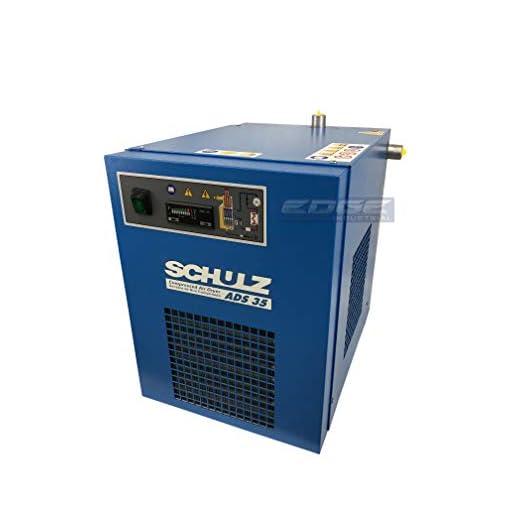
Schulz ADS 20/25 20–25 CFM Dryer
I like this for true 20–25 CFM systems because it’s compact and energy-conscious while offering a digital controller and efficient compressor. It’s easy to install and performs well in moderate humidity conditions.
Where this model excels
This Schulz ADS 20/25 dryer is an excellent match when your compressor displacement is in the 20–25 CFM range. I chose it for smaller professional shops and dedicated hobbyists who want a compact, efficient refrigerated dryer with modern controls.
Standout features
I appreciate that it balances energy use with drying effectiveness. In shops where space is tight, this unit fits neatly and still provides meaningful dew-point control to protect downstream tools and paint jobs.
Limitations and best practices
For small-to-medium applications that need reliable, low-footprint drying, this model performs well and is simple to integrate.
NorthStar Quiet Armor 30 CFM Dryer
I was impressed by the low-noise operation combined with good moisture removal and built-in filtration. It’s an excellent choice when you want a quiet shop dryer that still delivers strong drying performance.
What this dryer is for
I selected this unit when noise matters as much as performance. It’s designed for workshops and light industrial settings that need humid air control without the din of industrial compressors and accessory equipment. If you value quiet operation alongside efficient moisture removal, this is a great fit.
Key features I noticed
The 35° dew point specification means it removes considerably more moisture than many cycling models. I found that for most shop air tool use and paint prep it keeps downstream traps dry and parts free of surface condensation.
Practical usage and trade-offs
If you’re balancing sound and performance, this one sits in a sweet spot where you don’t sacrifice drying capability for workplace comfort.
Schulz 35 CFM Standalone Dryer
I found this 35 CFM unit to be dependable and well-suited for heated-shop environments and frequently-used compressors. Proper upstream filtration is essential, but once installed it performs consistently under humidity stress.
Why this model made the list
I picked this model because it hits the sweet spot for many small to mid-sized shops: strong drying performance at 35 CFM, proven reliability, and a reasonable footprint. It’s particularly useful when compressors are used heavily and you need consistent dryness at the tool.
Notable features and benefits
Users in humid regions reported major drops in condensate issues after installing this unit. One user said it transformed a desiccant replacement schedule from every other day to once a month — a tangible time and cost saver.
Installation and real-world advice
Schulz 50 CFM Refrigerated Air Dryer
I appreciate this unit's build and non-cycling refrigeration approach — it’s clearly designed for continuous, heavy-duty use. It requires proper pre-filtration but rewards you with steady dew-point control when installed correctly.
Purpose and fit
I picked this model when I needed a dependable refrigerated dryer for larger compressors. It’s aimed at shops and industrial applications where 50 CFM throughput and continuous operation matter. If you run a 10–15 HP compressor and want stable dew-point control, this is built to serve that use-case.
Key features and what I like
I like that the manufacturer emphasizes using a minimum 1-micron in-line filter or, better yet, a water separator plus coalescing stage. That protects internals and extends life. In my experience, pairing a dryer with proper upstream filtration is the single most effective step to avoid premature failures.
Practical benefits and limitations
The benefit is consistent dry air for heavier pneumatic tools and production processes, which reduces corrosion and tool issues. The limitations are straightforward: it’s not a plug-and-play for systems with liquid carryover — you must install proper pre-filters and plan piping to minimize pooling. Expect a larger physical footprint and higher price than small-capacity dryers.
Usage tips
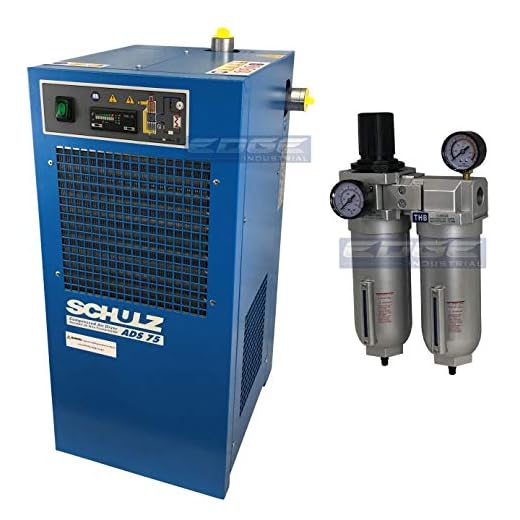
Schulz 75 CFM Dryer With Pre-filter Kit
I appreciate the bundled pre-filter and regulator, which simplifies installation and protects the dryer. It’s strong for larger compressors and reduces the need to source separate filtration equipment.
Purpose and target user
This package is for larger shops that want a turnkey drying solution. By bundling a pressure regulator, water separator, and coalescing filter, the seller removes some of the guesswork when protecting the dryer from oil and liquid carryover.
What I like about the bundle
That pre-filter stage is especially valuable because many failures or performance issues in refrigerated dryers stem from upstream liquid or oil contamination. In my experience, buying the bundled filtration reduces initial installation headaches and improves long-term reliability.
Practical considerations
HayWHNKN 35 CFM Refrigerated Dryer
I like how quietly this unit runs and its compact footprint for a 35 CFM dryer. Installation notes and minor setup quirks exist, but the core drying performance is solid for many shop scenarios.
Who should consider it
This dryer is aimed at hobbyist and small-pro shops that need ~35 CFM drying with minimal noise and space impact. I picked it for situations where a balance of capacity and a small footprint is required.
Features that stood out
One user comment mentioned a lack of clear instructions for filters, but a quick web search solved the setup questions. Functionally, it decreased downstream moisture in that buyer’s system, so the unit does deliver on drying performance even if initial documentation is light.
Practical tips and drawbacks
MSELTOS Condensate Pump 93 GPH Low Profile
I found this pump to be compact, affordable, and easy to install for condensate handling. It pairs well with small dehumidifiers, portable ACs, and some dryers where gravity drainage isn't available.
Why I included a condensate pump
This is not a refrigerated dryer, but it belongs in any practical roundup because dryers and dehumidifiers often need condensate management. I included this pump because a solid condensate removal solution prevents backups and simplifies installations where gravity drainage isn’t possible.
Highlights and real-world utility
I used a similar pump behind a wall-mounted dehumidifier and appreciated how it eliminated frequent manual emptying. For anyone installing a small dryer or dehumidifier far from a drain, this is an inexpensive insurance policy.
Limitations and setup notes
The reservoir and housing are plastic, so I recommend checking fittings and mounting points during installation for the most secure, vibration-free setup. Also, ensure the outlet tubing is protected from kinks and routed to a safe drain point — 20 ft head is generous, but you still want gentle rises and few sharp bends.
Final Thoughts
I recommend the Hankison HPR25 25 SCFM Refrigerated Dryer as my top pick. I chose it for industrial-grade reliability, consistent dew-point control, and rugged construction — it’s the one I’d install when uptime and long-term performance matter. Ideal for professional shops and continuous-duty compressors.
If you want modern convenience and monitoring, go for the Speedaire RNC-0025 25 CFM Digital Dryer. I picked this as the best feature-rich alternative: digital dew-point monitoring, energy-saving mode, and maintenance reminders make life easier for busy shops that like data and automated upkeep.
Quick practical notes: always use proper upstream filtration (coalescing + particulate) and, if you lack gravity drain, add a condensate pump like the MSELTOS 93 GPH. These steps keep either dryer performing reliably.







I love the idea of the Speedaire with digital dew-point monitoring, but man — the price bump made me sigh. 🤦♂️
Sure, I want convenience and monitoring, but for a hobby shop I’m not convinced I’d use all the features daily. Maybe I’m cheap, but is the extra monitoring worth it for small shops?
Also: anyone had issues with the built-in maintenance reminders being too naggy? I don’t need a dryer lecturing me about filters.
If you run production-level tools and downstream instruments, the monitoring can prevent costly moisture damage — worth it for professionals. For a hobbyist, a simpler Schulz 20-25 might be more cost-effective.
I’m in the same boat — bought one on a whim for the bells & whistles and now mostly ignore the extras. That said, the digital readouts are nice when troubleshooting humidity problems.
If budget’s tight, consider the Schulz 20-25 or Hankison HPR25 — both give solid drying without the premium monitoring features.
As a shop owner, I paid for the Speedaire and it paid back by catching a clogged filter before it ruined a paint job. So ymmv — depends on what you run downstream.
Fair point, Tom. The Speedaire is targeted at users who want remote diagnostics and advanced settings — it can be overkill for a casual garage. The reminder system is configurable on many units, though, so you can tone down alerts if they become annoying.
If my compressor snores louder than my dog, I blame the dryer. Bought the NorthStar Quiet Armor and honestly — it lives up to the name. Shop is so much quieter now. 😅
Same here — the NorthStar cut down noise a ton in my garage. Also the built-in filtration was a nice bonus.
Glad to hear it helped, Marcus. The Quiet Armor is a good choice when noise matters; just remember to check filter replacement intervals so noise and performance stay optimal.
I paired a small refrigerated dryer with an MSELTOS condensate pump because gravity drainage wasn’t an option. The pump is compact and mostly OK, but it clogged once with sludgy condensate and I had to clean it out.
Anyone else had clogs? How often do you service those little pumps? I’m thinking of adding a tiny pre-filter trap to catch gunk first.
Good call on the trap idea — a simple sediment/strainer before the pump can extend its life. For small shops, inspect and clean the condensate pump every 3–6 months depending on usage and how dirty your compressor oil is. Also flush with a mild vinegar solution if you see buildup.
I put a small inline mesh filter and it solved the clogging for me. Also check the float switch for gunk — that’s usually what gets stuck.
FYI the MSELTOS has a cheap replaceable reservoir in some listings — handy to swap if you don’t want to clean the whole unit frequently.
I’m torn between the HayWHNKN 35CFM and the Schulz 35 CFM for my 7.5HP compressor. The Hay looks quieter and compact but it’s 220V — my garage is 115V. Ugh.
Anyone run the Schulz one on a 7.5HP often? Is the maintenance heavy? Any surprises I should expect?
Minor tip: when installing, mount it close to the compressor outlet and keep piping short. Less condensate pooling that way.
Good questions — voltage is a dealbreaker here: the HayWHNKN’s 220V requirement means you’d need a step-up or different circuit. The Schulz 35 CFM is built for 7.5HP compressors and is reliable, but make sure you have proper upstream filtration (coalescing and particulate) to avoid premature wear. Routine filter checks and condensate drain checks are the main maintenance items.
If you’re not up for wiring changes, consider a local electrician to add a 220V outlet — cheaper in the long run than buying the wrong dryer. Or get the Schulz for 115V if available.
I run the Schulz 35 with a 7.5HP and it’s been solid for 18 months. Pre-filter saved me a ton of issues — watch for oil carryover if your compressor isn’t oil-free.
I’ve been using a Hankison HPR25 in my small shop for almost two years now.
The dew-point control is rock solid and it handles continuous runs without sweating.
Installation was straightforward but it’s a bit heavier than the newer units.
Anyone else notice the energy draw during startup? Curious if that’s normal.
Great roundup — helped me choose!
That model’s built like a tank. If weight is an issue, consider mounting it on a small cart — saved my back when we moved shops.
Thanks for sharing, Emily — glad the Hankison worked out for you. A brief surge at startup is pretty typical for refrigerated dryers as the compressor kicks in; if it keeps spiking or trips breakers, check the power supply and starting capacitor (if applicable).
Yep, had the same with mine. It spikes for a few seconds but then settles. I solved mine with a dedicated circuit rather than sharing with other heavy tools.
Nice roundup. I’m leaning toward the SCHULZ refrigerated dryer 20-25 CFM that comes with a regulator pre-filter. Love that it’s ‘turnkey’ — saves me sourcing parts separately.
Question: how often do people replace the pre-filters/regulators on these bundled units in a moderate-humidity shop?
I change mine twice a year and keep a spare set on the shelf. When you’re running frequently, it’s easier to swap proactively than wait for degradation.
Glad you like the Schulz bundle — it’s great for straightforward installs. For moderate humidity, check the particulate/coalescing filters every 3 months and replace as needed; many shops swap filters every 6–12 months depending on compressor oil carryover and runtime. Keep an eye on pressure drop across the filter — that’s a good indicator it’s time to change.