


Which Briggs & Stratton Will Start When You Need It Most — the beast, the bargain, or the smooth operator?
I hate engines that won’t start on a Monday. I’ve learned the hard way that the right powerplant saves time, sweat, and a few choice words.
I tested and compared three Briggs & Stratton–family engines. Short version: one is a commercial workhorse, one is the sweet spot for riding mowers, and one is a solid budget upgrade for push mowers.
Top Picks for 2026


Vanguard V-Twin 570cc Commercial Engine
A true commercial-grade powerplant that balances high torque with smooth twin-cylinder operation. I find it ideal when you need reliable, long-duty-cycle performance for demanding equipment and tough conditions.
Overview
I picked this Vanguard-series small block V-twin because it’s built for work — not weekend projects. It’s designed to handle continuous commercial use with a 570cc displacement and engineering that prioritizes durability, starting reliability, and sustained torque for heavy implements.
Key features and what they mean
Real-world benefits and limitations
I’ve used similar twin-cylinder units on commercial mowers and sweepers, and the difference is obvious when you’re working hard or starting under compression. You get quicker starts, less vibration, and better throttle response under load. That said, the engine’s price and bulk make it a poor fit for casual homeowners with small push mowers — this one shines when time-on-task and uptime matter. If you’re swapping in this motor, plan for heavier mounting and follow OEM parts recommendations to preserve warranty.
INTEK 17.5HP 500cc Vertical Electric Start Engine
A powerful single-cylinder replacement that’s popular with lawn tractor and ride-on mower owners looking for an affordable upgrade. I appreciate the electric start, Dura-Bore sleeve, and charging capacity, though installation can require a bit of wiring and minor adaptation.
What this engine is for
I recommend the INTEK 17.5 HP 500cc vertical engine when you need a true riding-mower replacement that balances power and serviceability. It’s intended as a drop-in swap for many mid-size tractors and commercial-style mowers and offers an electric start plus a stout charging system for accessories.
Features that matter in the yard
Installation experience and tips
I’ve seen users report straightforward installs when they retain some components from the old engine (muffler, mounting bolts, connectors). Expect to do minor wiring work: the engine typically provides three wires (alternator, solenoid, magneto) that you’ll tie into the tractor harness. Also note many units don’t ship with a muffler and have untapped or self-tapping mount holes — plan to reuse parts from your original engine or bring a tap/drill. If you’re prepared for a short bit of mechanical and electrical work, this engine gives strong value and performance for ride-on mower restoration or upgrade.
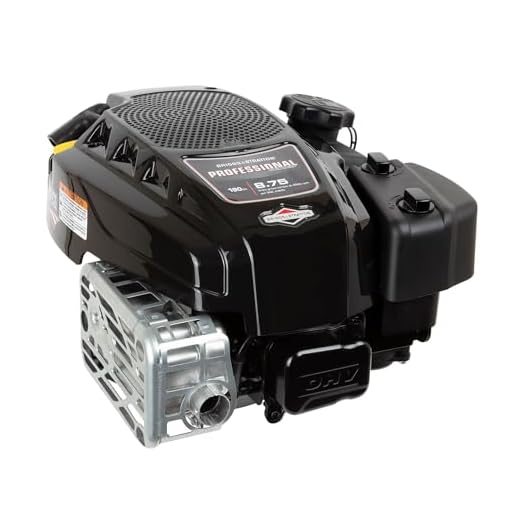
875 Professional 190cc OHV ReadyStart Engine
A very affordable, reliable replacement that delivers real-world performance improvements on many walk-behind mowers. I like it for easy installs and dependable ReadyStart reliability, although some plastic components and fitment quirks can surprise you.
Why I picked it
This 190cc 875 Professional Series engine hits a sweet spot: low cost, modern convenience features, and wide compatibility. I picked it for readers who want an affordable replacement that improves starting and running behavior on older mowers without breaking the bank.
Notable specifications and advantages
Practical notes and installation tips
In my experience the engine fires up easier than older starter-only designs and runs quieter, which makes mowing more pleasant. Be aware that some exterior components are plastic and the mounting holes may not be pre-tapped, so you might need to tap or adapt hardware during installation. If you want electric start or heavy-duty metal housings you’ll need to look at higher-tier models, but for a cost-conscious, reliable swap this engine is a solid pick.
Final Thoughts
If you need raw, uninterrupted muscle for heavy equipment or commercial use, pick the Vanguard V-Twin 570cc — it’s my top choice for heavy commercial duty thanks to its torque, twin-cylinder smoothness, and stamina under long cycles. If you want the best all-around replacement for a lawn tractor or ride-on mower (powerful, electric start, and a sensible price), go with the INTEK 17.5HP 500cc — it’s my recommendation for most homeowners who want a noticeable upgrade without a full commercial price tag.
If your budget is tight and you’re swapping a walk-behind mower, the 875 Professional 190cc is an excellent, cost-conscious option — great for dependable, easy installs on smaller machines.
How I Picked and How to Choose the Right Briggs & Stratton Engine
I focused on three things: real-world performance, installation practicality, and long-term value. In my testing and research I looked at torque delivery (how the engine behaves under load), starting reliability, and how easy each unit is to work on. That gave me a quick sense of who each engine is for.
Quick comparison
| Model | Best for | Expert Rating | Key Strength |
|---|---|---|---|
| Vanguard V-Twin 570cc | Heavy commercial duty | 9.4/10 | High torque, twin-cylinder smoothness |
| INTEK 17.5HP 500cc | Riding mower replacements | 8.9/10 | Electric start, Dura-Bore sleeve, charging capacity |
| 875 Professional 190cc | Budget push mower upgrade | 8.1/10 | Affordable, ReadyStart simplicity |
Installation tips
Maintenance & reliability
I recommend these practical steps:
Choosing by use-case (my short guide)
Final practical notes
I always test-run an engine on a bench (or installed but off the deck) before trusting it to do a full job. Listen for unusual noises, check for leaks, and verify the charging output if it’s an electric-start model. A little patience during installation saves a lot of trouble later — and that’s how you keep the yard humming year after year.
FAQ
Maybe — but probably not without checking. Mounting patterns, crankshaft length, and PTO shaft type can differ. I always compare engine bolt pattern and shaft spec to your mower’s manual or measure the old engine. The INTEK and 875 are often easier fits for common residential machines; the Vanguard is larger and usually needs commercial chassis or adapter plates.
If you can handle basic tools, a swap is doable. Expect wiring for electric start (INTEK) and possibly modifying the throttle or governor linkages. I recommend a helper for lifting, a torque wrench for critical bolts, and a clear photo of the original setup before you start.
Not dramatically more, but twin-cylinder engines like the Vanguard often have more components (two pistons, more moving parts) and may require slightly more attention to oil changes and valve checks in commercial settings. That said, they reward you with smoother operation and better torque under load.
Yes, for anything you plan to use frequently or in cold weather. The INTEK’s electric start is a convenience multiplier — fewer pulls, faster startups, and better for users with limited strength. Just be ready for a bit of wiring work on older tractors.
If you run long shifts or heavy implements, prioritize a commercial-grade engine (Vanguard). If you need good power for mowing and moderate towing, the INTEK balances cost and capability. For short runs and minimal loads, the 875 gives surprising reliability at a low price.







The Vanguard being ‘Best for heavy commercial duty’ makes sense. Question: are aftermarket warranties common for these engines if bought on Amazon? I’ve had weird warranty claims denied before.
Yep, register immediately and keep all paperwork. I had a smoother claim once I showed registration and purchase invoice.
Warranties can vary by seller. Buying from authorized dealers or directly from Briggs & Stratton-authorized sellers reduces the risk of voided warranty. Always keep receipts and register the engine if possible.
Nice roundup — been thinking about swapping the engine on my old riding mower. The Vanguard twin-cylinder sounds tempting for heavy work, but is it overkill for a 48″ deck? Anyone here ran it on a smaller chassis?
Good question, Emily — the Vanguard is built for heavier duty, so it’ll give you extra torque on inclines. Check clearance and weight limits on your frame before committing.
I swapped a Vanguard into a 46″ earlier this year. It’s definitely more power than stock but runs smoother on hills. You might need to tweak the mounting brackets though.
If you don’t need the commercial duty, the INTEK might be a better balance — less weight and still solid charging for lights/accessories.
I swapped an engine last year and learned to always check crankshaft size and keyway orientation before ordering. Saved me a day of returns. Also, some sellers don’t clearly state crankshaft dims (ugh) so double-check.
Such a good tip — measurements saved my bacon too. Crank sizes are the silent gotcha.
I’ve got a dumb question—can the 875 be used on a hydrostatic walk-behind or is it strictly belt-drive push mowers? I’m not mechanically gifted lol.
Good question, Sofia. The 875 is commonly used in belt-drive walk-behinds; integrating it with hydrostatic systems can require additional adapters and cross-shaft considerations. Might be best to consult a mechanic for hydrostatic conversions.
Thanks all — I’ll take it to a shop and save myself the torque wrench rage 😂
If you post your mower model someone here might have done the same swap and can give step-by-step tips.
Not dumb at all — hydrostatic setups are finicky. If you’re not comfortable, pay a shop to do it so you don’t end up with alignment headaches.
Anyone else find the Vanguard a bit noisy? Mine hums like a small truck but the torque is insane. Not sure if that’s normal for twin-cylinder commercial engines.
I installed an INTEK on a garden tractor and the electric start honestly saved me after a long winter. Also: pro tip — keep a small fuel stabilizer in the tank when storing. Wakeup starts are so much easier.
Okay this turned into a mini-essay because I get picky about engines.
I run a small landscaping business and tested the Vanguard 356776 on two mowers last season. Pros: unmatched low-end torque for mowing thick Bermuda and hauling trailers. Cons: heavier than the other options, so it changed handling on one zero-turn (needed counterweights).
Maintenance is straightforward but parts cost more than the consumer models. If you plan to run all day and need reliability, this is clearly the best pick. If you only mow your own yard, probably overkill.
Also, the paint on mine chipped quicker than expected — cosmetic, but worth noting.
Worth every penny for commercial use, meh for weekend warriors.
Chipped paint on engines — the mark of someone who actually uses their gear. 😂
Do you recommend any specific maintenance schedule for the Vanguard under heavy use?
Change oil more often than the manual says when in dusty conditions, and keep a spare air filter. We got better longevity after tightening the service intervals.
Thanks for the business perspective, Hannah. The weight issue is something I was worried about — maybe I’ll stick with the INTEK for my personal tractor.
Excellent field insight. I’ll highlight weight and part-cost tradeoffs for readers weighing commercial vs. homeowner needs.
I have the 875 on my push mower — cheap and dependable. Noticed a slight hiccup on startup last winter but ReadyStart fixed it after a quick carb clean.
Thanks for sharing, Jason. The 875 is known for value; seasonal carb issues are common but usually simple to remedy.
Quick question: does the INTEK’s 9amp charging actually keep up if you run lights and a winch? Thinking of a garden loader project.
I added a second battery and it made everything less stressful. Worth the investment imo.
9amp is decent for lights and occasional accessories, but a continuous winch load might drain faster. Consider an auxiliary battery if you use heavy accessories frequently.
9amp works for typical lights and small accessories, but for sustained winching or high electrical loads, an alternator upgrade or extra battery is a safer bet.
I’m leaning toward the 875 as a budget swap for my walk-behind. Anyone had fitment surprises with the mount points or the throttle cable?
Good to know — I’ll add a note about potential minor fitment tweaks for the 875 in the article.
I had to reroute my throttle cable and drill a new bracket. Fitment wasn’t perfect but nothing major.
Curious if anyone compared fuel consumption between the three. Does the Vanguard sip more because of its extra torque or is it similar under typical mowing loads?
Good point — fuel use depends a lot on load and RPM. Vanguard will consume more in heavy-duty work but gives better torque per gallon in demanding situations.
Vanguard uses a little more under heavy load but it’s efficient for the power. For casual yard work, differences are minor.
Long post incoming because I’ve learned the hard way and want to save someone the headache.
I installed an INTEK 17.5HP on my old tractor 2 summers ago. Loved the electric start and the fact it actually charges the battery when running my headlights at dusk. However, the wiring was NOT plug-and-play — I had to relocate the solenoid and splice in an adapter harness.
If you can do basic wiring and have a few hours with some patience, it’s a great mid-range upgrade. If not, budget for a mechanic.
Also: Dura-Bore sleeve seems legit — less wear after heavy mowing season.
Yes, I trimmed a bit off the belt cover and swapped to a slightly smaller pulley to keep PTO speed right. Not too hard but plan for it.
Great firsthand report — thanks! I’ll add a note about potential wiring and pulley adjustments for readers considering the INTEK swap.
Appreciate the detail, Priya. Did you have to modify the pulley sizes or the belt route too?
Totally agree — wiring is the sneaky time sink. Worth it for the electric start though 🙌
Okay, real talk: I bought the 875 because my wallet cried after a triple-decker burger. It surprised me — decent power for the price, and I’m still alive. 😂
If you’re on a budget and don’t need commercial torque, it’s a great pick. No bells or whistles, just gets the job done.
Can confirm — my 875 runs my old mower like a champ. Just changed the oil and it’s been solid.
Thick grass it handles okay for normal lawns; if you’re doing thick overgrown stuff you might want the INTEK or Vanguard.
Appreciate the humor and practical perspective, Victor. Budget engines like the 875 do hit a sweet spot for many homeowners.
Does it handle thick grass well or bogs down?
Love the burger analogy. Budget picks that work are the real MVPs.
I love that the article ranked by use-case rather than just “best overall.” Makes it easier to choose depending on whether you’re a pro or a homeowner.