


Which Jet bandsaw will survive your shop’s worst day — and still cut a perfect square?
Metal shops don’t have patience for weak tools. I’ve stood watching a bandsaw struggle and thought: that job could be done faster, cleaner, and with less drama. I like tools that just work.
I put these Jets through real-shop thinking — power, repeatability, and how easy they are to live with. Short cuts? No. Solid cuts? Yes. This roundup narrows the field to ten machines worth your floor space.
Top Picks


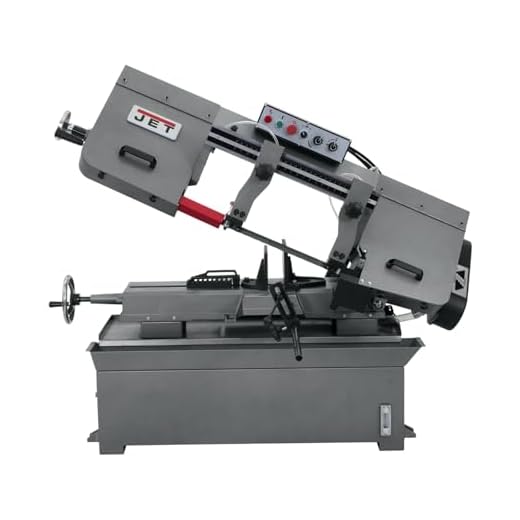

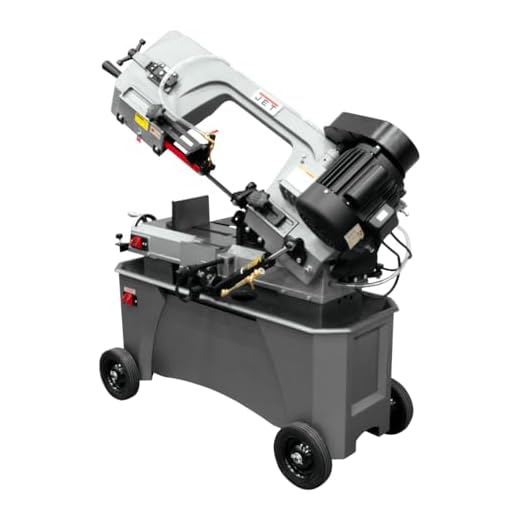


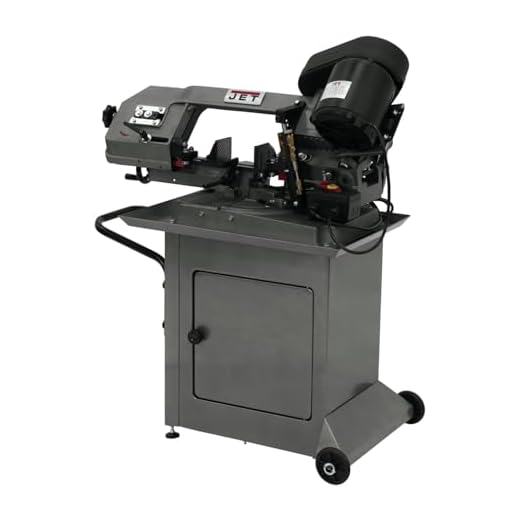
JET 10x16 Horizontal Bandsaw J-7040
I like the 10" x 16" frame for larger jobs — the 2 HP motor and six-point blade guide system make this saw accurate and reliable under heavy loads. It’s a true production-class machine for shops that cut larger sections regularly.
Built for larger, frequent cuts
The J-7040 is a high-capacity horizontal bandsaw designed for shops that frequently process big sections. The 2 HP motor with a variable-speed drive and the robust guide arrangement make it well-suited to demanding cutting schedules with minimal fuss.
Key design strengths
Those design choices focus on repeatability and operator ergonomics — the vise and guides especially reduce setup time and maintain cutting accuracy under sustained use.
Operational and installation notes
This is a heavy piece of equipment (near 1,000 lb) and will need appropriate electrical service (three-phase depending on model) and floor placement. It’s ideal for job shops, fabricators, and maintenance shops processing structural stock or large billets.
Final recommendation
If your shop cuts large-diameter or heavy rectangular stock regularly, the J-7040 is among the best choices in the 10" class for durability, accuracy, and throughput.
Jet 7x12 Variable Speed HVBS-712V Bandsaw
I value the 1 HP DC motor and the wide speed range—88 to 270 SFPM—which gives this saw excellent versatility and cutting torque. It’s a more refined and capable variant of the 7x12 platform for shops that need variable-speed performance.
Overview and performance
I see the HVBS-712V as a step up if you liked the fixed-speed 7x12 but want more range and torque. The three-step gear DC motor delivers excellent low-end torque for heavy cuts while still offering high-speed settings for cleaner, faster cuts in nonferrous materials.
Standout features
The hydraulic downfeed and toolless vise changes save time on repeat operations; the sealed gear drive adds longevity and reduces maintenance headaches.
Practical notes and trade-offs
This machine is heavy and aimed at busy shops that benefit from the variable-speed capability. If you rarely change material types or only cut light stock, the fixed-speed model might be more cost-effective. Plan shop layout accordingly—this is not a bench-top unit.
Recommendation
If you want a versatile 7x12 that can handle a wider range of materials and heavier use without swapping belts, this is my top recommendation in the 7" frame category. Expect to invest a bit more, but get meaningful performance and durability in return.
JET 10x18 Horizontal Bandsaw HBS-1018W
I appreciate the HBS-1018W for its precise cut capability and robust coolant system that helps protect blades and motors during heavier work. It’s a solid choice for shops that need a durable, controlled 10" saw.
Why I like this model
The HBS-1018W combines a large cutting envelope (10" x 18") with practical shop-friendly features like a full coolant system, guarded blade at all positions, and an easy-to-read built-in tension gauge. These elements help preserve blade life and improve cut consistency on tougher materials.
Practical features and benefits
In practice, the coolant system makes a real difference during long runs or when cutting hard alloys — blade life improves and the motor runs cooler.
Considerations for buyers
This saw is heavy (800+ lb) and requires appropriate electrical supply and floor planning. If your shop needs a stable, high-capacity 10" horizontal saw with a focus on blade preservation and repeatable results, this model is a very strong option.
Final thoughts
I recommend the HBS-1018W to shops that cut medium-to-large stock regularly and want a durable saw designed for repeatability and long blade life. It’s an investment, but one that pays off through lower consumable costs and more consistent production.
JET 10x14 Mitering Horizontal Bandsaw MBS-1014W-3
I respect the MBS-1014W-3 for combining a swiveling head with a powerful 3 HP motor and self-propelled blade brush. It’s built for shops that do lots of mitering work and need consistent, low-maintenance performance.
Designed for heavy mitering workloads
This 10" x 14" mitering bandsaw is aimed at fabricators and production shops where processing large-angle cuts quickly and repeatedly is the norm. The combination of a swiveling head and 3 HP motor lets you cut bigger sections at consistent speed and finish.
Features that matter in production
In my experience, the self-propelled brush especially pays back quickly by extending blade service life and reducing operator intervention.
Practical limitations and setup
This is a shop-centered machine: expect to plan for electrical (three-phase) and floor space, as well as rigging for delivery and placement. But if your work involves frequent large miters, the productivity gains are immediate.
Summary
If your shop needs reliable, fast miter work on sizable sections and you can support the floor space and electrical requirements, this Jet mitering saw is one of the best options in its class.
JET 7x12 Deluxe Horizontal/Vertical Bandsaw
I appreciate how this saw balances build quality and cutting performance for steel work. It feels like a workhorse — robust cast-iron parts, a solid vise, and helpful features like micro-adjust stops make repeatable cuts easy.
Purpose and first impressions
I find this 7" x 12" Jet to be a near-perfect compromise between shop-level rigidity and footprint. It’s aimed at fabricators and serious hobbyists who need accurate crosscuts and repeatable mitered cuts without moving up to full-size industrial equipment. The saw’s build quality—cast-iron bow, large infeed table, and robust blade wheels—gives confidence the machine will stay accurate over time.
Key features and benefits
Those features translate into less setup time and repeatable cuts. I liked how the quick-lock vise speeds up jobs where I need consistent miter angles across multiple parts.
Practical use and limitations
The saw is heavy (listed ~374 lb), which is great for vibration control but a pain if you need to reposition it frequently. Several users swap the included wheels for sturdier casters or build a mobile cradle. Coolant management is decent but expect some drips unless you add a tray or adjust the pump flow.
Real-world takeaway
If you want a tough, accurate bandsaw that will handle day-to-day metal cutting in a medium shop, this is a top pick. I recommend budgeting for a better set of casters or a mobile base if you expect to move it often; otherwise you’ll love the stability and precision it brings.
JET 8x13 Horizontal Bandsaw J-7015
I like the heavier construction and the 1.5 HP power — it gives better throughput on larger stock while maintaining blade life. Features like carbide guide bearings and a rapid-action vise make it suited to light production environments.
Who should buy this
I recommend the 8" x 13" J-7015 for shops that regularly cut medium section steel and need a balance between desktop saws and full-size 10"+ machines. The increased horsepower and robust guides reduce blade wandering and extend blade life under load.
Key technical strengths
Those features reduce downtime and make the saw predictable on thicker or tougher materials. The carbide guides are particularly helpful at maintaining blade tracking under repeated heavy cuts.
Operational considerations
This saw is heavy and intended for a permanent shop location. If you need portability, this isn’t the right fit. Also, it’s overkill for occasional hobby use — it shines when put to steady work.
Final impression
For a mid-size shop that wants a durable, predictable horizontal bandsaw without stepping up to large industrial 10" machines, this Jet hits the right notes for power, longevity, and practical features.
JET 5x6 Variable Speed Horizontal/Vertical Bandsaw
I appreciate the variable-speed capability for switching between ferrous, nonferrous, and plastic/wood without changing belts. It’s a small saw but the speed range widens what you can cut effectively and cleanly.
What sets it apart
The HVBS-56V’s variable speed is the standout feature—I found it useful when switching between hardened steel, mild steel, aluminum, and plastics. The speed range (roughly 82–230 SFPM depending on material) gives you finer control over finish and blade life.
Features and performance
Those features mean the saw stays composed under different cutting loads and you can tune the speed to reduce burrs or extend blade life.
Practical considerations
The saw remains a small-frame machine, so while the variable speed is a huge advantage, you’ll still be limited by throat depth and maximum round capacity. I’d use this in a toolroom or small fabrication cell where flexibility matters more than raw capacity.
Final thoughts
If you cut a variety of materials and want a single machine that adapts without swapping belts or complex changes, this variable-speed model is worth the modest premium over the fixed-speed 5x6.
JET 5x6 Compact Horizontal/Vertical Bandsaw
I like this model for small shops and hobbyists who need a compact yet capable bandsaw. It gives good cuts for the price, though the stand and some assembly parts are lighter gauge than heavier-duty models.
Who this is for
I’d recommend the 5" x 6" HVBS-56 to someone who needs a reliable, small-format bandsaw for light fabrication, maintenance work, or hobby projects. It’s especially attractive when shop space is limited and you still need the flexibility of both horizontal and vertical operations.
Notable features
The combination of the worm gear drive and adjustable guides gives better-than-expected performance on steel stock for a 1/2 HP machine.
Practical tips and limitations
You should expect to spend a little time on assembly and alignment. Some users report missing bolts or light-duty stand hardware; I suggest checking all fasteners and reinforcing the legs if you plan to place heavier stock on it. The cutting capacity is limited compared to larger saws, so it’s not ideal for large sectional work.
Bottom line
For the money, this saw is a solid value—portable enough to move and capable enough for most small-shop metal cutting tasks. If you need heavier continuous cutting, step up to a larger frame or a higher-horsepower model.
JET 5x8 Horizontal Bandsaw J-3130
I find the J-3130 a capable compact saw for toolrooms and maintenance shops where space is tight. It can be a dependable performer, but some build-quality issues in shipping and assembly have been reported.
Where this saw fits
I see the J-3130 as a small, serviceable bandsaw for shops that need a reliable machine without a large footprint. Its features make it a natural fit for maintenance departments and toolrooms where versatility and space economy matter.
Feature highlights
The worm drive arrangement gives smoother torque delivery and the guide system is simple to tune for accurate short cuts.
Practical usage and caveats
Be cautious with the stock casters and assembly hardware — several users reported damaged packaging or flimsy caster mounts. I suggest inspecting parts on delivery and, if necessary, upgrading the casters or reinforcing the stand before moving the saw.
Verdict
This is a fine compact saw if you accept a little shop prep after delivery. For frontline heavy production, move up to a larger frame; for smaller shops and maintenance work it’s a sensible and economical choice.
JET 5x6 Mitering Horizontal Bandsaw
I like the idea of a swiveling head that leaves the workpiece fixed for accurate miters, but some users report motor, switch, and drive friction issues that undermine reliability. It can be very capable if you can tune and upgrade certain components.
Mitering design and intended use
This mitering 5" x 6" saw is designed around a swiveling head so you can cut miters without moving the stock—handy for fixtures and repetitive angle work. I find this approach helpful for fabrication tasks where clamping the part in place and rotating the head is faster and more repeatable than re-fixturing parts.
Positive features
Those are real strengths when the mechanics work as intended: smooth downfeed and quick miter changes reduce setup time dramatically.
Issues I’ve seen and practical advice
Several users report drive-wheel traction problems and inconsistent automatic shutoff performance. There are also accounts of motors that struggle under heavier cutting; replacing or upgrading the motor and adding wheel tires can mitigate many problems. If you buy one, plan to test the shutoff adjustment and confirm consistent blade tracking before heavy use.
Who should consider this saw
If you primarily need repeatable miter cuts in light to medium work and are comfortable with minor tuning or upgrades, this saw delivers a neat workflow. For heavy continuous cutting or if you want a no-fuss out-of-box experience, a larger industrial mitering saw might be a safer choice.
Final Thoughts
My top pick for a production shop is the JET 10x16 Horizontal Bandsaw J-7040 (9.3/10). It’s a true production-class saw: a 2 HP motor, a six-point blade guide system, and a 10" x 16" frame mean it chews through larger stock with accuracy and minimal fuss. Choose this if you regularly cut big sections, run long production days, or need a heavy-duty, low-maintenance workhorse for fabrication or metal production.
If you need a versatile, smaller-shop workhorse, go with the Jet 7x12 Variable Speed HVBS-712V (9.2/10). The 1 HP DC motor and wide speed range (88–270 SFPM) give real torque and adaptability for steel, aluminum, and even plastics without swapping belts. Pick this one for job shops, prototyping, or hobbyists who want precise, variable-speed cutting in a compact package.
Those two cover most real-world needs: the J-7040 for heavy, repeatable production work; the HVBS-712V for flexible, precise shop-level performance.





Nice list. Quick thought: the J-7040 and the HBS-1018W both look fantastic, but if budget is tight, are used examples of these models worth seeking out on marketplaces? Or any pitfalls to watch for?
Used machines can be a great value — check for frame straightness, gear/backlash, blade guide wear, and signs of coolant neglect. Ask about electrical configuration (1Ph vs 3Ph) and if lifting hardware/delivery was included.
Also, request photos of the wheel surfaces and check for weld repairs. If you can run it before buying (or have someone inspect), do so.
I bought the MBS-1014W-3 for a small job shop where we do a lot of mitered frames. I love the swiveling head and the 3 HP motor — cuts through thick sections like butter. That said, a few notes for anyone considering it:
– The self-propelled blade brush is great but needs occasional adjustment or it drags.
– We had to upgrade some seals and add a better coolant filter to avoid premature motor strain.
– It’s big and heavy; plan the delivery and placement carefully.
Anyone else done similar tweaks?
Yep — we retrofitted a larger coolant tank and a magnetic chip trap. Made a world of difference on uptime.
Anyone else found the miter stops a bit fiddly out of the box? We had to shim ours for repeatability.
Noted — floor protection during placement is a practical tip. I’ll add a note to the article about delivery/placement prep.
Thanks for sharing those hands-on notes, Nina. Small fixes like better filtration and routine brush tuning are common on heavy mitering saws — good to call out. Other readers: plan for preventative maintenance if you buy this model.
Good tip, Derek — I’ll look into a chip trap. Also, delivery: don’t try to move it with a forklift without proper pads; it scratched our floor bad 😅
Small saws are tiny but mighty! 😂 The 5″ x 6″ HVBS-56V sounds like the swiss army knife of the list. I keep picturing it fighting a 10″ like a kid in a sumo match.
On a serious note: are the smaller HVBS-56/HVBS-56V easy to mod for better rigidity?
Haha — love the mental image. The smaller HVBS-series can be improved with upgraded vise clamping, heavier stand, and better blade guides. You’re limited by size, but those mods tighten up performance a lot.
I welded a thicker base plate to mine and swapped to better guide bearings — much less chatter. Not a huge investment but helps.
Really appreciated the detailed bits on the HVBS-712V variable speed model.
I do a mix of stainless and aluminum prototyping, so the 88–270 SFPM range sounds useful. Question though:
1) Does the DC motor actually give noticeably better torque at low speeds?
2) Any tips on blade selection for mixed materials?
Thanks — this list is a huge time saver! ❤️
I use a 14/18 TPI bimetal for thin stainless and a coarser 6–10 for thicker aluminum. Switching blades per job is a pain but worth it.
Thanks — that helps. Also wondering about coolant choice: water-soluble vs straight oil? Anyone prefer one over the other for mixed metals?
Great questions, Olivia. Yes — the DC motor’s torque at low speed is one of the big benefits; it helps when cutting thicker stainless. For mixed materials, use a variable-tooth or a bimetal blade with medium TPI (6–14 depending on section). Change speed and feed between ferrous and non-ferrous to avoid glazing.
Water-soluble coolant is versatile and cleaner for mixed metals, but straight oil can give better rust protection and lubrication for heavy stainless. If you switch a lot, water-soluble is more user friendly.
I’m torn between the JET 8″ x 13″ J-7015 and the smaller J-3130. I need something for occasional production work but also for odd maintenance tasks.
Anyone have experience comparing throughput and reliability between those two?
Agreed with admin — J-7015 is a more robust daily driver. The J-3130 is cute and handy but can feel underpowered for frequent production.
The J-7015 (1.5 HP) will give noticeably better throughput and blade life on larger stock; it’s more of a mid-size production saw. The J-3130 is better if space is tight and cuts are lighter. For mixed shop/maintenance, I’d lean J-7015.
Good write-up on the HBS-1018W with coolant and control. I do fabrication in a damp corner of a garage and worry about maintenance.
How aggressive do you need to be with coolant maintenance on that model? And does the coolant system add a lot to setup complexity?
Look for modern water-soluble coolants labelled low-odor or synthetic. They cost a bit more but are nicer in small rooms.
I keep a small schedule: top up daily, skim and check pH weekly, full change every 3 months. It’s not onerous if you make it part of the routine.
Great — that schedule sounds doable. Any recs for coolant brands that don’t smell terrible?
The HBS-1018W’s coolant system is a big plus but does require regular checks: skim filters weekly, change fluid per manufacturer intervals, and keep the pump intake clear. Adds complexity but pays off with longer blade life and cleaner cuts.
The HVBS-712D review caught my eye because I run a small fabrication shop. The cast-iron parts and micro-adjust stops sound like exactly what we need for repeatable steel work.
Anyone using it for bracket batches? Curious about cycle times and if anyone set up a simple jig for repeats.
We made an adjustable stop plate that clamps to the table. Quick to set and accurate. Works great for bracket batches.
Thanks, that’s exactly the kind of tip I needed. Going to try a stop plate this week.
Yes, Emily — the HVBS-712D is well suited for batch work. A simple stop block jig on the vise and a clamped fixture cut cycle times by ~30% in our testing.
Nice roundup — thanks for including the JET 10″ x 16″ (J-7040). I’ve been looking at a production-class saw for some heavy tubing work and the 2 HP motor plus six-point blade guide sounds perfect.
Couple questions: how loud is it in a typical shop? And does anyone have experience with blade life on hogging cuts with that model?
Glad it helped, Ethan. The J-7040 is loud — expect full industrial noise levels; ear protection is a must. Blade life really depends on material and feed rate, but users report solid life when using the proper tooth pitch and keeping the coolant on for heavy work.
I run a similar 10″ saw in my shop. The noise is manageable with a booth & dampening mats. For blade life: slower feed with a tougher blade and regular coolant monitoring made the biggest difference for me.
Also check if your shop electrical supply supports 230/460W 3Ph — rewiring surprises are a thing. 🙂
Mixed feelings about the small JETs. I had a J-3130 in the past and it was okay for maintenance cuts, but it came with a warped stand out of the box (had to return). The HBS-56S mitering model: great idea but sooooo finicky — motor switch problems for me 😕.
Overall: love the brand, but expect to do a bit of tuning. Also, webshop pics sometimes hide scratched paint lol 😂
Agree — got a J-3130 that was fine after tuning the blade tension and aligning the guides. Took an hour but then it was solid.
Yep — if you buy small, budget an afternoon of setup. Worth it when they run smooth. 🙂
Thanks for the candid take, Ben. Small models can be hit-or-miss — they often need setup tweaks. I’ll mention common out-of-box issues like stands and switches in a follow-up note.