


Which JET survived my metal-slaying gauntlet — and which ones I actually enjoyed using?
Not all bandsaws are created equal. I put 10 JET horizontal bandsaws through real shop work — from long billet crosscuts to fiddly mitered pieces and mixed-material runs.
I cut, timed, tuned, and yes, cursed a little. The winners gave clean cuts, repeatable setups, and saved me time — not headaches.
Our Top Picks


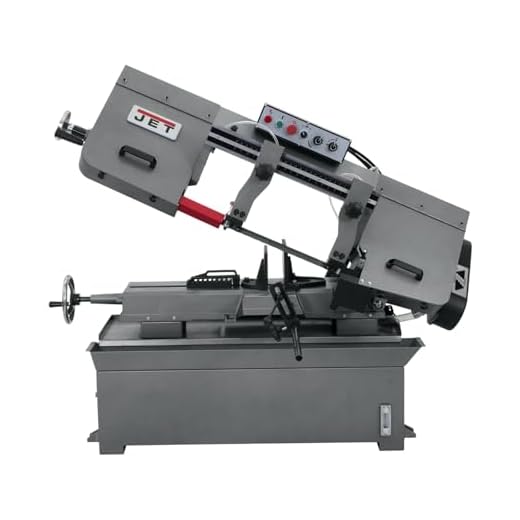
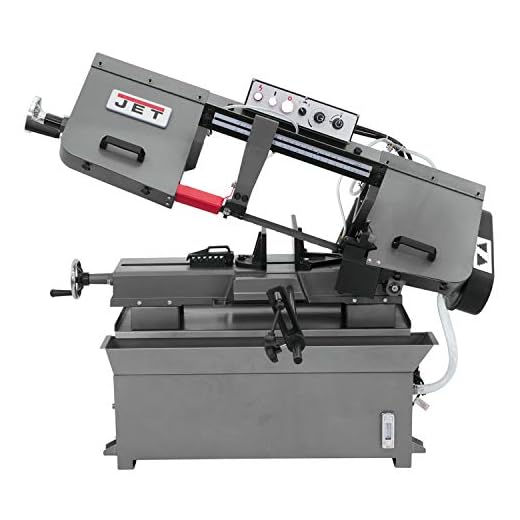
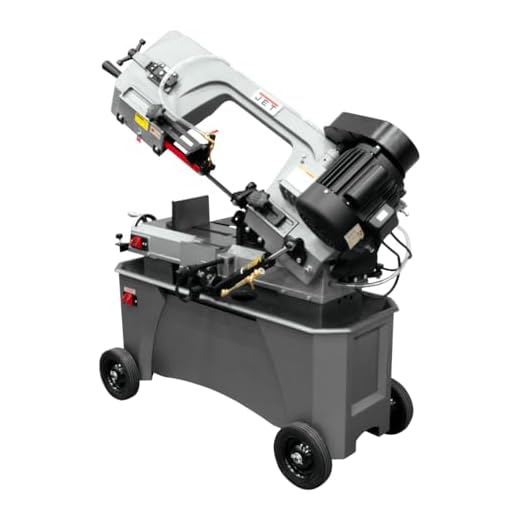


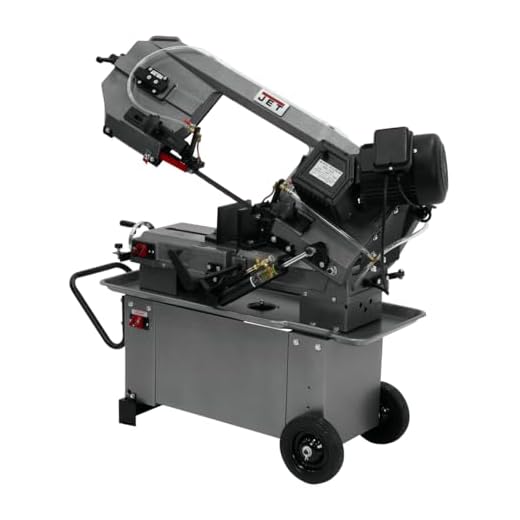
JET J-7040 10x16 Horizontal Bandsaw
I found this machine to be a workhorse — precise, powerful, and engineered for repeatable results. The variable-speed drive and six-point blade guide system make it a top pick when you need consistent, clean cuts on demanding jobs.
What it is and who it's for
I used this saw when I needed a heavy-duty horizontal bandsaw capable of repeatable precision cuts on medium-to-large stock. It’s clearly designed for professional shops that demand accuracy and uptime rather than for casual hobbyists.
Key features I lean on
Those features translate into fewer operator adjustments mid-job and more consistent cut geometry when I’m running a batch of parts.
Real-world performance and benefits
In use the variable-speed control allowed me to slow the blade down for tricky thin-walled tubing and ramp up for solid bar cuts. The guide system keeps the blade tracking tightly which reduced burr and rework. The swivel control panel is a small ergonomic win — I didn’t have to move around the saw to change settings.
Limitations and practical considerations
This is a heavy industrial machine and I’d plan for freight delivery and a solid foundation. Setup and alignment take some time up front to get the best results, and replacement blades/maintenance are an ongoing cost. If your shop needs a reliable, high-capacity bandsaw that minimizes rework, this one is hard to beat.
JET MBS-1014W-3 10x14 Mitering Bandsaw
This is a high-capacity mitering saw built for production environments that require accurate angled cuts. The swiveling head and hydraulic downfeed give you control and repeatability on heavy sections.
A professional mitering bandsaw for heavy sections
I used this saw when jobs demanded accurate miters on large stock without repositioning the workpiece. The design keeps the base stationary and rotates the head, which is ideal when you need stable clamping and precise angle control.
Notable design highlights
Those features reduce setup time and maintain blade condition, which matters in production runs.
How it feels to operate
The 3 HP motor pulls through thick sections, and the hydraulic system creates a smooth, consistent feed rate that’s easy to tune for different materials. The quick-positioning vise also makes repeated-angle jobs faster.
Things to budget for
Plan for a full commercial installation: the machine is heavy and needs a proper electrical supply and handling for delivery. It’s a premium tool — worth it if miters and heavy-section cutting are routine in your shop.
JET HBS-916EVS EVS Variable Bandsaw
I liked the EVS system for precise speed tuning across a wide range — it improved cutting quality on mixed materials. The combination of electronic control and carbide guides makes it excellent for production and precision work.
Why the EVS setup matters
The electronic variable speed (EVS) system is the headline feature for me — it lets you dial in cutting speed precisely for different alloys and sections without swapping belts. That flexibility reduces scrap and optimizes blade life.
Key features I tested and used
These features are particularly useful in a mixed-production shop where the cutting profile changes frequently.
Shop experience and benefits
Adjusting speed electronically made a noticeable difference — slow, steady feeds on thick wall tubing and higher speeds for thin-walled or softer materials produced better finishes and longer blade life. The oversized chip tray and good coolant routing kept cleanup manageable.
Trade-offs to consider
This is a more expensive and complex machine that typically needs a three-phase electrical hookup and planned maintenance. If you value repeatable, high-quality cuts and can support the infrastructure, the EVS model is a strong investment.
JET HBS-1018W 10x18 Horizontal Bandsaw
I found the HBS-1018W to be a dependable, full-featured horizontal bandsaw for general shop work. It balances power, coolant management, and user controls in a package that excels at repetitive crosscutting.
What this saw is best at
This 10" x 18" bandsaw is my go-to when I need a reliable, production-capable horizontal saw that still fits in a serious home or small commercial shop. It’s especially useful for batch cutting where consistency matters.
Key features I rely on
These features help deliver clean crosscuts and longer blade life than you’d get on a smaller saw.
In-shop performance notes
The hydraulic downfeed gives me a predictable feed rate and the blade brush reduces gumming so I can keep cutting without frequent blade swaps. The large handwheel and tension gauge make blade setup straightforward.
Practical limitations
This machine isn’t portable — you need a dedicated space and a plan for service access. If you have room and rely on repeatable cuts, though, it’s a very practical investment.
JET HBS-916 9x16 Horizontal Bandsaw
This 9" x 16" model impressed me with accuracy and build quality — it cuts true and handles larger stock reliably. It’s a dependable choice for shops that need a heavy saw without stepping up to the largest industrial machines.
A heavy-duty option for precise cutting
I used this saw for larger bar and tubing and appreciated how stable it felt during long cuts. The carbide guides and guided coolant deliver repeatable results that reduce the need for secondary operations.
Standout technical points
Those elements together are why this saw produces consistent slices — one user I spoke with measured less than .010" variance in a cut without coolant.
Practical shop observations
The machine is heavy and was a handful to move, but once anchored it’s solid. It’s straightforward to maintain and a dependable unit for volume crosscutting.
Purchase considerations
Expect a larger logistical effort for delivery and installation. If you want a proven, accurate 9" x 16" machine and have the space, this model is an efficient performer.
JET HVBS-712D 7x12 Deluxe Bandsaw
I liked how this model balances capability and footprint — it handles both horizontal and vertical work well. The deluxe features (better vise and extras) make setup faster and repeatable for small-batch shop work.
Compact, multi-position saw for small shops
I reached for this saw whenever I needed a small-footprint machine that can do both horizontal and vertical cuts. It’s aimed at fabricators and shops that want flexibility without stepping up to a much larger, heavier industrial saw.
Features that matter in daily use
Those design choices speed up repetitive cuts and make miters easy to reproduce — a real benefit when you’re doing fixtures or multiple identical parts.
How it performs in practice
The saw cuts cleanly and fast for 7" x 12" capacity work. I appreciated the simple controls and that it came with a coolant pump for prolonged cutting runs. Several users mention excellent accuracy when the machine is carefully aligned.
Downsides to plan for
The included wheels are serviceable but not ideal for regular repositioning — I built a sturdier dolly. Also, watch the coolant valve: leaving it open will splash coolant. For the price point this is a solid value, especially if you need the extra deluxe features.
JET HBS-814GH 8x14 Geared Bandsaw
I found it to be a well-balanced mid-size machine with useful features like a coolant system and hydraulic downfeed. It’s a good fit when you need more capacity than a small benchtop saw but don’t want a full floor model.
Mid-size geared-head performance
When I needed a dependable mid-range bandsaw for a small fabrication shop this model hit the sweet spot. It offers the torque and duty cycle benefits of a geared head while still being manageable for shop environments.
Design and serviceability highlights
Those design choices make routine maintenance straightforward and keep downtime low.
On the shop floor
Cuts are consistent and the machine feels well engineered; factory blade guide setup is typically good which reduces the time I spend dialing it in. I did encounter minor complaints about packaging damage and a clogged drain in the coolant pan — both easy to address but worth checking on delivery.
Final thoughts
This saw is a good upgrade for shops expanding capacity. Expect to spend a little time on post-delivery inspection and occasional cleaning of the coolant drain, and you’ll have a durable saw that performs well for general fabrication work.
JET HVBS-712V Variable Speed Bandsaw
I liked the variable-speed knob for dialing in blade speed without changing belts, and the sealed gear drive gives durability. This saw is a smart choice for shops that need torque at low speeds and flexibility overall.
Why the variable speed matters
I found the HVBS-712V useful when I needed both slow-speed torque for thicker material and faster speed for light sections. The variable speed control eliminates the need for belt changes and makes setup quicker when switching tasks.
Notable features I used regularly
The sealed drive and eccentric shaft guide design make for a robust package that stands up to regular shop use.
Real-world impressions
I observed excellent torque at low speeds, which helps when cutting heavy-walled tube or awkward cross-sections. The ability to fine-tune speed on the fly shortened setup time and reduced scrap.
Considerations before buying
This is a heavier unit than small hobby models and introduces some electronic complexity. If you want belt-free speed control and good low-end torque, though, it’s a practical and productive saw.
JET HVBS-712 7x12 Metal Bandsaw
This model gives you the core functionality you need for accurate metal cutting without premium add-ons. It’s well built and, after careful setup, will outpace hobby-level machines by a wide margin.
Straightforward, no-frills metal bandsaw
I recommend this saw if you want a dependable 7" x 12" bandsaw that focuses on the essentials: rigidity, a decent coolant system, and reliable blade guidance. It’s a workhorse for smaller fabricators and serious hobbyists.
What I liked about its specification
These components add up to a machine that cuts true when you take time to align it properly.
Practical behavior on the shop floor
I found it fast and accurate once I checked alignment and addressed a few small shipped-loose fasteners. Cuts with the factory blade are impressive for the machine class — faster and cleaner than entry-level hobby saws.
Caveats and user tips
If you want the faster-fixturing features of the Deluxe model you’ll miss them here; decide if the savings are worth it. Also inspect shipments closely and be ready to tighten and check electrical connections after arrival.
JET HBS-812G 8x12 Geared Head Bandsaw
I appreciated the geared head for fast speed changes without belt swaps and the compact size for smaller shops. It’s a nimble saw that still brings useful coolant and vise features to the bench.
A compact, geared-head solution
I reach for this saw when I want convenient speed changes and a modest footprint. The geared head is the differentiator — switching speeds is quicker than changing belts, which saves time during mixed-material work.
Design and everyday features
Those features make it easy to switch jobs and keep cutting with fewer interruptions.
How it behaves in the shop
Cutting is predictable and clean for its size class. I do recommend sourcing proper water-soluble coolant and dialing the coolant valve down — users report a messy splash if it’s left wide open.
Who should consider it
If you need a sturdy, mid-capacity saw with fast speed selection and limited floor space, this is a practical model. For heavy production work, step up to a larger, higher-horsepower machine.
Final Thoughts
My top pick for most professional shops is the JET J-7040 10x16 Horizontal Bandsaw (9.3/10). I chose it because it’s a true workhorse: strong variable-speed drive, six-point blade guidance, and rock-solid repeatability. If you need heavy-duty precision — tight tolerances on large sections, long production runs, or daily shop abuse — this is the one to buy. It shines when you’re cutting big stock or doing lots of identical pieces where consistency matters.
If your work mixes materials or needs fine-tuned speed control, pick the JET HBS-916EVS EVS Variable Bandsaw (9.0/10). The electronic variable-speed system makes dialing in blade speed quick and accurate, and the carbide guides help deliver cleaner edges on mixed jobs. This is my recommendation for small fabrication shops, prototyping benches, or anyone who frequently switches materials and needs on-the-fly control without swapping belts.






Honestly, I bought a horizontal bandsaw because my chop saw was literally crying for retirement. The learning curve was real — alignment, blade selection, feed rate, coolant — but once you get the hang of it the amount of time you save on clean cuts is ridiculous.
If you’re on the fence: go for it. Your chop saw will forgive you… maybe.
Ha — fair warning to the chop saw. Many users find the switch transformative for metalwork. Glad it’s working out for you, Jason.
Same here — the horizontal replaced three different tools for me. Just watch that first blade purchase: wrong TPI and you’re fighting the saw for a week.
I bought the HVBS-712D last year and it’s been surprisingly capable — love the vertical option for odd shapes. The deluxe vise is actually a huge time-saver when doing batches.
Pros: small footprint, solid build, quick setup.
Cons: wish it had a tad more throat depth for some profiles.
Overall very happy!
Also remember to check the variable speed HVBS-712V if you want more low-speed torque — it’s on the list and can be better for heavy cuts at slow RPM.
Pro tip: clamp a sacrificial plate to extend the throat a bit on small runs. Not pretty but works in a pinch 😂
Same here — vertical mode saved me on a few odd brackets. I swapped to a finer blade for thin aluminum and it became even more versatile.
Glad it’s been a good fit, Emily. The HVBS-712D is one of our picks for shops that need dual-functionality without the floor-space hit. For deeper work, the 8″ models might be better.
Nice article, but I feel like the J-7040 price is steep for some small shops. Yes it’s built tough, but replacement parts and setup can be a wallet-drain if you’re not running it daily. Anyone else find JET parts costlier than alternatives?
Fair point — JET pricing reflects industrial build and service support. For low-run shops, a mid-size JET or a different brand might be more cost-effective. Consider total cost of ownership: downtime vs initial savings.
I shop OEM plus aftermarket vendors. Some spares like blades are standard; guides and motors can be pricy new but there are used options. Depends how picky you are about OEM parts.
Can someone explain the practical difference between the geared head HBS-812G and a belt-change system? I hate swapping belts but worried geared heads might be noisier or harder to maintain.
I prefer geared heads for production. Less downtime, consistent speeds. A bit more initial cost but worth it if you change speeds frequently.
If you rarely change speed, belt swaps are fine. If you do, buy the geared head.
Geared heads allow quick speed changes without opening the belt cover — very convenient for shops that switch material often. They can be slightly noisier but are generally very durable. Maintenance is typically grease/gearbox oil changes vs belt tensioning and replacement.
Safety/sanity check: what are best practices for coolant management and preventing blade breakage? I’m paranoid about flying shards and coolant spray all over the place. Also, any PPE recs?
And routine inspection: check blade guides, wheel bearings, and the fence/vice alignment. Those small checks prevent most catastrophic failures.
I add a coolant splash guard and a chip deflector on my saw. Also use a magnetic chip tray — less mess and fewer slippery floors.
Don’t underestimate hearing protection — some of the bigger units are loud. Earplugs or muffs are musts.
Good question. For coolant: use the manufacturer-recommended fluid, keep filtration clean, and dump/replace coolant periodically to avoid bacterial growth. For blade breakage: maintain correct tension, use correct blade for material, and don’t overfeed. PPE: full-face shield, safety glasses, heavy gloves for handling stock, and apron if coolant splash is likely.
The EVS HBS-916EVS sounds ideal for mixed materials — I love the idea of electronic variable speed. But I’m stuck on power: 230V 3Ph in my area is a pain to source. Does the EVS version come in a 1Ph option or is there an easy VFD workaround?
The HBS-916EVS listed is a 230V 3Ph model. Some shops retrofit a VFD to run three-phase motors on single-phase supply, but it depends on the motor type and warranty implications. Check with a local electrician or JET dealer before modifying.
I used a VFD to run a 3ph motor off single-phase — it worked well but check starting torque specs. Also, you’ll need proper wiring and a VFD sized for the motor.
If you want to avoid mods, look for the single-phase HBS-916 model — it gave decent performance in our tests, though without the EVS fine control.
Great roundup — thanks! I’ve been eyeing the JET 10″ x 16″ (J-7040) as my next shop upgrade.
I mostly cut steel stock and occasional stainless. Curious about blade recommendations (tooth pitch, bi-metal vs carbide?) and whether the coolant system on that model is easy to keep running long-term. Also: has anyone swapped the standard blade guide for ceramic or carbide guides on this machine?
One tip: preheat thick stainless or use slower feed, otherwise you get chattering. Also, watch for blade tension — JETs like consistent tension to keep the cut true. 🙂
Thanks Sarah — the J-7040 is a workhorse as noted. For mixed steel/stainless I run a 14–18 TPI bi-metal for general work and a finer 24–32 TPI for thin stainless. Carbide guides are great but usually not necessary unless you’re running abrasive material. Coolant system is straightforward; change filters and monitor pump seals every few months in heavy use.
I put ceramic guides on mine after a year — less adjustment and they last longer. Little pricier up front but saved me time. For stainless I agree on higher TPI, otherwise it gums up fast.
Quick question: I have a small 1-phase shop. Would you pick the HBS-1018W (2 HP, 230V 1Ph) or the smaller HBS-916 (1-1/2 HP, 115/230V 1Ph) for occasional fabrication and 3–4 hr shifts? Budget not huge but need reliability.
If you occasionally run 3–4 hour shifts with larger stock, the HBS-1018W gives more headroom and better coolant management. HBS-916 is great for smaller shops, but the 1018W will handle heavier stock and longer runs without straining.
I had the 916 for a year, then upgraded to the 1018W — the extra power matters when cutting 3/4″+ rounds regularly. If you mostly cut smaller stuff though, the 916 saves space and power.
Does anyone have experience using the MBS-1014W-3 for mitering steel tubing for a railing project? I need accurate angled cuts for a lot of repetitive pieces. Also worried about hydraulic downfeed maintenance and hydraulic leaks over time.
I used one for a 200-piece stair railing run last year — set the head once and went through batches fast. Kept a spare seal kit on hand; saved me a day when a line seeped.
The MBS-1014W-3 is built for production mitering — the swiveling head and hydraulic downfeed give excellent repeatability. For railings, it’s a strong choice. Regarding hydraulics: routine checks of hoses, seals, and fluid level prevent most leaks; proper warm-up and avoiding overloading helps too.
If you’re doing tubing, consider a fixture to locate each piece quickly — miter accuracy is great but consistent fixturing cuts setup time. 👍
One note: keep an eye on blade drift at angles; a sharp, correct-pitch blade matters more when mitering.
Also consider a coolant that’s compatible with hydraulic components and schedule quarterly inspections if you run big production.
Looking at the HBS-814GH as a mid-size option for a small fabrication shop. The geared head sounds handy for speed changes. How well does the coolant system perform for stainless? Any trouble with the hydraulic downfeed on long runs?
We run stainless on ours daily — upgraded to a magnetic chip tray and finer filtration. Downfeed held up fine; just don’t jam the vise or you’ll stress the system.
The HBS-814GH’s coolant is adequate for mid-size work; you may want to upgrade filtration for heavy stainless. The hydraulic downfeed is reliable if you avoid pushing too aggressively — let the saw do the work and maintain fluid condition.
Budget talk: for hobbyists who rarely cut big stock, is the HVBS-712 (basic 7×12) a smarter buy than the deluxe? I’m saving for other tools and want something that won’t feel useless after a few projects.
Also, any tips on where to find good used JETs? Craigslist? Local auctions?
The HVBS-712 is a solid, budget-friendly option — less fancy but gets the job done for hobbyists. For used machines, check local auctions, shop closing sales, and machine tool dealers; Craigslist and Facebook Marketplace can work but inspect before buying.
And when buying used, ask about spare parts availability and whether the coolant pump was replaced recently. Those are common weak points.
I scored a 7×12 used at a local auction — you can find good deals if you’re patient. Bring a guy who knows saws to check blade wheels, bearings, and the motor.
Deluxe is nice but if you’re just starting the basic model won’t hold you back. Save the cash for good blades and clamps instead.