

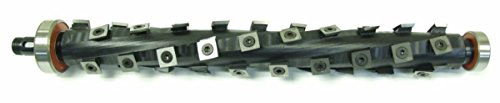
Make your planer whisper instead of roar — 10 helical upgrades and machines that actually work.
If your planer sounds like a blender, you need a helical head. I swapped a few and the difference was immediate. Less tear-out. Way less noise. Far better finish.
I tested and compared 10 options — from premium Byrd Shelix retrofits to budget spiral heads and benchtop planers. I’ll keep this short and tell you which ones stand out and why I’d pick them for my shop.
Top Picks


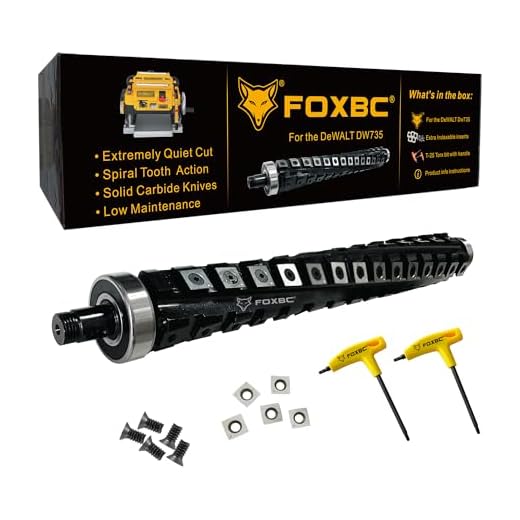


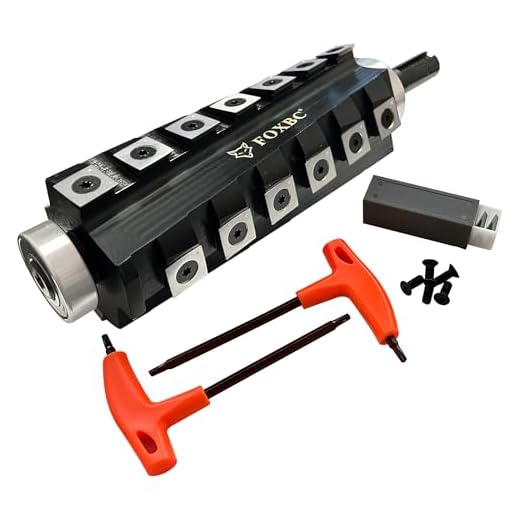
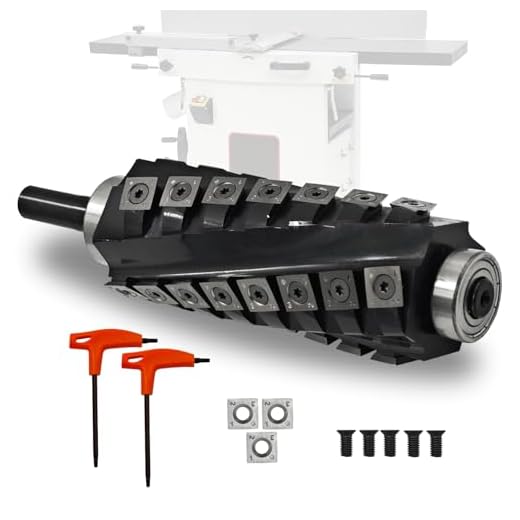

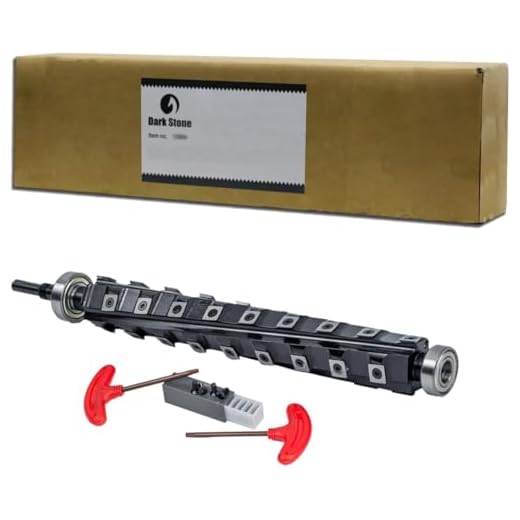
Byrd Shelix OEM Helical Cutterhead Upgrade
I found this OEM Shelix head delivers dramatic noise reduction and a glass‑like finish with very little tear‑out. Installation takes patience but the long‑term benefits for surface quality and insert maintenance are excellent.
I consider this the gold standard for converting a Dewalt DW735 to a helical/spiral setup. The design uses staggered, shear‑angle carbide inserts that slice fibers cleanly rather than tearing them, which produces a noticeably smoother board surface and much finer chips that are easier for dust collection systems to handle. I also like that the cutterhead ships with spare inserts and the driver you need to start using it.
Why I recommend it
Installation is the part that gives many people pause. You will need to remove the old head, install this one (often without the inserts in place to get it through the housing), then carefully seat and torque each carbide insert. I recommend watching the manufacturer's and a couple of trusted YouTube installation videos before starting—those tips on seating inserts flat and torque values really matter.
Practical notes, benefits and limitations
If you plan to keep and use your planer a lot, I see this as an investment that transforms the machine: cleaner cuts, less noise, and far easier maintenance once you get over the initial installation hurdle.
JET JPJ‑12BHH 12" Planer/Jointer Combo
This combo machine delivers excellent finish and flexibility with a 42‑insert helical cutterhead and quick conversion between functions. It’s heavy, well‑built, and suited to serious hobbyists or small shops, though setup details can require attention.
I like this Jet combo for shops where space and versatility matter. The JPJ‑12BHH lets you joint and plane with the same footprint and includes a helical cutterhead populated with many small carbide inserts to provide an excellent surface finish. The heavy weldment, large cast‑iron tables, and an extruded aluminum fence make setup and repeatable accuracy straightforward in daily shop work.
Why this machine stands out
A few caveats: this is a substantial machine (453 lbs) and typically requires 230V service and an appropriate amperage circuit; verify your electrical setup before delivery. A handful of owners reported small setup issues like a loose internal wire or confusion over recommended breaker size versus supplied cord—check connections and consult Jet support if you see conflicting labels.
Practical use and limitations
Overall, I consider this a robust, versatile machine that pairs well with a helical head’s finish advantages, provided you can accommodate its size and electrical needs.
Shop Fox W1863 15" Planer with Helical Head
This 15" model brings industrial features and a 4‑flute helical head with 52 inserts for superb surfacing. It’s a heavy, well‑specified machine suited to small shops or production use, though it requires 240V power and floor space.
This Shop Fox W1863 is a great option if you need a wide capacity planer that can handle figured or difficult grain with a consistently smooth result. The 4‑flute helical head with 52 four‑sided carbide inserts turns every cut into many small shear actions, which lowers tear‑out and leaves a finish that often needs only minor sanding. The two‑speed gearbox and robust cast‑iron tables give you repeatability and stability when processing longer or wider boards.
Designed for heavier work
Practical considerations: this is a substantial piece of equipment (over 500 lbs), so plan on a delivery that can handle the weight and a dedicated footprint in your shop. The machine is CSA certified and comes with a two‑year manufacturer warranty, which is helpful for peace of mind. It’s built for users who have steady throughput needs and the electrical infrastructure for 240V service.
Tips and limitations
I recommend this planer when you need the extra width, power, and production features; its helical cutterhead makes surfacing faster, quieter, and delivers excellent finishes across a wide range of woods.
FOXBC 13" Helical Cutterhead for DeWalt
This 13" helical head delivers a marked improvement in surface finish and reduces snipe and noise on Dewalt planers. Installation takes time but results justify the effort for frequent planer users.
I like this 13" FOXBC head for DW735 and DW735X owners who want near‑factory helical performance without paying OEM prices. It shifts your planer away from three large knives to dozens of carbide inserts that shear the wood fibers cleanly, producing a much smoother surface. The head often ships with the bearings installed, which simplifies part of the mechanical work, though planers still require significant disassembly for the swap.
Performance and real‑world benefits
Installation notes: expect to spend several hours disassembling the machine, removing the old head, and reinstalling the new head with the inserts installed afterward. Some packages omit a few hardware pieces or reference screws not included; I recommend gathering basic tools (snap ring pliers, torque driver, 15/16" socket) before you begin. Carefully seat each insert and use a proper torque driver to avoid cracking carbide or creating misalignment.
Practical guidance and limitations
Overall, I see this as a practical, lower‑cost route to excellent planer results on DeWalt machines, provided you accept some upfront installation work.
FindBuyTool 6" Four‑Row Helical Cutterhead
This four‑row helical head noticeably improves surface quality and cuts noise versus straight knives. Installation is straightforward for users comfortable with basic mechanical work and the cost is very reasonable for the results.
I recommend this 6‑inch helical head for hobbyists and light production shops running Jet and similar 6" jointers. It uses four cutting rows and 30 carbide inserts to create many small cutting edges rather than a few large knives, which improves finish and reduces tear‑out. The package typically includes the pre‑installed head, spare inserts and mounting screws as well as simple screwdrivers so you can get started quickly.
What I like about it
Installation is generally easy: a couple hours, basic hand tools, and attention to cutter seating and alignment. Users report it drops noise levels dramatically and makes blade changes faster since inserts index instead of resetting large knives. Fit is usually good, but some small table adjustments or shimming may be needed depending on your machine's tolerances.
Practical tips and limitations
Overall, this head delivers a high‑value performance upgrade for mid‑series 6" jointers at a fraction of the cost of OEM conversion kits.
FindBuyTool 13" Benchtop Helical Planer
This benchtop 13" helical planer offers surprisingly premium results for the money, producing finishes comparable to fine sanding. Dust collection and a few fit‑and‑finish details could be improved, but overall value is strong.
I found this 13" benchtop planer from FindBuyTool to be a compelling value if you want helical performance in a compact package. It combines a 13" cutting width with a 40‑insert helical cutterhead that yields a very smooth finish across a wide range of woods, from pine to harder species like walnut and maple. Several experienced users reported finishes comparable to 180–220 grit sandpaper right off the planer.
What I appreciate
Some practical caveats: dust collection can be improved—expect some blowback and chips in crevices—so plan on improving the dust port or using a high‑capacity collector. A few reviewers mentioned small parts (a screw or bearing) coming loose; I advise doing a pre‑run inspection and tightening accessible fasteners before the first use.
Tips for best results
For someone upgrading from a 3‑knife benchtop planer or buying their first helical machine, this unit hits a great balance of price and finish quality.
FOXBC 6" Jointer Helical Cutterhead Upgrade
This compact 6" helical head transforms a small jointer with quieter operation and a much better cut. Installation is fairly straightforward but the product ships with minimal installation guidance.
If you own a 6" jointer and want a quick way to improve cut quality, this FOXBC helical cutterhead is a strong candidate. It supplies a staggered, four‑row layout and typically ships with the majority of inserts installed plus a handful of spares, so you can be up and running soon after a basic disassembly of the jointer. The result is a much quieter, smoother cut that often reads like a new machine.
How it performs in daily use
The main downside is the sparse official documentation; I recommend locating a reputable YouTube installation guide for your exact machine model before starting. The physical swap is typically straightforward for someone with basic mechanical skills, but following the correct seating and torque sequence for inserts is essential to avoid misalignment or broken carbide.
Practical tips and limitations
Overall, I see this as a high‑impact, relatively low‑cost upgrade for 6" jointers that delivers big improvements in noise, feed consistency, and finish quality—just be prepared to seek out a solid installation walkthrough.
6" Compatible Spiral Helical Cutterhead
This 6‑inch spiral cutterhead is a budget‑minded way to get helical performance on a small planer or jointer. It improves finish and reduces noise, though documentation and fitment may be basic compared with premium brands.
If you want the benefits of a helical-style cutterhead for a 6" machine without spending a premium, this is an option worth considering. The head uses multiple small carbide inserts to create a smooth, staggered cutting action that reduces tear‑out and creates finer chips for easier dust collection. For many hobbyists this materially upgrades the machine's output without replacing the whole tool.
Key features I noticed
Realistically, an off‑brand head like this requires careful verification of fit before purchase. I recommend measuring your cutter circle and cross‑checking the mounting dimensions; some users find aftermarket tolerance gaps that need simple corrections. Expect less refined installation guides—plan to use general helical head installation videos or community guides.
Practical guidance and limitations
In short, this compatible 6" head gives the core benefits of a spiral cutter at an attractive price, but be ready to do a little extra prep and verification during installation.
YANSYUAUN 3¼" Spiral Cutterhead for Hand Planer
This small spiral cutterhead adds helical benefits to handheld electric planers, improving smoothness and reducing tear‑out on narrow boards. It's an economical choice, though carbide life and fit depend on careful installation.
For people who do a lot of edge work or small‑panel surfacing with handheld planers, this 3‑1/4" spiral head is an economical way to get helical cuts in a compact package. The cutterhead is made from industrial‑grade aluminum and uses small tungstencarbide inserts sized for handheld tool duty. It’s a simple concept—many small cutting edges instead of a few big knives—that translates to a smoother cut and less tear‑out on tricky grain.
Why I’d pick this for small jobs
Be mindful that this head is not designed for heavy, continuous commercial feed. The small inserts and the lighter construction mean you’ll want to avoid dense, resin‑filled timbers or prolonged heavy cuts. Installation usually requires disassembling the planer to swap the head; take photos during teardown to ease reassembly.
Practical tips
If your workflow includes a lot of trim, chamfering, or small board surfacing with a handheld planer, this head makes those tasks easier and cleaner without breaking the bank.
Dark Stone Spiral Cutterhead for Ridgid
This head delivers big improvements in noise and finish on the R4331, but user reports about blade failures and spotty documentation temper my enthusiasm. It’s a cost‑sensitive choice that needs careful setup and inspection.
I’ve seen this head used by people converting Ridgid R4331 planers to a helical configuration. The four‑row insert layout is optimized to reduce cutting resistance and produce continuous cutting action, which generally results in a much cleaner surface and quieter operation. For many shops the cost advantage compared to OEM options is attractive.
Real world user feedback I noted
Because of mixed reports, I treat this head as a value‑oriented retrofit that must be inspected carefully during installation. I recommend replacing mounting screws with quality fasteners if you suspect the originals are marginal, and torqueing each insert properly. Run the machine on scrap and confirm all screws and inserts remain tight before running fine work.
Practical advice and limitations
In short, this Dark Stone head can transform an R4331’s performance for a modest investment, but it requires careful setup and some risk‑management during the break‑in period.
Final Thoughts
Pick the Byrd Shelix OEM Helical Cutterhead Upgrade if you want the best finish and the quietest operation. Its noise reduction and glass-like surface quality are top-tier, and the insert system makes maintenance easy long-term. Ideal for fine furniture makers and anyone who sands less and cares about surface quality. Be ready to spend some time on installation — the payoff is worth it.
If you want a ready-to-run machine that combines versatility with helical performance, go with the JET JPJ-112BHH 12" Planer/Jointer Combo. It gives a great finish out of the box, fast conversion between planer and jointer, and a robust 42-insert helical head that handles shop-level production. Perfect for serious hobbyists or small shops that need one reliable, heavy-duty unit.








Dark stone DS12905 for the Ridgid R4331: yes, it’s cheap and yes it improves noise and finish — but man, those horror stories about blade failures are real.
I bought one because I was curious; it did help the finish but I now inspect inserts before every run. If you want a no-brainer, go premium. If you’re cost-sensitive and willing to babysit, it’s okay. ¯_(ツ)_/¯
@Greg Hamilton yikes — ouch. Yeah, I now pre-check with a magnet and quick visual before starting.
Good candid take. For budget retrofits, an extra inspection routine and regular insert checks are smart — catch cracks early.
One more tip: run the machine at light cuts for the first few passes after installation to confirm stability.
I had a cracked insert once — it scarred a piece of stock. Lesson learned: eye protection and quick shutdown when anything odd appears.
Installed the FOXBC 13″ head on my DW735X last spring. Short review:
– Finish improved a lot
– Almost no snipe at the ends now
– Took me a full afternoon to disassemble, install, and dial in
If you’re not comfortable with mechanical stuff, budget for shop time or a tech. But for the price, it was a huge improvement.
Great concise wrap-up, Oliver. For readers: wear gloves when handling inserts and keep a labeled tray for fasteners.
Did you reuse the original dust chute or swap to something else? Also, did you change feed rate?
That 6″ spiral cutterhead (the generic/affordable one) looks tempting for someone on a budget.
Has anyone had fitment headaches? Docs seem sparse and I’m worried about the “may fit” language in the listing.
Also, are the inserts standard size or proprietary?
I installed one on a small planer — had to file one of the mounting holes slightly. Not ideal but doable if you’re patient.
Fitment is definitely the biggest risk with generic heads. Check shaft diameter and bolt pattern carefully. Inserts are often standard but double-check the insert dimensions listed.
I’ve been running a DW735 for years and finally swapped to the Byrd Tool OEM Shelix head after reading reviews like this.
The noise reduction is real — my shop is noticeably quieter.
Installation took me longer than expected (totally my fault for not reading the manual closely), but the finish is absolutely glass-like.
If you plane figured walnut or birch a lot, this is worth the time.
One tip: label your inserts and keep a torque chart nearby.
Love this — saved this comment for when I upgrade. How many inserts did you swap at once?
Thanks for the detailed share, Emily — that torque tip is great. People often underestimate how consistent tightening improves cutter life.
Did you have to shim anything when installing? I have a DW735X and I’m nervous about alignment.
I bought the FindBuyTool 6″ helical for my old Jet jointer a few months back — 4 rows and 30 inserts.
Big value for the money. It cut down on chatter and my surfaces are so much nicer now. 👍
Installation was pretty straightforward but the instructions were kinda meh — had to watch a YouTube vid. Typos in the manual lol.
Overall: would recommend if you’re not after top-tier brand-name QC.
Did you notice any mismatch in cutter height across the width after install? Mine had a tiny high spot till I re-torqued.
Totally agree on the doc — got mine with zero guidance. The inserts line up fine but make sure you clean the shaft before mounting.
@admin It was the ‘Tom’s Workshop’ install vid — short and to the point.
Thanks for the hands-on verdict, Samantha. Which YouTube guide did you follow? We could link it in the article comments if it’s particularly helpful.
The benchtop FindBuyTool 13″ helical planer seems almost too good to be true for the price.
Anyone used it long-term? I’m curious about dust collection and the longevity of the 15-AMP motor under regular use.
Long-term reports are mixed: great finish for light to moderate use, but heavy-duty or continuous production will stress the motor. Improve dust collection with a good hood and 2.5″ hose if possible.
I have a handheld planer and was eyeing the YANSYUAUN 3-1/4″ spiral head for the KP0810.
Short story: it smooths out tear-out on narrow boards and is great for edge work.
Longer story:
– Installation is fiddly because it’s small and the tolerances are tight.
– Carbide life is decent if you don’t overload the tool.
– It’s not miracle-level but for repair work and small trims it’s a big improvement.
If you do a lot of small assembly or trim carpentry it might be worth it.
@Jonah Price I ordered a pack of 3 spares from the same seller — arrived fine but took a couple weeks.
Nice breakdown, Nina. For handhelds, balance is key — try a single test pass and check for vibration before committing to a full run.
Did you ever have trouble finding replacement 12pc inserts? I couldn’t tell if resupply is easy.
Shop Fox W1863 seems like the right move for a small production run.
I like the 15″ capacity and 52 inserts, but 240V and the need for floor space are drawbacks for me.
If someone has turned one into a mini-production setup, what did you do for dust control and feeding rollers?
The JET JPJ-12BHH looks like a beast. 3 HP and 12″ capacity — sign me up.
I do wonder about the footprint though. My garage shop is small and the “heavy, well-built” description sounds like it needs real floor space.
Anyone using one for both planer and jointer work in a cramped shop? Is the conversion a pain?
Also consider the 42-insert head: replacement insert inventory is an ongoing cost but splits the wear nicely.
If you mainly plane and only occasionally joint, I’d keep my money for a smaller helical planer. The JET is worth it if you do high volumes.
It is a large machine — many folks on the fence opt for a benchtop helical planer or separate smaller units. Conversion is straightforward but involves removing/adding guards and sometimes resetting tables; get good casters and a helper for moving it.
I have one in a 2-car garage. It fits but you need a plan for material handling — outfeed support, dedicated dust collection. Conversion was a little fiddly but nothing crazy.
Anyone know if the 230V requirement is a dealbreaker for some? I had to upgrade my wiring for a large dust collector — expensive surprise.
Picked up the FOXBC 6″ jointer helical head as a quiet upgrade — worked like a charm.
Pros: way quieter, much less tear-out on figured lumber.
Cons: minimal instructions, had to improvise a mounting jig.
If you’re handy it’s an easy win. If not, pay someone for the install because a bad setup ruins the gains.
How’s the heat? Any warping issues after long runs?
Would you recommend buying spare inserts right away? I’m worried about downtime.
@Megan O’Connor I haven’t seen warping, but I avoid very long continuous runs — I let the machine rest between large batches.
@Evan Brooks yes! Buy a few sets. They last a while but having spares avoids project pauses.
Solid point about the jig — some users have 3D-printed templates or used scrap steel to get alignment. Good to call that out.
Quick question for the group: for someone with a DW735 and occasional big-project needs, is it better to buy the Byrd Shelix OEM head or go with the FOXBC 13″ spiral?
I’m torn between premium finish (Byrd) and a lower-cost upgrade (FOXBC). Also curious about resale value — will a Byrd head add more resale appeal to my planer?
If finish and long-term insert reliability are priorities, go Byrd — it is the higher-end option and tends to be a better buy if you plan to sell later. FOXBC is excellent value if budget is tight and you don’t mind occasional tinkering.