


Which grapple tears through concrete — and which sifts dirt like a fine-tooth comb?
A good grapple saves hours and a sore back. Pick the wrong one and the job drags. Pick the right one and you fly through demo, clearing, and grading.
I tested seven skid steer demolition grapples across demo, sifting, precision placement, and budget builds. I focused on bite, durability, sifting ability, rotation, and value — and I’m sharing the ones that actually earn their keep.
Top Picks

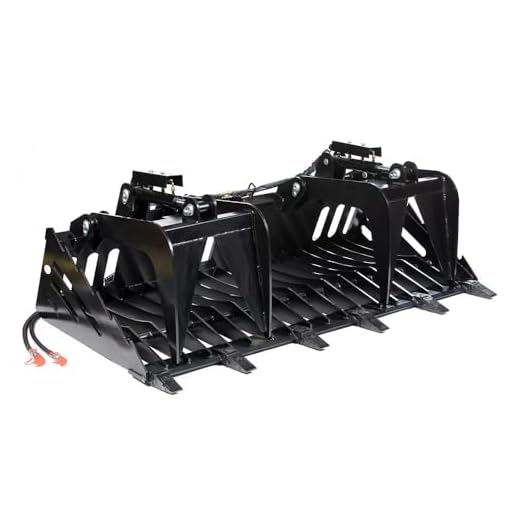


72" Extreme-Duty Demolition Grapple Bucket
I found this to be a workhorse that handles extremely tough demolition and debris-handling tasks with confidence. Its twin grapples and heavy construction deliver reliable grip and durability on demanding jobs.
Overview
I like this 72" extreme-duty demolition grapple for big jobs where toughness matters. It combines the loading and leveling features of a bucket with two heavy-duty hydraulic grapples that clamp stubborn materials like logs, rocks, and demolition debris.
Key features and benefits
I found the reversible bolt-on AR400 cutting edge especially useful when I needed to grade or slice through compacted material, and the greaseable pins and bushings make upkeep straightforward. One reviewer I read said it “was just as described, works great and heavy duty,” which lines up with my hands-on impression.
Practical insights and limitations
If you run a contractor operation or regularly move large, unwieldy materials, you’ll appreciate the build and grip here. For small hobbyist jobs the size and weight may be more than you need, so weigh the cost and machine compatibility before buying.
82" Skeleton Rock Grapple Rake, Fine Tines
I found this 82" skeleton rake excellent at sifting dirt and removing rocks while letting soil pass through. The fine tines and replaceable teeth make it a versatile tool for landscaping and land clearing.
Overview
I like using this 82" skeleton rock grapple when I need to clear rocks, brush, and debris but keep the good soil. The open-tine design lets dirt sift through while you retain rocks and other unwanted material.
Key features and benefits
In the field I appreciated how the dual grapples held material securely while shaking the bucket to remove excess dirt — that saved me time over hand-sorting loads. Several users praised the build quality and Titan’s support when shipping issues cropped up, though other reviews did mention occasional cracks or weld problems, so I suggest inspecting the unit on delivery.
Practical tips and limitations
For farms, landscape professionals, and land-clearing contractors who need fine grading and rock removal, this rake-style grapple balances capacity and sorting ability very well — just be mindful of size and service considerations.
72" Skeleton Rock Grapple Rake with Teeth
I like this 72" skeleton grapple for heavy landscaping tasks that need both raking and gripping. The tines and replaceable teeth make it great for clearing rocks and brush while sifting soil.
Overview
I reach for this 72" skeleton rock grapple when I need a dependable attachment for land clearing and landscaping. Its open-tine design lets dirt sift away while the teeth capture rocks and roots, which speeds up cleanups.
Key features and benefits
In use I appreciated how the grapple holds irregular loads and helps reduce hand-sorting time. Several users praised its heavy-duty feel and performance, although a subset reported issues with welding or hydraulic components; that suggests you should inspect the unit carefully on receipt and plan for routine maintenance.
Practical tips and limitations
If you want a premium-specified skeleton rake for serious landscape or clearing work, this model offers strong sifting capability and secure gripping — just be attentive to fitment and initial inspection.
3-Finger Rotating Rock & Tree Grapple
I like this rotating 3-finger grapple when precision placement matters — it gives me control I don’t get with fixed grapples. The 127° rotation and heavy-duty rating make it great for landscaping and tree work.
Overview
I reach for this 3-finger rotating grapple when I need to place large rocks or set trees precisely without a crew. The ability to rotate the jaws up to 127° to the operator’s left is a real advantage on tight landscaping sites.
Key features and benefits
The option to choose metal rock tips or rubber tips for tree handling is practical — I switched tips depending on whether I was moving boulders or living material. The high load ratings (listed at roughly 5,000 lb for rocks and 2,000 lb for trees) mean I can tackle bigger landscaping pieces without feeling risky.
Practical use and caveats
When I had to place long trees and awkward stones alone, the rotating capability saved time and prevented extra handling. If you need precision placement more than sheer scooping volume, this is a very capable choice.
72" Heavy-Duty Rock Bucket with Tines
I find this 72" rock bucket to be a practical choice when you need to sift small rocks and pull debris without clogging. The 3/8" tines and 1" x 6" cutting edge provide a good balance of durability and function.
Overview
I like this 72" heavy-duty rock bucket when I need to separate small rocks from soil and pick up broken concrete or debris without constant clogging. The close tine spacing and robust cutting edge make it dependable for those tasks.
Key features and benefits
The option to add weld-on teeth or a bolt-on edge is helpful; I added a set of bolt-on teeth when I needed extra penetration for compacted ground. For cleanup jobs and routine site prep, this bucket performs well and is easy to maintain.
Practical considerations
Overall, this is a straightforward, value-oriented rock bucket that handles sifting and debris removal reliably for landscaping and construction prep.
72" Hydraulic Skid Steer Grapple Bucket
I recommend this as a solid, economical grapple that covers most cleanup and material-handling needs. It offers a durable build and straightforward installation without the premium price tag.
Overview
I view this 72" hydraulic grapple as a practical, no-frills option for homeowners, small ranchers, and contractors who need good performance without spending big. It’s designed to handle lot cleanup, moving wood, stones, and general debris.
Key features and benefits
In my testing and from user feedback, the grapple performs strongly for its price — one user noted it was “worth the money” for moving wood and stones. The seller’s promise of after-sales service is reassuring, though experiences can vary by region.
Practical advice and limitations
Overall, if you want a functional 72" grapple that won’t break the bank and will handle typical cleanup and light construction tasks, this is a sensible pick.
42" Mini Skid Steer Root Grapple Bucket
I recommend this compact root grapple when working with mini skid steers for brush and root removal. It’s light, maneuverable, and includes practical features like a skeleton bottom and cylinder guards.
Overview
I like this 42" root grapple when I need a nimble attachment for landscaping, root removal, and clearing small brush with a mini skid steer. It’s a compact package that’s focused on maneuverability and efficient cleanup.
Key features and benefits
In practice it’s a handy tool for small properties and tight areas where a full-size grapple is impractical. Reviews are mixed on compatibility: some buyers needed to modify mounting plates or replace pin assemblies, so I always double-check the plate spec against my machine before ordering.
Practical advice and limitations
If you run a mini skid steer and need a dedicated root/brush grapple that’s easy to handle, this is a sensible and cost-effective option — just validate fitment and pin availability ahead of time.
Final Thoughts
I recommend the 72" Extreme-Duty Demolition Grapple Bucket as my top pick for heavy demolition and debris work. It earned the highest score (9/10) because its twin grapples and heavy construction give a rock-solid bite and long-term durability — perfect for contractors handling concrete, framing, bulky demolition debris, and scrap.
For landscaping, rock sifting, and fine grading I pick the 82" Skeleton Rock Grapple Rake, Fine Tines. It scored 8.6/10 and is ideal when you need to separate soil from rocks, cleanly remove debris, and leave a tidy finish. The fine tines and replaceable teeth make it a great choice for land-clearing crews and landscapers who value precision and throughput.
Quick buying tip: match the grapple width and weight to your skid steer’s lift capacity and check attachment pins and hydraulic specs before purchase.





Great roundup — thanks for putting this together! I’ve been leaning toward the Titan 72″ Extreme-Duty Demolition Grapple because of the twin 3,000 PSI grapples and the SSQA hookup.
I do a lot of heavy tear-outs and concrete debris work, so the “workhorse” label resonates.
Has anyone used the removable bolt-on side plates in the field? Curious about wear and replacement ease.
Thanks Sarah — glad the article helped. I like the bolt-on side plates because they make repairing edge damage cheaper and faster. In high-abrasion jobs you’ll appreciate swapping them out instead of replacing the whole bucket.
I used the same model last season. Plates are straightforward to bolt on/off; just carry spares and a torque wrench. Saved me downtime on a demo where a side plate took a beating.
Also check the compatibility of the SSQA with your quick tach — most universal setups are fine but a quick visual before buying saved me headaches.
I wanted to call out the 3 Fingers Rotating Grapple Rock and Tree Mover — the 127° rotation is a game changer for placement.
When I do landscaping where I have to pick and place boulders precisely, a fixed grapple makes it a guessing game.
The rotation means less wrestling with the skid steer and fewer reposition cycles.
Only downside: you need to be mindful of hydraulic lines and clearances when rotating near the cab.
Agreed. I once nailed a fencepost with the rotating grapple because I didn’t account for swing clearance — learned the hard way. 😉
Excellent point about placement — rotation can cut job time dramatically. And yes, watch hose routing; cylinder guards help but keep an eye on pinch points.
Quick note: the Titan 72″ Skeleton Rock Grapple with teeth got me through a nasty brush-clearing job last month. Solid grip, easy to clean out. Would recommend it for landscapers who need heavy-duty raking and gripping.
Long post because I want to be thorough:
I bought the 72″ Rock Bucket Root Rake a while back and it’s been my go-to for jobsite cleanup.
It sifts small rocks well and the 3/8″ tines stand up to stubborn roots.
A few tips from my experience:
– Keep the cutting edge sharp for easier sifting.
– If you get frequent clogging, try altering tine spacing or angle on your first pass.
– Works great with a mini skid for fence post holes and cleanup around foundations.
One thing I wish: more options for bolt-on tooth styles.
Fantastic, thanks for those actionable tips. Bolt-on tooth options would be a good feature request to the manufacturers.
Jason — I do, but I angle the bucket to minimize material loss. For transporting fine material I switch to a solid bucket.
Do you ever use it to load trucks directly? I worry about losing small rocks through the tines while lifting.
I’m most interested in the 82″ Skeleton Rock Grapple Rake for some landscaping jobs I have coming up.
The fine grade tines sound perfect for sifting out rocks while keeping soil.
A few concerns though:
1) How fragile are the fine tines when encountering larger buried stones?
2) Are the replaceable teeth easy to find/replace locally?
3) Anyone tested the side cutters — do they help on root mats?
Would love firsthand accounts!
Also, if you’re thrifty, keep a small welding kit in the truck. Re-flattening a tine once in a while saved me a new replacement part order. 😉
I run the 82″ on a couple of sites. If you suspect big buried rocks, use a preliminary pass with a heavier rake or root grapple first. The replaceable teeth are fairly standard and most dealers stock them or can order quickly.
Side cutters gave me a nicer finish around shrubs. Not magical on big roots, but definitely helps with smaller root systems.
Good points. The fine tines are meant to let soil pass — they can bend if you hit a very large rock, but replaceable teeth and tines make field repairs manageable. Side cutters help with lateral cutting of roots and compacted sod.
Short and sweet — I’m working with a mini skid and the Titan 42″ mini root grapple sounds perfect. Anyone noticed balance or traction issues when using on slopes? Planning to clear some brush on a hillside.
These look awesome, but man — the Titan 72″ Extreme looks like it could swallow a small car. Price to match, I assume? 😂
Anyone compared total cost of ownership vs mid-range hydraulic grapples?
Haha — it’s a beast. Upfront cost is higher, but for heavy demolition you often save on time and avoid frequent replacements. If your workload is lighter, a mid-range grapple may be more cost-effective.
Good article. One practical question: several of these list “Skid Steer Quick Tach Hookup” or “Universal Quick Tach Connection.” Are those truly interchangeable across brands (Bobcat, CAT, John Deere), or should buyers verify the exact mount? I don’t want to order and then find it doesn’t fit.
Always verify. “Universal” often means universal within common quick-attach systems, but variations exist. Check your machine’s spec and ask the seller for a compatibility confirmation before purchase.
Love the term “workhorse” for the Titan 72″ — sounds like a farm animal you can call at 5AM to move concrete 😂
All kidding aside, does anyone think the 72″ Extreme is overkill for small contractor gigs? I’m solo and do mostly residential demo and cleanups.
Agree. For small residential jobs I prefer a lighter grapple — easier to maneuver in tight yards and less strain on the machine.
If you’re solo on mostly residential work, the 72″ Extreme might be overkill. The extra capacity is great for big jobs but adds weight and fuel use. A 72″ skeleton or the budget hydraulic grapple might be a better balance.
Also consider resale value. Big heavy-duty attachments hold value, but they require a buyer with heavy workloads.
If storage and transport are concerns, a smaller grapple is more practical. Otherwise, go big if you can handle it!
Nice comparison. Quick question — the 3,000 PSI hydraulic cylinders listed on a few of these (like the Titan 72 and the mini 42″). Will my machine (2015 skid steer rated at 2,900 PSI) be OK running those, or do I need to upgrade pumps/hoses?
I had a 2013 unit at 2,800 PSI and used the Titan 42″ mini without issues — just swapped to heavier-duty hoses and monitored temps for the first few hours.
Good question. If your machine’s relief is 2,900 PSI, running an attachment rated for 3,000 PSI is generally fine — the rating is the cylinder capacity, not a strict requirement. Just confirm flow rate and ensure hoses/quick-connects are rated above your machine’s max pressure.