Skid steer snowblowers are powerful tools that make snow removal easier and more efficient. This guide will help you understand how to operate them, choose the right model, and maintain them for optimal performance. Whether you’re a beginner or have some experience, this guide will provide valuable insights to help you master the use of skid steer snowblowers.
Key Takeaways
- Skid steer snowblowers are great for heavy snow and can clear large areas quickly.
- Regular maintenance is key to keeping your snowblower in good shape and extending its life.
- Choosing the right model depends on your specific needs and budget.
- Safety checks before use can greatly reduce the risk of accidents.
- Understanding how to adjust settings for different snow conditions enhances performance.
Understanding Skid Steer Snowblowers
What Makes Them Unique
So, skid steer snow blowers are like the Swiss Army knives of snow removal. They’re not just any attachment; they’re like a full-on snow management system. These bad boys can handle everything from fluffy snow to ice-packed layers. You just hook them up to your skid steer, and you’re ready to go.
Key Components and Features
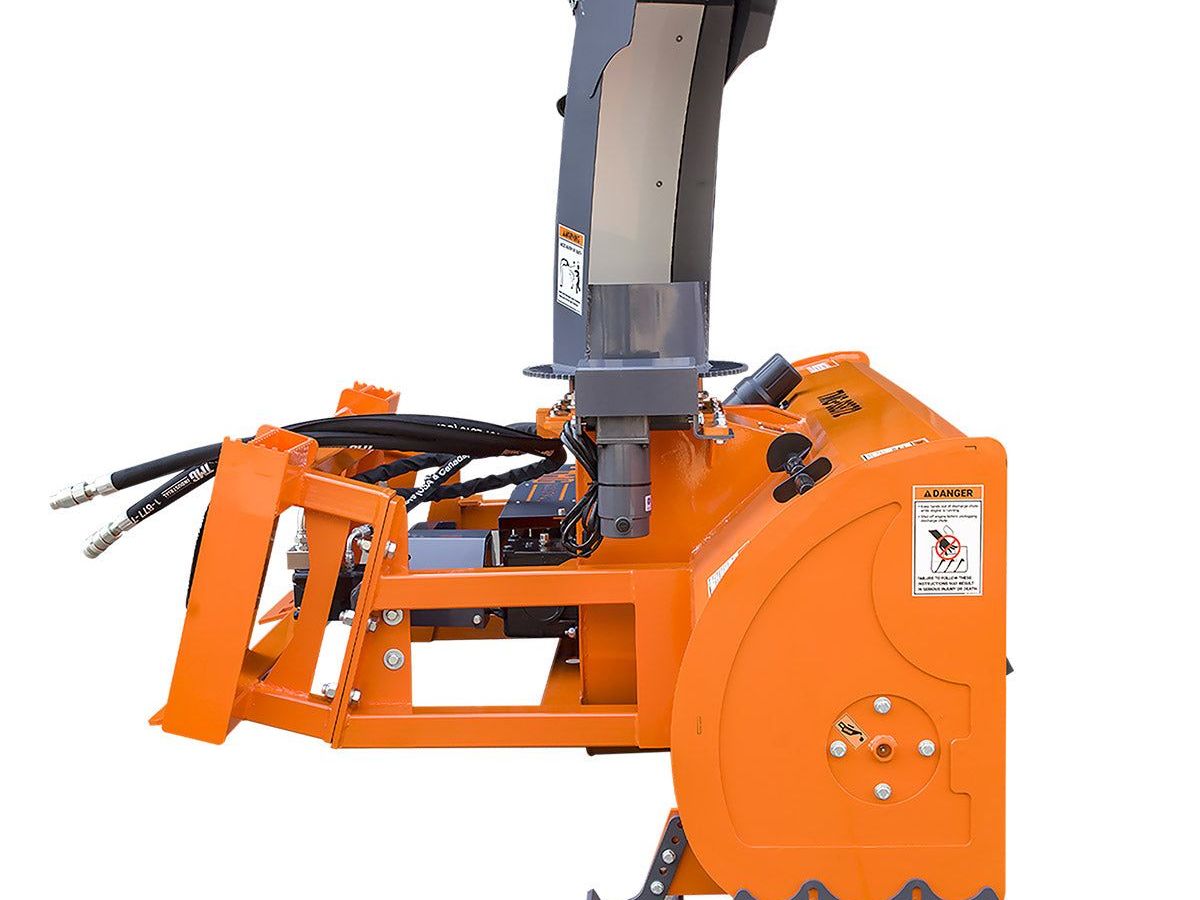
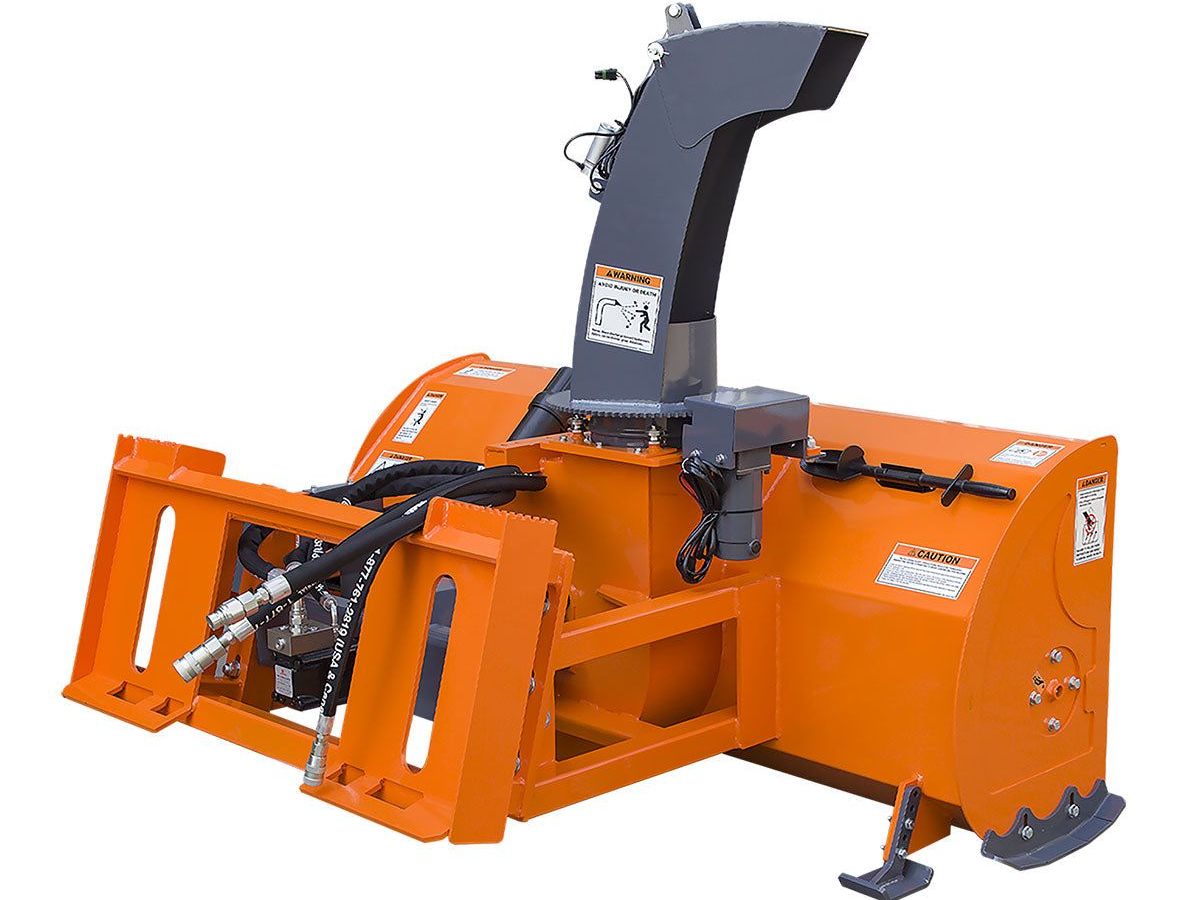
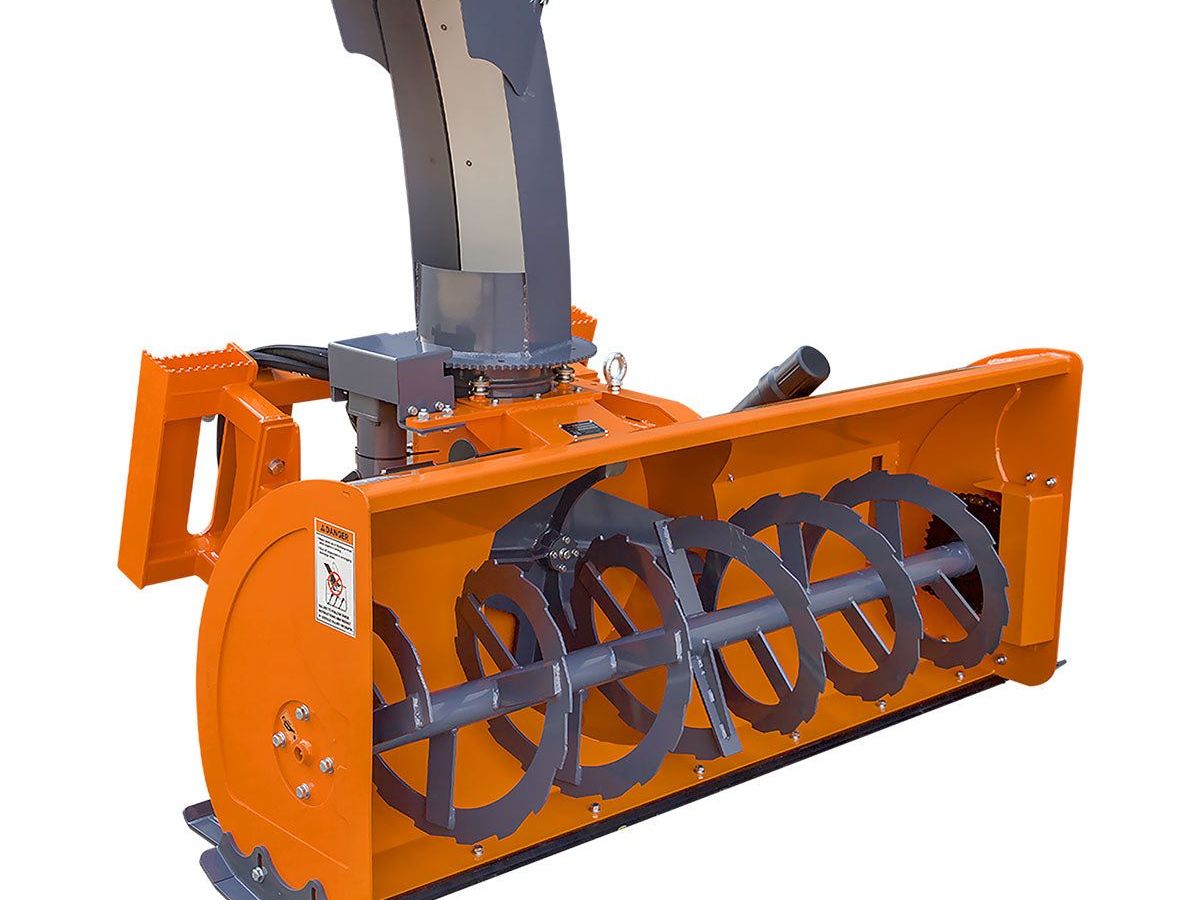
Let’s break it down. You’ve got the auger, which is like the teeth of the operation, chomping through snow. Then there’s the impeller, throwing that snow far, far away. And don’t forget about the hydraulic system that powers it all. These components make a skid steer snow blower a powerhouse.
How They Compare to Other Snow Removal Equipment
Compared to your standard plow, a skid steer snow blower doesn’t just push snow around. It actually removes it. It’s more efficient, especially for commercial properties where time is money. Plus, you can find a skid steer snow blower for sale that fits just about any budget and need. It’s like having a snow removal pro in your back pocket.
Choosing the Right Skid Steer Snowblower for Your Needs
Factors to Consider
So, you’re diving into the world of skid steer snowblowers, huh? First things first, think about your snow situation. Is your driveway short or are you dealing with a massive parking lot? Also, consider the type of snow you usually get. Wet, heavy snow or light and fluffy? These factors will guide your choice.
Popular Models and Brands
Alright, now let’s talk brands. There are a ton of options out there, but some names keep popping up. Bobcat, Caterpillar, and John Deere are big players. They have models that suit different needs, from small residential to heavy-duty commercial snowblowing.
Budgeting for Your Purchase
Alright, let’s chat about money. Snowblowers can be a big investment, so it’s important to budget smartly. Think about how long you plan to use it and what features are "must-haves" versus "nice-to-haves". Remember, sometimes spending a bit more upfront saves you in the long run on maintenance and repairs.
Picking the right snowblower isn’t just about brand names or price tags. It’s about finding the perfect match for your snow-clearing needs. Take your time, weigh your options, and you’ll find the right fit.
Setting Up Your Skid Steer Snowblower
Initial Assembly and Installation
Alright, first things first. Getting your skid steer snowblower hooked up is the starting point. Align your skid steer with the snowblower attachment. Tilt the coupler and secure it using hydraulic locks or manual pins. It’s like putting together a giant Lego set, but with more muscle.
Adjusting Skid Shoes and Cutting Height
Next up, let’s talk about skid shoes. These babies are adjustable to match whatever surface you’re dealing with. If you’re on gravel, raise them up a bit. For smoother roads, lower them down. It’s all about finding that sweet spot for a clean cut.
Hydraulic and Power Requirements
Now, onto the power stuff. These machines need the right juice to run. Make sure your skid steer matches the snowblower’s hydraulic specs. We’re talking max flow rate and pressure here. It’s like making sure your phone charger fits your phone, but for heavy machinery.
"The right setup saves you from winter headaches. Trust me, I’ve been there, done that."
And that’s it, folks. Get this setup right, and you’re on your way to becoming the snow-clearing champ of the neighborhood.
Mastering Basic Operating Techniques
Starting and Stopping Safely
Getting your skid steer snowblower up and running is like a morning routine, but with heavy machinery. First things first, always check your surroundings. Make sure there’s nothing or nobody in the way. Start the engine slowly and let it warm up a bit. When you’re done, don’t just turn it off and walk away. Let it idle for a while before shutting it down.
Controlling Speed and Direction
Think of it like driving a car in snow, but with a lot more power. Keep your speed steady and avoid sudden movements. Use the controls to adjust your direction smoothly. You don’t want to be jerking around, especially on slippery surfaces.
Using the Full Width of the Blower
This one’s a game-changer for efficiency. Use the entire width of your snowblower to clear as much snow as possible in one go. It’s like mowing a lawn, but colder and with a lot more snow. This way, you’ll get the job done faster and save fuel.
Master these basic techniques, and you’ll be clearing snow like a pro in no time. It’s all about practice and getting comfortable with your machine.
Advanced Snowblowing Strategies
Pattern Planning for Efficiency
So, when you’re out there blowing snow, you gotta think ahead. Start from the center of open areas and work your way out. Always follow the wind, so it doesn’t blow back in your face. Create zones where you can dump the snow, and you’ll be done in no time.
Handling Different Snow Conditions
Snow’s a tricky beast. When it’s light and fluffy, you can go faster, but wet snow? Slow down, or you’ll clog your machine. Adjust your speed and chute angle based on the snow type to keep things running smoothly.
Multiple Pass Strategy
Don’t try to do it all in one go. First pass, clear the main areas. Second pass, tidy up the edges. Final pass, get those little bits you missed. It’s like cleaning your room—one step at a time.
Maintaining Your Skid Steer Snowblower
Regular Inspection and Cleaning
Gotta keep an eye on your snowblower, man. Check it out after each use to catch any damage early. Cleaning it up is a must to prevent snow and ice from gunking up the works.
Replacing Wear Items
Parts wear out, it happens. Keep a list of what needs replacing like the scraper bar or skid shoes. Swap them out before they totally give up on you.
Off-Season Storage Tips
When the snow’s all melted, don’t just leave your blower sitting there. Clean it, dry it, and store it somewhere dry. Cover it up to keep dust and moisture away.
Keeping your snowblower in top shape is like taking care of a pet. Show it some love, and it’ll last you a long time.
Troubleshooting Common Issues
Dealing with Clogs and Jams
Snowblowers can get clogged up with packed snow or ice. When this happens, stop everything and clear the blockage. Make sure the machine is off and the blades have stopped moving before you get in there.
Hydraulic System Problems
Hydraulic issues are a real pain and can cause your snowblower to slow down or stop working. Check the hydraulic fluid levels and look for leaks. If the hydraulics aren’t unlocking, it might be a sensor issue. Ensure the hoses are free from pinch points.
When to Call a Professional
Sometimes, you just can’t fix it yourself. If your snowblower is still acting up after you’ve tried everything, it might be time to call in a pro. They can handle the tricky stuff without you having to break a sweat.
"Don’t let frustration get the best of you. Sometimes, calling a professional is the quickest way to get back to clearing snow."
Safety Tips for Operating Skid Steer Snowblowers
Pre-Operation Safety Checks
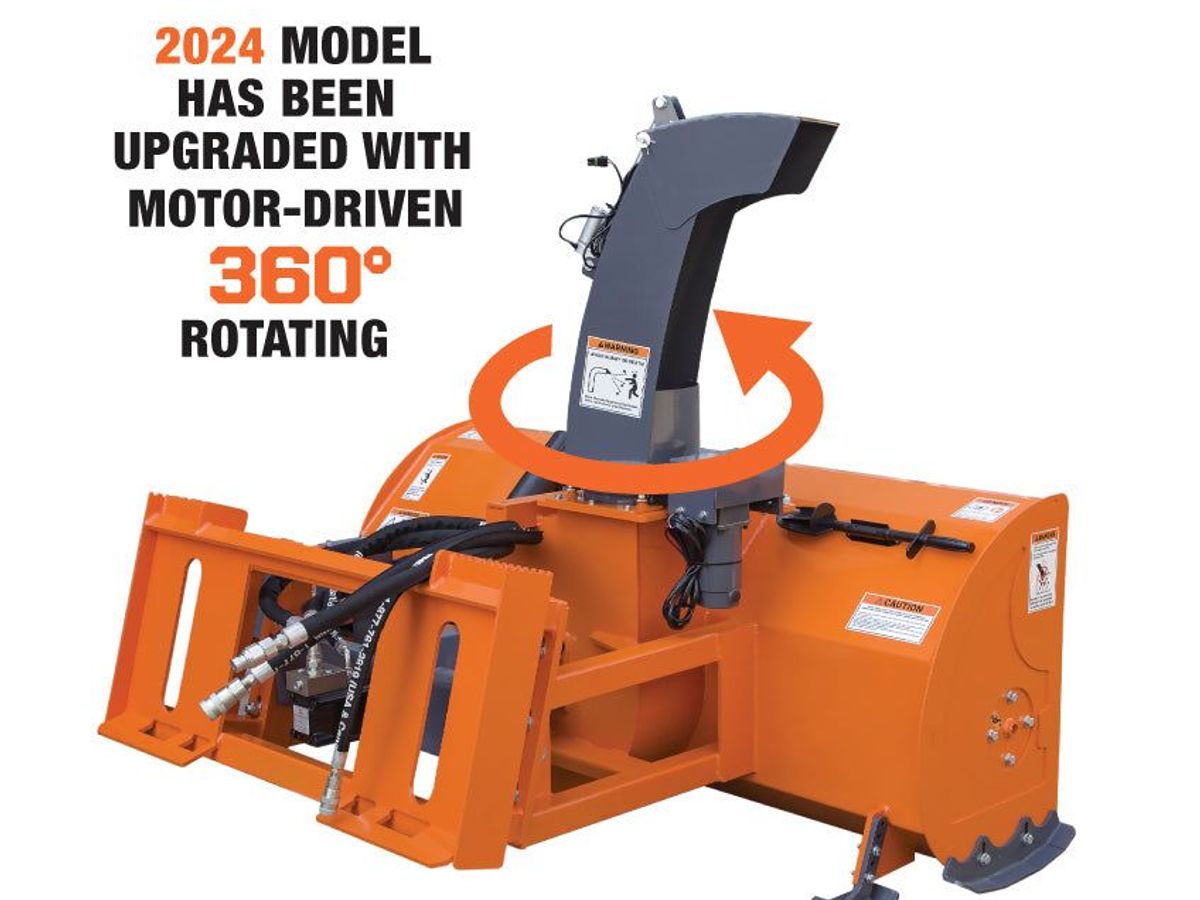
Before you even think about firing up your skid steer snowblower, make sure to give it a once-over. Check those cutting edges and any parts that wear down. Hydraulic connections need a look too. You don’t want any surprises once you’re out there in the cold.
Avoiding Obstacles and Hazards
While you’re clearing snow, keep your eyes peeled for any hidden stuff under all that white fluff. Rocks, toys, or even garden gnomes can mess things up big time. Stay alert and steer clear!
Keeping Bystanders Safe
If there are folks around, make sure they’re not too close to where you’re working. Snow and debris can fly out unexpectedly, so it’s best to keep everyone at a safe distance. Better safe than sorry, right?
Remember, safety isn’t just about you—it’s about everyone and everything around you. Keeping your equipment in check and being aware of your surroundings makes all the difference.
Maximizing Performance and Efficiency
Optimizing Fuel Consumption
Running a skid steer snowblower efficiently isn’t just about speed; it’s also about using less fuel. Keeping an eye on your machine’s horsepower and ensuring it’s in the right range can save you a ton on fuel costs.
Enhancing Snow Throwing Distance
Who doesn’t want their snowblower to throw snow like a champ? Adjusting the chute and making sure your blower is at the right angle can really shoot that snow far, making your job easier.
Improving Material Processing Speed
Speed matters, especially when dealing with heavy snow. Ensuring your skid steer is properly maintained and using the full width of the blower can help you cut through snow faster, saving you time and effort.
Trust me, once you get the hang of these tips, your snowblower will feel like a whole new beast, making those snowy days a bit more bearable.
Exploring Commercial Applications
Running a business in winter? You know the drill. Snow piles up, and suddenly, customers can’t reach your door. Using a skid steer snowblower can quickly clear your parking lots and pathways, making it a lifesaver for business owners. It’s all about keeping things moving, right?
Ever wonder how city streets stay clear after a blizzard? Municipalities often rely on skid steer snowblowers. They’re perfect for tight spaces and can handle a lot of snow. Efficiency is key when it comes to keeping roads safe and open.
Thinking about starting a snow removal business? Skid steers are essential for efficient snow removal, especially for commercial properties that need quick service. You can offer reliable snow clearing services, making it a solid gig during the winter months. It’s a great way to keep busy when the snow hits hard.
In today’s world, businesses are finding new ways to use technology to improve their operations. From advanced machinery to smart tools, the possibilities are endless. If you’re curious about how these innovations can benefit your company, visit our website for more information and explore the options available to you!
Wrapping It Up: Your Snow Clearing Adventure
So, there you have it! Using a skid steer snow blower can really change the game when it comes to clearing snow. Remember, it’s all about knowing your machine and using the right techniques. Keep your equipment in good shape, and don’t forget to stay safe while you work. With a bit of practice, you’ll be zipping through snow like a pro. Now, get out there and tackle that winter weather with confidence!
Frequently Asked Questions
What is a skid steer snowblower?
A skid steer snowblower is an attachment that you can put on a skid steer to help clear snow quickly and easily.
How do I choose the right skid steer snowblower?
When picking a snowblower, think about the size of the area you need to clear, your budget, and the types of snow you usually deal with.
What should I check before using my snowblower?
Always check the equipment for any damage, make sure the hydraulic connections are secure, and ensure the chute is working properly.
Can I use a skid steer snowblower on gravel surfaces?
Yes, but you may need to raise the cutting height to avoid digging into the gravel.
How can I improve efficiency when using a snowblower?
Plan your snow removal pattern, use the full width of the blower, and maintain a steady speed for best results.
What are common issues with skid steer snowblowers?
Common problems include clogs, jams, and hydraulic issues. Regular maintenance can help prevent these.
How do I maintain my skid steer snowblower?
Regularly inspect it for wear, clean it after use, and store it properly during the off-season.
What safety tips should I follow while operating a snowblower?
Always check for obstacles, keep bystanders at a safe distance, and wear appropriate safety gear.