If you’re looking to tackle heavy snow this winter, using a skid steer loader with a snow blower attachment can make your life much easier. This guide covers everything you need to know about these powerful machines, from how they work to tips for choosing the right one for your needs. Whether you’re a professional or just need to clear your driveway, this guide will help you understand how to use and maintain snowblowers for skid steer loaders effectively.
Key Takeaways
- Skid steer snow blowers are powerful tools for quick snow removal.
- Choosing the right snow blower depends on your skid steer and snow conditions.
- Proper setup and maintenance are key to keeping your equipment running smoothly.
- Using the right techniques can save you time and effort when clearing snow.
- Always prioritize safety when operating snow blowers in winter conditions.
Understanding Skid Steer Loader Snow Blowers
What Makes Them Unique
Skid steer snow blowers are not just any snow-clearing tool; they’re like the Swiss army knife of snow removal. These machines are game-changers because they can tackle heavy snowfalls with ease. Unlike regular plows that just push snow around, these blowers actually throw it far away, keeping your paths clear. They’re super versatile and can handle different types of snow, from light and fluffy to heavy and wet.
Key Components Explained
Let’s break down what makes these blowers tick. The magic happens with three main parts:
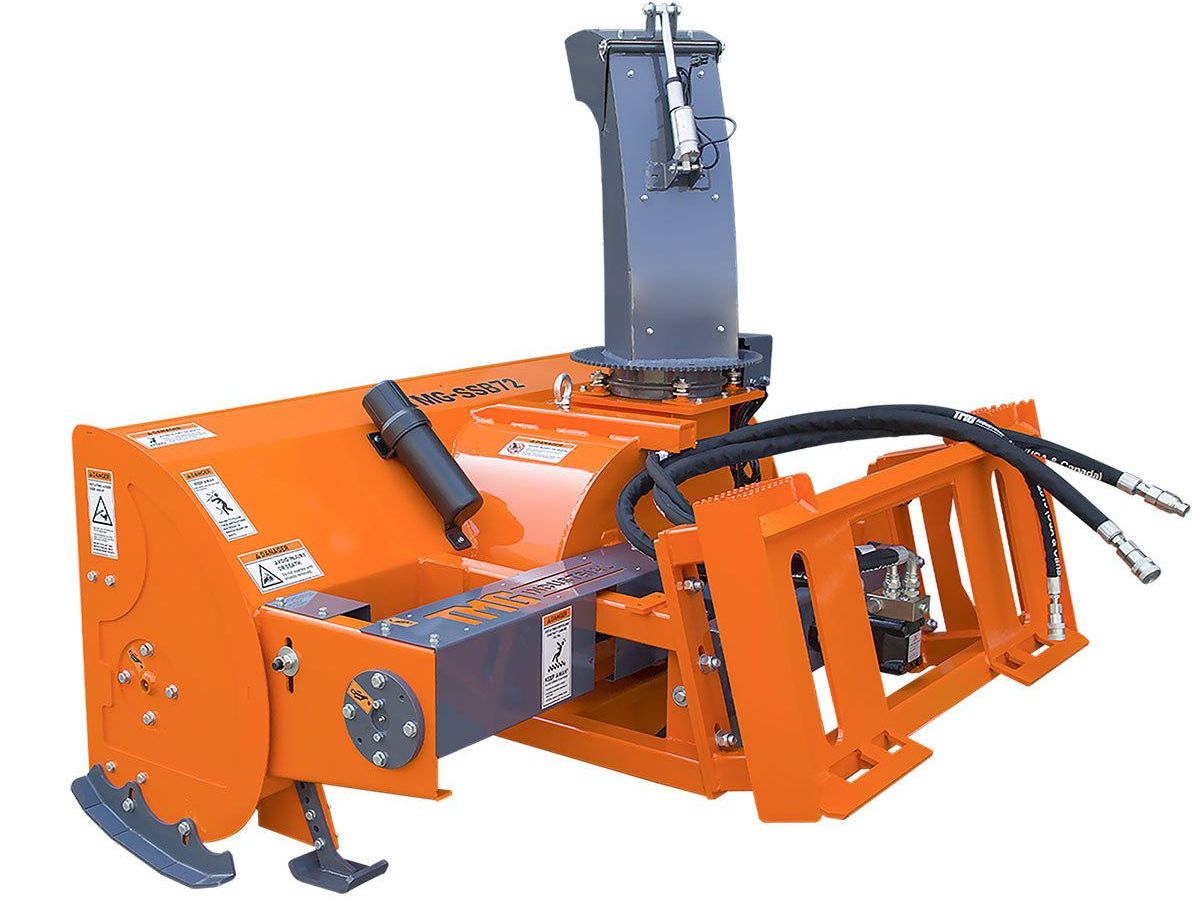
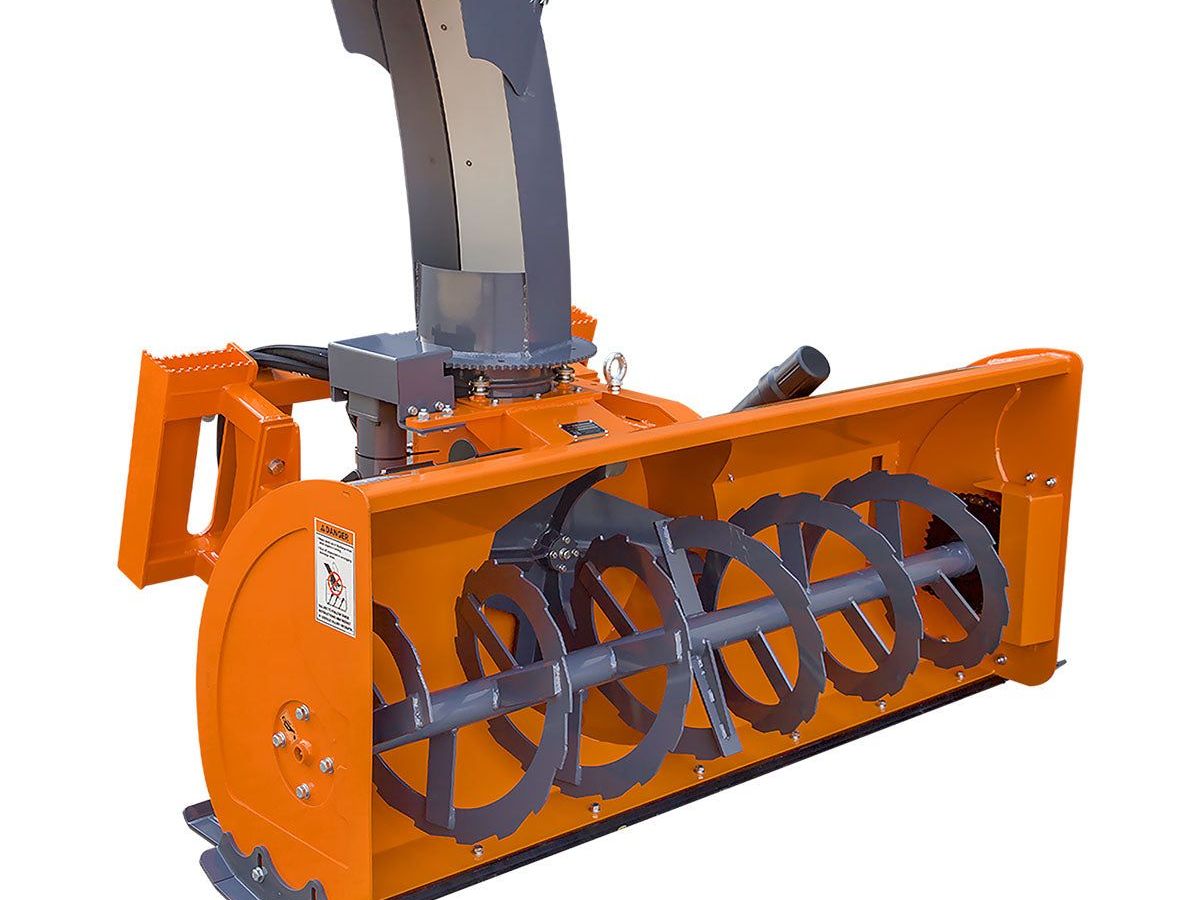
- Auger System: This bad boy chews up snow and ice with its serrated teeth. It’s like having a snow-eating monster attached to your skid steer.
- Impeller: Once the auger does its job, the impeller takes over, flinging the snow out of the way.
- Chute: This is where you direct the snow, and with some models, you can control it from the cab. Handy, right?
Benefits Over Traditional Methods
Why choose a skid steer snow blower over the old shovel or plow?
- Efficiency: You can clear snow way faster, saving you time and energy.
- Versatility: Handle any snow condition without breaking a sweat.
- Ease of Use: Attach it to your skid steer, and you’re good to go. No need for multiple machines.
With a skid steer snow blower, you’re not just moving snow; you’re conquering winter. It’s a smart investment for anyone tired of dealing with endless snow piles.
Whether you’re a homeowner with a long driveway or a business keeping a parking lot clear, these blowers are worth checking out, especially if you’re searching for a skid steer snow blower for sale or a skid steer snow blower attachment.
Choosing the Right Snow Blower for Your Skid Steer
Factors to Consider
Picking a snow blower isn’t just about grabbing the first one you see. You gotta think about the size of your property and how much snow you usually get. Compatibility with your skid steer is a must or you’re just wasting money. And hey, don’t forget to check if your machine has enough power to handle the blower.
Top Brands to Look For
When it comes to brands, some are just better. I’ve found that Bobcat, Caterpillar, and John Deere make solid snow blowers that are worth the investment. They might not be the cheapest, but they sure last longer and work better.
Budget-Friendly Options
Not everyone wants to drop a ton of cash on a snow blower. If you’re like me, you’ll want something that works without breaking the bank. Brands like PTO stump grinders offer decent options that won’t empty your wallet. Just make sure it does what you need it to do!
Setting Up Your Skid Steer Snow Blower
Attaching the Blower Correctly
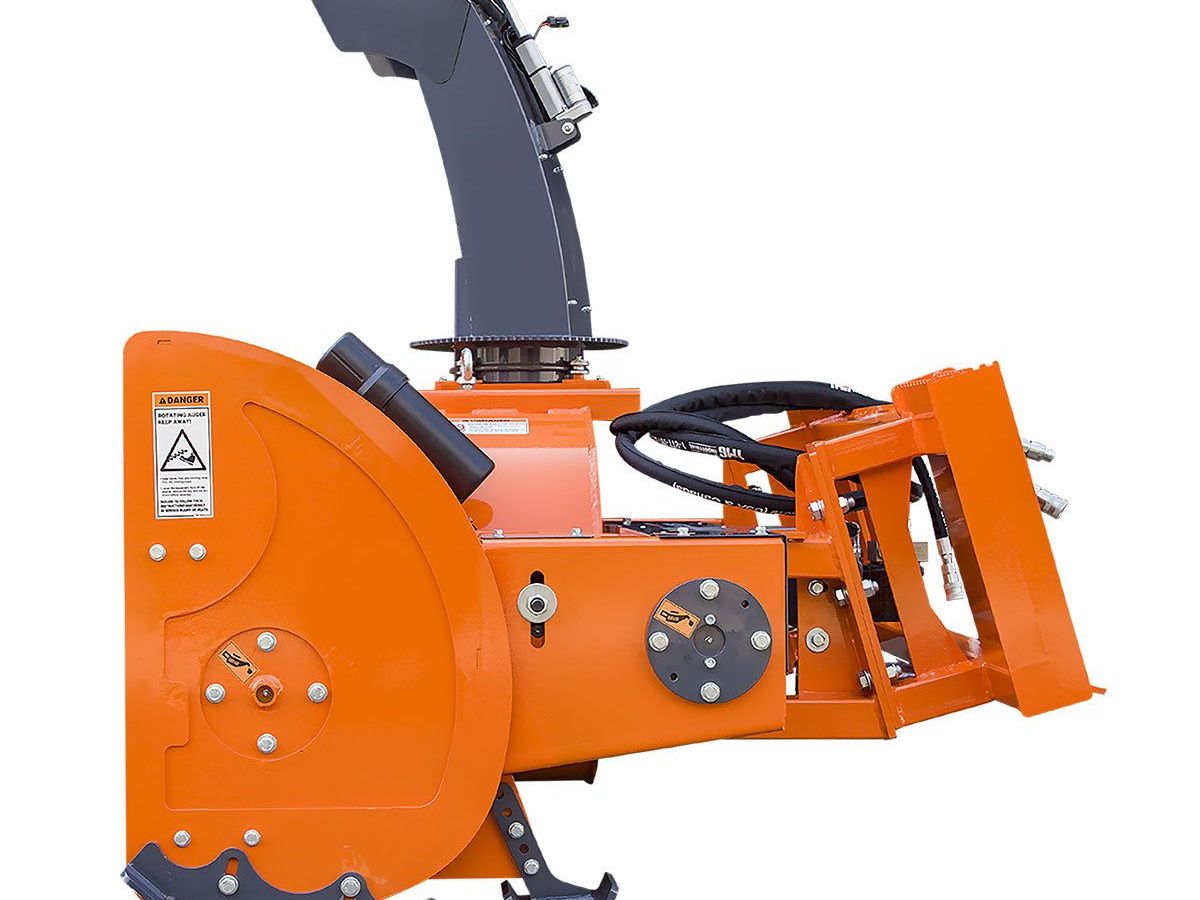
First things first, you gotta hook up that snow blower to your skid steer. It’s crucial to get this right, or you’ll be dealing with a whole lot of trouble later. Make sure the mounting plate is secure and everything’s locked in place. Double-check those connections, and don’t rush it. You don’t want this thing falling off mid-job.
Adjusting Skid Shoes
Next up, let’s chat about skid shoes. These bad boys need to be set just right to avoid scraping up surfaces. Adjust them based on the terrain you’re working on. Higher for gravel, lower for smooth surfaces. It’s all about finding that sweet spot to keep your blower and the ground happy.
Hydraulic System Basics
Hydraulics are the heart of your snow blower’s operation. You gotta ensure your skid steer’s hydraulic system matches the blower’s requirements. Check the flow rate and pressure; they need to be spot on. If they’re not, you’re looking at a performance issue or even damage. So, take the time to get familiar with these specs.
Mastering Snow Blowing Techniques
Speed and Efficiency Tips
Getting the hang of snow blowing is all about timing. Keep your speed steady to avoid clogging the chute and make sure you’re not going too fast or too slow. If you rush, you might miss spots; go too slow, and you’ll waste time.
Handling Different Snow Types
Snow is like people, it comes in all types. Light and fluffy or wet and heavy, each type needs a different approach. For the fluffy stuff, go faster and use a higher chute angle. With the wet snow, slow down and keep the chute low to avoid clogs.
Creating Effective Patterns
Think of snow blowing like mowing the lawn. You gotta plan your path. Start in the middle and work your way out. Follow the wind’s direction to avoid blowback and create neat piles.
Getting snow blowing down to a science means knowing your snow and your machine. Keep these tips in mind, and you’ll clear your driveway like a pro.
Maintenance Tips for Longevity
Daily Maintenance Routines
Keeping your skid steer snow blower in top shape starts with daily checks. Peek at the fluid levels, give the tires a once-over, and make sure those hydraulic lines aren’t leaking. Trust me, a quick look can save you from a big headache later.
Seasonal Care Tips
When the seasons change, so should your maintenance routine. Clean out any leftover gunk from the snow blower and check for any parts that look worn out. Changing the oil and filters is a good idea too. It’s like giving your snow blower a fresh start for the season.
Troubleshooting Common Issues
Even with the best care, things can go wrong. If your snow blower isn’t working right, check the basics first: is something stuck? Are the connections tight? If you’re still stuck, it might be time to call in a pro. Sometimes, it’s just a small tweak that makes all the difference.
Regular maintenance isn’t just about keeping things running; it’s about keeping you safe and avoiding those unexpected repair bills. Stay ahead of the game!
For more detailed information on maintaining your equipment, you might want to check out this guide which focuses on skid steer loaders and their attachments.
Safety First: Operating Your Snow Blower
Pre-Operation Safety Checks
Before you even think about starting your skid steer snow blower, give it a good once-over. Check the cutting edges and wear items to make sure they’re not worn down. Inspect those hydraulic connections too, because you definitely don’t want any surprises.
Avoiding Common Hazards
When you’re out there blowing snow, keep your eyes peeled for hidden obstacles. Rocks, branches, or even a forgotten garden gnome can mess up your day. Also, keep bystanders at a safe distance. You don’t want anyone getting hurt on your watch.
Protective Gear Essentials
Bundle up, but not just for warmth. Make sure you’re wearing the right gear. Insulated gloves and non-slip boots are a must. And don’t forget your ear protection to block out that noise. Safety first, always.
Maximizing Performance in Various Conditions
Dealing with Wet and Heavy Snow
Man, wet snow is a beast. It clogs everything up and makes life hard. Here’s a tip: keep your snowblower moving to avoid jams. The Summit Series skid steer snowblower is great for this because it has a special fan design that helps with heavy, wet snow.
Operating on Uneven Terrain
Uneven ground can be tricky. You gotta keep your machine steady. Adjust those skid shoes to match the surface. If the ground’s really bumpy, take it slow and steady.
Optimizing for Windy Conditions
Wind can mess up your snow blowing, big time. Always blow with the wind, not against it. This way, the snow goes where you want, not back in your face. Also, make sure your chute is set right to direct the snow away from you and your path.
Don’t let the weather beat you. With the right setup and a few tricks, you can keep your snowblower running smoothly and efficiently, no matter what Mother Nature throws your way.
Advanced Features to Look For
Motor-Driven Snow Chutes
So, let’s talk about motor-driven snow chutes. These things are a lifesaver. Imagine sitting in your cab, warm and cozy, while the chute spins around 360 degrees without you having to step outside. That’s convenience right there. Plus, you get to control the direction of the snow discharge from your seat.
Adjustable Impeller Designs
Next up, adjustable impeller designs. These are like the secret weapon for handling different snow conditions. You can tweak the impeller to match the snow’s fluffiness or heaviness. It’s all about getting that perfect throw distance and snow breakup.
Smart Technology Integration
Finally, smart technology integration is where the future’s at. Some snow blowers now come with sensors and GPS. They help you track your path and optimize your route. It’s like having a smart assistant guiding you through the snow. Who knew snow blowing could be so high-tech?
Real-World Applications and Success Stories
Skid steer snow blowers are a lifesaver for businesses. Imagine trying to clear a parking lot with just a shovel. Not fun, right? These machines tackle huge areas fast and keep things running smoothly. They’re like the superheroes of snow removal!
Ever tried clearing your driveway after a big storm? Yeah, it’s a nightmare. But with a skid steer snow blower, it’s a breeze. Folks have been known to clear their driveways in record time, leaving more time for hot cocoa inside.
These blowers aren’t just for your average snow day. In places where snow is more like a mountain than a dusting, they’re essential. From clearing roads in the Arctic to helping out in ski resorts, they handle the toughest conditions with ease.
When the snow piles up and everything else fails, a skid steer snow blower steps in and gets the job done. It’s like having a trusty sidekick that never lets you down.
Troubleshooting and Repairs
Identifying Mechanical Issues
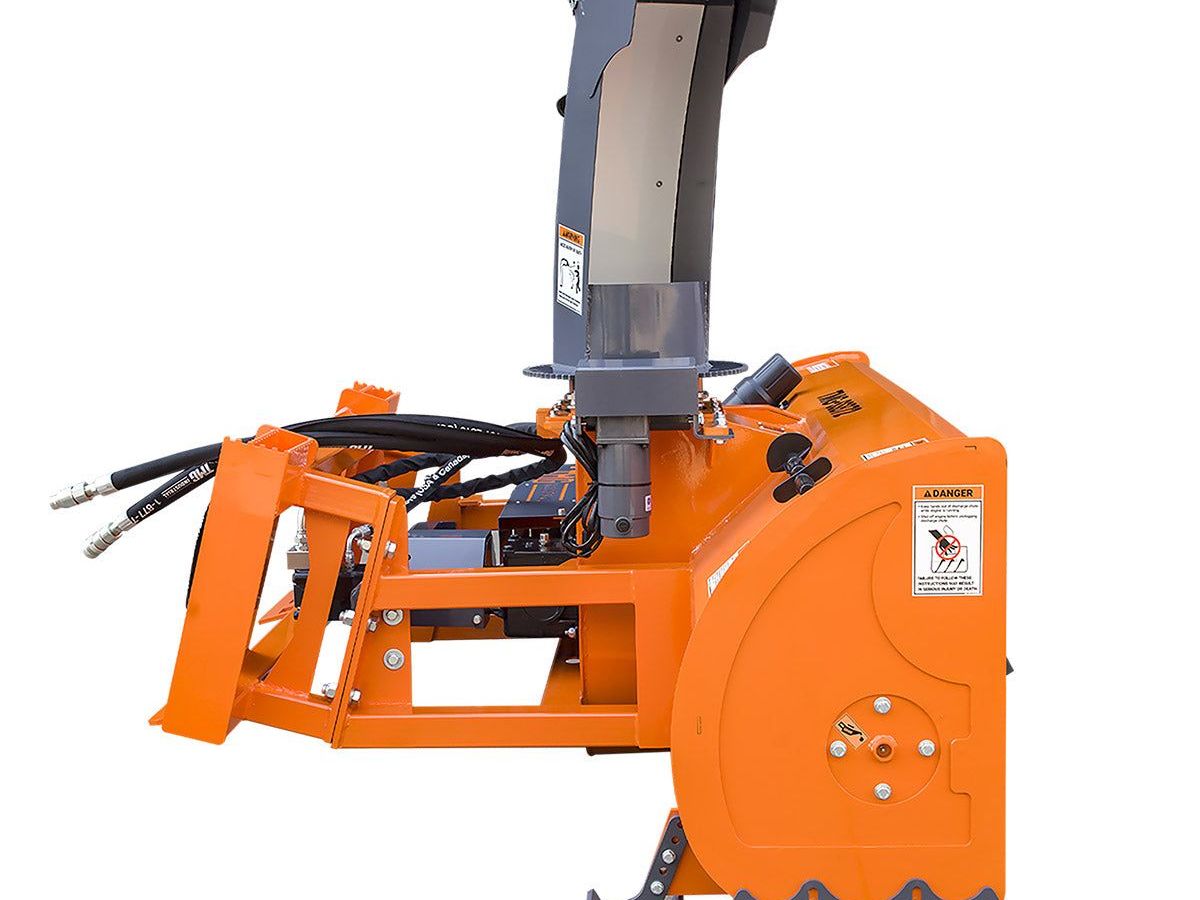
So, your snow blower’s acting up? First things first, give it a good look over. Check for loose bolts or any signs of wear and tear. Sometimes it’s the small stuff that causes big problems.
DIY Repair Tips
Feeling handy? Try fixing minor issues yourself. Start with cleaning out any clogs, tightening any loose parts, and replacing worn belts. A little elbow grease can go a long way.
When to Call a Professional
If things get too complicated, don’t hesitate to reach out for help. When you’re knee-deep in snow and your blower’s still stuck, it might be time to call in the pros. They have the tools and know-how to get things running smoothly again.
Remember, keeping up with regular maintenance can prevent a lot of headaches down the line. It’s like giving your snow blower a little TLC to keep it happy.
Environmental Considerations
Eco-Friendly Snow Blowing
Using a skid steer snow blower can be greener than traditional methods. Less fuel consumption means fewer emissions. It’s all about using the right amount of power for the job, nothing more, nothing less.
Noise Reduction Techniques
These machines can be noisy, but there are ways to keep it down. Regular maintenance helps a lot. Also, using newer models with advanced designs can make a big difference.
Fuel Efficiency Tips
Running your snow blower efficiently saves fuel. Keep it well-tuned and avoid idling. Using the right settings for the snow conditions helps too.
Keeping the environment in mind while clearing snow isn’t just about being green. It’s about smarter, more efficient snow management.
When thinking about the environment, it’s important to choose products that are safe and sustainable. By making smart choices, we can help protect our planet for future generations. Visit our website to learn more about how our products can make a difference!
Wrapping It Up: Your Go-To Guide for Skid Steer Snow Blowers
So there you have it! Using a skid steer snow blower can really change the game when it comes to clearing snow. With the right techniques and a bit of practice, you can tackle even the toughest winter storms like a pro. Remember, keeping your equipment in good shape is key to getting the best results. Whether you’re a business owner or just someone who wants to keep their driveway clear, this guide has got you covered. So gear up, get out there, and make winter work for you!
Frequently Asked Questions
What is a skid steer loader snow blower?
A skid steer loader snow blower is a tool that attaches to a skid steer. It helps to clear snow quickly and efficiently.
How does a skid steer snow blower work?
It uses an auger to gather snow and an impeller to throw it away. This makes snow removal faster than using a shovel.
What should I consider when buying a snow blower for my skid steer?
Think about the size of your skid steer, the type of snow you usually get, and your budget.
How do I attach a snow blower to my skid steer?
You line up the attachment with the mounting plate on your skid steer and secure it using the provided pins.
What maintenance does a skid steer snow blower need?
Regularly check the blades, clean the auger, and lubricate moving parts to keep it in good shape.
Is it safe to operate a skid steer snow blower?
Yes, but always do safety checks before use, keep bystanders away, and wear protective gear.
Can I use a skid steer snow blower on gravel surfaces?
Yes, but you should adjust the height of the skid shoes to avoid picking up gravel.
What are some tips for snow blowing effectively?
Keep a steady speed, plan your path, and adjust your technique based on the type of snow.