If you’re thinking about starting a mobile sawmill business or just want to learn more about it, this guide is for you. Mobile sawmills let you turn logs into lumber right where the trees are. They are handy for both personal projects and small businesses. In this article, we’ll cover everything from what a mobile sawmill is to how to market your lumber products. You’ll find valuable tips and insights that can help you succeed in this field.
Key Takeaways
- Mobile sawmills allow you to process logs into lumber on-site, saving time and resources.
- When looking for a mobile saw mill for sale, consider factors like brand reputation, features, and your budget.
- Safety is crucial; always follow proper safety measures when operating your sawmill.
- Routine maintenance can extend the life of your sawmill and improve performance.
- Building good relationships with customers can help grow your lumber business.
Understanding Mobile Sawmills
What is a Mobile Sawmill?
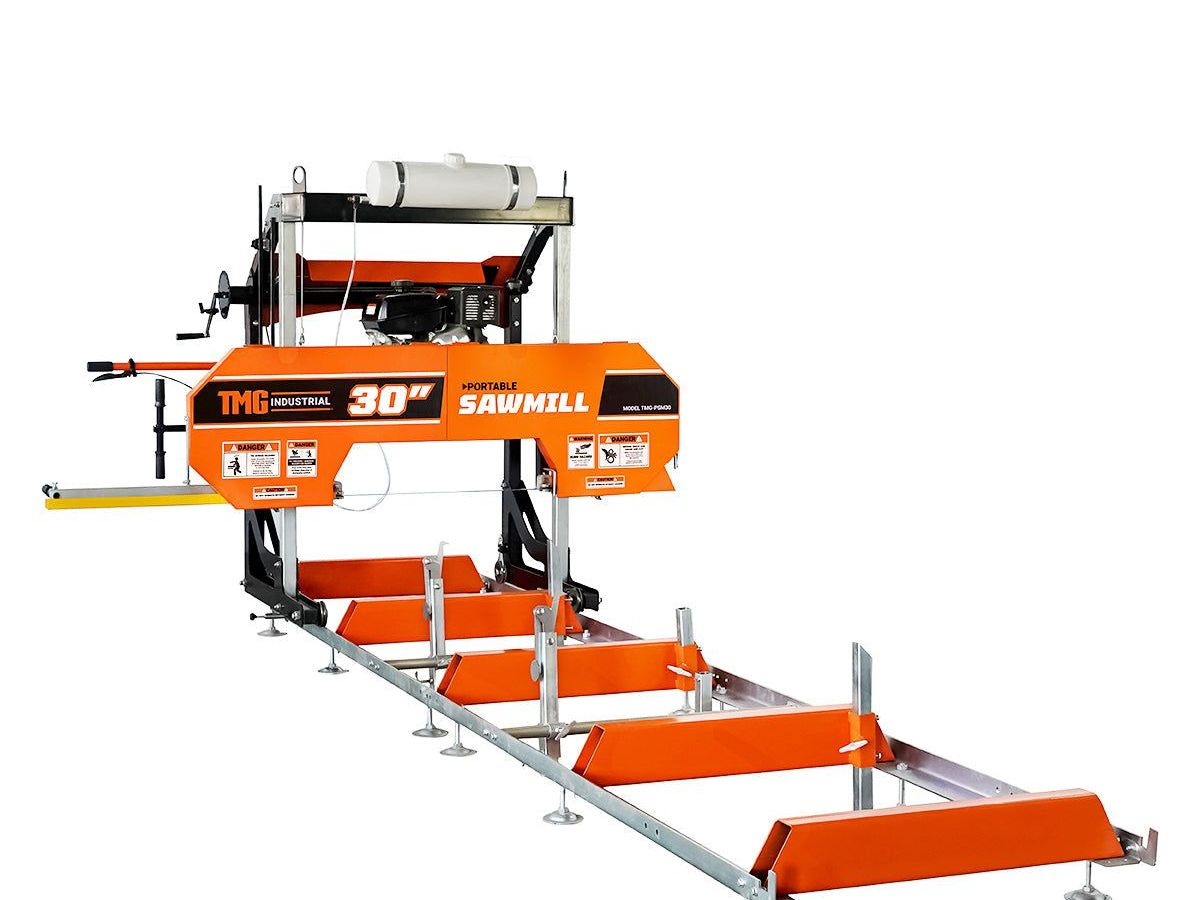
A mobile sawmill is a nifty piece of equipment that lets you turn logs into lumber right where the trees are. It’s like having a mini lumber mill on wheels. You just set it up, clamp it to a log, and start cutting. It’s portable, so you can move it from place to place, which is super handy if you’ve got a lot of wood to process in different spots.
Types of Mobile Sawmills
There are a few types of mobile sawmills out there. You’ve got band sawmills, which are great for precision cuts and can handle big logs. Then there are chainsaw mills, which are more compact and good for smaller jobs. And don’t forget about swing blade mills, which are versatile and can cut in any direction. Each type has its own perks, so it’s all about what fits your needs best.
Benefits of Using a Mobile Sawmill
Using a mobile sawmill has some sweet advantages. First off, it saves you the hassle of hauling logs to a stationary mill. Plus, you can mill lumber on-site, which means less waste and more control over the process. And if you’ve got a portable sawmill for sale, it can be a great way to make some extra cash by offering milling services to others. Getting the best portable sawmill means you can turn trees into profit right where they fall, which is pretty awesome.
Choosing the Right Mobile Sawmill for Sale
Factors to Consider
When picking a mobile sawmill, think about what kind of wood you’ll be working with and how often you’ll use it. Don’t just go for the fanciest model; match the sawmill to your needs. Consider the size of logs you plan to cut and the portability of the machine.
Top Brands to Look For
There are a few brands that stand out when it comes to mobile sawmills. Wood-Mizer and Norwood are among the top names. These brands offer reliable and durable sawmills that many folks swear by.
Budgeting for Your Sawmill
Before you dive into buying, set a budget. Look for the best portable sawmill for the money that fits your needs without breaking the bank. Remember, sometimes spending a bit more upfront can save you in the long run on repairs and maintenance.
Investing in a sawmill is about finding the right balance between cost and capability. Choose wisely, and your sawmill will be a valuable tool for years to come.
Setting Up Your Mobile Sawmill
Site Selection Tips
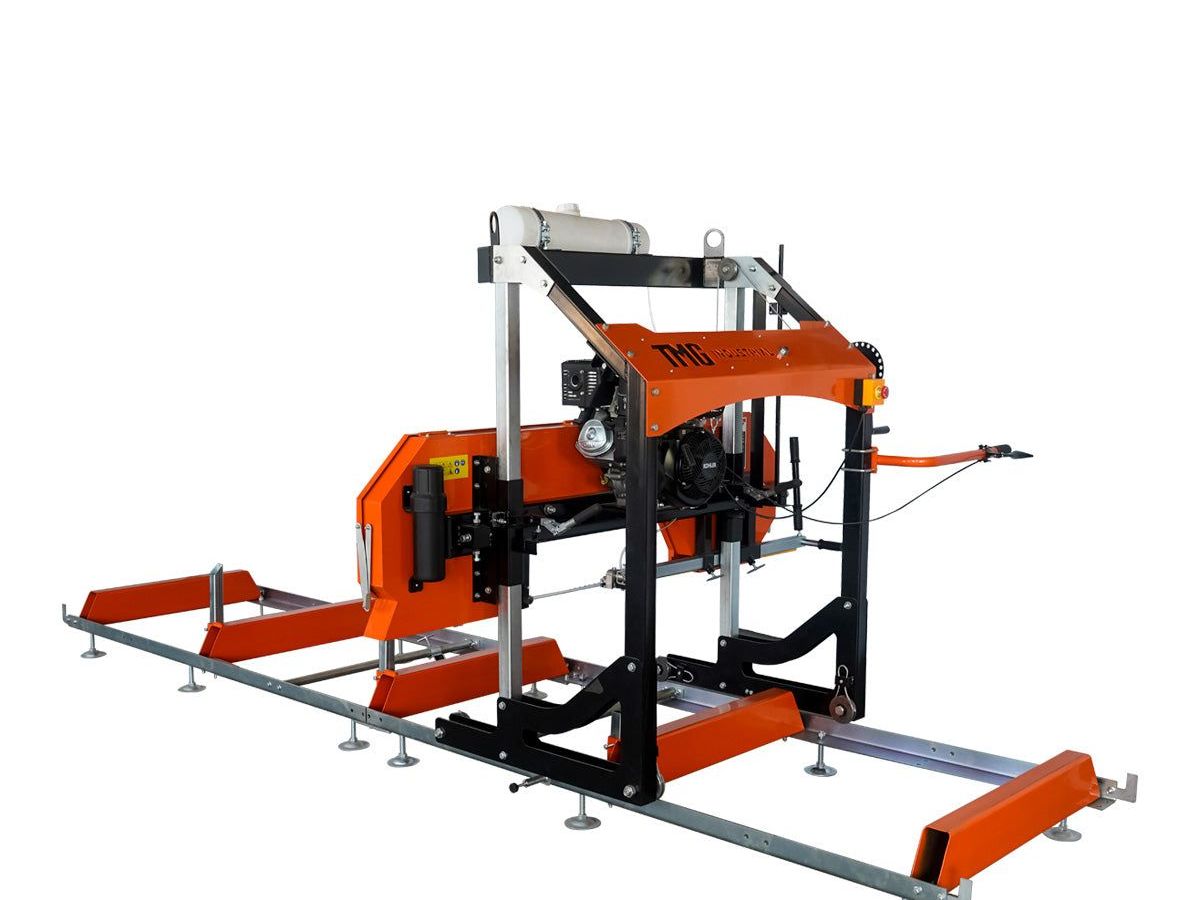
Picking the right spot for your portable sawmill is key. You want a flat area to avoid any wobbly cuts. Make sure there’s enough space to move around and stack your lumber. Oh, and don’t forget about access to power if your sawmill needs it.
Essential Tools and Equipment
To get started, you’ll need some basic gear. A sturdy sawmill, of course, and a good set of blades. Keep a metal detector handy to avoid hitting any metal in the wood. Also, a couple of log rollers and cant hooks will make moving logs a breeze.
Safety Precautions
Safety first, always. Wear protective gear like gloves and goggles. Check your equipment before firing it up to make sure everything’s in top shape. Keep your work area tidy to avoid any trips or falls. And remember, never operate the sawmill alone.
Operating Your Mobile Sawmill Like a Pro
Basic Operating Techniques
Running a mobile sawmill ain’t rocket science, but it does need a bit of know-how. Start by getting the hang of the controls, especially the forward and reverse movements. Keeping your sawhead steady is key to clean cuts. Always remember to check your blade tension before you start sawing; a loose blade can mess up your whole day.
Common Mistakes to Avoid
Even the best of us slip up sometimes. One big no-no is rushing the process. Slow and steady wins the race, right? Another mistake is ignoring the condition of your logs. Dirty logs can wreck your blade, so give ’em a good clean first. And hey, don’t forget to level your setup; uneven ground means uneven cuts.
Maximizing Efficiency
Efficiency is your best buddy when you’re milling. Think of each log like a puzzle. Plan your cuts to get the most out of each piece of wood. Keep your workspace organized, too. You don’t want to be tripping over logs or tools. And if you can, use hydraulic log loading systems to save your back and speed up the process.
Milling is all about getting the most out of what you’ve got. With a bit of practice, you’ll be turning logs into lumber like a pro.
Maintenance and Care for Your Mobile Sawmill
Keeping your sawmill in tip-top shape is like brushing your teeth – do it regularly, or you’ll regret it. Simple stuff like cleaning and oiling the parts can make a huge difference.
- Check and tighten bolts weekly.
- Clean the sawdust and debris after every use.
- Oil moving parts monthly to keep them running smoothly.
When things go wrong, it can be a real headache. But don’t worry, most issues have straightforward fixes.
- If the blade’s not cutting right, it might be dull or misaligned.
- Strange noises? Check for loose parts or debris.
- Engine not starting? Make sure the fuel is fresh and the spark plug is clean.
Want your sawmill to last a lifetime? Treat it well, and it’ll return the favor. Regular maintenance is key.
"A well-maintained sawmill is like a trusty old truck – it just keeps going."
- Store it in a dry place to prevent rust.
- Use a cover to shield it from the elements.
- Follow a maintenance schedule to keep everything in check.
Sourcing Logs for Your Mobile Sawmill
Finding Quality Logs
Finding good logs is like hunting for treasure. You want logs that are straight and free from knots. Quality logs mean better lumber, and that’s the goal, right? Check local classifieds or online marketplaces. Sometimes, tree services have logs they want to get rid of.
Negotiating with Suppliers
When you find a supplier, it’s time to put on your negotiation hat. Talk about price, delivery, and quality. Don’t be shy to ask for a better deal. It’s like buying a used car; know what you want and stick to it.
Sustainable Logging Practices
We gotta think about the environment too. Sustainable logging means taking care of the forest for future generations. Look for logs from sources that practice responsible forestry. It’s not just about cutting trees; it’s about making sure there are trees for tomorrow.
Using a portable log mill can be a great way to turn logs into lumber while keeping costs down. It’s all about finding the right logs and making the most of them.
Turning Logs into Lumber
Understanding Cutting Patterns
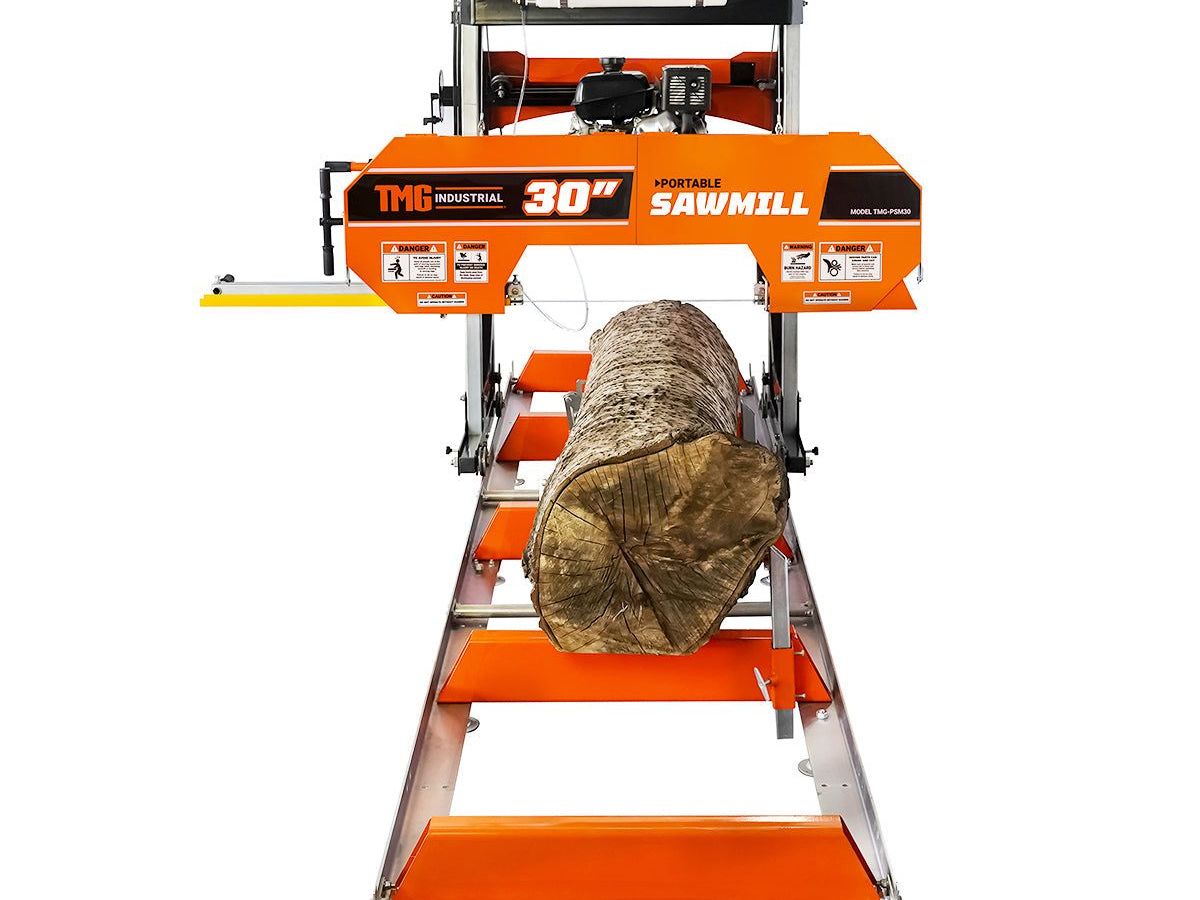
So, picture each log like a puzzle. How you cut it decides how much wood you get out of it. Choosing the right cutting pattern can boost your yield by 15-25%.
Optimizing Lumber Yield
Getting the most lumber from a log is all about technique. Clean those logs first, like seriously, no dirt or metal. It helps your blades last longer and keeps your cuts smooth.
Handling Different Wood Types
Every type of wood acts differently when cut. Some are soft and easy, while others are tough and tricky. Knowing your wood helps you adjust your sawing technique for the best results.
"Every log has a story. Your sawmill helps you discover them, one board at a time."
Remember, whether you’re using a chain saw sawmill for small jobs or a bigger portable sawmill for more extensive work, your approach matters. It’s all about finding the right balance between speed and precision.
Marketing Your Lumber Products
Building a Customer Base
Getting a solid customer base is like building a house—you start with a strong foundation. Word of mouth is your best friend here. Make sure every customer leaves happy and they’ll spread the word. I always keep a photo album of my work. It shows potential clients what I can do.
Pricing Your Products
Pricing lumber isn’t just about numbers. You gotta know what your wood is worth. Check out what others are charging and find your sweet spot. Keep it fair but make sure you’re not shortchanging yourself.
Leveraging Online Platforms
The internet is your best buddy when it comes to reaching more folks. Get your lumber on social media and maybe set up a simple website. Online platforms can help you connect with buyers you wouldn’t meet otherwise. It’s like having a shop that’s open 24/7.
"Your reputation is your best marketing tool. Keep it polished and it will pay off."
Expanding Your Mobile Sawmill Business
Adding Value-Added Services
So, you’ve got your sawmill running smoothly, but now what? Offering additional services can really boost your income. Think about adding custom cutting, drying services, or even project consulting. It’s like turning your sawmill into a one-stop shop for all things wood.
Exploring New Markets
Don’t just stick to the same old markets. Look around for new opportunities. Maybe there’s a demand for specialty woods or custom cuts in your area. Keep an eye out for trends and be ready to jump on them. Exploring new markets can open doors you never knew existed.
Scaling Up Operations
Feeling like you’re ready to take on more? Scaling up can be a big step, but it’s worth it if you’re ready. You might need more equipment or even a bigger team. Plan it out, take it slow, and make sure you’re ready for the extra work. Scaling up is all about timing and preparation.
Expanding a sawmill business isn’t just about cutting more wood. It’s about finding new ways to serve your customers and grow your reach. Whether it’s adding new services, exploring fresh markets, or scaling up your operations, each step is a chance to learn and grow. Keep pushing forward and see where your sawmill can take you.
Success Stories from Mobile Sawmill Owners
Learning from the Pros
So, I was chatting with Eric Fritch about his sawmill adventures. This guy’s been in the game forever, and he’s got some killer tips. He told me how he started small and gradually built his operation. His biggest advice? Just start. Even if you’re clueless at first, you’ll learn as you go.
Overcoming Challenges
Now, let’s talk about those bumps in the road. Every sawmill owner hits them. For me, it was figuring out the right cutting techniques. I remember messing up a whole batch of logs because I had no idea what I was doing. But hey, mistakes are just part of the journey, right?
Innovative Uses of Mobile Sawmills
I met this guy who uses his sawmill for making custom furniture. Talk about thinking outside the box! He sources unique logs and turns them into one-of-a-kind pieces. It got me thinking about all the creative ways you can use a sawmill beyond just cutting lumber.
"Every log has a story, and your sawmill is the tool that helps you tell it."
Looking at these success stories, it’s clear that with a mobile sawmill, the possibilities are endless. Whether you’re a newbie or a seasoned pro, there’s always something new to learn and explore.
Many mobile sawmill owners have turned their dreams into reality, creating successful businesses from their passion for woodworking. These inspiring stories show how they transformed logs into beautiful lumber, making a living while enjoying the great outdoors. If you’re curious about how you can start your own journey, visit our website for more information and resources!
Wrapping It Up: Your Sawmilling Adventure Awaits!
So, there you have it! Starting your journey with a portable sawmill can be super exciting and rewarding. Remember, every expert started just like you, so don’t be afraid to dive in. Keep learning, stay curious, and enjoy the process of turning logs into beautiful lumber. It’s all about finding the right tools that fit your needs and practicing safety while you work. As you get better, you’ll find joy in every piece of wood you cut. Trust me, the feeling of creating something from scratch never gets old. So, grab your sawmill, and let’s get cutting!
Frequently Asked Questions
What is a mobile sawmill?
A mobile sawmill is a machine that cuts logs into lumber right where the trees are. It can be moved to different locations, making it easy to use.
What types of mobile sawmills are there?
There are many types of mobile sawmills, including manual ones that you operate by hand and hydraulic ones that use power to make cutting easier.
What are the benefits of using a mobile sawmill?
Using a mobile sawmill allows you to turn logs into lumber on-site, saving time and transportation costs. It also helps reduce waste by using local trees.
How do I choose the right mobile sawmill?
When selecting a mobile sawmill, consider factors like your budget, the type of wood you’ll be cutting, and how often you plan to use it.
What should I look for in a mobile sawmill brand?
Look for brands with good reviews, reliable customer service, and a warranty. Popular brands often have a strong reputation for quality and support.
What maintenance does a mobile sawmill need?
Regular maintenance includes cleaning the machine, checking the blades, and lubricating moving parts. This helps keep it running smoothly and safely.
How can I find logs for my mobile sawmill?
You can find logs by contacting local tree services, checking classified ads, or networking with other woodworkers and builders in your area.
Can I sell the lumber I make with my mobile sawmill?
Yes, you can sell the lumber you produce. Building a customer base and promoting your products online can help you reach more buyers.