Portable log mills are essential tools for turning raw logs into usable lumber right where the trees are located. They come in various types, from simple manual models to advanced hydraulic systems, making them suitable for both hobbyists and professionals. This article will guide you through everything you need to know about portable log mills, from setting them up to mastering cutting techniques and understanding maintenance.
Key Takeaways
- Portable log mills allow you to make lumber on-site, reducing waste and saving trips to the store.
- Choosing the right location and leveling your mill is crucial for accurate cuts.
- Understanding grain direction helps in making better cuts and avoiding defects in the wood.
- Regular maintenance, like checking oil and cleaning parts, keeps your mill running smoothly.
- Custom cuts can add value to your projects, so keep detailed records of your techniques and results.
Understanding Portable Log Mills
What Makes Them Portable
Alright, so what makes a portable log mill, well, portable? It’s all about the size and weight. These bad boys are designed to be light enough for one or two people to move around. They’re compact, so you can fit them in the back of a truck or trailer. Plus, they often come with wheels or skids, making it easy to drag them to your logging site.
Types of Portable Log Mills
There are a few different types of portable log mills to consider. First up, we’ve got the chainsaw mills. These are the most basic and are great for beginners. Then, there are band saw mills, which are a step up in terms of efficiency and precision. Finally, we have swing blade mills, which are perfect for more complex cuts and larger logs.
Key Features to Look For
When you’re shopping for a portable log mill, there are some key features you want to keep an eye out for. First, check the cutting capacity—you want a mill that can handle the size of logs you plan to cut. Next, look at the power source; some mills are gas-powered, while others are electric. Lastly, consider ease of use and setup time. You don’t want to spend all day getting it ready to go.
Portable log mills have revolutionized how we handle lumber, making it accessible for folks like you and me to turn logs into valuable wood right on-site.
Setting Up Your Portable Log Mill
Choosing the Right Location
Picking the right spot for your mill is like choosing the best seat at a concert. You want it flat and accessible, so you don’t end up wrestling logs up a hill. Flat ground is a must to prevent your mill from wobbling around like a toddler learning to walk.
Leveling and Stabilizing the Mill
Once you’ve got the location, it’s time to level it out. I learned the hard way that a wobbly mill means crooked cuts. Use concrete blocks or adjustable feet to get it stable. Trust me, it’s worth the extra effort to avoid a headache later.
Essential Tools for Setup
You can’t just eyeball this stuff, folks. Make sure you’ve got a good level, a sturdy wrench, and maybe a buddy to help out. A metal detector is a lifesaver to avoid hitting any hidden surprises in the wood.
Setting up a portable log mill isn’t rocket science, but it does need a bit of patience and the right tools. Once you’ve got it all set, you’re on your way to turning those logs into something amazing.
Basic Cutting Techniques
Making the First Cut
Starting your milling adventure? Making that first cut is like opening a bag of chips—once you start, you can’t stop. Make sure your log is secured and your blade is sharp. This is where the magic begins, turning raw logs into usable lumber.
Understanding Grain Direction
Grain direction is like the GPS for your saw. Follow it, and you’ll get smooth, clean cuts. Go against it, and you’re in for a bumpy ride. The grain tells you which way to cut to make your boards look and feel professional.
Safety Tips for Beginners
Safety first, folks! Before you even think about cutting, make sure you’re geared up. Here’s a quick checklist:
- Wear protective eyewear and gloves.
- Keep your workspace clean and organized.
- Never rush a cut—take your time and stay focused.
Advanced Cutting Techniques
Quarter-Sawing for Quality
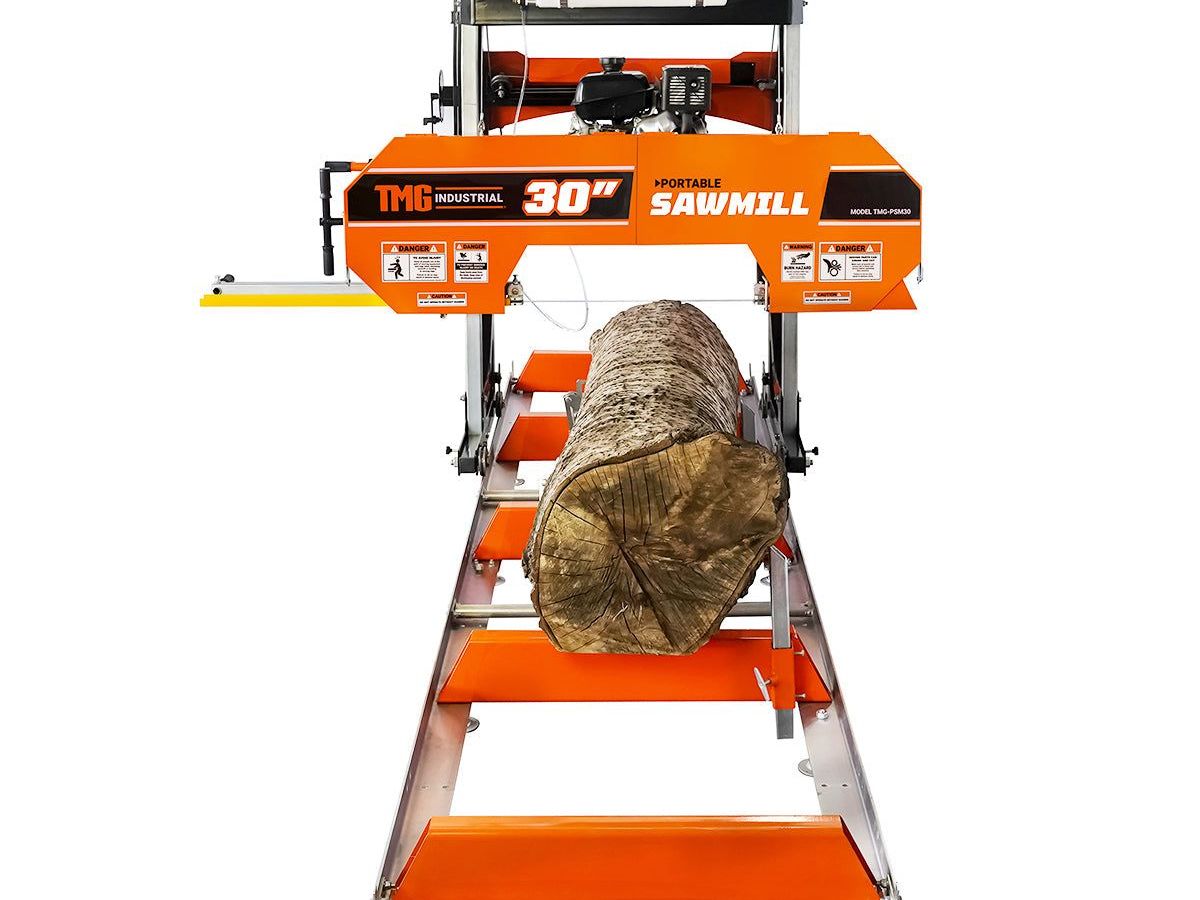
Quarter-sawing is a technique to enhance the wood’s appearance and stability. It involves cutting the log into quarters before slicing boards, which reveals the wood’s grain beautifully. This method is perfect for making lumber that looks great and lasts long.
Creating Custom Cuts
Custom cuts are all about making unique pieces from your logs. You can experiment with different angles and shapes to get the most out of your wood. Keeping records of your cuts helps in repeating successful patterns.
Maximizing Yield from Each Log
Getting the most lumber from a log is all about smart cutting. Plan your cuts to reduce waste and maximize usable wood. Think of each log like a puzzle, and your job is to fit the pieces together perfectly.
Advanced cutting is not just about skill, it’s about understanding your wood and tools. With practice, anyone can master these techniques and turn logs into beautiful, functional lumber.
Maintenance and Troubleshooting
Keeping your portable log mill in top shape is key to getting the most out of it. Regular maintenance keeps things running like a dream. Here’s a quick rundown:
- Check blade tension before each use to avoid any mishaps.
- Clean the tracks after every sawing session to keep everything smooth.
- Lubricate the moving parts weekly so nothing grinds to a halt.
- Change the engine oil every 50 hours to keep it purring.
Sometimes, things go wrong, and that’s okay. Here’s what you might run into:
- Blade not cutting straight? Check the alignment and tension.
- Engine won’t start? Make sure the fuel is fresh and the spark plug is clean.
- Mill vibrating too much? Tighten all bolts and check the leveling.
There are times when DIY just won’t cut it. If you’re stumped by a problem, or if the mill’s just not behaving, it might be time to get some expert help. Don’t hesitate to reach out if you’re unsure—better safe than sorry.
Environmental Considerations
Impact of Weather on Lumber
Weather can mess with your lumber big time. High humidity? It might warp your wood. Cold snaps? They can make cutting harder. So, I always keep an eye on the forecast before getting started. A moisture meter is your best buddy here, helping you keep track of how damp your wood is.
Sustainable Logging Practices
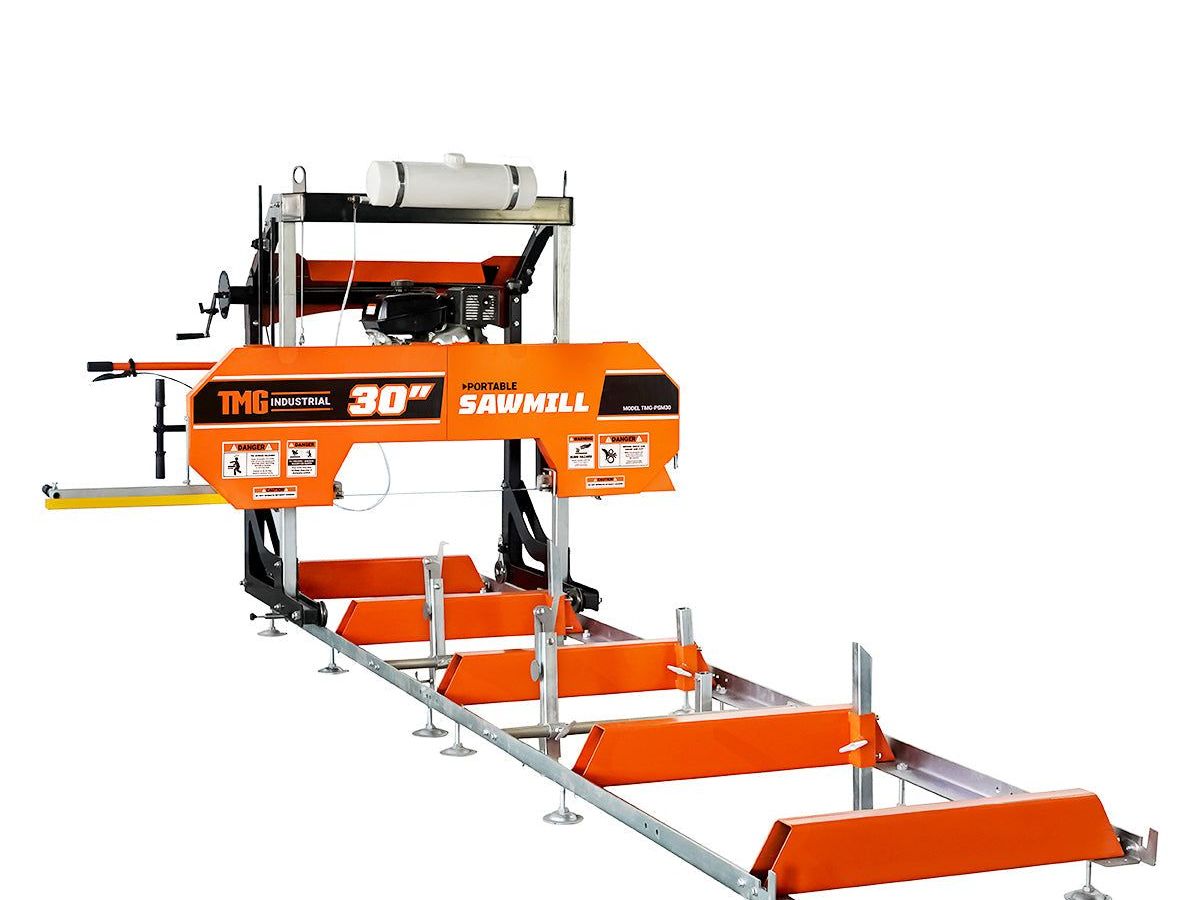
Going green with your logging isn’t just good for the planet; it’s smart for your business too. Using a portable sawmill means you’re cutting down on transport emissions by working right where the trees are. Plus, you get to work with local resources, which is a win-win.
Using a Moisture Meter
I can’t stress enough how handy a moisture meter is. It’s a small investment that saves a ton of headaches. You want your lumber to be just right, usually between 6-8% moisture for top-notch quality. This little gadget ensures you’re on point every time.
Maximizing Efficiency and Productivity
Optimizing Cutting Patterns
Figuring out the best way to cut your logs can really boost your lumber output. It’s like solving a puzzle, where every piece fits just right. The trick is to plan your cuts so you get the most out of each log. Try different patterns and see what works best for your setup.
Reducing Waste
Waste not, want not, right? Make sure you’re using every bit of that log. Check your setup and adjust your cuts so you don’t end up with a pile of scraps. Keeping your blades sharp and your mill well-maintained can also help reduce waste.
Time-Saving Tips
Time is money, especially when you’re milling. Keep your tools handy and organized so you’re not wasting time searching for them. Regular maintenance on your mill can save you from unexpected breakdowns. And hey, if you’re using a multi-function cutter, make sure it’s set up right to save even more time.
Custom Lumber Projects
Designing with Custom Cuts
Crafting custom lumber is all about imagination and precision. The beauty of custom cuts is how they transform ordinary wood into something special. Whether you’re making a rustic table or a sleek bookshelf, the design possibilities are endless. It’s like having a blank canvas and a set of unique brushes.
Popular Custom Lumber Uses
Custom lumber fits into so many projects, it’s hard to pick just a few. From building outdoor furniture to creating bespoke home decor, the applications are vast. Many folks love using custom lumber for accent walls or unique flooring options. It’s all about adding that personal touch to your space.
Pricing Your Custom Lumber
Figuring out how to price your custom lumber can be tricky. You’ll want to consider the time spent, the complexity of the cuts, and the type of wood used. Keep in mind, custom work often commands a premium because of its uniqueness. It’s not just about the material but the craftsmanship involved.
Custom lumber projects let you express creativity while working with your hands. There’s nothing quite like seeing a piece come together from raw wood to finished product.
Buying and Selling Portable Log Mills
Evaluating Used Mills
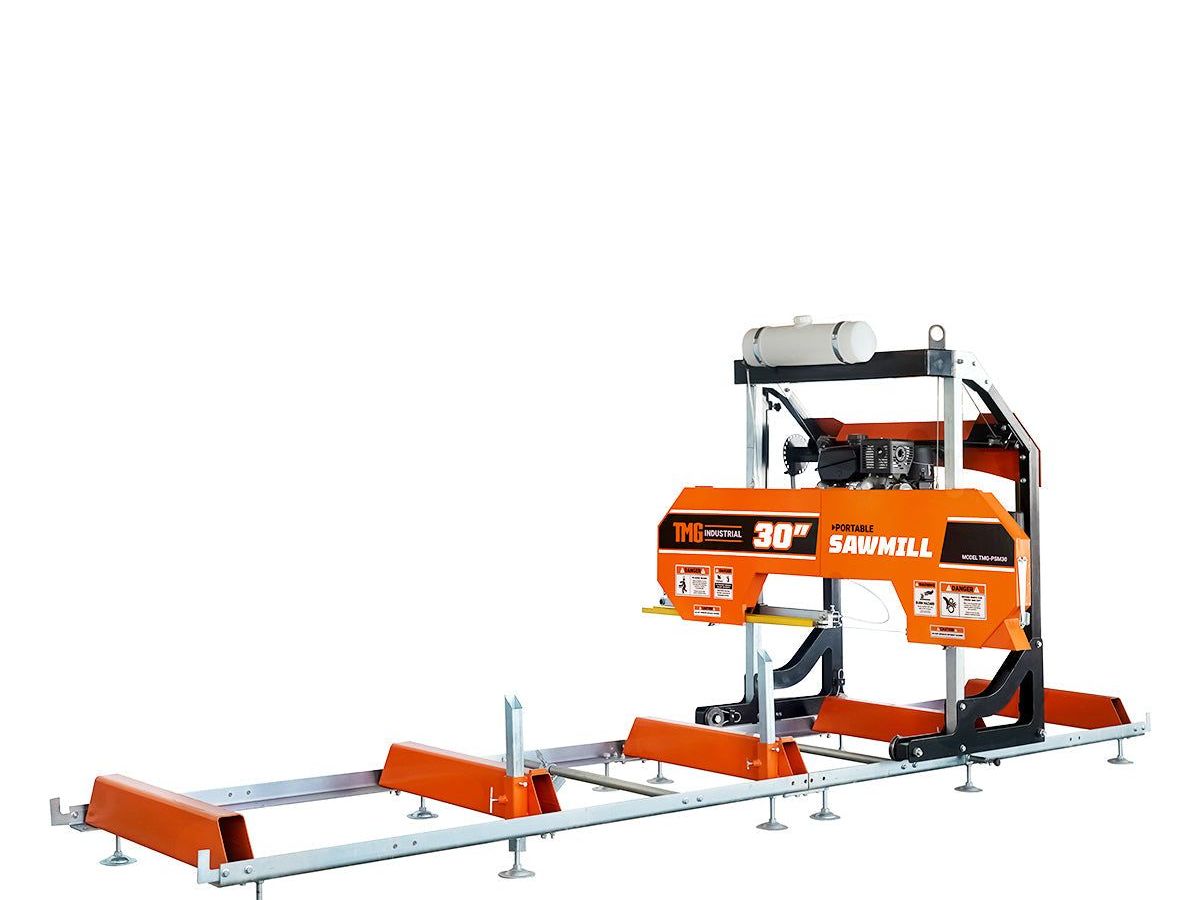
When checking out used portable saw mills for sale, it’s like hunting for a hidden gem. Look for wear and tear, especially on the engine and blade. Test it out if you can—nothing beats seeing it in action. A good deal might need a little TLC, but hey, that’s part of the fun, right?
Understanding Resale Value
Thinking of selling? The resale value of your portable sawmill depends on a few things. Condition, age, and brand play huge roles. Keep it in top shape, and you might just get back what you paid for it. Some portable sawmill brands hold value better than others, so do your homework.
Upgrading Your Equipment
Dreaming of the best portable sawmill for the money? Upgrading can be a game-changer. Newer models often have better features and efficiency. When buying a new mobile saw mill for sale, compare specs and see what fits your needs best. Sometimes, the best portable sawmill is the one that saves you time and effort.
Buying or selling a portable log mill is more than just a transaction; it’s about finding the right fit for your needs and making the most of your investment.
Community and Learning Resources
Joining Sawmill Groups
Getting involved in sawmill groups is a great way to share tips and tricks. You can learn a lot from others who’ve been in the game longer. Whether you’re new or experienced, these groups are goldmines for info.
Attending Workshops and Trade Shows
Workshops and trade shows are where the action is. It’s a chance to see new gear and techniques up close. Plus, you get to meet folks who are just as into sawmilling as you are.
Online Resources and Tutorials
Online resources are super handy when you can’t get out to a workshop. From forums to video tutorials, there’s a ton of stuff to help you out. Sometimes, it’s just easier to watch a quick video than read a manual.
Future Trends in Portable Log Milling
So, tech is really shaking things up in the sawmill world. New gadgets and software are making mills run smoother and faster. Imagine having a smart sawmill that adjusts itself for the best cut every time.
Growing Demand for Local Lumber
People are all about local these days. More folks want lumber that’s been cut nearby, which is great news for small sawmills. It’s like farm-to-table, but for wood.
The Future of Small-Scale Lumber Production
Small mills are getting more popular because they’re flexible and can do custom jobs. Plus, they help reduce waste and are better for the environment. It’s a win-win for everyone.
As we look ahead, portable log milling is set to evolve with exciting new trends. Innovations in technology will make these machines more efficient and user-friendly, allowing more people to create their own lumber right at home. If you’re interested in learning more about these advancements and how they can benefit you, visit our website for the latest updates and products!
Wrapping It Up: Your Journey with Portable Sawmills
So, there you have it! You’ve learned how to turn logs into beautiful lumber right in your backyard. Portable sawmills are not just tools; they’re your ticket to making custom wood pieces that fit your style. Remember, it’s all about practice and keeping your equipment in good shape. Check for maintenance signs, like clean oil and grease, and always be aware of the weather when you’re cutting. As you get better, don’t forget to keep notes on your special cuts and techniques. This will help you grow and maybe even make some extra cash down the line. So grab your sawmill, get out there, and start creating! The world of lumber is waiting for you!
Frequently Asked Questions
What is a portable log mill?
A portable log mill is a machine that cuts logs into lumber right where the trees are. They come in different types, from simple manual ones to advanced hydraulic models.
How do I choose the right location for my log mill?
Pick a flat, stable spot with enough space around it. Make sure there’s easy access to the logs you want to cut.
What are the basic cutting techniques I should know?
Start by making your first cut straight and level. Always check the grain direction of the wood and follow safety tips to avoid accidents.
What should I do for maintenance?
Keep your log mill clean, check oil levels, and look for any wear and tear. Regular maintenance helps your machine work better and last longer.
How can weather affect my lumber?
Temperature and humidity can change how wood dries. It’s best to cut logs soon after they’re down and to check moisture levels regularly.
What should I know about selling my used log mill?
Well-kept log mills hold their value. Keep records of maintenance and repairs, as this can help you get a better price when you sell.
What are some advanced cutting techniques?
Learn about quarter-sawing for high-quality cuts and how to create custom shapes. Knowing how to maximize each log’s yield is also important.
Where can I find more resources to learn?
Join local sawmill groups, attend workshops, and check online tutorials. These can help you connect with experienced sawyers and improve your skills.