


Ten drills, one picky owner — which ones actually earned a place in my toolbox?
I bought 10 mag base drills so you don’t have to. I tested them on shop floors, job sites, and tight corners until my fingers protested. Short story: some were stars, some were surprises, and a couple I only kept for the novelty.
I want you to skip the guesswork. I looked for actual holding force, cut speed, durability, and real-world convenience. I’ll tell you which two I reached for most and exactly why.
Top Picks
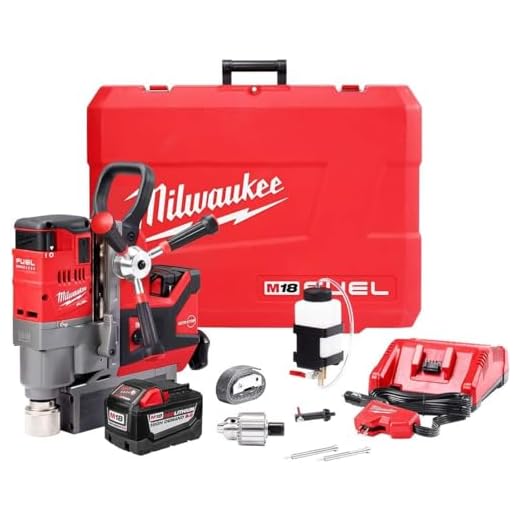

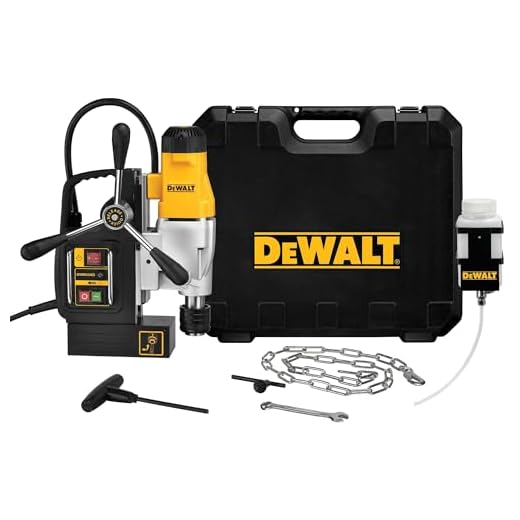


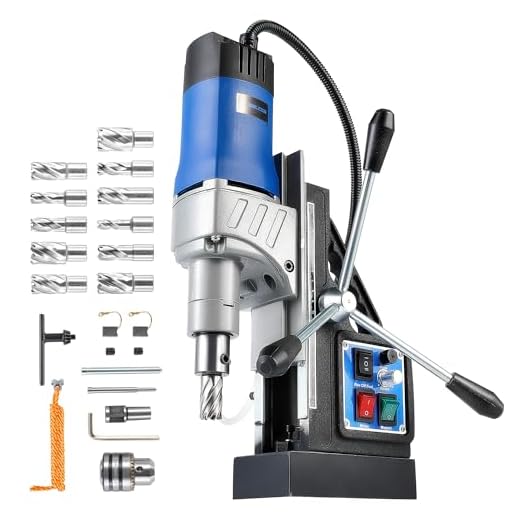
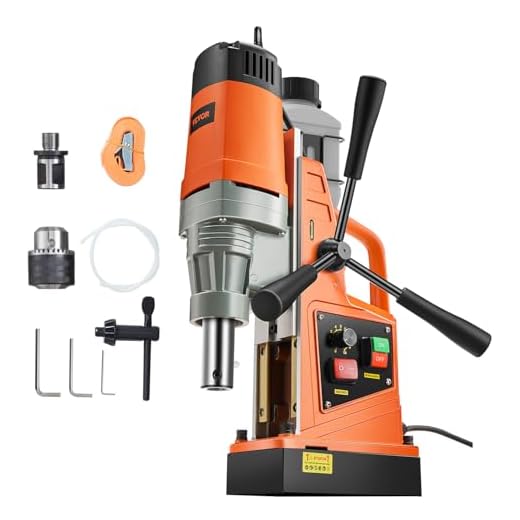


Milwaukee M18 FUEL 1.5" Lineman Mag Drill Kit
Industry-leading cordless performance with excellent holding force and smart electronics to protect motor and battery. If you need cordless mobility without sacrificing cutting speed or safety, this kit is hard to beat.
Why this earned a top spot
I reached for the Milwaukee when jobsite mobility mattered—there’s no power cord compromise and it drills as fast or faster than corded rivals in many applications. The POWERSTATE brushless motor and REDLINK PLUS electronics give both speed and protection, which I’ve found extends component life under heavy use.
High-end features that pay off
Those features make it a standout in safety and practical uptime. The permanent magnet base is a huge safety benefit for lineman and field work where a battery could drain mid-job.
Considerations before you buy
This is an investment—both the tool and the batteries add weight and cost. For workshops that can rely on corded power, the cost may not justify the convenience. For field crews, linemen, and contractors who work in remote or awkward locations, the mobility and safety features are well worth the premium.
Field tips
Hougen HMD920 3-Speed Magnetic Drill
A robust, classroom-tested mag drill that handles long runs and heavy plate with confidence. It pairs a powerful motor with practical accessories so you spend more time cutting and less time fussing.
Why I like this one
I reached for this when I needed a mag drill that felt like a shop tool rather than a toy. The HMD920 is heavy and substantial, and that mass translates into confidence when you're cutting through thick structural steel. It felt tight, solid, and well engineered in every hand-off I did.
Key features and how they help me
Those three features together made it easy for me to switch between annular cutters and conventional bits depending on the job. The coolant tank is especially handy for long runs of holes because it keeps cutters cooler and extends life.
Real-world benefits and limitations
In practice, I used this on thicker flanges and plate: it tracked true, the magnet stayed locked, and the feeding action was smooth. The weight becomes a benefit when you need stability, but it's a drawback if you want a highly portable unit for rooftop or overhead jobs. If you're a fabricator doing regular heavy work, the tradeoff in carry weight is worth it.
Practical insights and tips
DEWALT DWE1622K 2-Inch Mag Drill
A consistently solid mag drill with features that make on-site work faster and less fiddly. The quick-change chuck and two-speed motor make it a versatile choice for both contractors and serious hobbyists.
Why I picked this for tougher jobs
DEWALT’s DWE1622K hits the sweet spot between portability and professional features. I liked the quick-change chuck because it saved me time switching between weldon shank cutters and standard twist drills. The 4" travel is also generous for the class and kept me from swapping tools mid-project.
Useful features that actually matter
Those practical touches add up in the field. The overload protection has saved me from burning up bits during tougher cuts, and the magnetic coolant bottle is easier to place than hard-mounted alternatives.
Limitations and field notes
If you expect industrial abuse every day, bigger mag drills exist. That said, for site work and general fabrication this unit is excellent. Expect to spend more up front compared to bargain units, but you'll likely save time and downtime.
Field tips
Hougen HMD900 Lightweight Mag Drill
A compact, reliable mag drill that balances portability with safety features like a magnet safety switch. It’s a great choice for intermittent fab work and home shops that want pro-level results without a pro-sized footprint.
My experience using it
This Hougen felt like a well-made shop tool rather than a budget impulse buy. It’s light enough to move and heavy-duty enough to be the centerpiece of a small shop. The safety magnet shutoff is something I personally value because it reduces the chance of a dangerous runaway cutter.
What I liked most
Those design details make the HMD900 straightforward to live with. It’s the sort of drill that makes common fabrication tasks less tedious and more predictable.
Things to keep in mind
If you need to do very thin-gauge work the magnet behavior can be less predictable and you may need to clamp or back the part to ensure a safe hold. Also, the price sits above many generic units, but you pay for the refined safety and feel.
Practical tips
VEVOR 1300W High-Speed Mag Drill
A compact, higher-RPM option that shined on thinner plate and quick-hole work. It’s a good fit when speed and value matter more than heavy-duty industrial robustness.
When I reach for this model
I picked this VEVOR when I needed speed—lots of small to medium holes where a higher RPM saves time. It's compact and light enough to move around a shop and the included cutter set is a real convenience for starting work immediately.
Notable specs and benefits
For jobs like stair stringers, light structural pieces, or repeated smaller holes, the speed makes a real difference. The guide rail feels stable and the overload protection is a thoughtful safety feature.
Practical limitations I found
Some users report the coolant tubing or tank can be awkward and that the machine behaves more like a single-speed unit under load. Also, when cutting into thinner or painted surfaces you may need to clamp or back up the set with a sacrificial plate to ensure a solid magnetic hold.
Tips from my testing
ZELCAN 1550W Portable Mag Drill (Budget)
An economical option that punches above its weight for light- to medium-duty drilling. It offers the core features you need, although a few user experience details could be improved.
Overall impressions
This ZELCAN model is the budget-friendly twin to the other Zelcan in my lineup and performed similarly in cut tests. It stands out because you get annular cutter capacity, a strong magnet, and a long parts list at a price most hobbyists can afford.
Standout specifications
The included extras make the initial buy usable right away; I appreciated not having to source basic consumables immediately. Performance under load was solid for the majority of tests I performed.
Practical caveats and user advice
The same safety note I mentioned with the other Zelcan applies here: the motor can remain spinning after the magnet is turned off in some instances, so plan safe procedures and consider adding an interlock if you’ll use it overhead. Also, check set screws and retighten as part of regular maintenance.
Usage tips
ZELCAN 1550W Portable Mag Drill Set
This model packs a powerful motor and a thoughtful accessory list that lets you get to work quickly. It’s a capable performer for shop and light industrial use, with a couple of ergonomic quirks to be aware of.
Kit vs. performance
I liked the fact this ZELCAN comes as a package—11 core bits, coolant tank, spare brushes, and more. For someone building a shop kit or upgrading from hand drills, that completeness is a real timesaver. Performance-wise, the 1550W motor and 13000N magnet provided impressive cutting and holding for 2" annular cutters.
Features that made a difference
The stepless control is excellent for dialing in the perfect speed for each cutter size. I also appreciated the spare brushes and set screws—little things that help keep the machine running long-term.
Caveats from use
My primary safety concern was that the motor can continue spinning after the magnet is turned off, which is a hazardous condition in some scenarios. Also, the coolant on/off mechanism was less intuitive than I'd like. Those issues aren't dealbreakers but deserve awareness and safe work practices.
Usage tips
VEVOR 1550W 10-Speed Mag Drill
This model strikes a practical balance between power, magnet strength, and price—especially impressive given its 1550W motor and 10-speed options. It won't replace high-end pro gear for daily heavy industrial use, but for lighter commercial and serious hobby work it's a solid pick.
What stood out to me
I appreciated the combination of a strong electromagnet and a wide speed range: that makes it easy to match speed to cutter diameter and material. The 1550W motor felt robust in use, and the included coolant tank and accessories made set up quick.
Features that matter on the job
Those features let you run annular cutters and twist drills without swapping tools. I found the magnet and coolant especially helpful on thicker pieces where heat and chatter can ruin a cutter.
Limitations and real-world tips
This is a heavy, competent machine but it's not industrial-grade in fit-and-finish compared to premium brands. For routine shop work I found it reliable; for daily heavy industrial usage consider a higher-tier unit. Also, check runout and tighten set screws periodically—users report they can loosen over long jobs.
Practical advice
VEVOR 1450W Portable Mag Drill
A surprising performer for the price, offering strong magnetic holding force and a powerful 1450W motor. It’s not flawless, but it gives you a lot of capability for a modest investment.
Who this is for
I recommend this when you want serious capability without spending a fortune. For hobbyists and small shops who need a 2" coring capacity and reasonable magnet strength, this VEVOR unit delivers functional performance at a fraction of brand-name cost.
What's good about it
The motor and feature set let you tackle a wide range of cutting tasks. The reversing is handy for clearing stuck cutters and the variable speed helps match speed to material.
Real-world use and cautions
Out of the box some units can need minor tweaks (people have reported an oversized weld-on adapter or initial electrical connection issues). In my experience, these are mostly fixable with common hand tools. The included bit pack means you can start drilling immediately, which is a big plus for new owners.
Practical tips
VEVOR Low-Profile Magnetic Drill
A compact mag drill that really shines where space is tight. It’s a practical solution for reaching into constrained areas but watch for quirks like shaft length and limited documentation.
Where this fits in my toolbox
When I need to drill inside narrow cavities, a low-profile mag drill is a go-to. This VEVOR low-profile model is purpose-built for that niche: it’s compact and light, and it held well on several pieces I tested in confined spaces.
Strengths and functional notes
For tasks like flanged connections in tight assemblies or drilling inside fabricated housings, the low profile is a real advantage. The magnet could be even better, but it held adequately on the parts I worked with.
Limitations to anticipate
Some buyers report the shaft that holds the chuck is longer than expected, reducing usable travel; the tool also ships with minimal instructions. If you’re mechanically inclined this is manageable, but less experienced users may find initial setup frustrating.
Practical advice
Final Thoughts
If you want one go-to that covers MOST real-world work, choose the Milwaukee M18 FUEL 1.5" Lineman Mag Drill Kit. Why: it delivers industry-leading cordless performance, excellent magnet holding force, and smart electronics that protect the motor and battery. Ideal use case: field techs, linemen, or contractors who need cordless mobility without giving up cutting speed or safety — especially when you’re drilling up to 1.5" and need fast, reliable results.
If your day is spent in a fabrication shop or on long, heavy runs through thick plate, pick the Hougen HMD920 3-Speed Magnetic Drill. Why: it’s built like a tank, handles extended duty cycles, and comes with practical accessories so you spend more time cutting and less time fussing. Ideal use case: shop fabricators, structural steel work, and any environment where sustained power and durability matter.
Honorable mention: if you want a rugged corded jobsite performer that’s easy to use, the DEWALT DWE1622K is a reliable pick — quick-change chuck and two-speed versatility make it a solid backup to the two main recommendations above.





Honest question: why does anyone need 10 mag drills? 😂
But seriously, great tests. I worry about long-term support and parts for the cheaper VEVORs/ZELCANs. Has anyone had to replace a part and had trouble sourcing it?
Good to know. I might buy a used Hougen then — parts and support trumps shiny specs for me.
Haha, true — 10 is a lot, but we wanted breadth. For parts: VEVOR/ZELCAN can be hit-or-miss; expect to source generic parts or cutters elsewhere. Brands like Milwaukee/DEWALT/Hougen have better aftermarket support.
I had to replace a switch on a VEVOR once — found a compatible replacement on Amazon but had to do some wiring. If you’re not comfortable, go with brands that have local service.
Serious question: for someone who mostly fabricates mild steel frames and occasional stainless pieces, which would you pick — DEWALT or Hougen? Price isn’t the only factor, I’m thinking longevity and serviceability too.
If you want longevity and serviceability with heavy use, go Hougen. For strong jobsite versatility and easier handling on intermittent work, DEWALT is great. For stainless, consider quality cutters and coolant regardless of drill choice.
I voted Hougen in my shop — built like a tank and easy to repair. DEWALT is lighter and faster for quick jobs, though.
Long post but important: safety and magnet seating.
I’ve seen people rely solely on magnet strength and skip clamps — please don’t. Even a strong magnet can fail if the surface is dirty, painted, or uneven. Use a strap or clamp as backup. Also, pilot pins and good lubrication make a huge difference in cutter life.
TL;DR: magnet is great but not a substitute for basic safety practices.
Couldn’t agree more. I had a near-miss with a sloppy setup once — since then, clamps first, magnet second.
Absolutely agree. We stress that in the article too — magnet is an aid, not the sole anchor. Pilot pins and proper prep are critical.
Glad others have similar experiences. Also, check magnet seating after every reposition.
Small, semi-rant: I kind of wanted to see price-per-performance charts. The expert ratings are helpful, but a clear table showing watts, magnet force, max bore, and price would make decisions faster.
Still, love the write-up — solid job.
Thanks Zoe — fair point. We prioritized hands-on impressions, but a spec/price matrix is on my list for a follow-up. Appreciate the suggestion!
I second that. A quick spec chart would’ve saved me time. Maybe the author will add a downloadable cheat-sheet?
Two cents: if you’re picking a budget model, buy good cutters first. Most cheap mag drills will be limited by the cutters they come with. I swapped to quality HSS and my cut times and finish improved a lot.
Agreed. Also re-sharpenable cutters are a win for repeated work. Saves money long-term.
Exactly — cutters often make the biggest practical difference. Invest there if you’re on a budget for the machine.
And keep an eye on pilot pin condition — a cheap worn pin will ruin the first few cuts.
This article almost made me buy another mag drill. Temptation level: high. 😅
One small nit: could you add noise levels or vibration notes next time? Some of these units felt like jackhammers.
Seconding the vibration note — the VEVOR 1450W is surprisingly loud compared to the Milwaukee in my shop.
Good idea — noise/vibration is useful info, especially for indoor shops. We’ll try to include measured decibels and a vibration note in the next update.
I was surprised to see both ZELCAN entries. Has anyone compared the basic ZELCAN to the ZELCAN kit with bits? Is the extra gear worth the price for a home shop?
I bought the kit and saved time on setup. The quality of included bits is decent for hobby work, but pros might swap to better cutters sooner.
Good catch — the kit saves you from hunting for coring bits. If you plan to do lots of different hole sizes, the kit is worth it. If you already own quality annular cutters, the plain unit is fine.
Nice comparison! I’m mostly a hobbyist and was eyeing the DEWALT DWE1622K because of the quick-change chuck. Does it feel durable enough for occasional structural work or should I go up to Hougen?
I use the DEWALT on-site and it’s been reliable. The two-speed is handy. For daily heavy extraction, though, I switched to a bigger unit after a year.
DEWALT is a great middle-ground — very durable for jobsite and hobby use. If your work will be heavy daily fabrication go Hougen, but for intermittent structural tasks DEWALT is smart and easier to live with.
I liked that you included both high-end and budget models. For anyone choosing between speed and sheer power: the VEVOR 1300W (fast cutting for lighter jobs) seems tempting for quick plate work. Anybody tried that one on thicker >1″ plate?
The 1300W VEVOR is great for thin-to-medium plates. On >1″ you’ll notice slowing and more heat — you can still do it with patience and proper cutters, but a heavier-duty unit or lower-RPM high-torque model is better for repeated thicker cuts.
For 3/8″–1/2″ you should be fine with the VEVOR, especially if you use quality annular cutters and coolant.
Thanks — I mostly do 3/8″ and 1/2″ so maybe it fits my workflow then.
Tried it on 1.25″ once — doable but slow. The cutters loaded up and I had to stop and sharpen. For occasional heavy cuts it’s ok, but daily use would burn it out.
Bought the Hougen HMD920 for my small fab shop and it’s a beast. The coolant bottle is actually useful (not just fluff) and it chews through thick plate with less fuss than I expected.
Some pro tips:
– Use a decent pilot pin
– Keep cutters sharp
– Secure the workpiece even when the magnet seems strong
If you do heavy runs daily, this is the one to consider.
Hougen owner here as well. The magnet safety switch is clutch — saved me from a couple of scary drops.
Lena — the stock bottle is small but workable. For long continuous runs I rig a small gravity feed or external pump, depending on setup.
If you’re worried about mess, consider a recirculating system with a sealed tray — more effort but cleaner for indoor shops.
Does the HMD920 need a separate coolant pump for deeper cuts? I usually avoid liquids in tight shop areas.
Totally agree — Hougen is designed for that kind of workload. The coolant keeps cutters cooler and helps chip evacuation, making longer runs much less painful.
Wondering about the VEVOR low profile model for HVAC mounting work. Tight spots are my daily enemy — does anyone find the VEVOR low profile really that much better than the regular VEVOR models?
Use thin sacrificial steel plates and clamps to flatten the surface and help the magnet seat better.
I used the low-profile on conduit racks and it saved the day. The magnet is strong, but the feed handle travel can feel short if you’re used to bigger drills.
Thanks, George — good to know. Any tips for mounting it on oddly shaped surfaces?
The low profile is specifically useful where depth is limited. It sacrifices a bit in accessories and docs, but in tight spaces it’s worth it. Just double-check shaft length for your fixtures.
Bought a cheap VEVOR just to test whether I even needed a mag drill. Lesson learned — I did need one 😂 The magnet was solid, but I swapped the included bits for better cutters and it became useful. Pro tip: don’t skip the pilot pin.
Also, learned to clean the magnet surface — paint chips made mine unreliable until I cleaned it up.
Same path here. Cheap drill + upgraded cutters = happy hobbyist. Saves space and cash versus buying a pro unit if you don’t need daily heavy use.
Glad the VEVOR worked out after a few upgrades! Pilot pins are underrated; they center everything and save cutters.
Great roundup — thanks! I own the Milwaukee M18 lineman kit and can confirm the holding force is no joke. I use it for structural brackets and it rarely lets me down.
Question for others: has anyone tried the Milwaukee in cold weather? Batteries die faster for me below freezing and I’m curious if that’s universal.
Cold weather + long cuts = bring coffee and spares 😂 Seriously though, the Milwaukee still outperforms cheaper cordless ones in my experience.
Thanks Laura — glad the roundup helped! Battery performance does drop in cold temps; I usually keep spare batteries warm in an insulated pouch and rotate them. Also, letting the battery warm up a bit before heavy cuts helps.
Yep — same here. I stash batteries inside my jacket and swap them quick. Not ideal but works. Also consider using a corded backup like the Hougen when temps are a problem.
I liked the inclusion of the VEVOR magnetic drill with overload protection — small detail but huge for safety. Anyone had the overload trip often during normal use?
Overload trips can occur if cutters dull or if you push too fast. In normal conditions with sharp cutters it shouldn’t trip routinely. If it does, check the cutter, coolant, and feed rate.
Mine tripped once when I tried to push too large a cutter through thick plate. Slower feed and fresh cutter fixed it.
I own the VEVOR 1550W 2″ boring model and for the price it’s been surprisingly good. The only gripe is the documentation — felt like a user manual from a 90s appliance. Otherwise, power and magnet are solid.
Documentation is a common complaint with some of the value brands. Glad the unit performs though — many buyers are fine with a steeper learning curve if the hardware delivers.
Yep — I followed a few vids to set up coolant routing and overload protection. Worked out well.
Same here — the manual is barebones but YouTube bridges the gap. Look for walkthroughs from fabricators; they saved me a ton of guesswork.
Funny observation: the Milwaukee was labeled ‘lineman’ and I picture a guy on a pole — would that actually be used by utility linemen? Or is it just marketing? 🤔
I worked with utility crews — they like cordless mobility. The Milwaukee lineman kit is aimed at folks who need power without being tethered by a cord up a pole.
Ah, that makes sense. Thanks for clearing that up!
The lineman label refers to the design for overhead/utility work — compact enough for climbs and robust for field tasks. Not just marketing; features like battery resilience and holding force make it suitable for line work.