When it comes to using a portable sawmill, knowing how to get the most out of your machine can make a big difference. Whether you’re a hobbyist or running a small business, these tips can help you improve your sawmill’s performance, save time, and produce better lumber. Here’s a quick guide on how to maximize your portable sawmill’s capabilities.
Key Takeaways
- Choose the best portable sawmill based on your needs and budget.
- Ensure a level setup for accurate cuts and better results.
- Keep logs clean to extend blade life and improve lumber quality.
- Plan your cutting patterns carefully to maximize yield.
- Regular maintenance is essential for a long-lasting sawmill.
Choosing the Best Portable Sawmill for Your Needs
Understanding Different Types of Sawmills
So, you’re thinking about getting a portable sawmill, huh? Well, there are a few types to pick from. Manual mills are great if you’re just starting out or on a budget. You gotta do everything by hand, but they get the job done. Then there’s hydraulic mills, which are like the middle child. They use hydraulic power, making the job easier and quicker. Finally, you have fully automated mills. These are top-of-the-line, perfect for folks who need to churn out a lot of lumber.
Key Features to Look For
When you’re on the hunt for the best portable sawmill, there are a few features you shouldn’t miss. Engine power is crucial. Most sawmills have gas engines ranging from 7 to 25 HP. Then there’s the cutting capacity. Make sure the mill can handle the size of logs you plan to cut. Don’t forget about portability, too. If it’s a pain to move, it might not be the "portable" sawmill you’re dreaming of.
Budget Considerations
Let’s talk money without mentioning prices. You gotta think about what you’re willing to spend. If you’re just getting into the game, maybe start with a manual mill. They’re usually cheaper. But if you’re looking at a long-term investment, it might be worth saving up for a hydraulic or automated mill. Remember, the best portable sawmill for the money is the one that fits your needs without breaking the bank.
"Choosing the right sawmill is like picking the right pair of boots. It needs to fit well, be comfortable, and get the job done without giving you blisters."
Setting Up Your Portable Sawmill Like a Pro
Importance of a Level Foundation
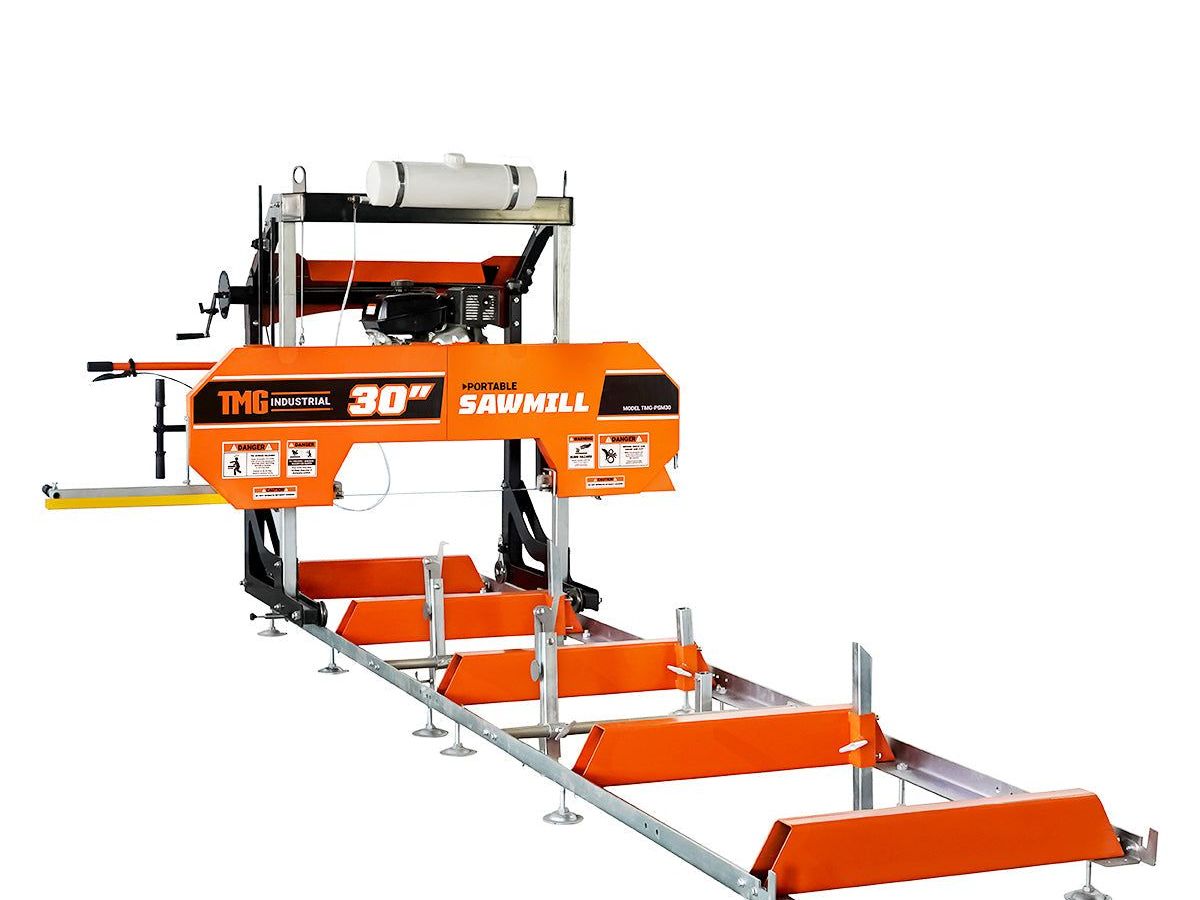
Setting up your sawmill on a flat surface is a game-changer. I learned the hard way when my cuts were all wonky because my setup was on uneven ground. A level base can boost your cutting accuracy big time. Think concrete blocks or adjustable feet to get things right.
Tools for Accurate Setup
Getting the right tools makes setup way easier. You’ll need a good level, some sturdy blocks, and maybe a few adjustable feet. Don’t forget a tape measure and a wrench set. These will save you a ton of hassle.
Common Setup Mistakes
I’ve been there, done that with setup blunders. Here are a few things to watch out for:
- Skipping the level check – don’t do it.
- Not securing the mill properly – it can shift and mess up your cuts.
- Ignoring the manual – always double-check it.
Setting up your sawmill right the first time can save you from a lot of headaches later. Trust me, it’s worth taking the time to do it right.
Mastering the Art of Log Preparation
Why Clean Logs Matter
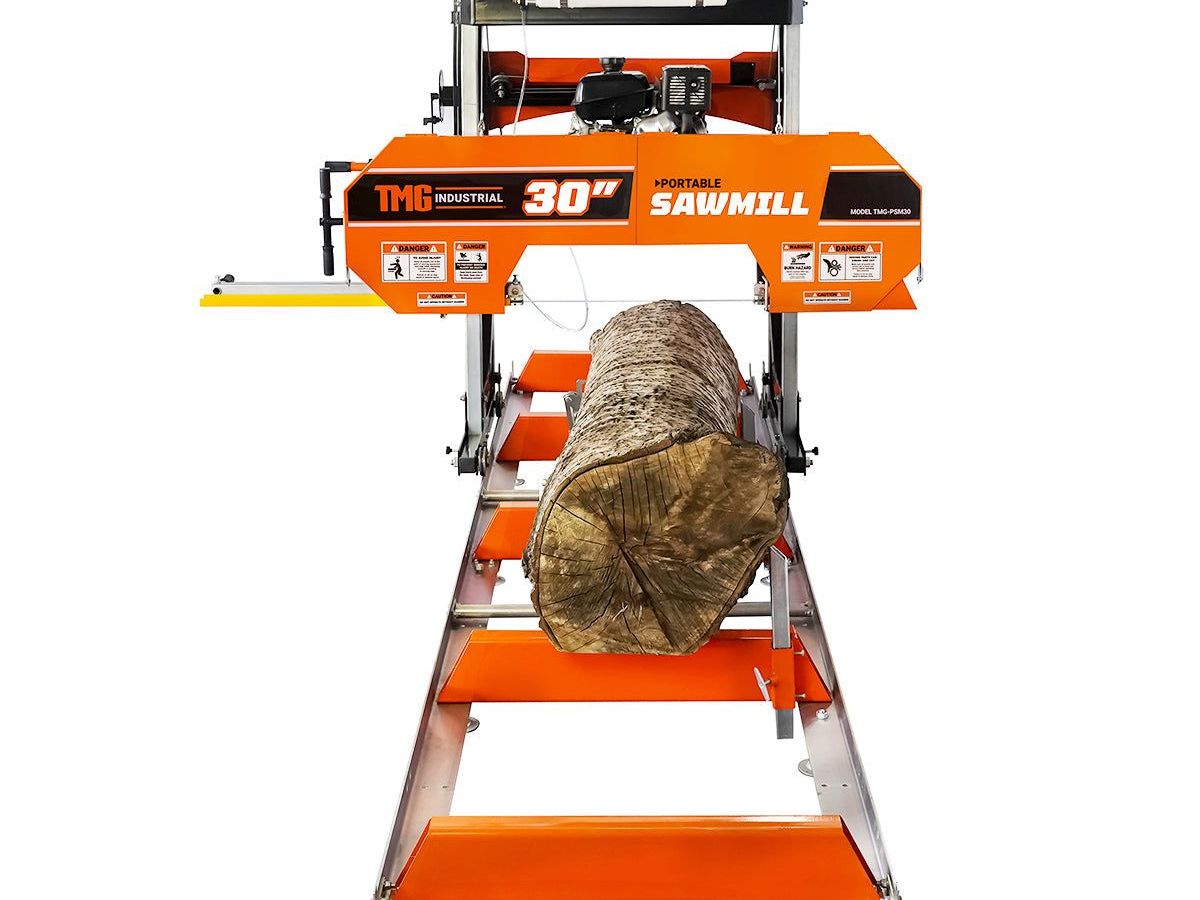
Keeping your logs clean is like giving your sawmill a gift. Dirt and debris can mess up your blades, and nobody wants that. Cleaner logs mean smoother cuts and longer blade life. So, grab a brush and get scrubbing before you start sawing.
Tools for Effective Log Cleaning
You don’t need a fancy setup to clean logs. A stiff brush, a good hose, and a metal detector are your best friends. Check for rocks and metal bits because they’ll wreck your day if you miss them.
Avoiding Metal and Rocks
Here’s the deal: metal and rocks are your worst enemies. They can turn a perfect log into a nightmare. Always check before you cut. A quick scan with a metal detector can save you from replacing expensive blades.
Optimizing Cutting Patterns for Maximum Yield
Understanding Cutting Patterns
So, cutting patterns are like the secret sauce in lumber production. Think of it like this: each log’s got its own puzzle to solve. Getting the pattern right means more wood, less waste. I’ve learned that a good pattern can boost your yield by 15-25%. Not bad, huh?
Tools to Help Plan Your Cuts
Planning your cuts can be a bit of a brain teaser, but there are tools to make it easier. Here’s what I use:
- Log Scales: These help estimate the volume of lumber you can get from a log.
- Cutting Pattern Software: Some apps can visualize the cuts before you even start.
- Measuring Tapes and Squares: Old school, but they keep things precise.
Common Mistakes in Cutting Patterns
I’ve messed up my fair share of logs, trust me. Here are some mistakes to dodge:
- Ignoring the Log’s Shape: Logs aren’t perfect cylinders, so plan for their quirks.
- Skipping the Measurements: Measure twice, cut once. Seriously.
- Overlooking Grain Direction: This can mess up the quality of your lumber.
Getting the most out of each log isn’t just about the sawmill’s power. It’s about the strategy you use to cut. Every mistake teaches you something new, so don’t sweat it too much if things go sideways.
Maintaining Your Portable Sawmill for Longevity
Keeping your sawmill in top shape is a daily thing. Every day, give it a quick once-over. Check for any loose bolts or unusual noises. Wipe down the machine to get rid of sawdust and moisture. This little routine helps prevent rust and keeps everything running smoothly.
Once a week, take a closer look. Inspect the belts and blades for wear and tear. Every month, give the engine a more detailed check-up. Change the oil and clean the air filter. These regular checks can save you from bigger problems down the line.
Listen to your sawmill. If it starts making weird sounds or if the cuts aren’t as clean, something’s up. Look out for uneven boards or if the blade seems to wander. These are signs that your sawmill needs some love. Don’t ignore them, or you’ll end up with a bigger mess to fix later.
Troubleshooting Common Sawmill Issues
Dealing with Blade Wandering
So, your sawmill blade’s gone rogue, huh? It starts cutting all wonky, and you’re left with a mess instead of neat lumber. This usually happens because of a few things:
- Your blade tension is off.
- The blade’s dull.
- The log support ain’t even.
- You’re feeding the wood too fast.
To fix it, get that tension right. Use a tension meter if you gotta. Keep a few spare blades around and swap ’em out before they dull out.
Fixing Inconsistent Board Thickness
Nothing’s more annoying than cutting and finding your boards are all over the place in thickness. I used to pull my hair out over this. Turns out, it’s usually because:
- Your track’s not aligned right.
- The blade guides need adjusting.
- Or they’re just worn out.
A laser level can be your best buddy here. It helps make sure everything’s straight as an arrow.
Other Common Problems
Sawmills can throw other curveballs your way. Stuff like:
- The engine not starting.
- Weird noises during cuts.
- Vibrations that shake everything up.
Usually, it’s about keeping up with regular maintenance. Tighten those bolts, check the oil, and keep everything clean. Trust me, a little TLC goes a long way in keeping your sawmill running smooth.
Enhancing Sawmill Efficiency with Accessories
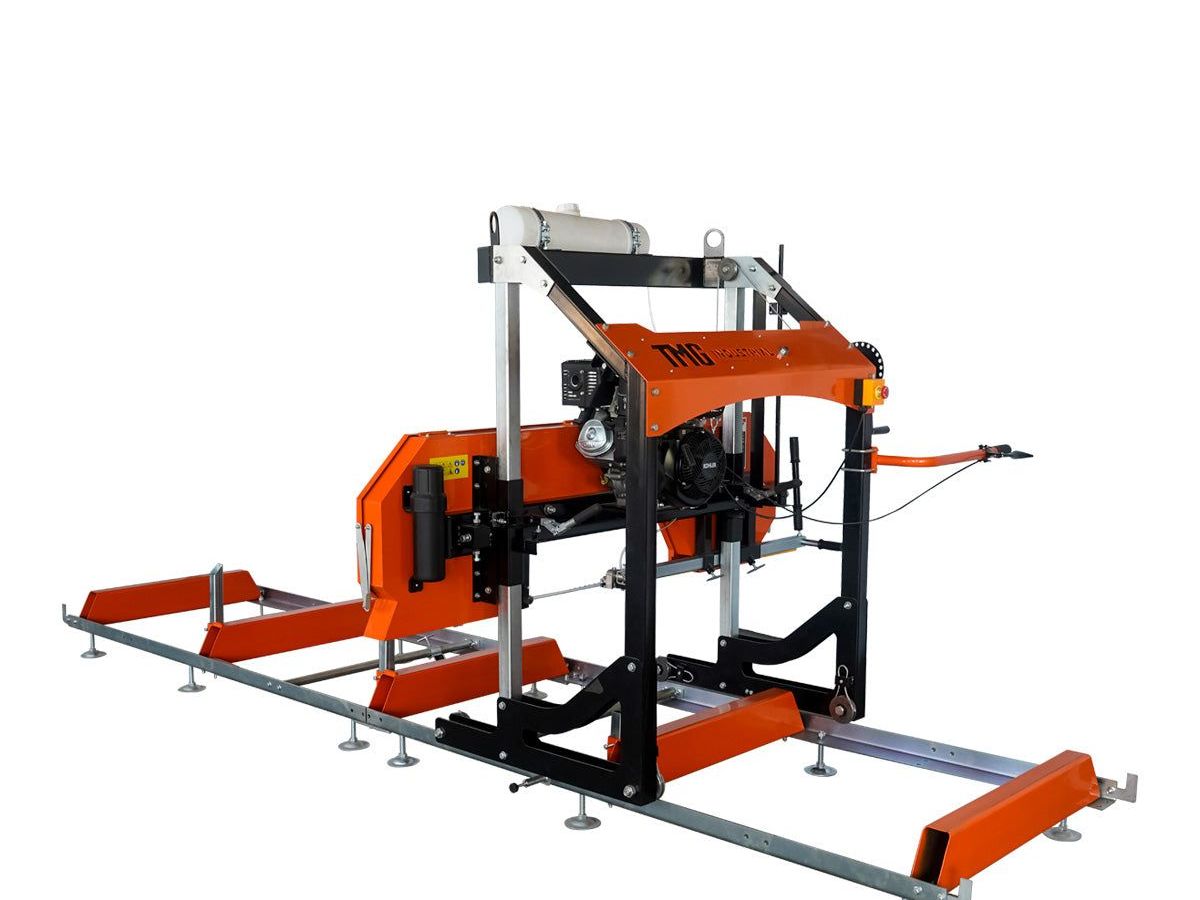
Adding the right accessories to your sawmill can make a huge difference. Things like log ramps and loading arms save your back and speed up the whole process. A blade sharpener is a game-changer—keeps your cuts clean and precise.
If you want to boost your sawmill’s performance, consider optional upgrades. You could add a debarker to remove bark before cutting, which helps keep blades sharp longer. Hydraulic log turners are also handy for flipping logs without breaking a sweat.
Sometimes making your own accessories is the way to go. Crafting a simple log deck can help organize your workspace. Building a custom blade guard could add an extra layer of safety. A homemade sawdust collection system might keep your area tidier and reduce cleanup time.
Accessories can transform your sawmill into a more efficient machine, saving time and effort while improving the quality of your lumber.
Safety Tips for Operating a Portable Sawmill
Essential Safety Gear
Before you even think about turning on that portable sawmill, make sure you’re geared up. Safety glasses are a must to protect your eyes from flying debris. Don’t forget ear protection because these machines are loud. And, of course, steel-toed boots are non-negotiable to keep your feet safe.
Safe Operating Practices
Running a portable sawmill isn’t just about cutting wood; it’s about doing it safely. Always keep your work area clean and free of clutter. Make sure all guards are in place before you start. Never operate the sawmill when you’re tired or under the influence of anything.
Emergency Procedures
You gotta have a plan for when things go sideways. Know where the emergency stop button is and how to use it. Keep a first aid kit nearby, just in case. It’s also smart to have a phone handy to call for help if needed.
Safety isn’t just a checklist—it’s a mindset. Always stay alert and aware of your surroundings when working with heavy machinery.
Real-World Tips from Experienced Sawmill Owners
Lessons Learned from the Pros
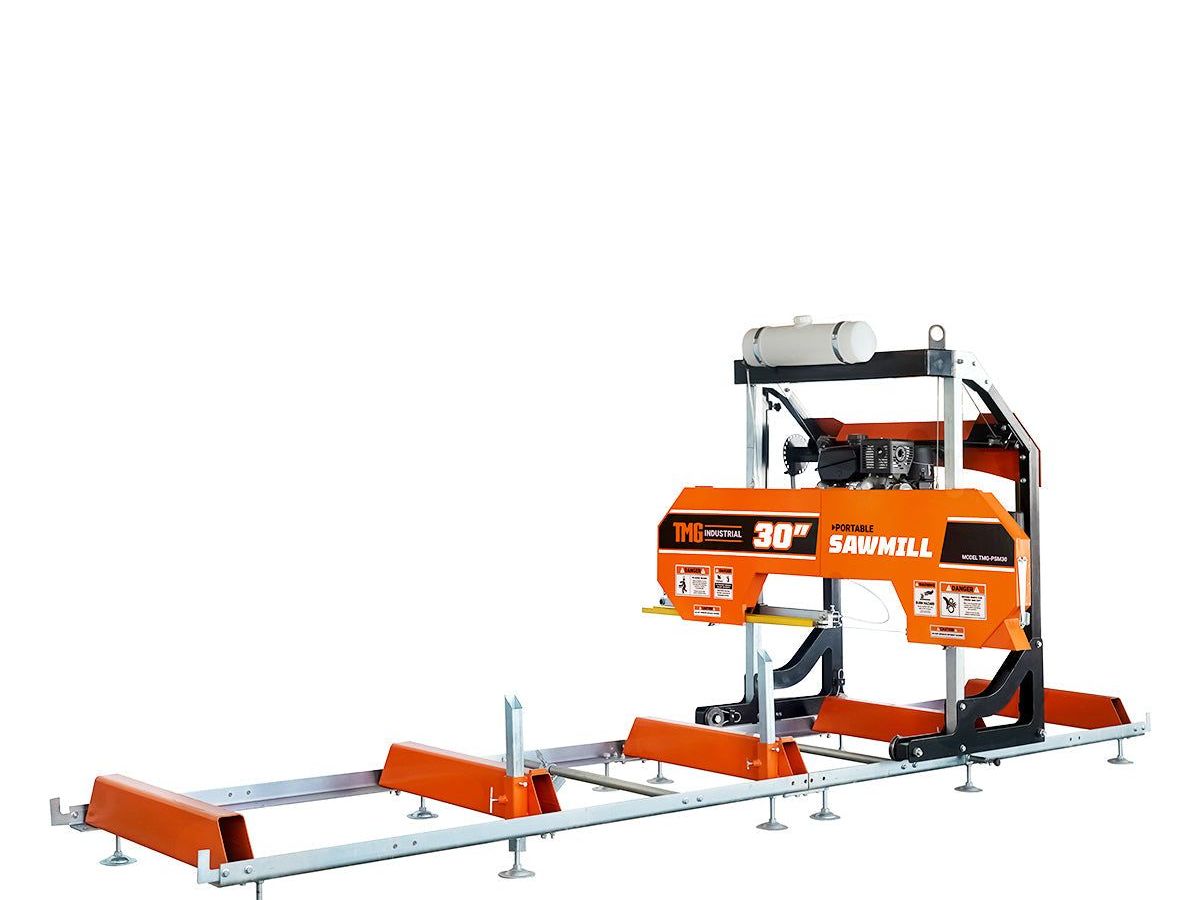
Running a sawmill is a mix of art and science, and I’ve learned a ton from seasoned pros. First off, always keep your blades sharp. It sounds basic, but dull blades mess up your cuts and waste wood. Another tip? Build relationships with local log suppliers. Knowing where your wood comes from can save you time and money.
Common Beginner Mistakes
When I started, I made every rookie mistake in the book. I didn’t level my mill properly, and my cuts were all over the place. It’s crucial to set up on a flat surface. Also, don’t rush. Take your time measuring and planning each cut to avoid wasting lumber.
Tips for Improving Productivity
Want to boost your sawmill’s output? Organize your workspace. Keep your tools and logs within easy reach to reduce downtime. I also recommend planning your cuts in advance. Think of each log as a puzzle and figure out how to get the most pieces out of it. Efficiency is key to getting the most out of your sawmill.
Understanding the Economics of Sawmill Ownership
Owning a portable sawmill isn’t just about cutting logs; it’s about making your investment work for you. Most sawmill owners see their investment pay off within a year or two of regular use. This quick return is a big deal for folks using their mill consistently.
Cost-Saving Tips
Running a sawmill efficiently means keeping an eye on costs. I track everything from fuel bills to blade wear. A simple spreadsheet can show you where to save. Little changes add up, like maintaining your equipment to avoid costly repairs.
When to Upgrade Your Equipment
Knowing when to upgrade is crucial. If your mill’s struggling with demand, it might be time for a bigger or better model. Sometimes, investing in a more efficient sawmill can save money in the long run by reducing waste and increasing output.
Owning a sawmill is about more than just cutting wood; it’s about smart business decisions and understanding the economics behind it. Keep learning and adapting to make the most out of your investment.
Owning a sawmill can be a smart choice for those looking to turn timber into profit. It allows you to create your own lumber, saving money and giving you control over your materials. If you’re curious about how to get started or want to learn more about the benefits of sawmill ownership, visit our website for helpful resources and tips!
Wrapping It Up: Your Sawmill Journey
So, there you have it! Using a portable sawmill can be a game-changer for anyone looking to turn logs into lumber. Remember, it’s not just about having the best equipment; your skills and setup matter just as much. Keep your logs clean, set up on a solid base, and always check your blade. With these tips, you’ll be on your way to making great cuts and getting the most out of your sawmill. Happy milling!
Frequently Asked Questions
What is a portable sawmill?
A portable sawmill is a machine that cuts logs into lumber right where the trees are. They come in many types, from simple manual ones to more advanced hydraulic models.
How much do portable sawmills cost?
Prices for portable sawmills can vary widely. Basic models start around $3,000, while professional ones can cost over $12,000.
What size logs can a portable sawmill handle?
Most portable sawmills can cut logs up to 36 inches in diameter, but this can vary based on the model.
How do I maintain my portable sawmill?
Regular maintenance is key. Check the blade tension daily, clean sawdust buildup, and inspect belts and guides weekly.
Can one person operate a portable sawmill?
Yes, one person can operate a portable sawmill, but having a helper can make the job easier, especially with larger logs.
What are the common mistakes when using a portable sawmill?
Common mistakes include not having a level setup, cutting with dull blades, and ignoring log cleaning before cutting.
How do I improve my cutting patterns?
To improve cutting patterns, plan ahead and think of each log as a puzzle. This helps maximize the amount of usable lumber.
Is it safe to use a portable sawmill?
Yes, it is safe if you follow proper safety protocols, wear protective gear, and know how to operate the machine correctly.