Ever found yourself staring at a giant pile of branches and thinking, “What now?” Well, tow behind chippers might just be your new best friend. These machines hook up to your ATV or tractor, making it super simple to turn all that yard waste into useful mulch. Not only does this save you a bunch of time, but it keeps some cash in your pocket too. Plus, with the right model, you’re looking at a solid investment for your property.
Key Takeaways
- Tow behind chippers are great for turning yard waste into mulch.
- They can save you both time and money.
- These machines are mobile and can be hooked up to ATVs or tractors.
- Proper maintenance is key to getting the most out of your chipper.
- Choosing the right model is important for efficiency and value.
Why Tow Behind Chippers Are a Game Changer
Transforming Yard Waste into Mulch
Ever looked at a pile of branches and thought, "What am I gonna do with all this?" A tow behind chipper turns that mess into useful mulch. It’s like magic for your garden beds. You feed branches in, and out comes this fine mulch that you can spread around your plants.
Saving Time and Money
Dragging yard waste to the curb or paying someone to haul it off is such a hassle. With a chipper, you deal with it right there on your property. No more paying for pickup or driving to the landfill. It’s a one-time cost that saves you cash in the long run.
Mobility with ATVs and Tractors
These chippers hook right up to your ATV or tractor. It’s super easy to move them around, even if you’ve got a big property. You can take them wherever the work is, no need to lug stuff back and forth. This mobility makes a 3 point hitch wood chipper a practical choice for anyone with a lot of land to manage.
Choosing the Right Tow Behind Chipper for Sale
Understanding Power and Capacity
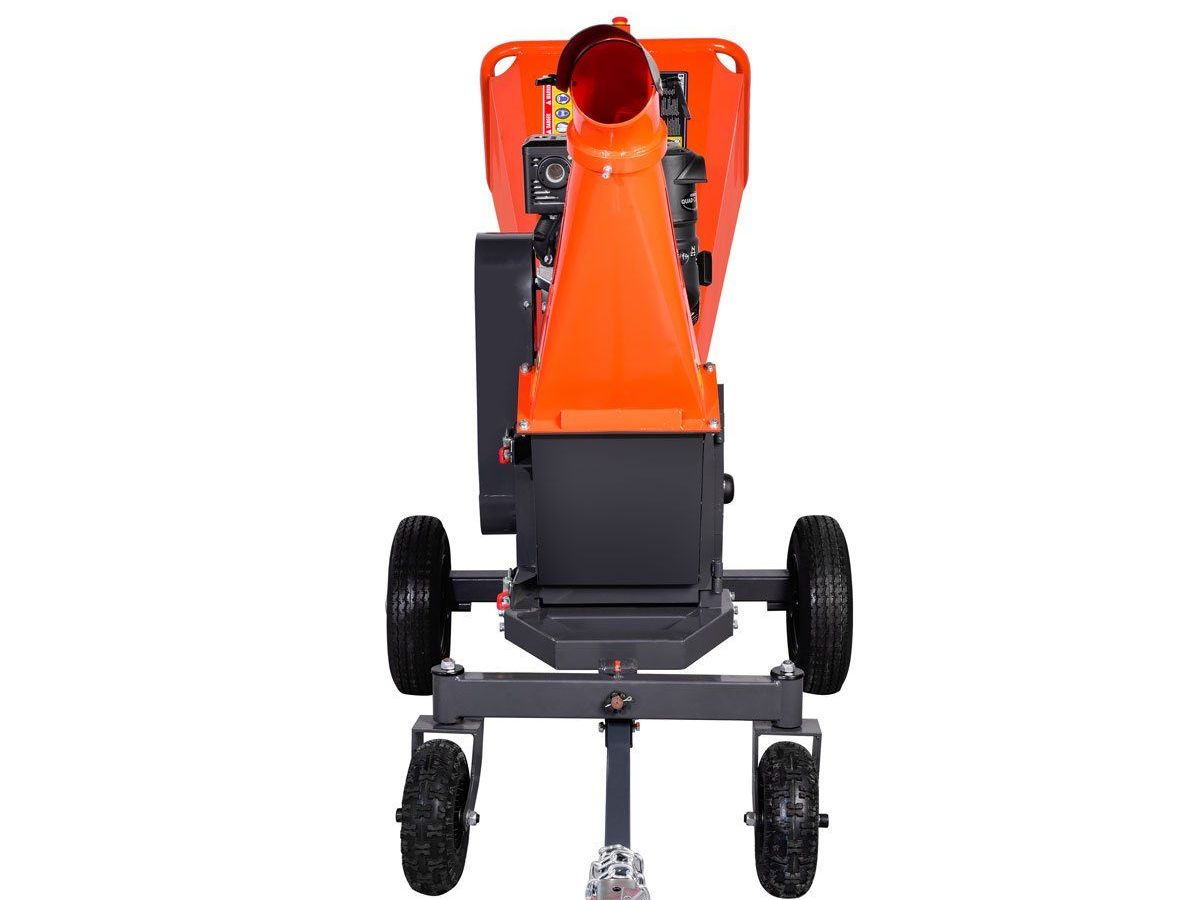
When you’re eyeing a tow behind wood chipper for sale, the first thing to think about is power and capacity. A chipper’s engine power and the size of branches it can handle are game-changers. Do you want to chip small twigs or big branches? A 14 HP engine might be your sweet spot for most yard tasks.
Key Features to Look For
You gotta know what features matter. Look for models with easy maintenance, like reversible blades and convenient hoppers. Safety features are no joke either—an emergency stop button can be a lifesaver. And don’t forget about the transportability of your pull behind wood chipper with durable tires and a solid hitch.
Comparing Popular Models
There’s a ton of pull behind wood chippers for sale, and picking the right one can be tough. Compare models based on engine reliability, ease of use, and maintenance needs. Some top picks include brands like Vermeer and Morbark. Check out reviews and see what other folks are saying before you buy.
Choosing the best tow behind wood chipper is like picking the right tool for the job—get it right, and you’ll be chipping away happily ever after.
How to Operate Your Tow Behind Chipper Safely
Before you even think about firing up that tow behind chipper shredder, make sure you’re geared up. Safety first, folks! You’ll need a hard hat, safety goggles, and some heavy-duty gloves. Don’t forget ear protection because these machines can be loud. Trust me, you don’t want to end up with ringing ears and sore hands.
Loading your chipper right is key to avoiding jams and accidents. Always feed branches into the chipper butt-end first. Keep your hands clear of the hopper and use a push stick if needed. Never force branches in; let the machine do the work. It’s tempting to rush, but patience pays off.
You gotta know what to do if things go south. If your chipper clogs or something feels off, hit the emergency stop button immediately. Stay calm and assess the situation. Don’t try to fix anything with the engine running. Always refer to your manual for troubleshooting tips. Better safe than sorry, right?
"Operating a tow behind chipper shredder safely isn’t just about following rules—it’s about making sure you can enjoy your yard work without any hiccups."
Following these safety tips will keep you and your tow behind chipper shredder in good shape. Remember, a little caution goes a long way in preventing accidents.
Maintenance Tips for Longevity
Regular Cleaning and Inspection
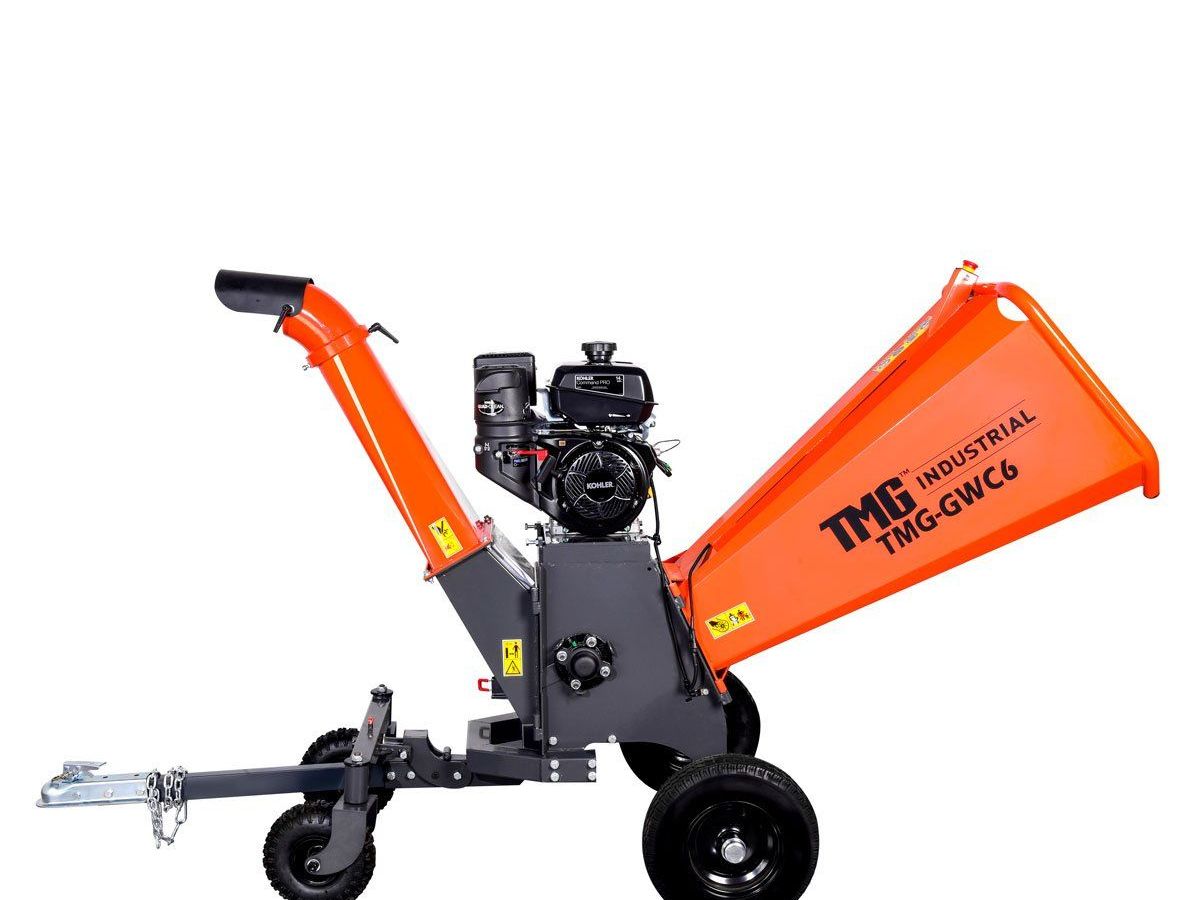
Keeping your tow behind chipper clean is like brushing your teeth—do it regularly to prevent bigger problems. After each use, make sure to clear out any debris stuck in the machine. Check for any signs of wear and tear on parts like belts and blades. A quick once-over can save you a lot of trouble down the road.
Engine Care and Oil Changes
Just like your car, your chipper’s engine needs some love. Change the oil as recommended in the manual to keep things running smoothly. Keep an eye on oil levels and top up when needed. A well-oiled machine is a happy machine, and it will save you from costly repairs later.
Blade Sharpening and Replacement
Sharp blades are key to efficient chipping. Dull blades make the machine work harder, which isn’t good for anyone. Check the blades regularly and sharpen them when they start to struggle. If sharpening doesn’t help, it might be time for a replacement.
Regular maintenance isn’t just a chore—it’s the best way to keep your chipper running like new. Take care of it, and it’ll take care of you.
For more detailed guidance, you might want to consider proper maintenance of a heavy-duty cable cutter as a reference for setting up a maintenance schedule. Keeping your chipper in top shape is a lot like maintaining any other tool—consistency is key. Also, remember to maintain a wood chipper by storing it in a dry place and cleaning it after each use to avoid rust and damage.
Maximizing Efficiency with Your Chipper
Optimal Chipping Techniques
Getting the most out of your chipper is all about technique. Feed branches at a steady pace and listen to the engine—if it starts to struggle, ease up a bit. Let the chipper do the work. Pushing too hard can lead to jams and inefficiency. Always remember, slow and steady wins the race.
Handling Different Types of Debris
Different debris means different approaches. For hardwoods like oak, go slow and steady, while softwoods like pine can be fed a bit faster. Green material might need a bit more patience to avoid clogs. Keep an eye on the material and adjust your approach accordingly.
Adjusting the Discharge Chute
The discharge chute is your best friend for directing where the chips go. Whether you’re aiming for a pile or spreading mulch directly on your garden, adjusting the chute can save you time and effort. Make sure it’s set up right before you start, and you’ll have less cleanup later.
Getting the technique right with your chipper can save you a ton of time and hassle. It’s all about working smarter, not harder.
For those tackling large timber projects, maximizing efficiency isn’t just about speed—it’s about precision and capacity, too. Consider how you can optimize your cutter attachments for the best results.
The Economics of Owning a Tow Behind Chipper
Cost Savings on Yard Waste Disposal
Owning a tow behind chipper can save you a bundle on yard waste disposal. Instead of paying someone to haul away branches and debris, you can chip them yourself. This means fewer trips to the dump and more money in your pocket.
Creating Your Own Mulch
With a tow behind chipper, turning your yard waste into mulch is a breeze. You don’t have to buy expensive mulch bags anymore. Just chip, spread, and watch your garden thrive.
Resale Value Considerations
Investing in a tow behind chipper isn’t just about immediate savings. These machines hold their value well, so when it’s time to upgrade, you can sell it for a decent price. It’s like having a savings account on wheels.
Owning a tow behind chipper is like having a personal yard assistant that doesn’t complain or take breaks. It’s a game-changer for anyone serious about maintaining their property efficiently.
Troubleshooting Common Issues
Engine Problems and Solutions
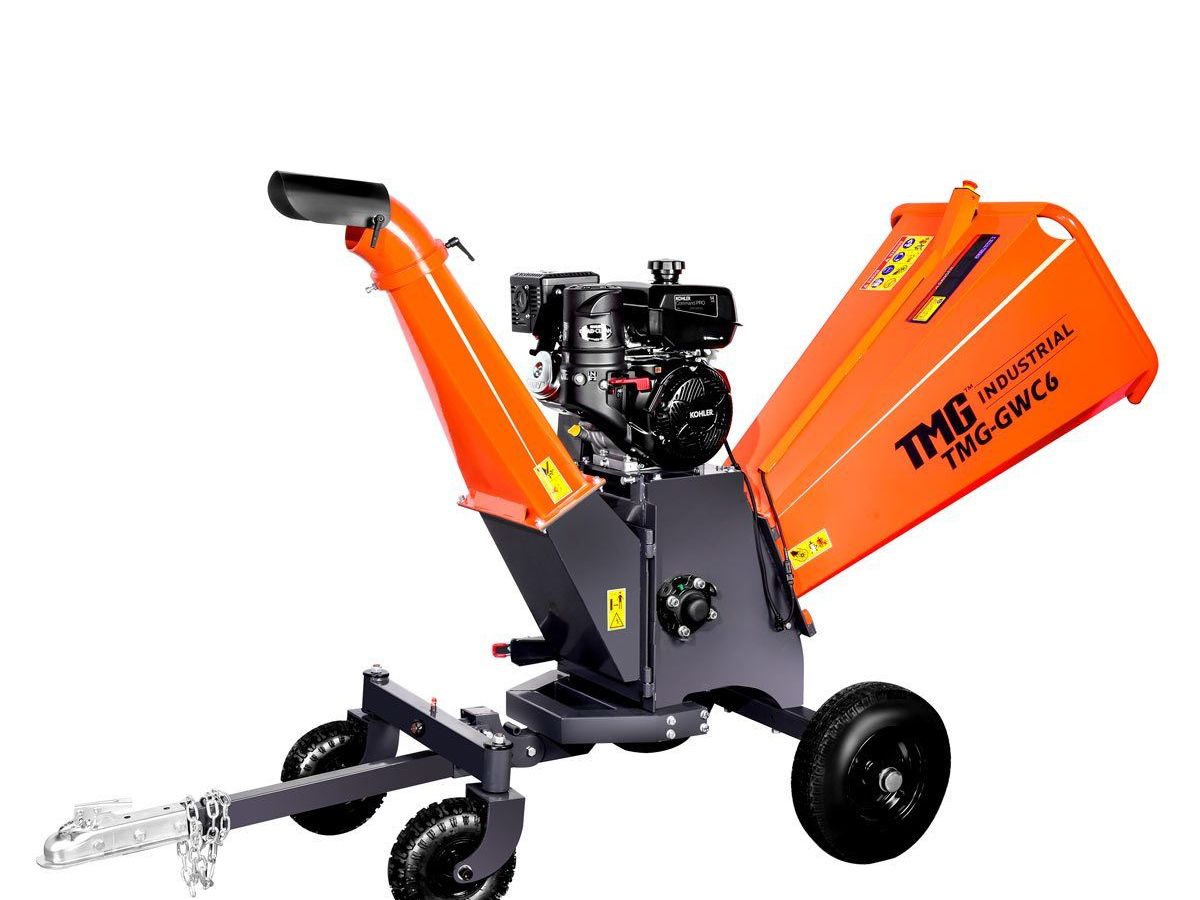
Oh boy, engine troubles can be a real headache. If your chipper won’t start, the first thing to check is the fuel. Old fuel can be a sneaky culprit, causing all sorts of starting problems. Make sure it’s fresh and clean. Another common issue is a dirty carburetor. You might need to give it a good scrub or consider replacing it if it’s beyond saving. And don’t forget about those spark plugs. Faulty ones can mess up the whole operation. If you’re dealing with overheating, it might be due to clogged air filters or blocked cooling fins. Keep them clean and clear to avoid any heat-related hiccups.
Dealing with Clogs
Clogs are like the annoying traffic jams of the wood chipping world. They happen when the blades can’t handle the debris. First thing, stop the machine and disconnect the power. Safety first, right? Then, check the chute and blades for any stuck branches or leaves. A good pair of gloves will help you clear things out without any cuts or bruises. If clogs keep happening, you might be feeding the chipper too fast or with the wrong type of material. Slow it down a bit and see if that helps.
When to Call a Professional
Sometimes, things just get out of hand, and it’s time to call in the pros. If you’ve tried everything and your chipper is still acting up, don’t hesitate to get some expert help. They can diagnose issues that might not be obvious and save you from a lot of frustration. Plus, if you’re not comfortable tinkering with the engine or other mechanical parts, it’s better to leave it to someone who knows their stuff. Remember, it’s better to be safe than sorry when dealing with heavy machinery.
Environmental Benefits of Using a Chipper
Reducing Landfill Waste
Using a chipper is a straightforward way to cut down on the amount of waste that ends up in landfills. Instead of tossing branches and leaves, you can turn them into useful mulch. This not only saves space in landfills but also turns waste into something beneficial for your garden.
Promoting Sustainable Landscaping
Chippers make it easy to recycle yard waste into mulch, which is great for sustainable landscaping. Mulch helps retain moisture in the soil, reduces the need for watering, and keeps weeds at bay. By using a chipper, you’re taking a step towards a more eco-friendly yard.
Improving Soil Health with Mulch
Mulch produced by chippers is like a superfood for your soil. It breaks down over time, adding nutrients and improving soil structure. This means healthier plants and less need for chemical fertilizers. Plus, mulch helps regulate soil temperature, keeping roots happy year-round.
Chipping your yard waste is not just about getting rid of debris. It’s about transforming something unwanted into a valuable resource for your garden. It’s a win-win for you and the environment.
Using a chipper is a smart choice for anyone looking to manage their yard waste responsibly. It’s a small change that makes a big difference in the health of your garden and the planet.
Customer Reviews and Real-Life Experiences
Success Stories from Property Owners
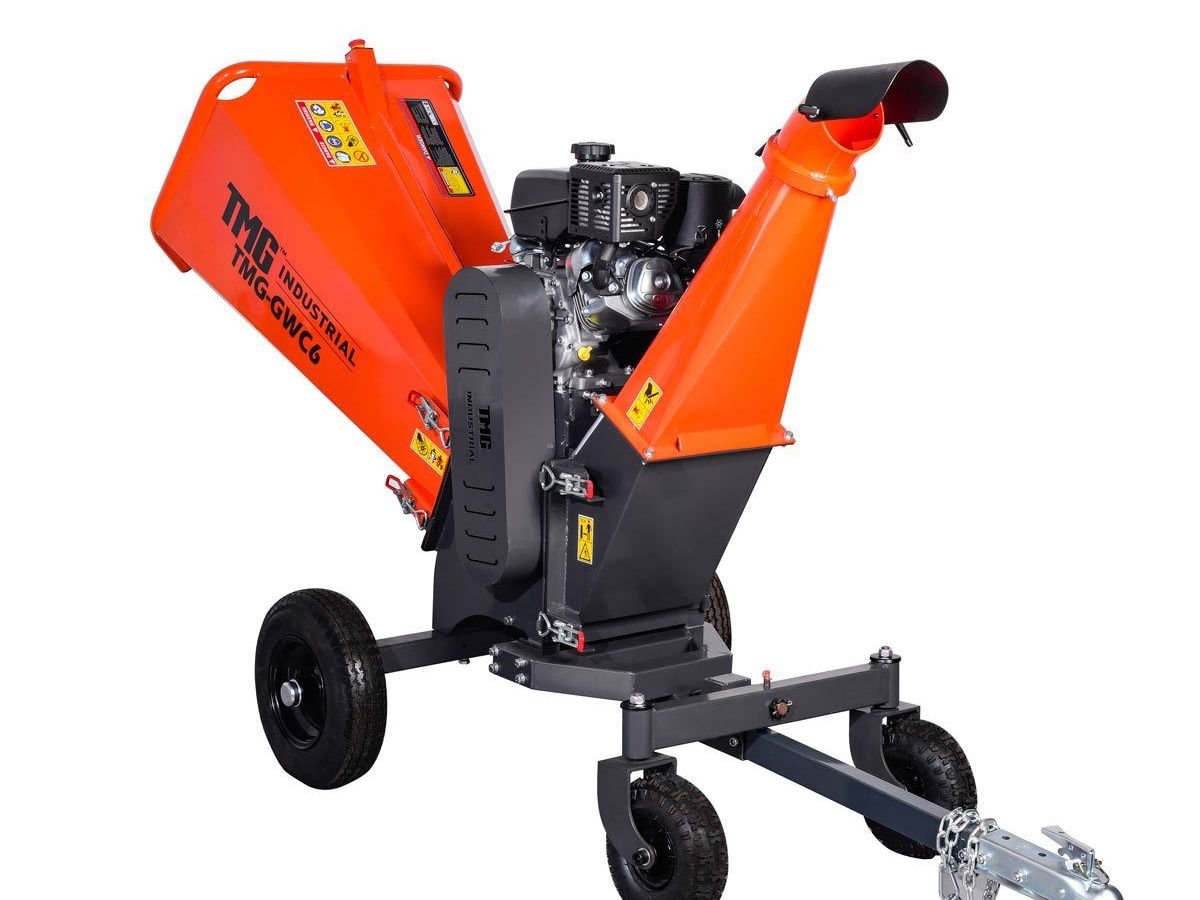
I’ve been using my tow-behind chipper for a couple of months now, and it’s been a game-changer. The amount of time I’ve saved on yard work is unbelievable. It’s easy to hook up to my ATV, and I can tackle those big piles of branches without breaking a sweat. My neighbor borrowed it last weekend, and now he’s thinking of getting one too!
Lessons Learned from First-Time Users
When I first got my chipper, I was a bit overwhelmed. I didn’t realize how powerful these machines are. The first time I fed a branch through, I was amazed at how quickly it turned it into mulch. I did learn, though, to wear ear protection—it’s a bit louder than I expected!
Expert Tips and Tricks
A buddy of mine who’s been using chippers for years told me to always keep an eye on the blades. He says sharpening them regularly makes a huge difference in performance. Also, he suggested investing in a good pair of gloves, especially when handling thorny branches. Now, I can chip away without worrying about getting scratched up.
Check out what our customers are saying! Real-life experiences show how our products make a difference. Visit our website to read more reviews and see how you can benefit too!
Wrapping It Up
So there you have it, folks. Tow behind chippers are like the unsung heroes of yard work. They take those annoying piles of branches and turn them into something useful, like mulch for your garden. It’s not just about saving a few bucks, though that’s a nice perk. It’s about making life a bit easier when you’re staring down a mountain of yard waste. Just hook it up to your ATV or tractor, and you’re good to go. Remember, keep it maintained, and it’ll serve you well. Happy chipping!
Frequently Asked Questions
What is a tow behind wood chipper?
A tow behind wood chipper is a machine that turns branches and yard waste into mulch. It attaches to vehicles like ATVs or tractors for easy movement around a property.
How does a tow behind chipper save money?
By using a tow behind chipper, you can save money on yard waste disposal and create your own mulch, reducing the need for professional services.
What should I consider when buying a tow behind chipper?
Look for features like engine power, chipping capacity, and mobility. Also, compare different models to find one that fits your needs.
Is it easy to move a tow behind chipper?
Yes, most tow behind chippers are designed to be easily moved with ATVs, tractors, or trucks, thanks to their hitch systems.
What safety gear is needed to operate a chipper?
You should wear safety goggles, gloves, and ear protection. It’s also important to follow all safety instructions provided by the manufacturer.
How do I maintain a tow behind chipper?
Regularly clean and inspect the chipper, change the oil, and sharpen or replace the blades as needed to keep it in good working condition.
What types of debris can be chipped?
Tow behind chippers can handle various types of debris, including branches, twigs, and brush, depending on the model’s capacity.
Are there environmental benefits to using a chipper?
Yes, using a chipper reduces landfill waste and creates mulch that can improve soil health and support sustainable landscaping.