So, you’ve got this pull behind wood chipper, and you’re probably thinking, “Now what?” Don’t worry, I’ve been there. This manual’s gonna walk you through everything from setting it up to keeping it running smooth. Whether you’re dealing with a mountain of branches or just wanna make some mulch, this guide’s got your back. Let’s dive in and make sure you get the most out of your investment without pulling your hair out.
Key Takeaways
- Pull behind wood chippers are great for turning yard waste into mulch.
- These machines hook up to ATVs or tractors, making them mobile and easy to use.
- Key features to look for include engine power and chipping capacity.
- Regular maintenance like blade sharpening and engine care is crucial.
- Safety gear and understanding emergency procedures are essential.
Understanding Your Pull Behind Wood Chipper
What Makes It Different from Other Chippers
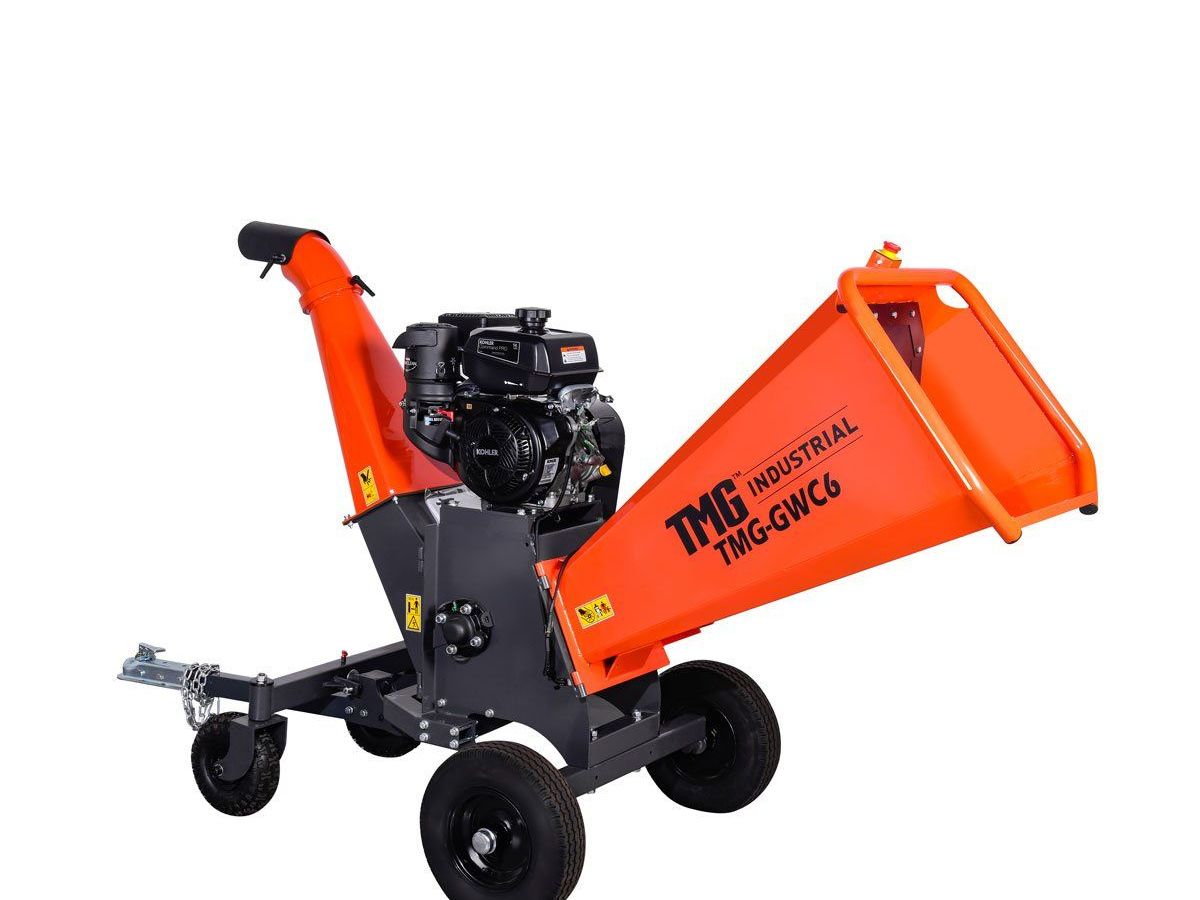
A pull behind wood chipper is a game-changer for anyone dealing with large yards or properties. Unlike stationary models, these chippers attach to your ATV or tractor, making them super mobile. This mobility means you can take the chipper directly to the debris, saving time and effort. They also tend to handle larger branches compared to smaller, electric models.
Key Features to Look For
When shopping for a tow behind chipper, look for features like a powerful engine (at least 14 HP is ideal), a large chipping capacity, and a sturdy build. Reversible blades are a plus because they double the blade life. An adjustable discharge chute is also handy for directing mulch exactly where you want it.
Why Portability Matters
Portability is a major plus with these machines. Being able to tow the chipper behind your vehicle means you can easily move it across various terrains. This is especially useful for large properties or uneven ground. Plus, you avoid the hassle of dragging heavy branches to a stationary chipper, which can be back-breaking work.
Setting Up Your Wood Chipper for the First Time
Unboxing and Assembly Tips
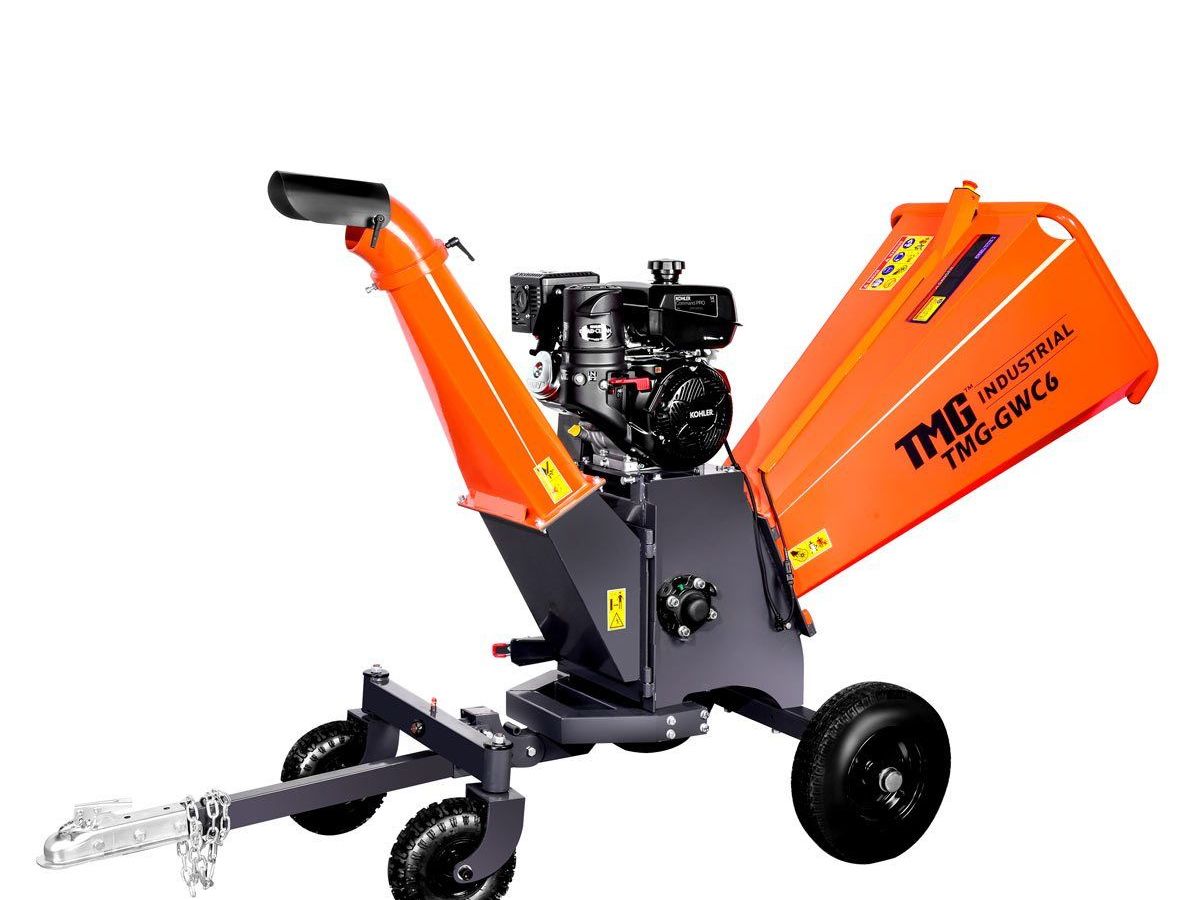
Alright, so you just got your pull-behind wood chipper. First things first, get it out of the box. It’s like opening a giant, heavy-duty Christmas present. Carefully remove all the packing materials and make sure you don’t lose any small parts. Follow the manual step by step—trust me, it’s your best friend during this process. Make sure you have the right tools handy, like wrenches and screwdrivers. If you’re anything like me, you’ll probably have to dig through the garage to find them.
Connecting to Your ATV or Tractor
Now, let’s get this beast hooked up. Your chipper will likely have a hitch, so you’ll need to connect it to your ATV or tractor. Double-check that the hitch is secure—you don’t want it coming loose when you’re in the middle of nowhere. Adjust the height of the chipper to match your vehicle’s hitch. This might take a bit of tinkering, but patience is key here. Once it’s all lined up, lock it in place and give it a little tug to make sure it’s solid.
Safety Checks Before First Use
Safety first, always. Before you fire up your chipper, do a quick safety check. Make sure all the bolts are tight and nothing’s wobbling around. Check the oil and fuel levels—running out of gas mid-job is a bummer. Inspect the blades to ensure they’re sharp and properly aligned. If anything seems off, don’t ignore it. It’s better to fix it now than deal with a breakdown later. Oh, and don’t forget your safety gear: goggles, gloves, and ear protection are a must.
Mastering the Art of Chipping
Feeding Techniques for Best Results
Feeding your wood chipper right is like feeding a baby. You can’t just shove everything in at once. Start with smaller branches and work your way up. Let the chipper do the work; don’t force it. If you listen closely, the engine’s sound will change as it processes the wood. That’s your cue to adjust the pace. Think of it as a conversation between you and the machine.
Handling Different Types of Wood
Not all wood is created equal. Hardwoods like oak and ash give you clean cuts, while softwoods such as pine turn into fine mulch. Green materials can be tricky, but with the right technique, they won’t clog your machine. Knowing your wood types can make a world of difference. It’s like knowing when to use a fine wood chisel for detailed work.
Avoiding Common Mistakes
Mistakes happen, but some are avoidable. Don’t overload your chipper; it’s not a race. Keep an eye on the discharge chute to prevent clogs. Always check for foreign objects in the pile before feeding it in. It’s like sharpening your woodworking hand tools before starting a project—preparation is key.
"Chipping isn’t just about getting rid of branches; it’s about turning chaos into order. Take it slow, pay attention, and your chipper will thank you."
Maintenance Tips to Keep Your Chipper Running Smoothly
Regular Cleaning and Inspection
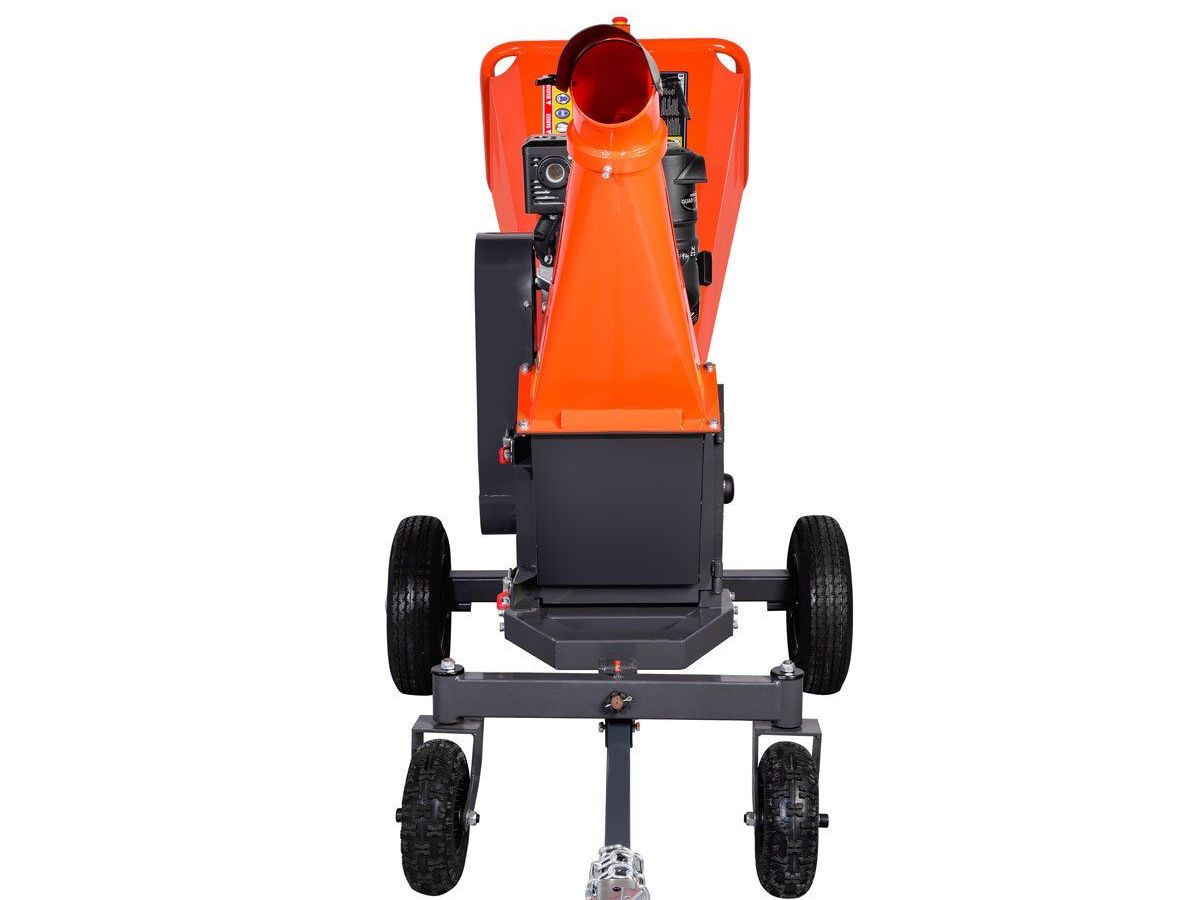
Keeping your wood chipper clean is like brushing your teeth—do it regularly to avoid problems. After each use, make sure you clear out any debris from the chute and blades. Trust me, this little step can save you a lot of headaches down the road. Inspect the chipper for any signs of wear or damage before you pack it away. Look for cracks, rust, or anything that seems off. Better safe than sorry!
When to Sharpen or Replace Blades
Blades are the heart of your chipper, and sharp ones make all the difference. If you notice the wood isn’t chipping as smoothly, it’s time to check those blades. You can either sharpen them yourself or get a pro to do it. And hey, if sharpening doesn’t cut it anymore, don’t hesitate to replace them. Dull blades not only slow you down but can also be dangerous.
Engine Care and Oil Changes
Your chipper’s engine is like its lifeline, so give it some love. Regular oil changes are a must to keep it purring like a kitten. Depending on how often you use it, check the oil level and condition every few uses. Also, keep an eye on the air filter. A clean filter means better performance. Remember, a well-maintained engine lasts longer and saves you money in the long run.
Safety First: Operating Your Chipper Safely
Essential Safety Gear
Before you even think about firing up that chipper, get your gear sorted. We’re talking hard hats, gloves, and those ear defenders—because chippers are loud! Safety goggles are a must since flying wood chips aren’t fun in the eyes.
Understanding the Emergency Stop
So, here’s the deal with the emergency stop. It’s your best friend when things go sideways. Make sure you know exactly where it is on your machine. Practice hitting it a couple of times so it’s second nature when you need it.
Safe Distances and Zones
You gotta keep your distance, seriously. Stay clear of the discharge chute—that’s where the chips fly out. And if you’ve got folks helping out, make sure they’re standing well back too. A good rule is to keep everyone at least 50 feet away from the machine when it’s running.
Remember, a chipper is a powerful tool, not a toy. Respect it, and it’ll do its job safely and efficiently.
For more on ensuring a safe operation of a wood chipper, always set it up on stable ground and direct the discharge away from work areas. Also, maintain a safe distance during chipper operations and follow all guidelines to keep things smooth.
Troubleshooting Common Issues
Engine Won’t Start
So, you’re all set to start chipping, but the engine just won’t kick in? That’s a bummer. First thing I always check is the ignition switch. Make sure it’s turned on. Then, there’s the fuel shut-off valve. It should be open, obviously. And don’t forget to check if there’s enough fuel in the tank. Sometimes, it’s the little things.
Chipper Jams Frequently
Nothing’s more frustrating than a jammed chipper. If your chipper keeps jamming, it might be due to trying to feed it too quickly. Slow down a bit and see if that helps. Also, check if the blades are sharp. Dull blades can cause jams. Keep an eye on the size of the branches you’re feeding in. If they’re too big, it could be a problem.
Uneven Mulch Output
Getting uneven mulch can be annoying. This usually happens when the blades aren’t balanced. Sometimes, it’s about how you feed the wood. Try to keep it steady and even. If all else fails, you might need to adjust the discharge chute.
Maximizing Efficiency with Your Chipper
Optimizing Feed Rate
Getting the feed rate right is like finding the sweet spot in cooking; too fast, and you risk a mess, too slow, and you’re wasting time. Listen to your machine; a smooth, consistent sound means you’re doing it right. If it starts to strain, ease off a bit. Let the chipper do its thing, pulling in branches naturally without you having to shove them.
Temperature Management
Just like you wouldn’t run a marathon in a parka, your chipper needs the right conditions to run smoothly. Keep an eye on the engine temperature, especially on hot days. If it starts overheating, give it a break. It’s like giving your car a rest during a long drive; it’ll thank you by running longer.
Using the Discharge Chute Effectively
Think of the discharge chute as your cleanup crew. Aim it where you want the chips to go, whether it’s a garden bed or a compost pile. Adjusting the chute can make your life easier, saving you from raking up a mess later. It’s like having a helper who knows exactly where to put things.
Creative Uses for Chipped Wood
Mulching Your Garden
Alright, so you’ve got a pile of wood chips and you’re wondering what to do with them. First up, mulching your garden is a no-brainer. Those chips are fantastic for keeping the soil moist and fighting off weeds. Just spread them around your plants, and you’re good to go.
Creating Pathways and Trails
Ever thought about making a path with wood chips? It’s super easy and gives your garden a rustic vibe. Just lay down some landscape fabric, dump the chips on top, and spread them out. Now you’ve got a path that looks great and keeps mud at bay.
Composting and Soil Improvement
Wood chips can also be a secret weapon for composting. Mix them into your compost pile to help balance out the nitrogen-rich materials. Over time, they’ll break down and improve your soil, giving your plants a nice boost.
Pro Tip: Use wood chips from tree services to enhance your garden’s health. They not only add a rustic touch to your pathways but also improve soil quality and keep weeds under control. Learn more about using wood chips in your garden.
So, there you have it, some simple and effective ways to put those wood chips to good use. Whether you’re mulching, making paths, or composting, these little bits of wood can do wonders for your outdoor space.
Upgrading and Accessorizing Your Wood Chipper
Choosing the Right Blades
Swapping out your chipper’s blades can make a world of difference in performance. Reversible blades are a great option because when one side dulls, you just flip them over and keep going. They’re perfect if you’re into heavy-duty chipping and want to save on costs. Always make sure the blades you pick match your chipper’s specifications.
Adding a Collection Bag
A collection bag is super handy for keeping your work area tidy. It catches all the mulch, making cleanup a breeze. Just attach it to the discharge chute, and you’re good to go. This is especially useful if you’re planning to use the mulch for your garden.
Exploring Other Attachments
There are tons of attachments that can make your chipper more versatile. You might want to check out options like a multi-function cutter for custom cutting solutions. These attachments can transform your chipper into a multi-tasking powerhouse, handling everything from fine detail work to larger projects. Always consult the manual to ensure compatibility with your specific model.
Upgrading your wood chipper isn’t just about buying new parts; it’s about making your machine work better for your needs. With the right accessories, you can tackle any job with ease and efficiency.
Understanding the Warranty and Support Options
What’s Covered Under Warranty
Alright, let’s dive into warranties. Most wood chippers come with a 12-month warranty. This usually covers any defects in materials or workmanship. But, remember, it won’t cover you if you accidentally run over a rock or something. Always double-check the small print to know what’s actually included.
How to Contact Support
Contacting support can be a lifesaver. Usually, the manual has a number or email for customer service. Keep that info handy, just in case something goes wrong. Sometimes, you can find a support chat on the company’s website, which is super convenient.
Finding Replacement Parts
Finding replacement parts isn’t as tough as it seems. Many manufacturers offer spare parts on their websites. It’s a good idea to jot down the model number of your chipper. That way, you can easily search for the exact parts you need. If you’re unsure, don’t hesitate to reach out to support for guidance.
Always keep your warranty info and support contacts in a safe place. You never know when you might need them.
When you’re dealing with heavy-duty tools like a wood chipper, knowing your warranty and support options is just as important as knowing how to use the machine. Trust me, it’s better to be prepared than to scramble when something goes wrong.
When you buy a product, it’s important to know about the warranty and support options available to you. These services can help you if something goes wrong or if you have questions. For more details on our warranty and support, visit our website today!
Wrapping It Up
So there you have it, folks. A pull-behind wood chipper isn’t just some fancy gadget; it’s a real game-changer for anyone dealing with yard waste. Whether you’re tackling a mountain of branches or just trying to keep your property neat, this machine’s got your back. Remember, it’s all about knowing your gear and keeping it in tip-top shape. With a bit of care and attention, you’ll be turning those pesky branches into useful mulch in no time. And hey, if you ever get stuck or need more info, don’t hesitate to reach out to your local dealer or check the manual. Safety first, always! Happy chipping!
Frequently Asked Questions
What is a pull-behind wood chipper?
A pull-behind wood chipper is a machine that attaches to an ATV or tractor to chop up branches and yard waste into mulch.
How does a pull-behind wood chipper work?
It uses a powerful engine to drive blades that cut wood into small pieces. You feed branches into the chute, and the chipper does the rest.
What size of branches can it handle?
Most pull-behind chippers can handle branches up to 6 inches in diameter, but always check the specific model’s capacity.
Is it easy to move a pull-behind wood chipper?
Yes, these chippers are designed to be towed by vehicles like ATVs or tractors, making them easy to move around your property.
What safety gear should I wear when using a chipper?
Always wear safety goggles, gloves, and ear protection. It’s also a good idea to wear long sleeves and pants.
How do I maintain my wood chipper?
Regularly clean the chipper, check and sharpen blades, and change the oil as recommended in the manual.
Why should I invest in a pull-behind wood chipper?
It saves time and money by turning yard waste into useful mulch, reducing the need for professional removal services.
What should I do if my chipper jams?
Turn off the machine and follow the manufacturer’s instructions for clearing jams safely.