Hey there, thinking about getting a tow behind chipper? These machines are a game-changer for cleaning up your yard. They hook right up to your ATV or tractor, making it super easy to move around and deal with branches and brush. But before you dive in, it’s important to know how to use them safely and keep them in good shape. Let’s break down the basics so you can make the most of your chipper.
Key Takeaways
- Tow behind chippers are easy to move with ATVs or tractors.
- Safety gear is a must when operating a chipper.
- Regular maintenance keeps your chipper running smoothly.
- Choose the right vehicle for towing your chipper.
- Understand your chipper’s specs for best performance.
Understanding Your Tow Behind Chipper
What is a Tow Behind Chipper?
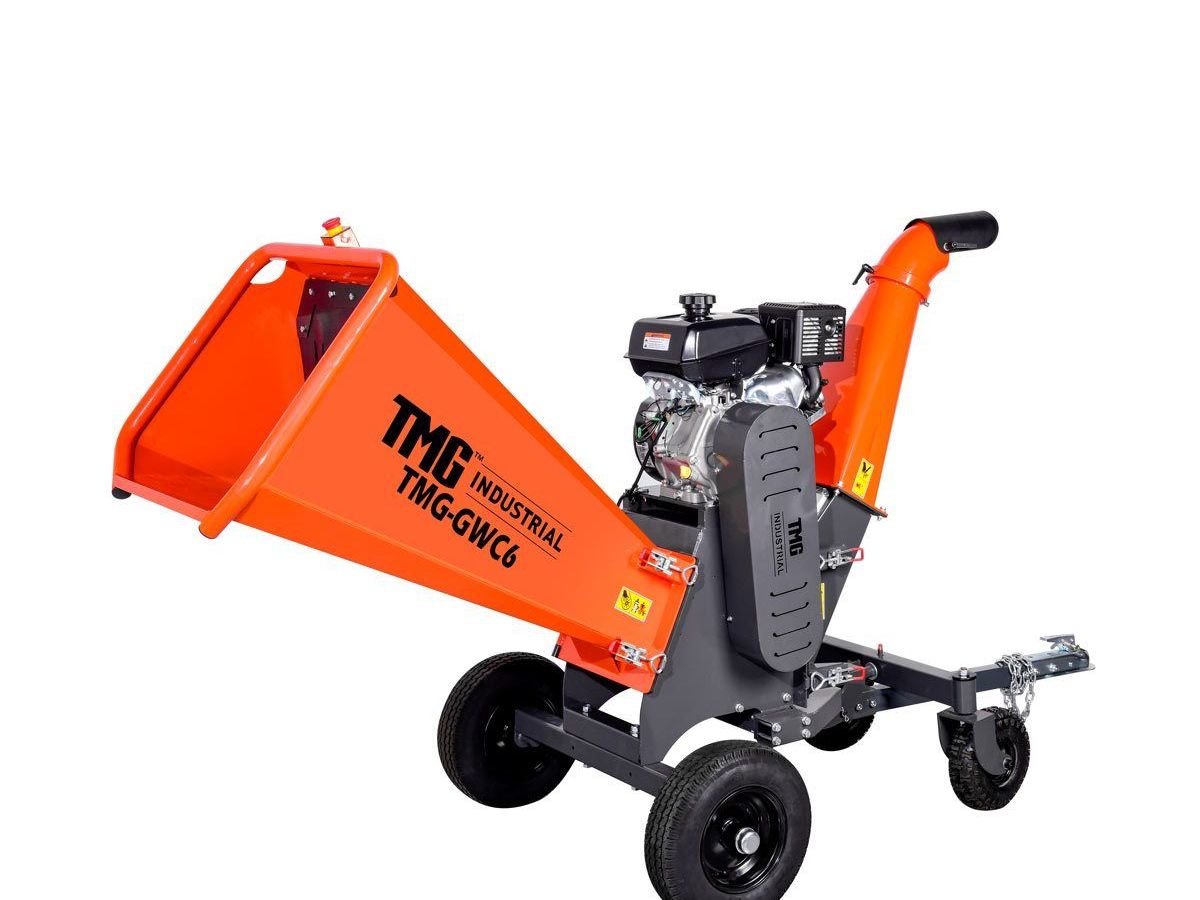
A tow behind chipper is like your yard’s best friend when it comes to cleaning up branches and debris. It’s a machine you hitch to a vehicle, like a truck or ATV, and it turns all those annoying branches into mulch. Think of it as a giant blender for your yard waste.
Key Features to Look For
When picking a tow behind chipper, focus on a few key things. First, the engine power—more horsepower means more chipping power. Look for features like a 2" trailer hitch receiver for easy towing. Don’t forget about the chipping capacity; you want something that can handle at least 6 inches of branch diameter.
Why Choose a Tow Behind Model
Choosing a tow behind model over other types is a no-brainer if you’ve got a lot of ground to cover. They’re mobile, powerful, and can handle big jobs without breaking a sweat. Plus, a pull behind chipper shredder saves you time and effort compared to hauling debris manually.
Owning the best tow behind wood chipper means less back-breaking work and more time enjoying your tidy yard. It’s all about making life a bit easier, right?
Safety First: Operating Your Chipper Safely
Essential Safety Gear
When you’re dealing with a tow behind chipper, safety gear isn’t just for show—it’s your best friend. Always suit up with a hard hat, safety goggles, and ear protection. Throw in some sturdy gloves and steel-toed boots, and you’re good to go. Trust me, you don’t want to find out the hard way why these are necessary.
Common Mistakes to Avoid
Even seasoned pros can slip up with a chipper. One big no-no is overloading the chipper. It might seem like a time-saver, but it can jam up the machine or worse. Never stick your hands or tools inside while it’s running. And always be aware of where the discharge chute is pointing—no one wants a face full of wood chips.
Emergency Procedures
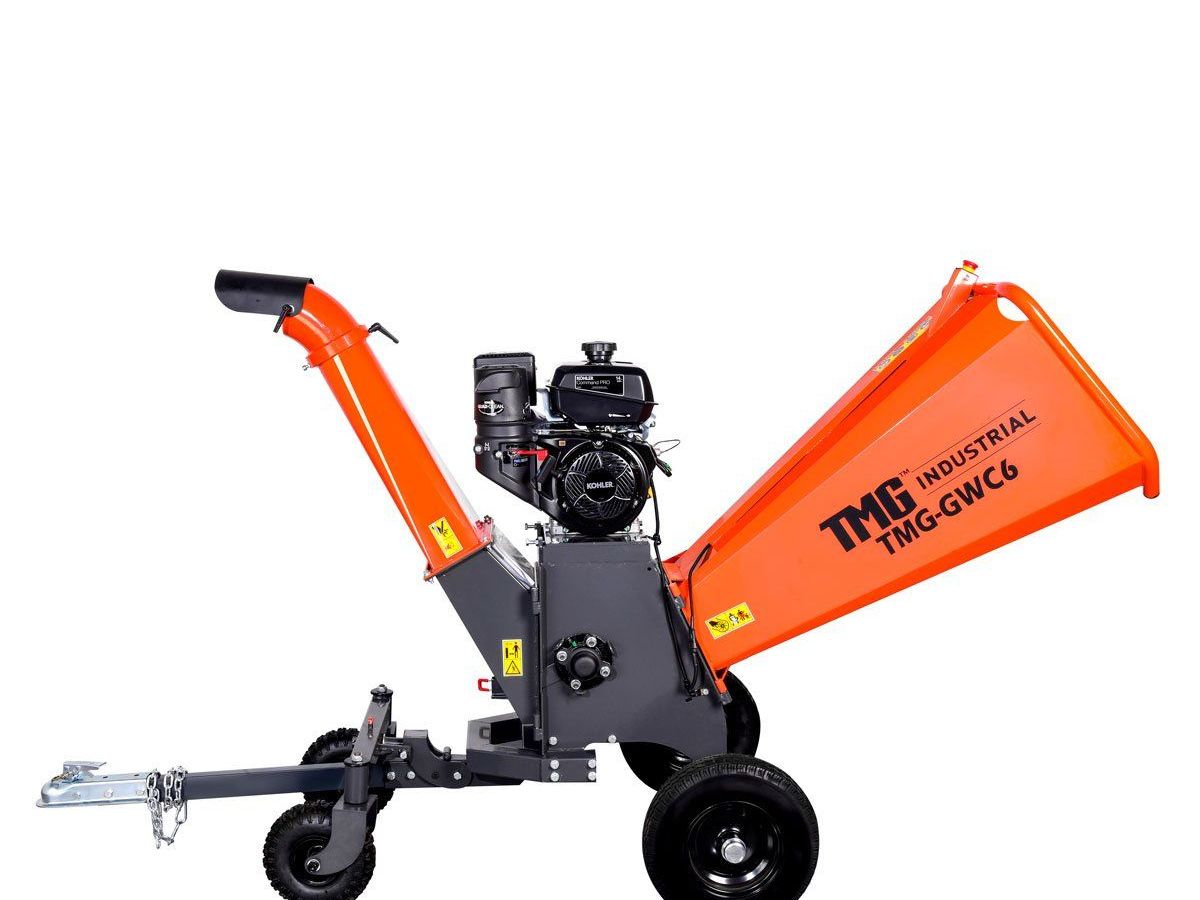
Stuff happens, and when it does, you need to know how to react. If something goes wrong, hit the emergency stop button immediately. It’s not just a red button; it’s your lifeline when things go south. Keep the area clear, and if a branch gets stuck, shut everything down before trying to fix it. Safety first, every time.
Getting the Most Out of Your Chipper
Optimizing Performance
Alright, so you’ve got your chipper all set up and ready to go. The key to getting the most out of it is understanding how it works. First off, listen to the engine. A steady hum means it’s happy, but if it starts to groan, ease up on the feed. Let the chipper do the work—don’t force it. Keep an eye on the discharge chute to make sure everything’s flowing smoothly. And remember, regular blade sharpening is a must for top performance.
Routine Maintenance Tips
Maintenance is your best friend when it comes to keeping your chipper in tip-top shape. Always start with a quick inspection before each use. Check the oil, inspect the belts, and give those blades a once-over. Clean out any debris from the last job to prevent jams. And don’t forget to grease the fittings—keeps everything running smooth as butter.
Troubleshooting Common Issues
Sometimes things go wrong, even when you’re careful. If your chipper’s acting up, start by checking the basics: fuel, oil, and any blockages. Listen for unusual sounds—clicks or clunks usually mean something’s loose. Vibration can point to unbalanced blades. And if you’re really stuck, it might be time to find professional help to sort it out.
Pro Tip: Regular maintenance isn’t just about keeping your chipper running—it’s about preventing costly repairs down the line. A little time spent now saves a lot of headaches later.
Transporting Your Tow Behind Chipper
Choosing the Right Vehicle
Picking the right vehicle for your wood chipper tow behind is like choosing a dance partner. You need something with enough muscle to handle the weight but nimble enough to maneuver tight spots. ATVs, UTVs, pickup trucks, and small tractors are solid options. Just make sure your vehicle’s towing capacity matches your chipper’s weight.
Towing Tips and Tricks
Towing a pull behind wood chipper can be tricky if you’re not prepared. Always double-check your hitch connection before hitting the road. Remember, wider turns and slower speeds are your friends when towing. Keep an eye on your mirrors, and don’t forget to secure the chipper with safety chains.
Storage Solutions
After a long day of chipping, finding a safe spot for your tow behind chipper shredder is key. A dry, secure area, preferably under a shelter, is ideal to prevent rust and wear. If space is tight, consider investing in a compact storage unit or even a tarp to keep it covered.
The Importance of Regular Maintenance
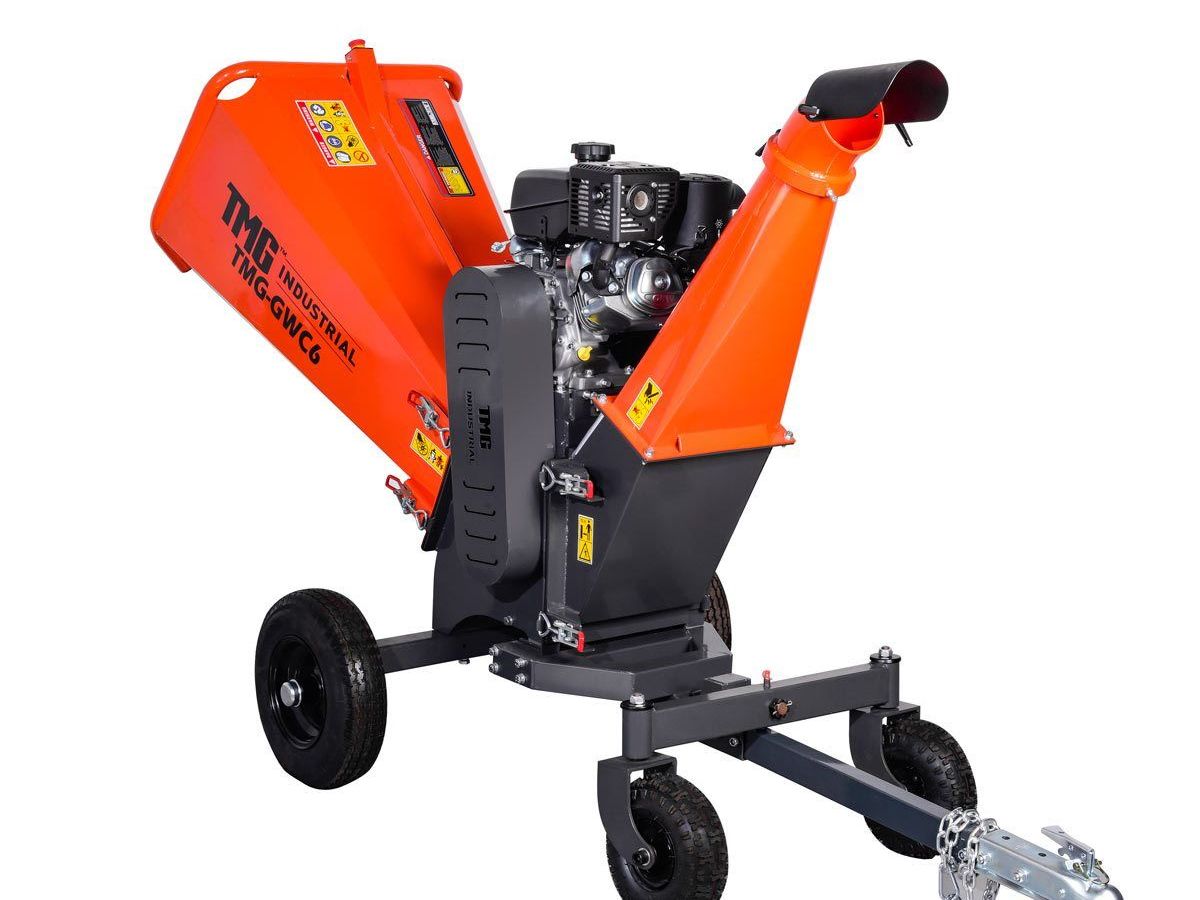
Every day, give your chipper a quick once-over. Check for any debris stuck in the machine and clear it out. This simple step can save you a ton of trouble later. Make sure all parts look good and nothing’s loose.
With each season change, it’s a good idea to dig a bit deeper. Inspect the blades and sharpen them if needed. Change out the oil and filters to keep everything running smoothly. It’s like giving your chipper a fresh start every few months.
Sometimes things just go beyond what you can handle. If your chipper’s making weird noises or just isn’t working right, it might be time to call in the pros. Don’t wait too long, or you might end up with a bigger problem on your hands.
Regular maintenance isn’t just about keeping your chipper running; it’s about making sure it’s safe to use. You don’t want to be caught off guard by a malfunction when you’re in the middle of a job.
Maximizing Efficiency with Your Chipper
Understanding Chipping Capacity
Alright, so let’s talk about chipping capacity. It’s all about knowing what your chipper can handle. You don’t want to be jamming a huge branch into a chipper that can’t take it. Trust me, I’ve been there, and it ain’t pretty. Check the manual to see the max size it can chip. Usually, it’s around 6 inches for most residential models.
Adjusting for Different Materials
Different materials need different approaches. Hardwoods like oak need more power than softwoods like pine. If you’re working with green material, it can get tricky because it’s heavier and clogs up the machine. So, you gotta adjust the feed rate. Slow it down for tougher stuff and speed it up for lighter debris.
Improving Workflow
Having a good workflow can save you tons of time. Set up a system where you have a clear path for feeding material and a separate area for the chipped stuff. It keeps things organized and moving smoothly. Also, keep your tools handy. You don’t want to be running back and forth looking for a wrench when you need to tweak something.
Eco-Friendly Chipping Practices
Creating Mulch for Landscaping
Turning your yard waste into mulch is not just smart; it’s eco-friendly. You save money and reduce waste by turning branches and leaves into useful mulch for your garden. This mulch helps retain moisture in the soil, suppress weeds, and even improve soil health.
Reducing Waste
Using a tow behind chipper is a great way to cut down on yard waste. Instead of sending branches and leaves to the landfill, you can chip them up and reuse them around your property. This not only helps the environment but also keeps your yard looking tidy.
Sustainable Disposal Methods
Disposing of chipped material in an eco-friendly way is crucial. Consider composting the chips or using them as a natural ground cover. This not only recycles the waste but also enriches the soil. It’s a win-win for your garden and the planet.
By adopting these practices, you’re not just cleaning up your yard; you’re making a positive impact on the environment. Every little bit helps when it comes to sustainability.
Choosing the Right Chipper for Your Needs
Assessing Your Property Size
First off, think about the size of your property. If you’re dealing with a small backyard, you might not need a massive chipper. But if you’re on a big piece of land, a heavy-duty model might be the way to go. Size matters when it comes to chippers.
Budget Considerations
Now, let’s talk money. Chippers can get pricey, so it’s smart to set a budget before you start shopping. Remember, sometimes spending a bit more upfront saves you headaches down the road.
Comparing Different Models
When comparing models, look at features like engine power, chipping capacity, and ease of maintenance. Some models might offer unique features that could make your life easier. Don’t just go for the most powerful one; think about what you’ll actually use.
Troubleshooting and Repairs
Identifying Common Problems
So, your chipper’s acting up, huh? First thing I do is listen to the sounds it makes. Weird noises can tell you a lot. Clicking? That might mean something’s loose. Grinding? Check those blades. If it vibrates like crazy, you might have unbalanced blades or something else out of whack.
DIY Fixes
I’m no pro, but I’ve fixed a few things myself. Tightening bolts and screws is usually my go-to move. Always check the manual for troubleshooting tips. Sometimes, it’s as simple as cleaning out debris that’s causing a jam. Just be careful and make sure everything’s off before you start poking around.
Finding Professional Help
When things get too complicated, I don’t mess around. I call in a pro. It’s better to get it right than to make it worse. If you’re like me, you might not know all the ins and outs, so having a reliable repair guy is key. Plus, they can catch things you might miss.
Enhancing Longevity of Your Chipper
Proper Storage Techniques
Storing your chipper right is like putting your tools to bed after a long day. Keep it dry and covered when not in use. Moisture is its enemy, so a tarp or a shed is your best friend here.
Protective Measures Against Wear
Using your chipper is like wearing your favorite boots. Over time, they wear out if you don’t care for them. Make sure to regularly check and replace worn-out parts like blades and belts. A quick look every now and then saves you from big headaches later.
Upgrading Parts
Think of upgrading parts like getting new shoes for your chipper. Sometimes, newer parts can make it run smoother and last longer. Consider better blades or more efficient engines if they fit your model. It’s like giving your chipper a little boost.
Keeping your chipper in top shape means less downtime and more work done. It’s all about making small efforts that pay off big in the long run.
Understanding Chipper Specifications
Engine Power and Capacity
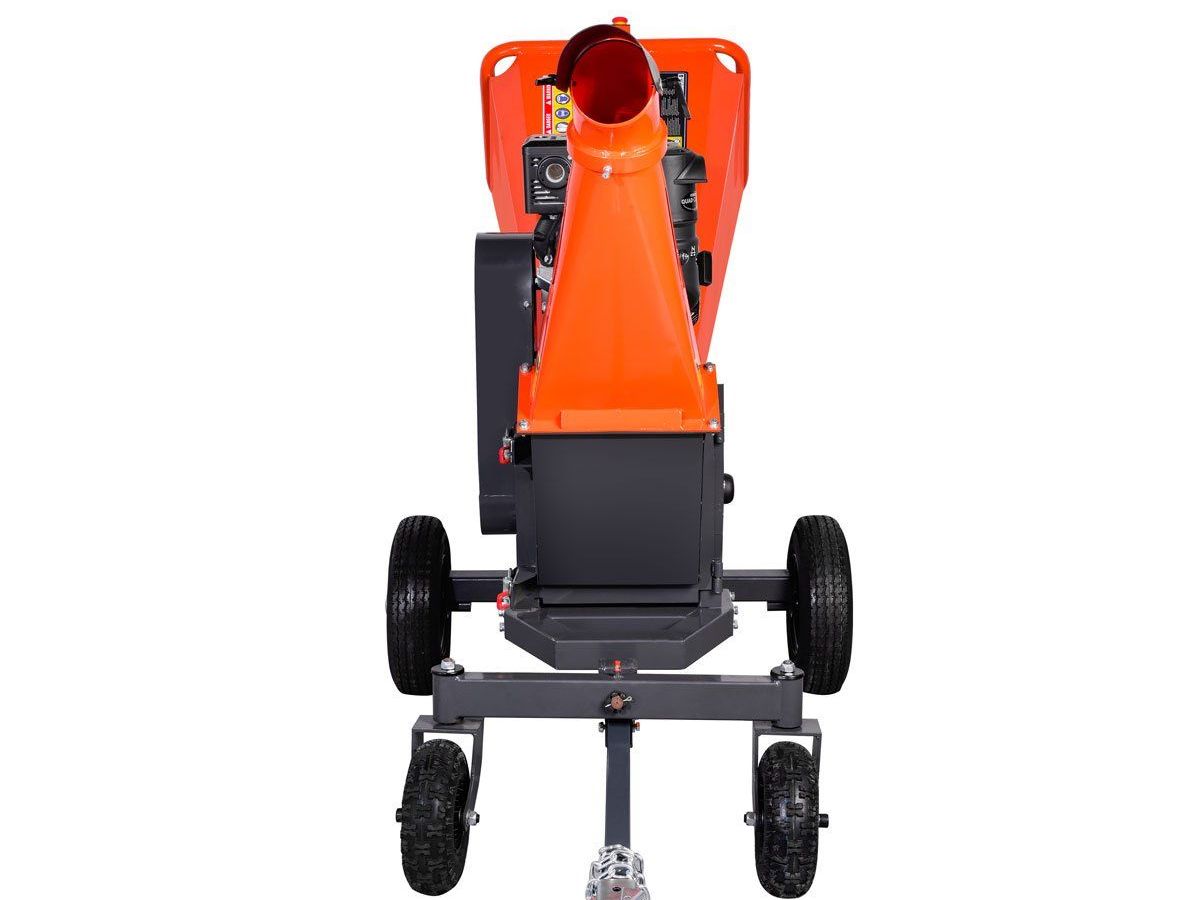
When it comes to chipper engines, power matters. Most chippers, like the TMG-GWC6, pack a punch with a 14 HP engine. This is crucial for handling thick branches and maintaining efficiency. Always check for the engine’s displacement, which is often around 429 cc for robust models. This ensures you can tackle tough jobs without the engine struggling.
Blade Types and Sizes
Blades are the heart of your chipper. Many models use double-edged, reversible blades, typically around 12 inches in size. This design means you can flip them to extend their life. It’s essential to keep them sharp for the best performance. Dull blades not only slow you down but can also damage the machine.
Tire and Hitch Specifications
For towing, check the hitch receiver size, usually 2 inches, which fits most trucks and ATVs. Tires, like the 16"/4.8-8 off-road ATV tires, provide stability and traction, especially on uneven terrain. They help in reducing soil compaction and improve maneuverability, which is a big deal if you’re working on soft or wet ground.
Knowing your chipper’s specs is like having a roadmap for getting the most out of your machine. It helps you avoid surprises and keeps everything running smoothly.
If you’re looking to understand the details of chipper specifications, you’ve come to the right place! Our website offers a wealth of information to help you make the best choice for your needs. Don’t miss out—visit us today to learn more!
Wrapping It Up
Alright, folks, let’s bring it all together. If you’re thinking about getting a tow-behind chipper, you’re not just buying a machine; you’re investing in making your yard work a whole lot easier. These things can turn a mountain of branches into a neat pile of mulch in no time. Just remember, it’s not just about the power or the size; it’s about knowing how to use it safely and keeping it in good shape. So, whether you’re dealing with storm debris or just regular yard clean-up, a tow-behind chipper could be your new best friend. Just keep an eye on those safety features and maintenance tips, and you’ll be golden. Happy chipping!
Frequently Asked Questions
What does a tow-behind wood chipper do?
A tow-behind wood chipper turns yard waste, like branches, into mulch. It attaches to vehicles like ATVs or tractors for easy transport.
Why should I choose a tow-behind chipper over other types?
Tow-behind chippers are mobile and powerful, making them great for large properties. They handle bigger branches and are easy to move around.
What safety gear is needed when using a chipper?
You should wear safety goggles, gloves, and ear protection. It’s also smart to wear snug-fitting clothes to avoid getting caught in the machinery.
How do I maintain my tow-behind chipper?
Regularly check and change the oil, clean the blades, and inspect for wear and tear. Follow the manufacturer’s maintenance schedule for best results.
Can I use a tow-behind chipper on wet ground?
It’s best to avoid using a chipper on wet ground to prevent soil damage and ensure stability. If necessary, use with caution and check the tires for grip.
How do I know if my chipper is overloaded?
If the chipper slows down or the engine struggles, it might be overloaded. Stop and clear any blockages, then continue feeding materials slowly.
What should I do if a branch gets stuck in the chipper?
First, turn off the chipper and wait for all parts to stop moving. Then, use a stick or tool to clear the blockage—never use your hands.
How can I improve the efficiency of my chipper?
Keep blades sharp, feed branches slowly, and avoid overloading. Regular maintenance also helps keep the chipper running smoothly.