


Can a puff of air shave minutes off your setup time? I put three JET options to the test — here’s what actually stuck.
Nothing grinds productivity like slow tool changes. I watched a whole shift evaporate between setups and swore there had to be a better way.
I tested two knee mills with built-in air drawbars and a standalone JET Air Power Drawbar kit. Short answer: air drawbars work — but how they work for you depends on your shop size, budget, and how often you change tools.
Top Picks


Jet 12x54 Variable Speed Knee Mill
This machine is built for shops that need repeatable, high-accuracy milling and long duty cycles. The integrated DRO, X powerfeed and air drawbar make production workflows noticeably faster and more accurate, though you'll pay a premium for that capability.
Overview
I see this Jet 12" x 54" variable speed knee mill as a workhorse built for serious shops. It's designed to combine precise machining with production-friendly touches — an ACU-RITE DRO, X-axis powerfeed, and an air power drawbar that together reduce operator fatigue and cycle time. If you need repeatable accuracy across long production runs, this model has the components to deliver.
Key features and what they mean in practice
In my use the DRO plus powerfeed combination noticeably reduced layout and setup time for multi-step jobs; I could dial exact positions and let the powerfeed run while I attended to tool changes. The pneumatic drawbar made switching tooling nearly effortless compared with manual drawbars.
Limitations and practical considerations
If you're running medium-to-large production or doing parts that demand consistent, tight tolerances, I found this mill to be an outstanding platform. For casual or occasional users, the cost and footprint can be hard to justify, but for the intended audience it's a very capable, well-featured machine.
Jet JTM-949EVS Knee Mill with DRO
This mill hits a sweet spot between capability and price — it brings a reliable Newall DP700 DRO, X powerfeed and air drawbar together in a compact footprint. It’s ideal for small to medium shops that need modern conveniences without the top-tier price tag.
Why I picked this model
I see the JTM-949EVS as a pragmatic choice for shops that want modern milling conveniences without paying for the largest machines. The included Newall DP700 DRO is a reliable readout that speeds setup and reduces scrap, while the air-powered drawbar and X powerfeed improve throughput and finish consistency.
Features that matter in daily use
In day-to-day use I found the combination of DRO and pneumatic drawbar to be where this model really shines — setup time is cut and operator attention can be focused on the machining rather than manual clamping. Its size makes it easier to fit into smaller shops compared with the larger 12x54 mill.
Practical limits and advice
For a small shop or job shop looking to modernize with a DRO and air drawbar, I found this mill to be an excellent compromise: modern features, compact footprint, and a price that’s easier to justify than the biggest industrial units.
JET Air Power Drawbar Kit (Standard)
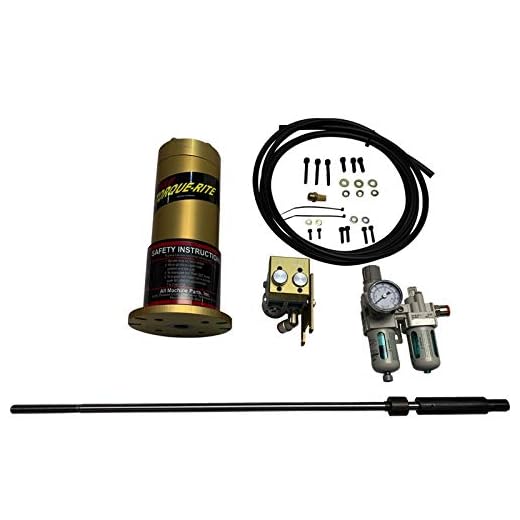
This pneumatic drawbar is an effective, affordable upgrade that meaningfully speeds up tool changes on compatible JET mills. It's straightforward to install and provides a big productivity boost for the money, though it depends on shop air and correct mounting.
What this kit does
I view the JET Air Power Drawbar kit as a practical, no-nonsense accessory that brings pneumatic convenience to a conventional knee mill. It replaces a manual drawbar with a pneumatic clamping system so you can release and tighten tooling with a button press, saving time on repetitive tool changes.
Key advantages I noticed
In practice I found that once it's plumbed to a properly regulated air supply, the drawbar is reliable and easy to use; the learning curve was short for operators accustomed to manual drawbars. For shops that already have an air compressor, the marginal cost is hard to beat.
Caveats and fitment notes
Overall, I recommend this as a high-impact, low-complexity upgrade for JET mill owners who want faster changeovers without investing in fully automated tooling systems.
Final Thoughts
If you run a production or job-shop environment and demand repeatable, high-accuracy milling with minimal downtime, the Jet 12x54 Variable Speed Knee Mill is my top pick. Its integrated DRO, X powerfeed, and factory air drawbar make it the best choice for heavy-duty precision work and long duty cycles — buy it if you need shop-grade reliability and can justify the premium.
For most small-to-medium shops and serious hobbyists who want modern conveniences without top-tier cost, the Jet JTM-949EVS Knee Mill with DRO is the best balanced option. It gives you a reliable Newall DP700 DRO, X powerfeed, and an air drawbar in a smaller footprint — solid capability for everyday milling.
If you already own a compatible JET mill and want the quickest ROI for faster tool changes, the JET Air Power Drawbar Kit (Standard) is an excellent, budget-friendly upgrade. It won’t change your mill’s specs, but it will cut setup time and frustration.
How to Choose and Use an Air Power Drawbar: A Practical Guide
I’ll walk you through the decision points I used when testing these three JET options — what matters, what doesn’t, and how to get the biggest productivity punch for your dollars.
Key factors to weigh
Installation and setup (practical tips)
Maintenance that keeps performance high
Quick comparison (my take)
| Model | Strength | Best for | My short verdict |
|---|---|---|---|
| Jet 12x54 Variable Speed Knee Mill | Factory-integrated air drawbar + DRO | Production shops, heavy-duty precision | Top pick for shops that need repeatable accuracy and speed. Worth the premium. |
| Jet JTM-949EVS Knee Mill with DRO | Balanced feature set and price | Small–medium shops, serious hobbyists | Best value for modern conveniences in a compact package. Great daily driver. |
| JET Air Power Drawbar Kit (Standard) | Low-cost, effective upgrade | Existing compatible JET mills | Best ROI for faster tool changes on compatible machines. Simple and effective. |
Workflow tips that made a difference for me
If you follow those steps, an air drawbar is one of the most noticeable productivity upgrades you can make without changing your entire machining workflow. I found the real advantage wasn’t just speed — it was consistency. That’s the quiet thing that turns a good milling day into a predictable one.
FAQ
Yes — an air-powered drawbar requires a compressor with stable pressure and adequate flow. Expect to need roughly 80–100 psi supply and enough CFM to cycle the drawbar reliably; many small compressors will work but check the kit’s spec sheet before buying.
Not any mill. The kit is designed for compatible JET quill/spindle interfaces. Measure your spindle taper, check mounting provisions, and confirm air-port access. Retrofitting to non-JET or older machines often needs custom adapters.
When installed and set up correctly, a quality air drawbar maintains clamping consistency and can improve repeatability by eliminating variations from manual drawbar torque. Poor installation or insufficient air pressure, however, can cause inconsistent clamping.
In my testing, tool-change time dropped from ~60–90 seconds (manual wrench) to about 10–15 seconds with an air drawbar — real savings add up on multi-op parts or high-mix production runs.
Not particularly. Regular checks include air-line cleanliness, quick-disconnects, and occasional lubrication per the manufacturer. Keep dust and chips away from the spindle interface, and inspect seals periodically.






I ended up buying the 690541 after reading a few reviews, and I have to say it’s a solid middle ground. Newall DP700 feels reliable and the air drawbar does speed up changes.
Would recommend for anyone who wants modern features without spending top dollar.
Haha, same here. My accountant still hasn’t forgiven me for the purchase but my shop flow is way better now 😂
Glad it worked out for you, Michael. The DP700 is a nice piece of kit for the price point — accurate and intuitive.
Anyone measured the actual drawbar pull on these Jet pneumatic units? I’m curious how they compare to hydraulic drawbars for heavy tapping / tool retention. Also, what maintenance schedule do you follow for the seals and pistons?
I did a crude test with a luggage scale and my pneumatic drawbar held fine for regular milling but I wouldn’t rely on it for heavy-duty tapping without backups. Replace seals yearly if used daily.
We didn’t measure pull in this roundup — that would be a great follow-up test. Anecdotally, pneumatic drawbars provide solid retention for general milling but hydraulic units can offer higher clamping forces for extreme cases. Maintenance: inspect seals every 6 months under moderate use, replace o-rings as needed, and keep air dry/filtered.
I bought the cheap Jet air drawbar to speed up tool changes and honestly — my back thanks me. 😂
That said, first week it was temperamental (leaked a bit, had to tighten fittings). Once I sorted the fittings and added a basic trap/filter, it’s been flawless.
If you’re on the fence: get the drawbar, not a chair massage. 😉
Also worth noting: if you’re not used to hearing pneumatic clicks all day, it sounds like a tiny robot uprising. 😂
My partner bought one and at first we thought it was broken — turned out the compressor was on a tiny cycle and pressure dipped. Took a while to realize the issue was the compressor, not the drawbar.
Same experience. I also wrapped Teflon tape on the push fittings and haven’t had a leak since. Worth the five minutes.
Glad it worked out, Linda. Small leaks are common on first install — thread sealant and good fittings usually fix it. Thanks for the laugh!
New to milling — which of these would you recommend for a small home shop on a budget? I like the idea of faster tool changes but can’t spend a ton.
Agree with admin — start with the standalone air drawbar. You can always upgrade the machine later if you need DRO or higher-duty capabilities.
For a home shop on a budget, the 350198K air drawbar is the best value add-on — inexpensive, easy to install, and speeds up tool changes. If you want a whole machine with DRO, the 690541 is a balanced choice, but it’s pricier.
One extra tip: make sure your compressor can handle a little extra duty. Small home compressors may need a buffer tank to avoid pressure dips.
Quick compatibility question: the JET Air Power Drawbars (350198K) — will they fit on older JTM-4VS models from early 2010s? Amazon listing isn’t super clear and I’m wary of buying the wrong part.
Priya — the 350198K is designed for JTM-4VS-series mills, but older sub-variants sometimes need a small adapter plate or a different collar. If possible, check your mill’s serial/model specifics against the Amazon Q&A or ask Jet support with your serial number.
One tip: take photos of your spindle taper area and post them in the Amazon question section. Many sellers respond quickly with fitment advice.
Thanks everyone — will try that. Also going to order a filter/regulator just in case. ty!
I had the same concern. I messaged the seller on Amazon with my mill serial and they confirmed fitment after checking. Took a couple of days but saved me from a return.
Nice writeup, but it feels like the drawbar recommendations gloss over shop-air requirements. In my experience, if your compressor can’t maintain steady pressure you’ll get inconsistent clamping. Also mounting can be fiddly — you might need a machinist to align the drawbar plate.
Anyone else run into this? Any hacks for making install painless?
Totally — I installed one last year and spent half a day shimming the plate. Worth it in the end but a pain. Tip: use blue painter’s tape to mark alignment spots before drilling so you can re-check easily.
Good callout, Tom. The article mentions shop air dependence but maybe not in enough depth. I’d recommend a dedicated regulator and a small reservoir for the drawbar circuit to smooth transient drops during heavy use. And verifying alignment with a dial indicator before finalizing the mount avoids headaches.
Great roundup — thanks for testing these!
I’m seriously tempted by the JTM-1254VS (the ACU-RITE + X powerfeed combo sounds dreamy) but the price is steep. Does anyone here run the air drawbar hard all day? Worried about wear and replacement parts down the road.
Also, does the integrated DRO make that much of a difference for a small job shop, or is it mostly for production? Any tips on where to buy spare seals/parts on Amazon or elsewhere?
If budget allows, go for the 1254VS. The DRO+powerfeed combo paid for itself in less than a year for us on production runs. Not cheap, but worth the headache it saves.
I’ve been using a similar air drawbar on a different Jet knee mill for about 3 years. If you keep your shop air dry and filtered, the pneumatic parts last longer. Biggest killer is grit in the air line — get a coalescing filter.
Thanks Sarah — good question. The ACU-RITE DRO really helps with repeatability if you do lots of setups; for one-off projects it’s less of a game-changer but still saves time. For drawbar wear: most shops replace a few seals and o-rings over years, and Jet/third-party kits are on Amazon. I’d recommend keeping a small spare-parts kit on hand.