


Which of these 8 bandsaws would I trust to eat my stubborn scrap pile and still look good doing it?
Bold statement: A great horizontal bandsaw turns a messy pile of metal into tidy, repeatable parts—and saves you time (and swear words).
I put eight machines through real shop chores so you don’t have to guess. I looked for accuracy, feed control, ease of setup, and which ones survive a long day of cuts without whining.
Top Picks


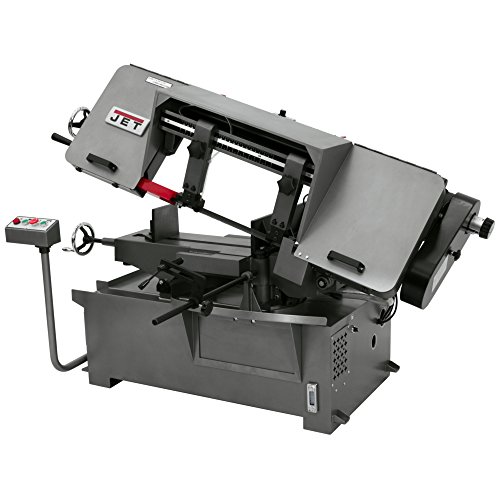
JET 10x16 Heavy-Duty Horizontal Bandsaw
A robust, production-ready machine with excellent vise control and useful operator ergonomics. It shines when you need repeatable, accurate cuts on larger stock without sacrificing reliability.
I see this model as a shop-grade saw built to sit on a factory floor and get work done day after day. The combination of the three-jaw rapid-action vise, cam-follower blade guides, and swing-away control panel is clearly designed to reduce setup time and operator fatigue.
Key features and what they mean in practice
I appreciate how the design minimizes fiddly setup: the vise and guides hold stock securely for repetitive cuts. The coolant system helps reduce blade overheating and extends blade life during heavy-duty cutting.
In real use, this saw performs best in production or heavy hobby shops where uptime matters. If you need a reliable, larger-capacity horizontal band saw and you have the space and budget, this is a machine that rewards that investment with consistent accuracy and durability.
KAKA INDUSTRIAL 7x12 Hydraulic Bandsaw
A heavy, capable saw that punches above its price, offering dual-voltage flexibility and a swivel base for angled cuts. It’s a solid choice if you want production features without spending a small fortune.
I like this KAKA INDUSTRIAL 7x12 for shops that want practical production features without the premium price tag. The dual-voltage motor and 4-speed belt drive let you dial blade speed and torque to the material, and the hydraulic feed helps maintain steady cutting pressure.
What stands out
In my experience users praise the accuracy out-of-box and the heavy-duty crate protection during shipping. The most common gripe is with the downfeed hydraulic design: it can be stiff when lifting the bow, and some operators report difficulty lowering it without powering the machine. Still, once adjusted it makes fast, square cuts and handles angled work better than many saws in this price range.
If you need a durable saw for routine shop metalwork and you don’t mind the weight, this is one of the better value-oriented machines I’ve found.
KAKA 7x8.25 Swivel Head Metal Bandsaw
A well-liked mid-sized saw that combines a 1.5 HP motor, 4-speed belt drive, and a swivel head for angled work. Users report factory accuracy and sturdy shipping — a dependable workhorse for many small shops.
I find this KAKA model compelling for its swivel-head design and the practical feature set aimed at small production and professional hobby shops. The dual-voltage motor and multiple belt speeds let you tune the saw for the cut and material, while the swivel head reduces setup time for angled work.
What users consistently praise
In actual shop use customers report that the saw cuts square right away and holds up under regular use. The common complaint mirrors other models in this price class: the hydraulic downfeed can feel heavy or awkward unless you’re used to that design, and the machine’s weight necessitates proper lifting equipment.
Overall, if you want a versatile, well-supported mid-sized saw with a swivel head and solid performance, this is one of the best-selling, practical options I’d recommend.
JET 8x13 Quick-Position Vise Bandsaw
A thoughtfully designed bandsaw with quick-positioning vise, carbide guides, and easy belt-tension changes for less downtime. It’s a strong performer for small-to-medium production work and demanding hobbyists.
I like this JET 8x13 because it packs several operator-friendly features into a mid-size frame. The quick-positioning vise lets you clamp and release stock rapidly, while the carbide guides and reliable belt-drive system help extend blade life and keep cuts consistent.
Features that matter for productivity
In the shop this translates to less downtime and cleaner cuts. The machine has enough power for serious hobby or small production use, but its 1.5 HP motor and substantial frame make it a heavy piece of equipment to move or fit into a small space.
If you value quick setups, tougher blade life, and a saw that’s comfortable to run all day, this is a great mid-sized option.
Baileigh 6.69" Variable-Speed Mitering Bandsaw
Designed for smaller workpieces and precise angle cutting, this unit gives you stepless speed control and a mitering head up to 60 degrees. It’s a great fit for light fabrication and toolroom tasks.
I recommend this Baileigh model when shop space is limited but you still need accurate, repeatable angled cuts. The head mitering to 60 degrees without compromising vise holding power is a real advantage when making compound or frequent angled cuts on smaller stock.
Why it works for precise jobs
In everyday use I find the variable speed especially useful: softer materials and thin-walled tubing benefit from lower speeds, while thicker or tougher alloys are better at the top end. The machine won’t replace a 10–16" industrial saw for large stock, but for toolroom, prototyping, and light fabrication it’s a very capable choice.
If you frequently cut smaller parts and want accurate miters with minimal fuss, this machine is worth considering.
VEVOR 7x8.25 Rotating-Base Bandsaw
This rotating-base model gives more layout freedom for angled and odd-length cuts, and hydraulic downfeed smooths the cutting action. It’s a versatile choice when shop layout or part geometry requires flexibility.
I like the rotating base on this VEVOR because it reduces the need to reposition large or awkward workpieces — you turn the saw instead of the stock. Combined with hydraulic downfeed and adjustable speeds, it’s a flexible tool for shops that cut a variety of shapes and angles.
Why the rotating base matters
In real-world use the saw is best for shops that need adaptability: short runs of varied work, fixtures for odd-shaped parts, and situations where lifting and moving heavy stock is undesirable. The machine can be heavy and benefits from careful setup, but once dialed in it performs well for its class.
If you need flexible positioning and consistent downfeed control without stepping up to a full industrial saw, this model strikes a useful balance.
Grizzly 7x12 1HP Horizontal Metal Bandsaw
A straightforward bandsaw that delivers reliable square cuts and easy operation for hobbyists and small shops. It offers multiple blade speeds and hydraulic feed control at a competitive price point.
I view this Grizzly as an excellent entry-level-to-midrange horizontal bandsaw for metalworkers who need a dependable machine without high capital outlay. The unit’s multiple speeds and hydraulic feed make it more versatile than bare-bones hobby saws.
Practical features I value
In practice the Grizzly produces square cuts and handles mild steel, aluminum, and thinner stainless acceptably. It won’t match the throughput or the heavy-duty features of larger 10–16" industrial saws, but it’s a balanced, cost-effective option for a small fabrication shop or serious hobbyist.
If you want a no-nonsense saw that’s easy to use and maintain, this is a reliable pick.
VEVOR 7x12 Dual-Voltage Metal Bandsaw
A versatile, budget-oriented saw offering horizontal and vertical cutting modes with variable speed and angle adjustment. It’s a good starter industrial saw but lacks refinement of premium brands.
I see the VEVOR 7x12 as a practical option for shops on a budget that still want flexibility in cutting modes. The ability to switch between horizontal and vertical cutting, plus the angle adjustment and variable speed, makes it adaptable for mixed-material work.
Practical specs that matter
In my use cases the saw covers a lot of typical shop needs: tubing, small plate, and mixed-material work where you want both vertical and horizontal capability. It’s not as polished or as service-backed as higher-end brands, and I’d recommend budgeting for a good blade and possibly some setup tweaks out of the crate.
If you're looking for affordability with decent flexibility, this saw earns a place in small fabrication shops or for hobbyists moving into heavier work.
Final Thoughts
If I could only keep one, it would be the JET 10x16 Heavy-Duty Horizontal Bandsaw — hands down. It’s built for production: solid vise control, operator-friendly ergonomics, and the guts to make repeatable, accurate cuts on larger stock. Pick this if you do heavy fabrication, run batches, or need a saw that won’t slow your workflow.
If I'm on a tighter budget but still want real production features, I’d recommend the KAKA INDUSTRIAL 7x12 Hydraulic Bandsaw. It punches above its price with hydraulic feed, dual-voltage flexibility, and a swivel base for angled cuts. It’s my go-to pick for a busy small shop that wants capability without the premium price.
FAQ
I prefer hydraulic feed for consistent, hands-off cutting—especially on thicker stock. It smooths the blade life and gives more predictable cycle times. For occasional hobby use, a manual or spring-assisted feed is fine, but for any repeat production work I’d choose hydraulic.
I match tooth pitch to the material thickness: more teeth per inch (TPI) for thin sheet and fine cuts, fewer TPI for thick stock. Use bi-metal blades for general steel work and carbide-tipped blades for abrasive or hardened materials. When in doubt, a 3–6 TPI bi-metal is my go-to starting point.
I value swivel heads and rotating bases when I need angled cuts or to manage odd-length parts without re-fixturing. A fixed head is simpler and often sturdier for straight cuts. If you frequently do miters or odd geometries, get a swivel/rotating option like the KAKA swivel or the VEVOR rotating-base models.
Very picky. I’ve found good blade guides (especially carbide) dramatically reduce wandering and extend blade life. Machines with easy guide adjustment, like the JET 8x13 or JET 10x16, save time setting up and keep cuts truer over long runs.
I always check motor voltage and power draw before buying. Several models here (KAKA INDUSTRIAL 7x12 and VEVOR 7x12) offer dual-voltage flexibility, which I like for shops that have 110/120V and 220/240V options. If you only have 120V, pick a saw explicitly rated for it or plan on upgrading the circuit.
I spend on build quality (frame rigidity, vise, and feed system) and reliable controls—those affect cut accuracy and longevity. I’ll save on extras like fences or stands, which I can often fabricate myself. Mid-range machines like the KAKA 7x12 give the best balance of durability and price for most shops.







Question for anyone who owns the KAKA BS-712R (swivel head): how reliable is the swivel mechanism over time? I do a lot of odd angles and the adjustable 45-90 bow sounds perfect.
Also curious about blade availability and standard blade lengths for these mid-size saws. I don’t want to buy a machine and then discover blades are a pain to source.
Thanks!
Emily, another user here: when in doubt, ask the seller for the exact blade length spec before purchase. Some listings leave it out and you get surprised.
Also, if you plan a lot of stainless or abrasive alloys, consider blades with higher hardness and fewer TPI to reduce overheating.
The swivel head on the BS-712R is generally solid for hobby and light production. You’ll want to check bolts and indexing detents periodically. As for blades, these mid-size machines use pretty common imperial metric blades — many vendors list compatible lengths. KAKA users report no major sourcing issues.
I own the 712R. Swivel has been fine for 2 years; I keep it clean and periodically grease pivot points. Blade lengths: I buy from a local metal supply and keep a few tooth pitch options on hand. Pro tip: matching TPI to the material saves your blade life.
Short version: if you want a swiss-army-saw for angles and mitering without going crazy on price, Baileigh looks tempting. The variable speed and miter head up to 60 degrees are killer for smaller precise projects.
That said, I laughed at the dual VEVOR listings. Two nearly identical models with slightly different capacities? Classic marketplace math 😂
Anyone used the VEVOR in vertical mode frequently? I’m worried about build quality for repeat precision.
Used a VEVOR for a year in a community shop. It handled general metalwork fine, but I had to tweak guides and bearings more often. Not a disaster, just more hands-on maintenance.
You’re right to be skeptical. VEVOR gives good features for the money, including dual-mode, but tolerances and finish aren’t on par with JET or Baileigh. For occasional vertical cuts it’s fine; for precision-heavy, toolroom work, Baileigh or Grizzly is a safer bet.
VEVOR is a great starter if you’re on a budget. Don’t expect perfect factory alignment out of the box tho — plan for a little setup time.
I bought the JET 8×13 (J-7015) last summer after reading similar reviews. The quick-positioning vise and carbide guides are legit — changed how fast we can swap parts.
Couple practical notes for anyone on the fence:
1) Arrange lift assistance for delivery. That thing is heavy.
2) The belt-tensioning is easier than expected, but keep the manual handy.
3) Expect to spend a morning dialing in blade guides for perfect square cuts.
If you need a machine that minimizes fiddling mid-shift, JET is worth the premium. If you’re doing hobby weekend projects, a Grizzly or KAKA will save cash.
Solid field report, Marcus. Appreciate the delivery tip — many underestimate the logistics. Good point on initial setup; even premium saws benefit from a quick shop-level calibration.
Gary: yep, I added roller supports and a basic outfeed table. Makes life way easier for long stock. Also some clamping jigs for repeat cuts.
For garage use I went with the Grizzly and a couple inexpensive roller stands. Not as refined, but for hobby it’s plenty.
Roller stands are almost essential for longer material. Also consider adding a coolant or misting system if you cut a lot of thick steel to extend blade life.
Did you need any extra table mods or fixtures for longer stock? Thinking of getting one for my garage but worried about supporting long pieces.
Great roundup — I was actually deciding between the JET 10×16 and the KAKA BS-712N for a small fabrication shop.
My priorities are reliability and minimal downtime. The JET looks like the heavy hitter (that 9.6 rating speaks for itself), but it also seems like a bigger investment and takes more floor space.
Anyone here moved from a mid-range KAKA to a JET and noticed a big difference in day-to-day uptime or cut consistency? I do a lot of repeat-length cuts on thicker stock, so accuracy matters.
Also, any tips on whether to go 115/230V hardwired or stick with a single-voltage setup? I have a 230V feed but the shop is still a mix.
I moved from a KAKA to a JET last year. Night and day for heavy stuff: blade life and repeatability improved. But for small jobs and occasional use, the KAKA was perfectly fine. If you do long runs every day, go JET. If it’s occasional or varied work, KAKA saves $$$.
Thanks for the question, Sarah. We found the JETs tend to be more durable in continuous-production environments — better vise control and easier ergonomics reduce operator fatigue. If you already have 230V, wiring the JET for 230V is often the best choice for torque and longevity. That said, the KAKA with hydraulic feed is a fantastic value if your workload isn’t full-production 24/5.
Nice roundup — helped narrow down options. I’m leaning toward the smaller Baileigh for the mitering, but the dual-mode VEVOR with rotating base seems so flexible for odd shapes.
Anyone worried about customer support with VEVOR vs established brands like JET or Grizzly? Also, tiny typo in the review where it says ‘Vertical Cutting Bandsaw’ for the 7×12 VEVOR — meant horizontal I think? 🤔
Minor stuff but matters if you need parts/support later.
Good catch on the wording — thanks, we’ll double-check that line. On support, JET/Grizzly/Baileigh generally have stronger dealer networks and replacement part availability. VEVOR is fine if you can handle more self-service and aftermarket parts sourcing.
I’ve had an okay experience with VEVOR support, but response times vary. For guaranteed quick parts, stick with JET/Grizzly.