

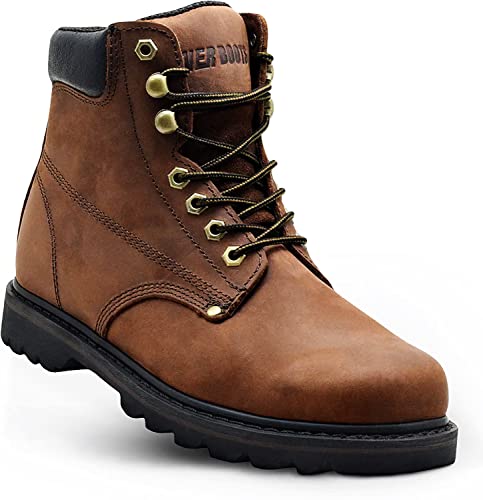
Welcome, hardworking readers! Did you know that more than 25% of workplace injuries involve the feet? Stay one step ahead (pun intended) by choosing the perfect work boots for various environments. In this blog post, we will explore why selecting the right footwear is crucial for your safety and comfort at work. Let’s make sure your feet are always up for the task!

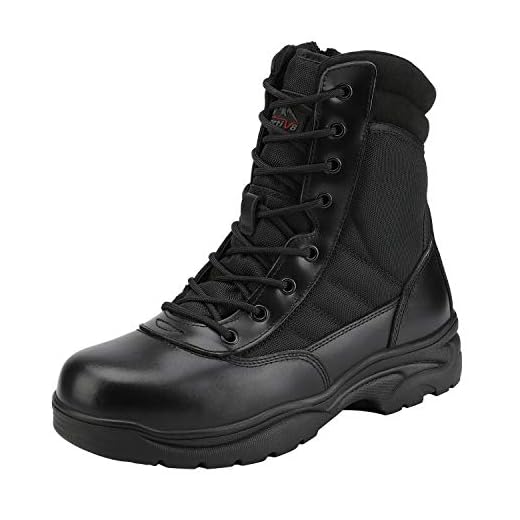

Understanding Work Boot Types
When it comes to selecting the right work boots, it’s essential to consider the various types available to ensure you’re equipped for your specific work environment. Different work boot types offer distinct features tailored to different needs. Let’s delve into the key types of work boots and their applications:
1. Steel-Toe Work Boots
Steel-toe work boots are designed with a protective steel cap in the toe box to safeguard your toes from impact and compression injuries. They are ideal for environments where heavy objects or equipment are present, such as construction sites, warehouses, and manufacturing plants.
- Example: Timberland PRO Men’s Pit Boss Steel-Toe Boot
2. Composite-Toe Work Boots
Composite-toe work boots use non-metal materials like Kevlar, carbon fiber, or plastic to provide toe protection. They are lighter than steel-toe boots and offer better insulation against cold temperatures. Composite-toe boots are suitable for those who work in security, airports, or areas with metal detectors as they are non-metallic.
- Example: Keen Utility Men’s Lansing Mid Steel Toe Work Boot
3. Waterproof Work Boots
Waterproof work boots are essential when working in wet or muddy conditions. They are designed with materials that repel water, keeping your feet dry and comfortable throughout the day. These boots are beneficial for those working in landscaping, agriculture, or outdoor construction.
- Example: Carhartt Men’s 6-Inch Waterproof Wedge Soft Toe Work Boot
4. Insulated Work Boots
Insulated work boots are equipped with extra lining to provide warmth in cold environments. They are perfect for those working outdoors in winter or in freezers where temperatures are extremely low.
- Example: Wolverine Men’s Overpass 6″ Composite Toe Waterproof Insulated Work Boot
Factors to Consider When Choosing Work Boots
When selecting work boots, it is essential to consider various factors to ensure you are making the right choice for your specific needs. From job environment to comfort features, here are the crucial considerations to keep in mind:
Job Environment
- Hazardous Conditions: If you work in an environment with specific hazards like electrical risks, chemicals, or extreme temperatures, choose work boots that provide the necessary safety features.
- Terrain: Consider the type of terrain you will be working on. For example, if you work in construction, you may need rugged boots with good traction.
Safety Requirements
- ASTM Standards: Look for work boots that meet or exceed ASTM standards for safety, such as toe protection, puncture resistance, and electrical hazard protection.
- Slip-Resistance: Choose boots with slip-resistant outsoles to prevent accidents in slippery conditions.
Material Durability
- Leather: Opt for quality leather boots for durability and water resistance.
- Composite Toe: Consider boots with a composite toe for lighter weight and better insulation than steel toes.
Comfort Features
- Cushioning: Look for boots with cushioning insoles to provide comfort during long hours of wear.
- Moisture-Wicking: Choose boots with moisture-wicking lining to keep your feet dry and comfortable.
- Arch Support: Consider boots with good arch support if you have foot conditions that require extra care.
Sizing
- Proper Fit: Ensure the work boots fit properly to prevent blisters or foot pain.
- Half Sizes: Some brands offer half sizes for a more precise fit.
By considering these factors, you can choose work boots that not only provide the necessary safety features but also offer comfort and durability tailored to your work environment and personal needs. When looking for work boots that excel in these aspects, consider brands like Red Wing Shoes, Timberland Pro, or Carhartt for high-quality options that prioritize both safety and comfort.
Remember, investing in the right work boots is essential for your overall well-being and productivity at work.
Work Boots for Specific Environments
When it comes to choosing work boots, one size does not fit all. Different work environments require specific features and functionalities to ensure safety and comfort. Let’s dive into recommendations tailored for various work environments:
Construction Sites
Construction sites pose unique hazards such as heavy machinery, sharp objects, and slippery surfaces. Workers in these environments need robust work boots that offer:
- Steel toe caps for protection against falling objects
- Slip-resistant outsoles for traction on uneven terrain
- Waterproof materials to keep feet dry in all weather conditions
Recommended Work Boot: Timberland PRO Men’s Direct Attach 6″ Steel Toe Boot
Industrial Settings
Industrial settings often involve exposure to chemicals, electrical hazards, and extreme temperatures. Work boots for industrial environments should have:
- Electrical hazard protection
- Chemical-resistant materials
- Insulation for warmth in cold environments
Recommended Work Boot: Dr. Martens Men’s Ironbridge Steel Toe Heavy Industry Boots
Outdoor Work
Outdoor work like landscaping, farming, or forestry requires work boots that can withstand rough terrain and prolonged use. Look for boots with features such as:
- Breathable materials to keep feet cool
- Puncture-resistant plates to protect against sharp objects
- Anti-fatigue technology for all-day comfort
Recommended Work Boot: KEEN Utility Men’s Pittsburgh 6″ Soft Toe Work Boot
Office Environments
Even in office settings, work boots might be necessary for certain roles that involve occasional visits to warehouses or construction sites. In these cases, opt for work boots that are:
- Stylish and versatile to pair with office attire
- Lightweight and comfortable for all-day wear
- Slip-resistant to prevent accidents in common areas
Recommended Work Boot: Blundstone Men’s Original 500 Series
By choosing work boots specifically designed for the environment you work in, you can ensure both safety and comfort throughout your day. Remember, investing in the right pair of work boots is an investment in your well-being and productivity.
Maintenance and Care Tips for Work Boots
Investing in a quality pair of work boots is essential for both comfort and safety, but to ensure they last for a long time, proper maintenance and care are crucial. Here are some practical tips to help you prolong the lifespan of your work boots:
Cleaning
- Regular Cleaning: After each use, wipe off any dirt, mud, or debris from your work boots using a damp cloth.
- Deep Cleaning: For a thorough clean, use a specialized boot cleaner such as Nikwax Footwear Cleaning Gel, following the manufacturer’s instructions.
Conditioning
- Leather Boots: Condition leather work boots using a high-quality product like Red Wing’s All Natural Leather Conditioner.
Waterproofing
- Waterproofing Treatment: Apply a waterproofing product like Sno-Seal Original Beeswax Waterproofing.
Maintenance
- Inspect Regularly: Check your work boots for any signs of wear and tear, such as loose stitching or worn-out soles.
- Resoling: When the soles wear down, consider resoling your boots at a reputable cobbler or through the manufacturer’s resoling service.
Storage
- Proper Storage: Store your work boots in a cool, dry place away from direct sunlight to prevent leather from drying out or cracking.
By following these maintenance and care tips, you can ensure that your work boots remain in top condition, providing you with the comfort and protection you need for your day-to-day tasks. Remember, proper care not only extends the lifespan of your boots but also maintains their appearance and functionality.
Choosing the Right Work Boots
Listen up, folks. When it comes to picking the perfect work boots, you gotta think like Goldilocks – not too hot, not too cold, but just right. Start by really nailing down what your job throws at you daily. Are you stomping through mud all day? Dodging sparks in a workshop? Or just need something comfy for those long shifts on your feet?
Don’t just grab the first pair you see. Take a minute to try ’em on and walk around. Your feet’ll thank you later. And hey, don’t be afraid to invest a little more in quality boots. Cheap ones might save you a few bucks now, but you’ll be kicking yourself (pun intended) when they fall apart in a month.
Remember, the right work boots aren’t just about looking tough. They’re your secret weapon for staying safe, comfy, and productive all day long. So choose wisely, my friends. Your feet are counting on you.
Answers to Your Work Boot FAQs
When considering work boots for long days on your feet, you should look for features like cushioning, arch support, and slip resistance. Brands such as Timberland Pro, Red Wing, and Keen are well-known for their high-quality work boots that provide comfort and support. Make sure to try them on to ensure they fit properly and provide the necessary support for your job. Keep in mind that the best work boots for you will depend on your specific needs and preferences, so it’s essential to find the right balance of comfort and safety features for long days on your feet.
Yes, steel toe work boots are necessary for industrial environments where there is a risk of heavy objects falling or rolling onto your feet. They provide protection against impact, puncture, and compression injuries that can occur in such settings. Wearing steel toe work boots is an important safety measure to help prevent foot injuries and ensure your well-being in industrial workplaces.
Slip resistance in work boots is crucial for various environments to prevent accidents and ensure safety. In industries like construction, manufacturing, and healthcare, where wet or oily surfaces are common, slip-resistant boots are essential to reduce the risk of slips and falls. The right level of slip resistance can make a significant difference in preventing injuries and promoting a safe work environment. So, choosing work boots with good slip resistance is highly important in various work settings.




It’s nice that the article includes recommendations for different climates. That’s something I never considered before.
I never realized there were different types of work boots for different environments. Very informative read.
This article could benefit from including tips on how to care for your work boots to make them last longer.
What’s the most important feature to consider when choosing work boots for outdoor environments?
It would be nice to see some recommendations for women’s work boots as well.
I work in a warehouse, do you think the same boots used for construction would work for me?
Great article! I work in construction so this was really helpful for me. Thanks!
I have wide feet so finding comfortable work boots is always a challenge.
I wish there were more affordable options listed for those of us on a tight budget.
I wonder if investing in a more expensive pair of boots is really worth it in the long run.
I appreciate the breakdown of different safety features to look for in work boots. Very comprehensive.