


Which 15-Inch Bandsaw Will Make Your Resawing Less Gruff and More Grin?
I love a clean re-saw line. I also love machines that feel like they were built to be used all day.
I tested five 15″ bandsaws so you don’t have to guess. Short story: some are built for buttery finishes, others for raw power — and one can even cut a little metal if you need it.
Top 5 Picks


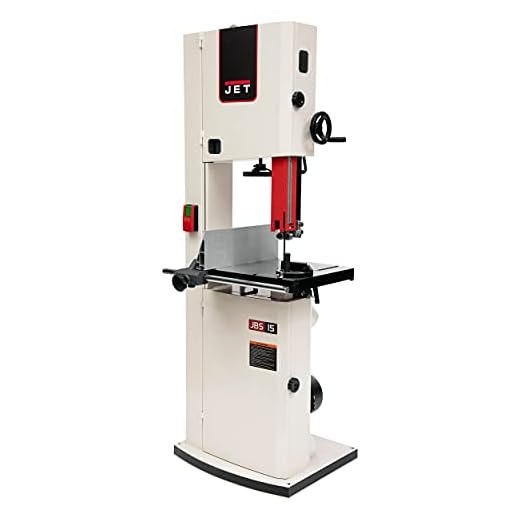

Powermatic PM1500T ArmorGlide 15-Inch Bandsaw
I was impressed by the ArmorGlide-coated table and premium features that make day-to-day work smoother and cleaner. It combines the excellent build of the PM1500 line with a low-friction top and foot brake, which improves control and reduces maintenance over time.
What makes the PM1500T different
I bought this variant specifically because of the ArmorGlide table coating. The low-friction, industrial-grade surface noticeably reduced drag on larger panels and felt easier to keep clean and rust-free. Combined with Powermatic’s typical attention to fit and finish, the PM1500T feels like a premium shop tool.
Features and real-world benefits
Limitations and setup advice: the premium finish and extras add cost, and the saw’s bulk is significant. I arranged for professional delivery and a lift into the shop; trying to move it unassisted isn’t realistic. Expect to spend time dialing in the guides and table the first day for best accuracy.
My final impression
If you want a high-end 15" bandsaw with reduced maintenance and a better work surface, this model is an excellent choice. I view it as a long-term shop asset — more expensive up front, but it saves time and frustration in daily use.
Powermatic PM1500 15-Inch Wood Bandsaw
I found this saw to be an exceptionally solid, accurate 15" machine that feels like a scaled-down professional bandsaw. The heavy cast-iron construction, 3 HP motor, and high-end blade guides make big resawing jobs effortless, though setup and placement are a commitment.
Why I picked this one
I bought and tested this because I wanted a 15" bandsaw that behaves like a full-sized professional machine without the footprint of a 20" saw. In everyday use it delivers the kind of smoothness and consistency I expect from Powermatic: minimal vibration, accurate tracking, and the power to resaw thick hardwood with confidence.
Key features and how they help me
The oversized side fence plate and generous throat depth let me tackle tall stock and bookmatched panels; I routinely resaw boards that would have been tricky on smaller saws. If you plan to do significant resawing or production work, that 3 HP motor and the machine’s rigidity show real benefits in finish quality and cycle time.
Practical notes and limitations
Final thoughts: If you want a 15" bandsaw that performs like a shop-grade machine and you’re willing to pay for build quality and power, this saw is hard to beat. I consider it an investment that pays back in accuracy and long-term reliability.
JET JWBS-15 3 HP Resaw Bandsaw
I found the 3 HP Jet to be a great choice when larger resaw capacity and more torque matter. It runs quiet and smooth after careful setup, but watch for quality-control issues like a table top that may need alignment out of the box.
Why choose the 3 HP version
I moved to the 3 HP Jet when my projects demanded more consistent resaw power. The extra horsepower noticeably reduces stall and gives a steadier feed when resawing wide, dense hardwoods. If you do long or frequent resaw cuts, the motor difference is tangible.
Features that stood out in my use
Practical caveat: I encountered a unit with a slightly crooked miter slot — this is uncommon but something to check immediately on delivery. Also, the included cord and plug are nonstandard in some configurations; I recommend consulting an electrician to fit a conventional, heavy-gauge 240V setup and upgrading the cord for better reach.
Final take
If you want a 15" bandsaw that won’t shy away from consistent heavy work, this is a great value. Expect to spend a bit of time on setup and electrical provisioning, but the performance gains are worth it for demanding resaw work.
JET JWBS-15 1.75 HP Bandsaw
I think this model gives a strong mix of capability and value for woodworkers who need more capacity than benchtop saws. It’s sturdy, resaws well up to practical limits, and the toolless features speed setup, though some accessibility points (like lower thrust bearing access) can be fiddly.
Who this is for
I recommend this 1.75 HP Jet for woodworkers who want a serious floor-model bandsaw without stepping into the highest price tier. It’s a sensible step up from smaller hobby saws and is capable of resawing wide stock when matched with a good blade and proper feed technique.
Notable features I used
Practical experience: I’ve resawn maples and other hardwoods up to several inches thick and the motor and table held up well. Blade choice matters — with a quality resaw blade the finish and feed are much easier.
Drawbacks and setup tips
Bottom line: I like this saw for the price-performance balance. It’s a dependable shop workhorse for most hobbyists and small-shop pros who don’t need max production horsepower.
Palmgren 15-Inch Vertical Wood/Metal Bandsaw
I like the flexibility of a vertical wood/metal bandsaw when my shop needs both cutting types. It won’t match the refined finish of premium woodworking-only machines, but it’s a versatile tool for mixed shops and light metal work.
Who should consider this saw
I recommend the Palmgren if your shop needs a single, flexible bandsaw that can handle both woodworking and occasional light metal cutting. It’s a sensible choice for hobbyists or small shops that don’t want separate dedicated machines.
What I noticed in use
Practical tips: Expect to compromise on ultimate surface finish and adjust feeds more carefully when switching materials. I switched blades and speeds when jumping from hardwood resawing to thin steel and got the job done, but I wouldn’t rely on it for precision metal fabrication.
Bottom line
This Palmgren model is attractive for shops that value versatility over highly tuned woodworking performance. If your workload splits between wood and metal and you need a single solution, it’s worth considering — but if you primarily do fine furniture or production resawing, a woodworking-focused 15" saw will deliver better finish and repeatability.
Final Thoughts
If you want the smoothest day-to-day woodworking experience and a table that practically encourages accurate cuts, I recommend the Powermatic PM1500T ArmorGlide 15-Inch Bandsaw. Its ArmorGlide-coated table, low-friction top, and thoughtful features make it my pick for finish work, joinery, and shops where surface quality matters.
If your priority is raw resawing power and industrial-style durability, go with the Powermatic PM1500 15-Inch Wood Bandsaw. The 3 HP motor, cast-iron build, and robust blade guidance make it the best option for heavy resaw tasks and ripping larger billets with consistent results.
Buying and Using a 15-Inch Bandsaw: My Practical Guide
I always start by matching your work to the saw's strengths. Think about the biggest boards you'll cut, how often you'll resaw, and whether you ever need to cut metal. Here are the core factors I consider every time:
Motor and Resaw Capacity
I measure resaw needs by the maximum height you plan to cut — translate that to blade length and motor torque. Bigger billets demand both a stout frame and more torque.
Table, Fence, and Finish
The table is where accuracy lives. A low-friction surface reduces snipe and makes long cuts easier. The PM1500T’s ArmorGlide table stood out to me because it keeps material moving cleanly against the fence. If you buy a saw without a premium top, plan on a solid aftermarket fence and a table tune.
Things to check:
Blade Guides, Tracking, and Ease of Setup
A good blade-guide system keeps you cutting straight and reduces blade wear. Look for:
The Powermatic models have robust guide systems for long-term accuracy. Jet models are strong too but sometimes require a careful setup out of the box. If you’re not comfortable aligning bearings, factor in setup time or shop setup help.
Mixed-Material Cutting and Versatility
If you need to cut both wood and occasional metal, the Palmgren is the versatile choice. It sacrifices some finish polish compared to a woodworking-only machine but lets you keep one footprint for two tasks. For metal cutting:
Shop Setup and Practical Considerations
Small comparison (quick):
| Saw | Strength | Best for |
|---|---|---|
| Powermatic PM1500T | Low-friction table, refined finish | Finish work, joinery, long runs where surface quality matters |
| Powermatic PM1500 | Heavy cast-iron build, 3 HP power | Big resaw jobs, heavy production-style resawing |
| JET JWBS-15 (3 HP) | Good power, value | Resaw with more torque needs, budget pro shops |
| JET JWBS-15 (1.75 HP) | Mid-range value, toolless features | Serious hobbyists who want capacity above benchtop saws |
| Palmgren 15" | Mixed wood/metal capability | Shops needing occasional metal cutting and wood versatility |
Final tips from my bench: always start with a proper blade for the job, spend time dialing in guide bearings and table alignment, and plan for dust collection first. Those small steps save you hours of frustration and keep cuts accurate for years.
FAQ
Only if you plan to resaw large hardwoods regularly or run the saw for long, demanding sessions. A 3 HP motor (like on the Powermatic PM1500 or the JET 3 HP) gives more torque under load and keeps blade speed steadier during thick resaw cuts. For hobby work and occasional resawing, a 1.75–2 HP motor is often fine and easier on your shop's electrical supply.
You can, but it's not ideal. If you need occasional light metal cutting, the Palmgren 15-Inch Vertical Wood/Metal Bandsaw is built for mixed use. For metal cutting on a woodworking saw, use the correct bi-metal blade, slower blade speeds, and expect more wear. Never mix wood and metal blades on the same table without cleaning and checking guides.
Use wider blades (3/8" to 1/2") for resawing — they track straighter and resist deflection. For tight curves, switch to a narrower blade (1/8"–1/4"). A good practice is to keep a couple of dedicated blades: one stout resaw blade and one narrow blade for circles and detail cuts.
Very. A low-friction, straight table makes accurate cuts and lessens tear-out. The ArmorGlide table on the Powermatic PM1500T is a real time-saver: less stickiness, easier fence work, and fewer finish surprises. If a table arrives warped or uneven (a common QC complaint on some models), budget time to plane or replace it for best results.
Focus on blade tracking/tension, guide alignment, and dust control. Keep blades sharp, clean the wheels and guides, and check bearings periodically. Good dust collection protects bearings and keeps your fence and table cleaner, which equals better cuts and longer machine life.
Absolutely. Quick adjustments for blade guides, table tilt, and blade changes speed workflow and reduce frustration. The JET 1.75 HP model's toolless features are handy for hobbyists who switch tasks frequently.






I went with the Powermatic ArmorGlide (PM1500T) after reading reviews like this — worth every penny if you care about finish. The low-friction table is legit; I noticed less tearout on figured woods and cleanup is faster.
A bit of a beast to move into the shop though, so plan for help during delivery.
Glad you found the ArmorGlide helpful, Sarah — great note about figured woods. Yes, it’s definitely a two-person move; the cast iron base is no joke.
Totally — got one last year, and the foot brake is a life-saver for stopping big resaws safely. If you do a lot of veneers, it pays back fast.
Do you find maintenance easier with the ArmorGlide coating? Thinking about swapping from an older Craftsman.
Anyone have space/footprint measurements for the PM1500? My shop is 12’x12′ and I need to figure out placement. The article mentions heavy cast-iron construction but not exact footprint.
Also, does the stand take up extra room for dust collection ports?
PM1500 needs a fair bit of clearance for infeed/outfeed and dust hose. Allow at least 4–5 feet of length for handling long stock, and a 3-foot radius for comfortable movement around it. The base is compact but the cast-iron stands require room for the dust port — a 4″ hose is typical.
I squeezed mine into a similar-sized shop by angling the table toward a wall and running a low-profile dust boot. It’s tight, but manageable if you plan workflow and keep the workbench movable.
Heads up about the JWBS-15-3 (3 HP Jet) — I had a QC issue out of the box where the table needed shimming to align. Jet runs great once dialed in, but expect some setup time. If you’re buying from Amazon, keep the return window in mind.
Does Jet offer any extended QC checks if you contact them? I had a small wobble and their support helped me troubleshoot over the phone.
Same here. Took me half a day to get the table and wheels true, but after that it’s been a torque monster.
Good tip on the table alignment — we mentioned possible QC issues in the verdict. Always check alignment and run-in the bearings before heavy cuts.
I appreciate the roundup breakdown, but could someone clarify blade selection for these 15″ machines?
– For resawing wide slabs, what’s the ideal blade width and tooth configuration?
– For curved work and finer profile cuts, what should I keep in the shop?
– Any tips on tensioning and tracking that are model-specific (PM vs Jet)?
I’m upgrading from a 14″ benchtop and want to buy blades right away so I don’t waste time guessing.
I keep three blades per machine: resaw, general-purpose, and curve blade. Rotating them extends life and keeps performance consistent.
Also, invest in a resaw fence/sled for big slabs — way easier to keep feeds steady. And pick up a digital tension gauge if you’re picky about repeatability.
Don’t forget blade cleaning and occasional tempering — metal pitch buildup kills performance quickly on hardwoods.
Great questions. Short answers:
– Resawing wide slabs: use wider blades (1″ or 3/4″), lower TPI (2–4 TPI) for fast, clean resaws. For very wide slabs pick a stiff, wider blade to reduce drift.
– Curves/fine profiles: use narrower blades (1/8″–1/4″) with higher TPI (6–10) depending on smoothness desired.
– Tension/tracking: Powermatic tends to have robust tensioning systems; follow the manual for blade-specific tension and use a tracking test with the wheel covers off. Jet is similar but may need more patience on initial setup; always check blade alignment against the guides and throat plate before cutting.
One extra tip: store blades flat or hanging by the ends to avoid warping. And if you’re switching between metal and wood, keep separate blades to avoid premature dulling.
Palmgren for mixed wood and light metal work? Sounds like the jack-of-all-trades, master-of-none pitch — but honestly, that’s exactly what my garage needs. I don’t need museum-level finish on metal, just a saw that won’t cry when I toss a bit of aluminum through it.
Anyone used one for mild steel? Curious about blade life.
Palmgren is solid for light metal like aluminum and thin steel, but it won’t match the precision finish of a dedicated woodworking bandsaw on fine hardwoods. Use proper bi-metal blades for metal and expect faster wear versus wood-only blades.
Used mine on aluminum extrusions with bimetal blades — blade life was reasonable if you kept speeds low and used cutting fluid. Don’t push too hard.
Toolless adjustments on the JWBS-15 are a godsend for quick jobs.
But maintenance-wise, anyone has a checklist for monthly checks on a 15″ bandsaw? I’m trying to be proactive so the guides and bearings don’t fail mid-project.
Would love a short maintenance routine specific to Powermatic vs Jet if possible.
Thanks!
And for users who do a lot of resawing, check blade drift occasionally and invest in a good resaw fence to reduce stress on the blade and guides.
Monthly checklist (short):
– Inspect blade for cracks and tension.
– Clean gullet and throat plate.
– Check wheel bearings for play and lubricate per manual.
– Inspect guide blocks/thrust bearing for wear and adjust.
– Check alignment of table and blade tracking.
Powermatic tends to have heavier-duty sealed bearings; Jets may need slightly more frequent checks after the break-in period.
Also check electrical connections and motor cooling vents — dust can clog them and cause heat issues.
Great roundup. I’m torn between the PM1500 and the ArmorGlide version. The ratings are close (9.5 vs 9.6) — is the ArmorGlide coating worth the extra cost for someone who resaws occasionally but mainly does joinery?
Short answer: for mostly joinery, PM1500 is plenty. ArmorGlide is a better choice if you want easier sled movement and less waxing/maintenance over time.
I upgraded to ArmorGlide for the surface and never regretted it. But I do a LOT of resawing, so YMMV.
Also consider your shop workflow — if you frequently move big panels around on the table, the ArmorGlide is worth it. Otherwise PM1500 wins on value.
If joinery + occasional resaw is your mix, the standard PM1500 is a fantastic workhorse. Save the extra cash unless you really want the ultra-smooth table surface.
I’ve got the JWBS-15 (1-3/4 HP) and it’s been fantastic for my weekend projects — resaws up to a decent thickness and the toolless adjustments are sooo handy. A couple of quirks like lower thrust bearing access but overall a great mid-range saw 😄
Would recommend for serious hobbyists who don’t want to go full industrial.
Agreed. I replaced mine’s throat plate with a nicer aftermarket one and it’s even better. Little mods go a long way.
Thanks for the real-world confirmation, Emily — good to hear the toolless features make a difference for hobbyists.
15-inch bandsaws feel like overkill until you actually need to resaw a 6″ board and then you’re suddenly very grateful. 😂
That said, for casual hobbyists, the JWBS-15 (non-3HP) looks like the sweet spot — good performance without the commercial footprint.
Yep — saved me hours on a dining table project. If you do occasional big stuff, go bigger; otherwise the mid-range Jet is great value.
Haha true — the extra capacity is addictive. The 1-3/4 HP Model is excellent for hobbyists who want capability without industrial power needs.
Quick question about the Jet 3 HP (JWBS-15-3):
I run a 115/230V shop but my main compressor and table saw are 230V — should I plan on wiring for 230 just for the Jet? Also, anyone had issues getting replacement blades that fit the 15″ machines?
Appreciate any real-world setup tips — I’m not an electrician so I want to avoid surprises.
I wired mine to 230 and it runs smoother under load. As for blades, buy a couple of brands (Timberline, Olson) and you’ll find what suits you. Also, bring a piece of plywood when shopping for blades IRL to test fit if possible.
If you already have a 230V breaker for other machines, using the Jet 3 HP on 230 makes sense — it will give the motor better torque and a more stable draw. For blades, standard 15″ resaw blades are common; check tooth count and width based on your work (thin kerf for resawing, wider for curves).
Price/value thought: Amazon listings sometimes fluctuate — do people find better deals buying these heavy machines from dealers vs Amazon? I like Amazon’s return policy but worried about in-person setup/assembly costs if I buy online.
I bought mine through a dealer for the free setup and a small discount. Worth it for peace of mind.
If you’re handy, Amazon can save you money. Otherwise dealer setup is worthwhile — especially with 3 HP machines that need correct wiring and alignment.
Good point. Dealers can offer setup, belt/guide tuning, and local service which is valuable for big machines. Amazon may be cheaper and more convenient, but consider delivery handling and whether dealer setup costs offset any savings.
I’ve used the Palmgren for both furniture parts and some light metal brackets. Some notes:
– Use RPM control if possible when switching materials.
– Clamp well; metal can chatter if it’s not secured.
– Don’t expect perfect woodworking surface finish on hardwood without sanding.
Overall it’s been a versatile addition for my mixed shop.
Do you run different blades for metal vs wood, or a compromise blade? Trying to minimize tool swapping.
Got it — thanks! I’ll plan to get two blades then.
Good pragmatic advice, Omar. Clamping and the right blade make all the difference when switching materials.
I keep dedicated bimetal blades for metal, and an aggressive hook-tooth for wood. Compromise blades exist but they dull faster if you’re serious about either material.