Commercial-grade 4400 PSI cleaning—relentless on grime, but heavy and loud.
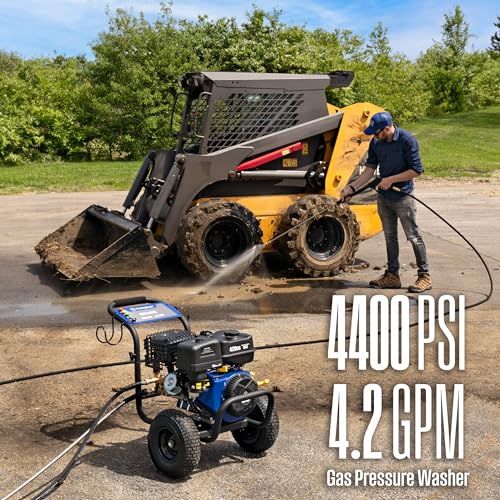
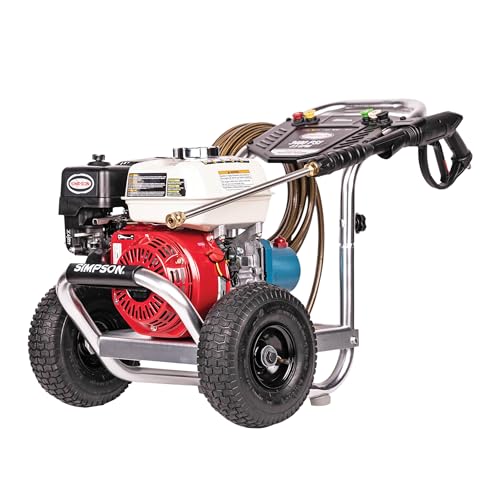
Sick of scrubbing your driveway and still seeing dark stains? I was—so I put the Westinghouse WPX4400 gas pressure washer to work. With 4400 PSI, 4.2 GPM and a triplex brass pump, it promises commercial-grade cleaning and actually makes fast work of grimy concrete and siding.
It’s exactly the kind of brute-force solution I reach for when a normal cleaner won’t cut it: powerful, durable, and built to last. Just be aware it’s heavy (about 142 lbs), louder than electric models, and overkill for delicate or small tasks.
Best for Heavy-Duty Cleaning
WPX4400 4400 PSI Gas Pressure Washer
Powerful heavy-duty cleaner for tough outdoor jobs
8.3/10
EXPERT SCORE
I found it delivers commercial-grade cleaning thanks to a robust engine and a triplex brass pump, making fast work of grimy concrete and siding. It’s perfect for homeowners or pros who need high-pressure performance, though its weight and noise make it less convenient for light-duty or frequent-move jobs.
Affiliate links / Image courtesy of Amazon. As an Amazon Associate I earn from qualifying purchases.
Power & Cleaning Performance
9
Build Quality & Durability
8
Portability & Usability
7.5
Value & Accessories
8
Pros
Commercial-grade 4400 PSI and 4.2 GPM for deep cleaning
Durable triplex brass head pump for longer life
Comes with 5 quick-change nozzles and 50′ Super-Flex hose
Large 1.7 gal (6.5 L) fuel tank and high-profile wheels
3-year limited warranty adds confidence
Cons
Heavy and bulky to move (about 142 lbs)
Louder and more maintenance than electric models
Not ideal for small, delicate cleaning tasks
My Hands-On Take: Why I Recommend This When You Need Serious Cleaning
I use pressure washers a lot — for my driveway, fence restoration, and the occasional stubborn patio oil stain — and the WPX4400 is the kind of machine that makes those chores feel efficient rather than endless. It’s built around a stout 4-cycle OHV Westinghouse engine and a maintenance-free triplex brass head pump, which translates into steady pressure and longevity when you push it hard.
What’s Under the Hood
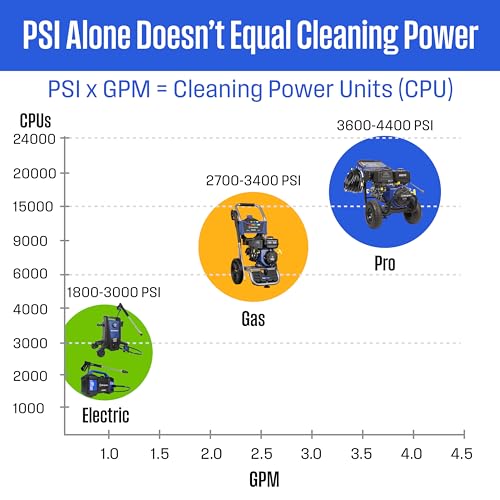
The WPX4400 doesn’t pretend to be a light-duty, portable electric unit. It’s a fuel-powered cleaning machine designed to deliver high pressure and flow for large surfaces and tough grime. The combination of 4400 PSI and 4.2 GPM gives you serious kinetic energy to strip away dirt, mildew, and old paint blisters with fewer passes.
Who This Is For
Homeowners with large outdoor areas (driveways, decks, large sidewalks)
DIYers restoring fences, prepping surfaces for paint or sealant
Small contractors who need a powerful, entry-level commercial unit
Key Features I Noticed
4-cycle OHV Westinghouse engine for reliable starting and sustained power
Triplex brass head pump designed for a longer lifespan than cheaper axial pumps
50′ abrasion-resistant Super-Flex hose that lets you reach around cars and landscaping
High-profile tires and a robust frame for easier maneuvering on uneven yards
1.7 gallon (6.5 L) fuel tank that reduces refill frequency during big jobs
Quick Specs Snapshot (for reference)
Spec
Detail
Maximum Pressure
4400 PSI
Flow Rate
4.2 GPM
Engine
4-cycle OHV Westinghouse
Pump
Triplex brass head (maintenance-free design)
Fuel Tank
6.5 L (about 1.7 gal)
Hose
50′ Super-Flex abrasion resistant
Weight
~142 lb
Warranty
3 Year Limited Warranty
Setup, First Start, and Day-to-Day Use
I appreciate that setup is straightforward: add oil, add fuel, connect the wand and hose, and you’re ready. The unit uses common polish fittings and quick-change nozzle tips so swapping spray patterns is fast. The high-flow gun and wand feel solid in my hand and the trigger has a good return, which matters during long passes.
I always check oil and fuel before starting.
I let the pump prime briefly (run a bit with the nozzle disconnected) if it’s the first start of the season.
When switching from a narrow nozzle to a wider one, I never step closer — let the wider spray do the work.
Performance Notes: What It Excels At
Stripping moss, algae, and mildew off siding and decks with far fewer passes than sub-3000 PSI units.
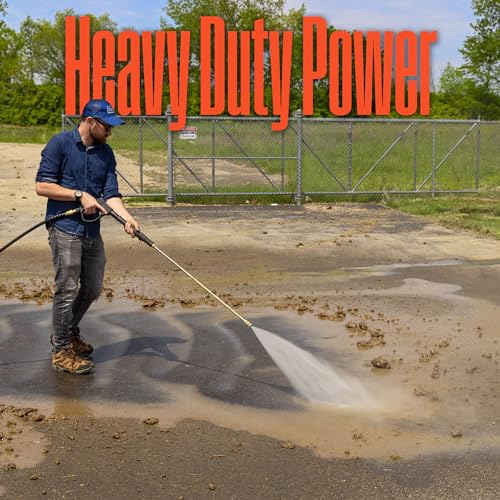
Cutting through years of tire marks, oil, and embedded dirt on concrete driveways.
Prepping wooden fences and concrete slabs for staining/painting — the pump keeps pressure consistent for uniform results.
Practical Tradeoffs I Considered
Weight: At around 142 pounds, this isn’t something you’ll toss into a pickup bed alone; consider loading ramps or a helper.
Noise & Emissions: As a gas engine, it’s louder and emits fumes; I use it outdoors only and with ear protection.
Overkill for Small Jobs: For light-duty vehicle washing or small patios, an electric model may be quieter and easier to store.
Maintenance I Recommend (Simple and Effective)
Check engine oil before each use.
Flush pump with clean water after detergent use and before storage.
Inspect hose and fittings for wear after every few uses.
Follow the 3-year warranty guidelines and keep receipts and registration handy.
Accessories and Add-Ons Worth Considering
Surface cleaner attachment to speed up wide-area jobs like driveways
Extra nozzle set if you want specialty tips (rotary, turbo) for faster stripping
Foam cannon for better soap coverage on vehicles and siding
Pump saver solution for winter storage
Safety & Best Practices
Never aim the wand at people, pets, or fragile surfaces.
Keep a safe distance when using the 0° and 15° nozzles.
Wear eye protection and gloves; the spray can throw debris.
Be mindful of lead paint or hazardous materials during stripping — follow local regulations.
Final Thoughts
If I were repairing a tired deck or a garage apron, I’d choose this unit for the speed and stamina it brings. It’s a heavy-duty tool built to handle real-world grime and frequent use. Yes, you give up a bit of convenience compared to electric models, but you gain raw cleaning power and a solid pump/engine combo that’s built to last.
Overall, I see it as a practical investment for anyone who needs true pressure washing capability on a regular basis — especially if you have large surfaces or commercial-style jobs to tackle.
WPX4400 4400 PSI Gas Pressure Washer
Powerful heavy-duty cleaner for tough outdoor jobs
Affiliate links / Image courtesy of Amazon. As an Amazon Associate I earn from qualifying purchases.
FAQ
Can I use this on my car without causing damage?
Yes, but with caution. I recommend starting with a 25° or 40° nozzle and keeping the wand at least 2–3 feet away. I also suggest using a foam cannon or the soap setting and following with a wider rinse to avoid stripping paint or denting trim.
I always test in an inconspicuous spot first. This shows how the paint reacts before I hit the whole panel.
I avoid 0° and 15° tips on painted surfaces. Those concentrate pressure and can chip clear coat or paint if used close.
I stay clear of decals, vinyl wraps, rubber trim, and weather seals. I keep the wand at an angle and back off if I see lifting.
I use car-safe detergent and a soft wash pattern. I rinse the soapy area with a wider nozzle (40°) rather than blasting it.
I also hand-dry or use a microfiber towel after rinsing to prevent water spots and check trim for looseness.
How often should I service the pump and engine?
I follow the manual but add a practical schedule that works for me. I change engine oil after the initial break-in and regularly after that. I flush the pump after any detergent use.
Initial engine oil change: typically after about 5 hours of use.
Regular oil changes: roughly every 50 hours of operation or once per season, whichever comes first. I use the oil weight the manual recommends (commonly SAE 10W-30).
Air filter: inspect every 25 hours or more often in dusty conditions.
Spark plug: inspect or replace about every 100 hours.
Pump care: flush detergent, run fresh water through the pump, and use a pump saver to protect seals when storing.
I also check inlet filters and seals each season and replace them if I see wear or leaks.
Is a surface cleaner attachment worth buying?
Absolutely. For large flat areas a surface cleaner saves time and gives a more even finish than a wand alone.
I use a 10–15″ surface cleaner for driveways, patios, and garage floors because it cleans faster and reduces streaking.
I pick a model rated for at least the machine’s GPM so brushes and rotation work correctly.
Surface cleaners help prevent etching on concrete by keeping the spray angle consistent.
I recommend one with a swivel and quality seals. It makes big jobs much less tedious.
How hard is it to move around the yard?
It’s heavier than many electric units, but manageable. The high-profile wheels and sturdy frame help a lot.
The unit is about 142 pounds, so I use both hands and my legs when lifting or loading it.
For tight spaces or lots of stairs I plan for a helper or use a ramp into my truck.
I keep the hose coiled and the wand secured to avoid tripping while moving.
I avoid dragging it over rough terrain and lock or tie it down in transport.
Can I use bleach or household detergents in the soap tank?
I avoid straight household bleach and harsh cleaners in the soap tank. Strong chemicals can damage seals and the pump.
If I need bleach for mold or mildew I dilute it heavily and never put undiluted bleach into the pump or soap tank.
I prefer cleaners labeled safe for pressure-washer pumps. They clean well and won’t harm internal parts.
I always rinse thoroughly after any chemical use and never mix bleach with ammonia or other cleaners.
When I must use stronger chemicals, I wear eye and skin protection and follow the cleaner maker’s instructions.
Will this unit be good for a small rental or occasional professional jobs?
Yes. It’s a practical choice for light contractor work or frequent homeowner jobs. The PSI/GPM balance and triplex brass pump handle many professional tasks well.
The 4400 PSI and 4.2 GPM rating give strong cleaning power for siding, decks, and concrete.
The triplex brass-head pump is more durable than cheaper axial pumps and suits occasional professional use.
I would reserve it for light-to-moderate daily demand. Heavy, continuous commercial work may call for larger fleet-grade machines with higher duty cycles.
I also keep spare nozzles, seals, and basic parts on hand to minimize downtime when renting or working jobs.
What’s the best way to store it for winter?
I winterize it so seals and the engine stay protected. Proper storage prevents freeze damage and corrosion.
I run a pump saver product through the pump to coat seals and prevent freeze damage.
I drain or stabilize fuel. I either run the tank dry or add a fuel stabilizer and run the engine a few minutes to circulate it.
I remove nozzles, coil and hang the hose, and cover the unit in a dry place above freezing.
I also disconnect and store small accessories inside and check the manual for any engine-specific winter steps.
Any tips to get longer life from the machine?
Treat it like any quality gas tool and do a few simple tasks regularly. They add years to the machine.
I use fresh fuel and the correct oil, and I change oil on schedule.
I flush the pump after detergent use and use a pump saver when storing.
I inspect hoses, fittings, and O-rings and replace worn parts before they fail.
I avoid running the pump without water and keep the air intake and cooling fins clean.
I also keep a small maintenance kit and the owner’s manual nearby so I can handle small issues quickly.
As an Amazon associate I earn from qualifying purchases. Product prices and availability are accurate as of the date/time indicated and are subject to change. Any price and availability information displayed on Amazon at the time of purchase will apply to the purchase of this product.
Eky Barradas lives in Sioux Falls, South Dakota. He is an experienced industrial tools expert and DIY enthusiast with over 15 years in the industry. As a contributor to EngiMarket, he provides detailed and honest reviews to assist both professionals and hobbyists in selecting the best equipment. His goal is to foster a community of informed tool users through his insightful content on EngiMarket.
I just finished reading the review and it matches a lot of my experiences.
I rented a similar 4400 PSI machine last summer to strip old paint from a garage floor and the power was impressive — the triplex brass pump really made a difference. That said, it was a beast to move around (142 lbs is no joke), so plan for two people or a good ramp.
A couple of things I wished the article had touched on more: actual noise levels in decibels and fuel consumption for longer jobs. Also — the included 50 ft hose is great, but I swapped to a 100 ft hose for a big driveway and noticed a slight pressure drop.
Overall: 8/10 from me. Great for heavy-duty jobs, maybe overkill for weekly car washes. 🙂
I had the same issue with pressure drop on longer hoses — try a wider-diameter hose if you’re sticking with the distance. 3/8″ vs 1/2″ made a small but noticeable improvement for me.
Thanks for sharing your hands-on experience, Laura — that’s exactly the kind of user insight the review aimed to capture. Good note about the hose length and pressure drop; I’ll add a brief mention about that in the article. Do you remember if you needed a booster or just the longer hose?
I used a paint stripper solution with a surface cleaner for the worst spots, Grace. Fuel-wise I can’t recall exact hours, but for a full garage it took most of a tank — maybe 2-3 hours of intermittent use.
Thanks for the thorough review — I have a few questions from a homeowner’s perspective:
1) How easy is maintenance on the triplex brass pump? Any tips for winterizing?
2) The review mentioned noise; would neighbors complain if I used it on a weekend morning? I live in a suburban area.
3) Is the 3-year limited warranty straightforward to claim if something goes wrong?
Would love to hear from anyone who has actually filed a warranty claim or done routine maintenance. I’m trying to decide between this and a mid-range 3000 PSI unit that weighs half as much.
For winterizing I use a pump saver product and run it through the system until it sprays clear. Stored mine in a dry shed and had no pump issues after winter.
I filed a warranty claim once for a faulty unloader valve on a different Westinghouse unit. Took a couple of weeks but they honored the warranty after I sent photos and the receipt. Not instant, but not a nightmare either.
Great questions, Maya. Quick answers:
1) Triplex brass pumps are robust but require regular oil checks and winterizing (run antifreeze or pump saver through the pump and store dry).
2) It’s loud — comparable to other gas-powered pressure washers of this class. Neighbors might notice, so try to avoid very early hours.
3) The 3-year limited warranty is generally straightforward for manufacturing defects; keep receipts and register the product. For wear-and-tear issues (like seals), coverage can be more limited.
If you’d mostly do light jobs, a 3000 PSI unit could be more convenient. For heavy concrete/siding work, the WPX4400 shines.
Loved the detailed spec list in the review — the 4.2 GPM number sold me on it for driveway cleaning.
A couple of small notes from other users that I found useful:
– Consider noise-cancelling ear muffs if you run it for long stretches.
– The fuel tank size (6.5L) was decent; I could do most of my driveway on one tank but not multiple big jobs back-to-back.
Small typo in the article where it says ‘fuel_powered’ — maybe change to ‘gas-powered’ for clarity. Otherwise solid write-up 👍
Short and sweet: if you want to obliterate grime, this is the ‘grime obliterator’ for real 😅
Jokes aside, I appreciate the review’s honesty about weight and noise. I bought one after reading similar reviews and it’s perfect for concrete and siding jobs. Just pro tip — buy wheel chocks or a proper dolly if you plan to move it solo.
Thanks for the candid feedback, Connor. You’re not alone — this model is definitely aimed at heavier-duty tasks. The hose kink sounds like a defect; if it happened right away, you might be able to get a replacement through the seller or warranty.







I just finished reading the review and it matches a lot of my experiences.
I rented a similar 4400 PSI machine last summer to strip old paint from a garage floor and the power was impressive — the triplex brass pump really made a difference. That said, it was a beast to move around (142 lbs is no joke), so plan for two people or a good ramp.
A couple of things I wished the article had touched on more: actual noise levels in decibels and fuel consumption for longer jobs. Also — the included 50 ft hose is great, but I swapped to a 100 ft hose for a big driveway and noticed a slight pressure drop.
Overall: 8/10 from me. Great for heavy-duty jobs, maybe overkill for weekly car washes. 🙂
I had the same issue with pressure drop on longer hoses — try a wider-diameter hose if you’re sticking with the distance. 3/8″ vs 1/2″ made a small but noticeable improvement for me.
Thanks for sharing your hands-on experience, Laura — that’s exactly the kind of user insight the review aimed to capture. Good note about the hose length and pressure drop; I’ll add a brief mention about that in the article. Do you remember if you needed a booster or just the longer hose?
Curious — did you use any detergent for paint stripping or just the pressure? Also, how long did the fuel tank last on one fill?
I used a paint stripper solution with a surface cleaner for the worst spots, Grace. Fuel-wise I can’t recall exact hours, but for a full garage it took most of a tank — maybe 2-3 hours of intermittent use.
Thanks for the thorough review — I have a few questions from a homeowner’s perspective:
1) How easy is maintenance on the triplex brass pump? Any tips for winterizing?
2) The review mentioned noise; would neighbors complain if I used it on a weekend morning? I live in a suburban area.
3) Is the 3-year limited warranty straightforward to claim if something goes wrong?
Would love to hear from anyone who has actually filed a warranty claim or done routine maintenance. I’m trying to decide between this and a mid-range 3000 PSI unit that weighs half as much.
For winterizing I use a pump saver product and run it through the system until it sprays clear. Stored mine in a dry shed and had no pump issues after winter.
If you decide on the 4400 and want, I can add a short maintenance checklist to the article (oil types, intervals, winterizing steps).
I filed a warranty claim once for a faulty unloader valve on a different Westinghouse unit. Took a couple of weeks but they honored the warranty after I sent photos and the receipt. Not instant, but not a nightmare either.
Thanks everyone — that helps a lot. Leaning toward the 4400 for the stubborn driveway stains but will factor in the extra storage and noise.
Great questions, Maya. Quick answers:
1) Triplex brass pumps are robust but require regular oil checks and winterizing (run antifreeze or pump saver through the pump and store dry).
2) It’s loud — comparable to other gas-powered pressure washers of this class. Neighbors might notice, so try to avoid very early hours.
3) The 3-year limited warranty is generally straightforward for manufacturing defects; keep receipts and register the product. For wear-and-tear issues (like seals), coverage can be more limited.
If you’d mostly do light jobs, a 3000 PSI unit could be more convenient. For heavy concrete/siding work, the WPX4400 shines.
Loved the detailed spec list in the review — the 4.2 GPM number sold me on it for driveway cleaning.
A couple of small notes from other users that I found useful:
– Consider noise-cancelling ear muffs if you run it for long stretches.
– The fuel tank size (6.5L) was decent; I could do most of my driveway on one tank but not multiple big jobs back-to-back.
Small typo in the article where it says ‘fuel_powered’ — maybe change to ‘gas-powered’ for clarity. Otherwise solid write-up 👍
Thanks for catching that typo, Grace — I’ll update the article to ‘gas-powered’. Appreciate the practical tips on PPE and tank expectations too.
Agree on the ear protection. My ears rang a bit after a full afternoon — learned that the hard way 😅
I use a commercial degreaser and let it dwell for 10-15 minutes before pressure washing. For oil stains that helps a lot.
Do you use any pre-treatment for really stubborn oil stains? I’ve tried baking soda paste but results vary.
Short and sweet: if you want to obliterate grime, this is the ‘grime obliterator’ for real 😅
Jokes aside, I appreciate the review’s honesty about weight and noise. I bought one after reading similar reviews and it’s perfect for concrete and siding jobs. Just pro tip — buy wheel chocks or a proper dolly if you plan to move it solo.
Which dolly did you go with? I’m debating getting the Westinghouse-branded cart vs. a heavy-duty appliance dolly.
I used a universal heavy-duty appliance dolly with straps. Cheaper and more versatile than the branded cart in my area.
Glad you enjoyed the read and that the machine met expectations, Marcus. Thanks for the dolly tip — that’s something other readers will appreciate.
Not impressed. Too heavy, too loud, and way more power than I need for washing cars. Would’ve preferred a cordless electric model.
Also saw a 50 ft hose kink near the first use — maybe bad luck, but worth noting.
Electric models are great for convenience, but honestly they struggle on thick mildew and old concrete stains. For cars though, electric is perfect.
Thanks for the candid feedback, Connor. You’re not alone — this model is definitely aimed at heavier-duty tasks. The hose kink sounds like a defect; if it happened right away, you might be able to get a replacement through the seller or warranty.