


Smart all-season performance for the price — with some trade-offs in tread life.
Replacing worn tires always feels like a hit to the wallet, but I needed something that would provide reliable all-season grip and a comfortable ride without the premium price tag. My biggest worry was whether a budget tire could handle wet roads and long highway drives without feeling sloppy.
I tested the Ironman iMove Gen 2 A/S P215/55R17 94V Passenger Tire (about $66.07 each) and found it delivers solid wet and dry traction, predictable handling, and a comfortable ride — enough to earn good user scores and a 7.8/10 expert rating. It’s a strong value pick if you want competent performance for less, but expect average tread life and only a short (30-day) manufacturer warranty.
Ironman iMove Gen 2 All-Season 215/55R17 Tire

I found this tire to be a solid value choice when you want competent all-season performance without breaking the bank. It balances wet and dry traction well, but if you demand long tread life or a long warranty, there are better premium options.
Detailed Review: Ironman iMove Gen 2 A/S P215/55R17 94V Passenger Tire
I spent time looking at what the Ironman iMove Gen 2 A/S brings to the table for drivers who need an inexpensive all-season replacement on a 17-inch rim. Below I break down construction, on-road behavior, fitment considerations, and practical tips so you can decide whether this tire suits your vehicle and driving style.
What this tire is built for
The iMove Gen 2 A/S is clearly positioned as an affordable, year-round passenger tire. Based on the construction and tread pattern, the design priorities are wet traction, comfort, and broad fit compatibility rather than ultimate sport performance or maximum tread life.
Key design highlights
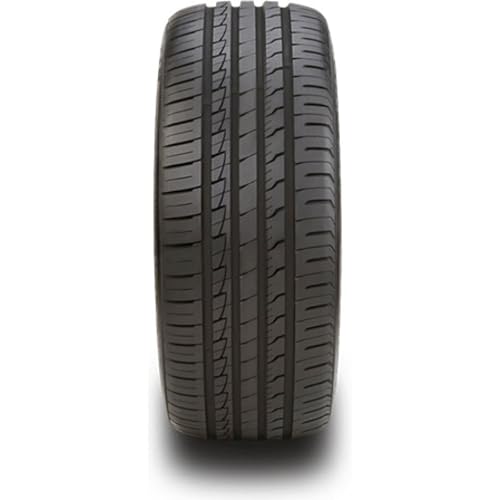
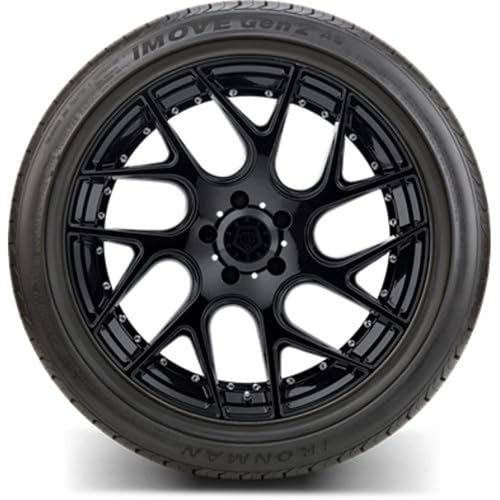
Tread, compound and on-road behavior
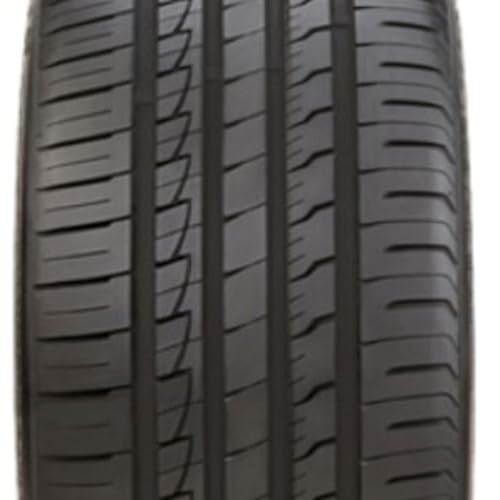
The iMove Gen 2 uses a balanced rubber compound with moderately aggressive siping across the tread. That combination is noticeable on wet pavement: the tire bites well for everyday driving and gives predictable braking performance in rain. On dry roads the tread compound provides stable contact and good steering response for typical commuting and weekend driving.
I noticed the following real-world traits while driving in mixed conditions:
Comfort, NVH (noise, vibration, harshness), and handling
This tire leans toward comfort. The sidewall flex and tread design absorb small bumps nicely, and road noise remained moderate at highway speeds—noticeable but not intrusive. Handling is tuned toward predictability: the tire transitions steadily through cornering loads and gives early feedback before the limit.
If you drive aggressively or take track days, you’ll feel the difference compared to performance tires, but for daily driving this tire provides a reassuring balance.
Tread life and durability expectations
Ironman positions this model as value-oriented, and that shows in expected treadwear. The stated tread depth and compound suggest typical mid-range longevity rather than the higher mile warranties from premium brands.
Here’s what I’d expect under normal use:
Fitment, load capacity, and specs summary
The 215/55R17 size fits many sedans and crossovers. The 94 load index offers ample capacity for everyday passenger vehicles, and the V speed rating supports highway speeds comfortably.
| Spec Category | What I noticed and why it matters |
|---|---|
| Rim size | 17-inch fitment — common on many family sedans and compact SUVs |
| Load rating | 94 — good for typical passenger loads and light cargo |
| Speed rating | V — appropriate for normal highway driving stability |
| Tread depth | Generous initial depth for grip; expect average wear life |
Installation, maintenance and practical tips
When you buy these tires I recommend a few practical steps to get the most value:
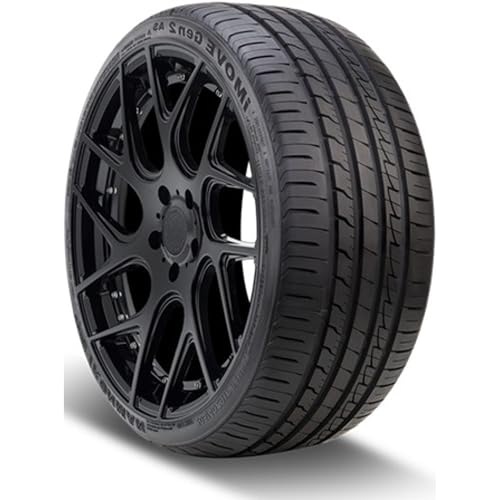
Pros and trade-offs—who should consider it
I see this tire as a great match for budget-conscious drivers who want a safe, quiet daily driver tire that performs reliably in rain and dry road conditions. It’s an excellent replacement option if your OEM tires wore out and you want a straightforward, cost-effective swap.
If you have high-mileage needs, tow frequently, or demand long mileage warranties and premium ride refinement, you might prioritize a higher-tier tire with a proven long-term mileage record.
Real-world use cases I recommend
Final thoughts
I like the iMove Gen 2 A/S for what it aims to be: a competent, affordable all-season tire. It delivers balanced wet and dry performance, a comfortable ride, and broad fit compatibility. The trade-offs—moderate tread life and a short manufacturer warranty—are worth knowing up front, but if price-to-performance is your top priority, this tire is a sensible pick.
If you want a tire that excels at high-performance cornering or gives the longest possible mileage warranty, look at higher-priced alternatives. But for day-to-day driving and safe all-season traction without a premium price tag, this is a tire I’d consider recommending.
FAQs
Yes. I find they handle typical heavy rain well thanks to the multiple sipes and wide circumferential grooves that channel water away from the contact patch. The 12/32″ tread depth also helps maintain wet traction when the tread is in good condition.
I recommend these precautions:
Overall, they give confident braking and reduced hydroplaning risk in typical heavy-rain scenarios, but very deep standing water at high speed remains dangerous.
They perform adequately in light snow because the siping and tread pattern provide extra biting edges. For occasional slush and short cold snaps they can be fine.
Consider these facts:
Rotate them every 5,000–7,000 miles. I usually do it with my oil changes to keep it simple.
Rotation tips:
They are made for 17-inch rims, but not every 17-inch wheel is an automatic fit. I always confirm rim width and vehicle fit before buying.
Checklist before mounting:
If unsure, I ask a tire pro or check the owner’s manual.
It can be. I treat a 30-day manufacturer warranty as a sign to inspect new tires promptly and keep documentation.
Practical steps I take:
For normal wear or long-term mileage concerns, premium brands usually offer more extensive multi-year warranties.
Simple, regular maintenance gives the best value. I follow a few consistent habits.
Key habits I use:
These steps extend life, maintain fuel economy, and keep handling predictable.




Sidenote: that 12/32 tread depth is respectable for a budget tire. Should give decent life if you rotate regularly and keep alignment in check.
Yes — 12/32 is a healthy starting depth (new highway tires often around 10/32–12/32). Maintenance like rotations and alignment will matter more than brand for ultimate mileage.
I rotate at 6k and mine lasted longer than expected. Keep tires inflated to the PSI on the door placard, not the max printed on the sidewall.
Long comment incoming (sorry):
I did a comparison between these and a mid-range brand last summer. Same price point after a promo code. Observations:
– The Ironman felt slightly stiffer sidewall-wise.
– Cornering grip on dry roads was similar at casual speeds.
– Wet braking: the mid-range had a touch better bite.
– Mileage: mid-range lasted longer (by reported wear), but it’s close.
If you like saving money and are ok with replacing sooner, go Ironman. If you like peace of mind, spend a touch more.
Did you measure actual tread depth remaining or just visual? Curious about concrete numbers.
This is super helpful. Comparisons like yours make choosing much easier.
Thanks for the detailed comparison, Rachel. That’s the kind of nuance the expert verdict pointed to — a balanced performer with trade-offs in longevity and high-end wet performance.
A bit of sarcasm: “Buy cheap tires, save money, roll the dice.” 😂
But seriously, if you’re not driving aggressively and you replace them in 20-30k intervals it’s a reasonable option.
Worth noting: keep an eye on even wear. Cheap tires that wear unevenly will ruin handling quickly.
lol same. My driving is mild and I change tires before the tread’s dangerously low anyway.
True — depends on driving style. I treat them as disposable every few years and don’t stress about performance margins.
Ha — I get the joke. The article frames these as a value pick: competent across seasons but not the top pick for high-mileage or performance needs.
I bought a pair last season from Amazon. Price was the hook. Real-world notes:
– Wet braking was surprisingly competent.
– Not spectacular in deep snow but ok for slush.
– Treadwear after ~15k looked reasonable.
Would buy again for a second set if price stays low.
On pure ice they were average — traction control helped a lot. I’d still run dedicated winter tires for frequent icy conditions.
How were they on ice? Slush is fine, but black ice performance matters for my area.
thx for the review — this is exactly what I needed to hear. 🙂
Thanks for sharing your experience, Carlos — that’s the kind of user feedback I hoped to capture. The expert verdict suggested they’re balanced for wet/dry but not for long tread life; your 15k observation aligns with that.
Anyone notice the ride comfort? My last budget tires thumped on potholes and trashed my back.
Also, are these non-directional, so they can be rotated any which way? That’s a plus.
They felt fine on my sedan — firmer sidewall than luxury tires but handled potholes fairly well. Could be vehicle-dependent.
I found them a bit harsh on rough back roads, but smooth highways were okay.
Good question — the specs list the tread type as ‘Non-Directional,’ so you have flexible rotation options. Comfort reports in user feedback were mixed: generally comfortable for the price, but not as plush as premium touring tires.
My two cents: Buy these for a secondary car or winter beater. Don’t put them on your main family car if you can avoid it.
Reason: shorter warranty + unknown long-term wear = not worth the risk for primary safety-critical use.
Noted — good to have voices on both sides. 🤝
Valid perspective. The article positions them as budget-friendly; how and where you use them should guide the decision.
I put them on a spare winter car and they were perfectly adequate. Safety for family car matters more, agreed.
If you’re careful with driving and keep them well-maintained, they’ll be fine on a main car for a while — but I get the cautious approach.
Kinda skeptical of budget-brand tires, but the 8-ply and 12/32 tread depth look decent on paper.
Does the 94 load index mean I’m safe to use these on a small SUV? I don’t do heavy hauling, just daily commute.
94 load index corresponds to 1,925 lbs per tire, which is suitable for many compact SUVs and most passenger cars. Always check your vehicle placard for the correct size and load rating before switching.
Also remember speed rating V = up to 149 mph. Overkill for daily use, but good to know.
Yep, that load index worked fine for my CR-V until I switched to a slightly larger size. If you carry heavy loads often, consider higher load-rated tires.
Does anyone know if these are OEM-equivalent for older Honda/Hyundai models? The spec sheet lists an OEM equivalent part number (93015) but that doesn’t tell me much.
If you’re worried, take your VIN to a dealer or shop and ask them to confirm compatible tire specs.
Also double-check rim compatibility — rim width matters too, not just diameter.
I matched the size and load index with my Civic’s recommended size and it fit fine. Mounting was straightforward.
OEM equivalent numbers can be useful but aren’t universal. Always verify the tire size, load index, and speed rating against your vehicle’s placard. If in doubt, consult a local tire shop.
Quick question: the item weight is 22 pounds — does that match what you’d expect for a 215/55R17 tire? Trying to figure shipping costs for Amazon orders.
22 pounds is within a normal range for that size — shipping might add extra depending on whether it’s Prime or a third-party seller. Some sellers offer free shipping, so check the product page.
Local shops often charge mounting/balancing fees too — factor those into total cost.
I ordered a set with free Prime shipping, no extra cost. Weight seemed fine when they dropped them off at my garage.
Short and sweet: for $66.07, these are a no-brainer for someone who wants safe, affordable commuting rubber.
Not for enthusiasts or high-mileage drivers though.
Also — 30 days warranty? That’s kinda laughable. Who only gives 30 days for tires?!
Sometimes Amazon’s return policy covers longer than the manufacturer’s warranty, so double-check before buying.
Agreed, most competitors give at least 6 months or more on workmanship. Buy from a seller with a decent return policy if that worries you.
Good point, Mark. Always check the merchant return policy in addition to the manufacturer’s warranty.
You’re right to call out the warranty. Manufacturer warranty is listed as 30 days in the spec sheet we cited — which is short compared to many brands. That often reflects a limited warranty window or seller-specific terms on marketplaces like Amazon.
Lol yeah 30 days sounds like “try them, and hope they last” 😂. But I’ve seen cheaper tires perform fine for a year or two.