If you’re looking for a powerful tool to handle heavy snowfall, a hydraulic snow blower for skid steer might be your best choice. This article breaks down everything you need to know about these machines, from their benefits to how to use and maintain them. Whether you’re a professional or a homeowner, understanding hydraulic snow blowers can make your winter snow removal easier and more efficient.
Key Takeaways
- Hydraulic snow blowers are more efficient than traditional methods, clearing snow quickly and effectively.
- They save money over time by reducing labor costs and improving fuel efficiency.
- These blowers are versatile, handling various snow types and conditions with ease.
- Proper installation and maintenance are crucial for optimal performance and longevity.
- Advanced features like remote controls and motor-driven chutes enhance usability and effectiveness.
Why Choose a Hydraulic Snow Blower for Your Skid Steer
Benefits Over Traditional Snow Removal Methods
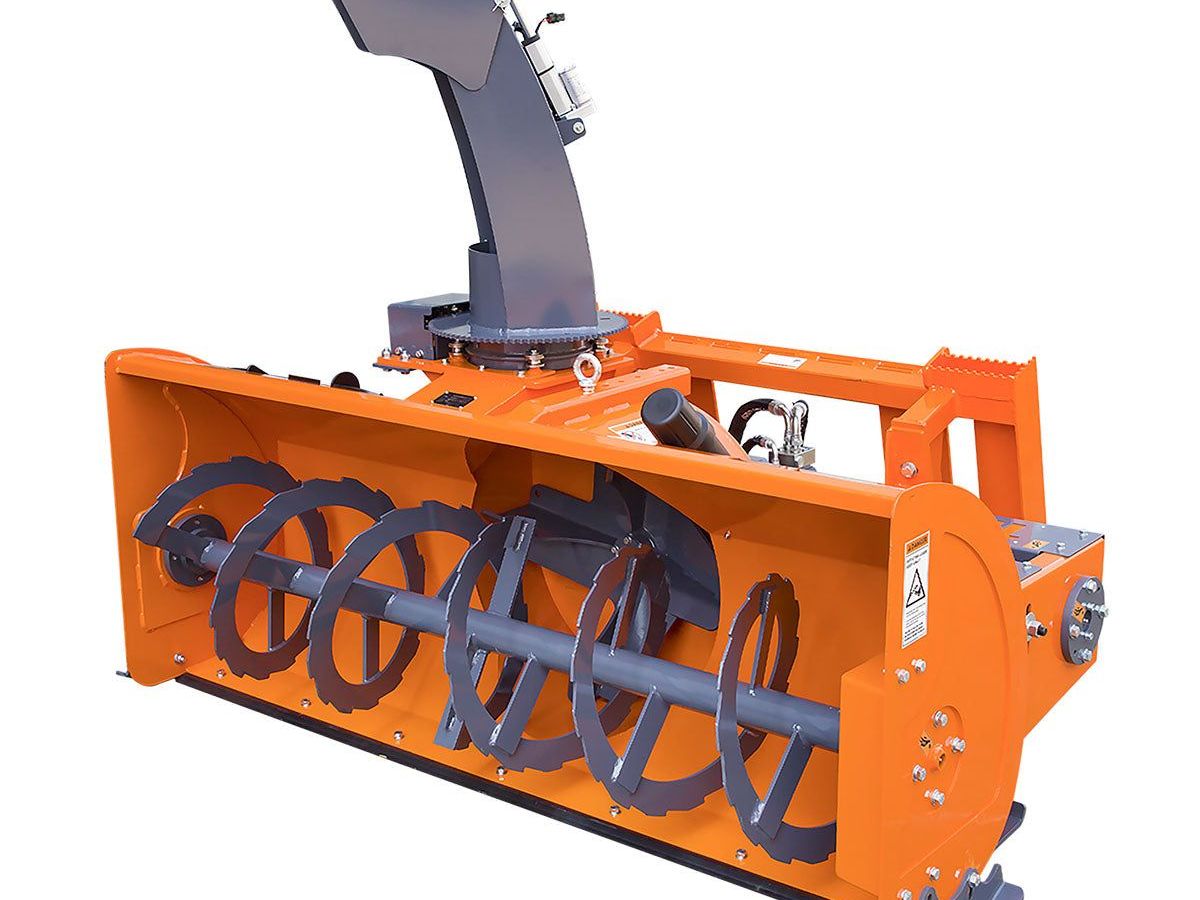
Using a hydraulic snow blower for skid steer loaders beats traditional shoveling and plowing hands down. It’s like having a superhero in your garage, ready to tackle snow without breaking a sweat. With a hydraulic skid steer snow blower, you can clear large areas efficiently, making it ideal for both residential and commercial needs.
Cost-Effectiveness in the Long Run
Investing in a snow thrower for skid steer might seem like a lot upfront, but it pays off. You save loads on labor costs, and the time you save is priceless. Plus, these machines are built to last, reducing the need for frequent replacements.
Versatility in Different Snow Conditions
Whether you’re dealing with fluffy snow or icy patches, a hydraulic snow blower for skid steer can handle it all. It’s versatile and adapts to different snow conditions, making it a reliable choice for any winter scenario. You won’t need a separate snow bucket skid steer for different types of snow, which is a major win.
Pro Tip: Look for snowblowers for skid steer loaders with adjustable skid shoes and motor-driven chute rotation for even more flexibility in handling snow.
Understanding the Basics of Hydraulic Snow Blowers
Alright, let’s break down hydraulic systems. They use pressurized fluid to power machinery. Imagine a giant squirt gun, but for moving parts. Pressure builds up, and that energy moves the snow blower parts.
Key Components of a Snow Blower
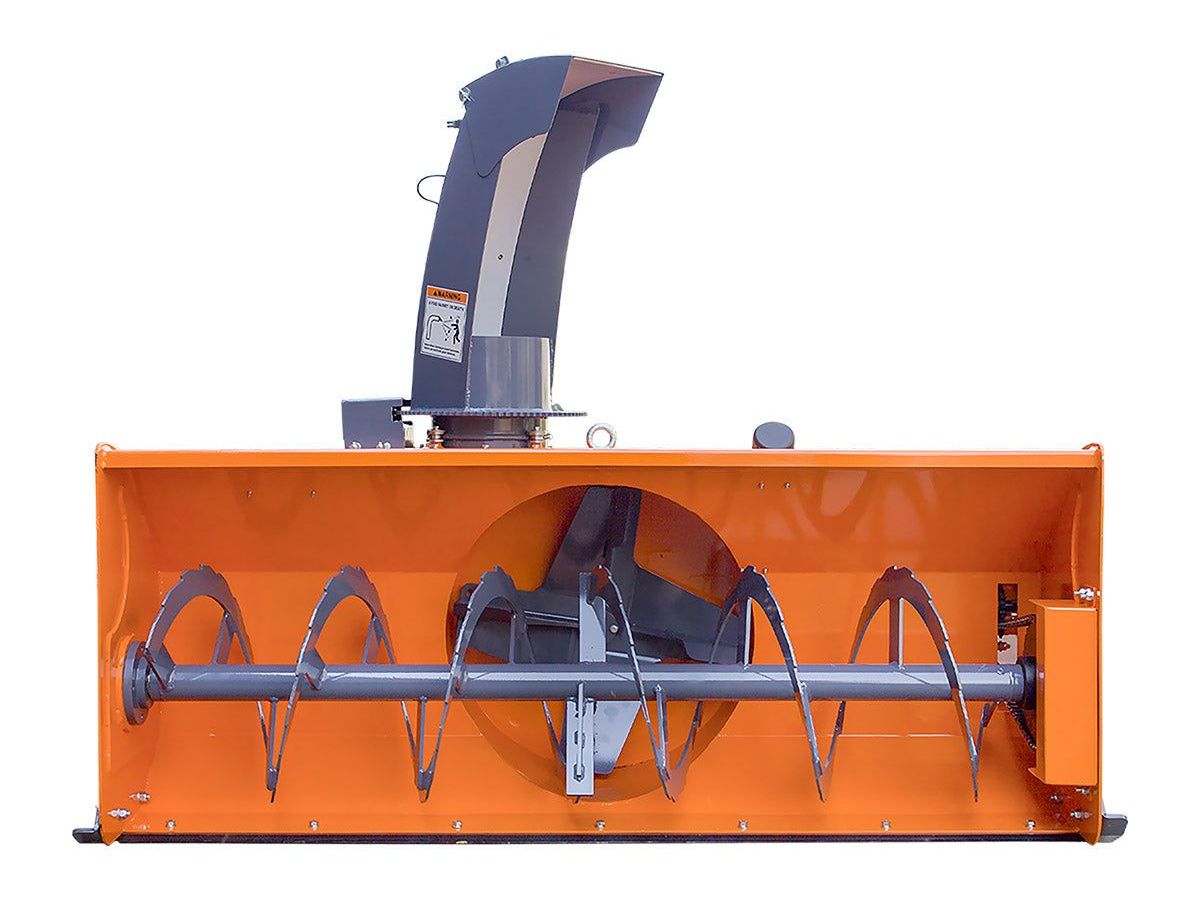
So, what’s inside these beasts? You’ve got the auger, which chews up the snow, and the impeller, which spits it out. Think of it like a big mouth eating snow and blowing it away.
Importance of Hydraulic Flow and Pressure
Hydraulic flow and pressure are like the heart and blood of your snow blower. Without enough flow, the machine’s sluggish. Too much pressure? Things might break. Keeping it balanced is key.
Understanding these basics means your snow blower runs like a champ. It’s like knowing how to drive stick shift – once you get it, everything clicks.
Matching Your Skid Steer with the Right Snow Blower
Determining the Right Size and Capacity
Figuring out the right size for your skid steer snow blower is key. You don’t want something too big or too small. Check the width and height of the snow blower to match your needs. Consider the snow conditions you usually face and pick a size that handles it well.
Horsepower Requirements Explained
Your skid steer’s horsepower is like its muscle. More horsepower means it can throw snow farther and handle heavy, wet stuff better. Look for a skid steer snow blower attachment that matches your skid steer’s horsepower. If your skid steer is between 45-75 HP, you’re in the sweet spot.
Compatibility with Different Skid Steer Models
Not every skid loader snow blower fits every skid steer. Make sure the attachment is compatible with your model. Look for universal mounting plates or specific models that fit your skid steer. This makes hooking up the skid steer blower easy and hassle-free.
Picking the right skid steer blower attachment is like choosing the right tool for the job. It’s gotta fit just right, work with what you’ve got, and handle the conditions you face. Get it right, and winter snow becomes a breeze.
Installation and Setup Tips for Beginners
Step-by-Step Installation Guide
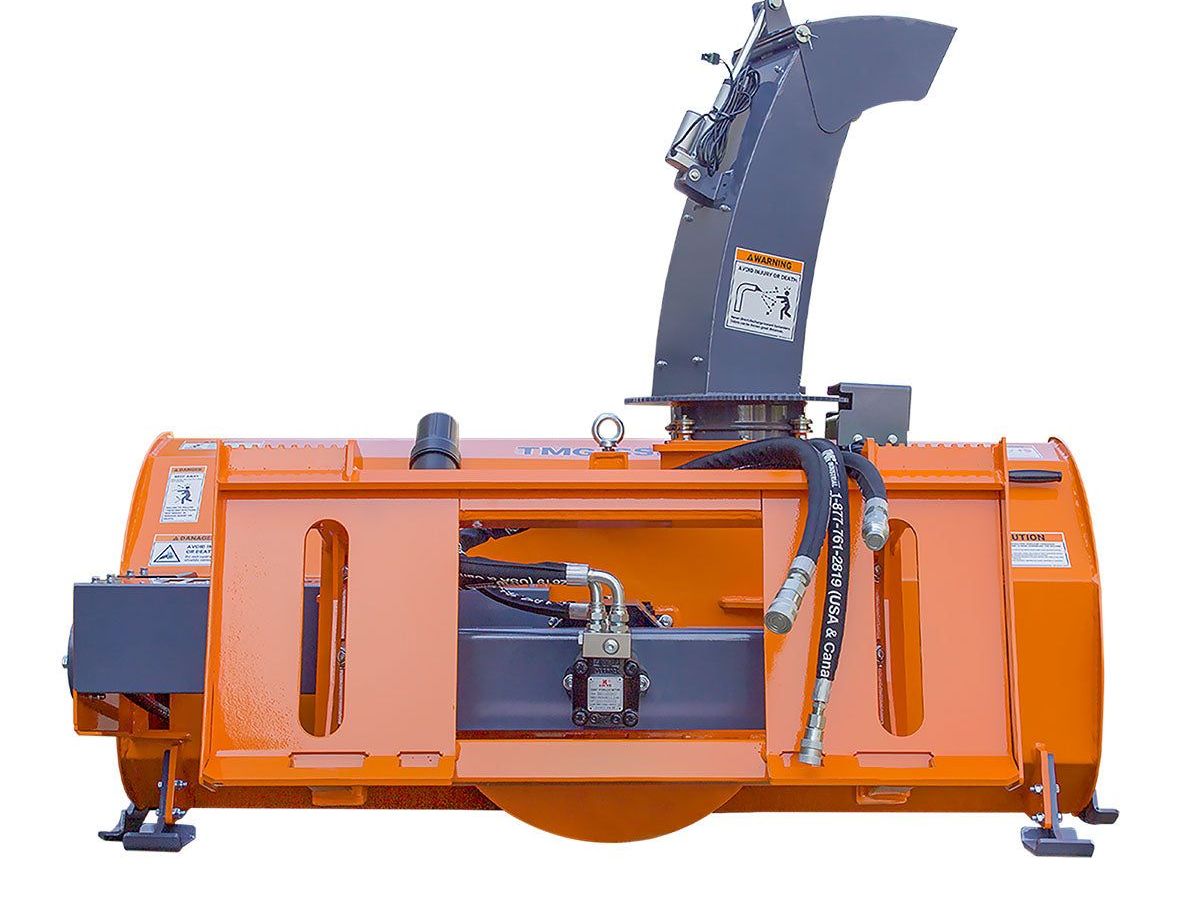
Alright, let’s get that hydraulic snow blower hooked up to your skid steer. First things first, line up your skid steer with the attachment. Tilt the coupler to grab it, then secure it using hydraulic locks or manual pins. Check everything twice to make sure it’s all tight and ready to roll.
Common Mistakes to Avoid
Don’t rush it, seriously. Skipping the alignment step can mess up the whole setup. Also, make sure to use the right pins or locks; using the wrong ones is a rookie mistake. And hey, don’t forget to double-check your hydraulic connections.
Tools You’ll Need
You’re gonna need a few basic tools to get started. Grab a wrench set, a couple of screwdrivers, and some hydraulic fluid just in case. Having these on hand will make the process smoother and save you a trip back to the garage.
Getting the setup right the first time saves you from headaches later. Trust me, I’ve been there and done that.
Mastering Snow Blower Operating Techniques
Optimal Speed and Control
Driving a snow blower isn’t just about power; it’s about finesse. Finding the right speed is key to getting the job done without overloading your machine. Too fast, and you might miss spots or clog the blower. Too slow, and you waste time and fuel. It’s like driving a car on ice; you gotta find that sweet spot for traction.
Handling Different Snow Types
Not all snow is created equal. Wet snow is heavy and can clog the blower, while fluffy snow is easier to handle but might scatter. Adjusting your technique based on the snow type is crucial. For wet snow, slow down and take smaller bites. For fluffy snow, you can move a bit faster and cover more ground. Think of it like cooking; sometimes you need to simmer, sometimes you can crank up the heat.
Safety Tips for Operators
Safety should always come first. Before starting, check the area for hidden obstacles like rocks or branches. Keep bystanders at a safe distance and always wear protective gear. If something jams, turn off the machine before trying to fix it. Remember, it’s better to be safe than sorry. Safety isn’t just a rule, it’s a habit.
Operating a snow blower isn’t just about clearing snow; it’s about doing it safely and efficiently. Always be aware of your surroundings and respect the power of the machine.
Maintenance Tips to Keep Your Snow Blower Running Smoothly
Regular Inspection and Cleaning
Keeping your snow blower in tip-top shape starts with regular inspections. Check for any damage or wear and tear after each use. A quick clean can prevent ice buildup, which is a real pain in the neck during the next use.
Replacing Worn-Out Parts
Don’t ignore those worn-out parts! Replacing them promptly can save you a lot of hassle. Keep an eye on the blades and any moving parts, as they take the most beating.
Storing Your Equipment Properly
Store your snow blower in a dry, sheltered spot. This keeps it ready for action when the snow hits again. A little effort in storage goes a long way in prolonging its life.
Pro Tip: Regular maintenance isn’t just about keeping things running smoothly—it’s about avoiding those unexpected breakdowns that can really throw a wrench in your plans.
Troubleshooting Common Issues with Hydraulic Snow Blowers
Identifying Hydraulic Leaks
So, you’re out there with your snow blower, and it’s just not working right. Hydraulic leaks can be a real pain. I mean, who wants to deal with oil dripping everywhere? Check your hoses and fittings first, they’re often the culprits. If you spot any wet patches, it’s time to tighten things up or maybe even replace some parts.
Dealing with Blockages
Blockages are another headache. Snow and ice can clog up the chute or auger, stopping everything in its tracks. The trick is to clear it out gently. Use a stick or a tool, not your hands, to avoid any nasty accidents. Keep an eye on the weather; wet snow is more likely to cause blockages.
When to Call a Professional
Sometimes, it feels like you’re just banging your head against a wall. If you’ve tried everything and your snow blower still won’t cooperate, it might be time to call in a pro. They can help diagnose tricky issues that aren’t obvious. Don’t waste your time and energy on something that’s out of your league. It’s okay to ask for help.
Advanced Features to Look for in Modern Snow Blowers
Motor-Driven Chute Rotation
Ever tried to clear snow in a rush? Motor-driven chute rotation is your best friend. It lets you control where the snow goes without leaving your seat. Just press a button and watch the chute spin!
Adjustable Skid Shoes
Not all surfaces are the same, right? Adjustable skid shoes let you raise or lower the snow blower to match the ground you’re working on. This helps avoid scraping up your driveway or lawn.
Remote Control Options
Imagine sitting in your warm cab while controlling the snow blower with a remote. Sounds like a dream, huh? Remote controls make it easier to adjust settings on the go, keeping you comfy and efficient.
Pro tip: Always check for these features when buying a new snow blower. They make life so much easier and your snow clearing job a breeze.
Real-World Performance Metrics and Reviews
Efficiency in Different Conditions
So, snow blowers are all about getting the job done fast, right? In perfect conditions, these machines can clear up to 30,000 square feet per hour. But, let’s be real, things change when snow gets heavy or wet. Your technique plays a big role here.
User Testimonials
I’ve read a bunch of reviews, and people seem pretty happy with their snow blowers. Some folks rave about how easy it is to handle even the biggest snowfalls. Others mention a learning curve, but once you get the hang of it, it’s smooth sailing.
Comparing Popular Models
When it comes to picking a snow blower, there’s a lot to consider. Some models are better for huge areas, while others are great for tight spots. Here’s a quick rundown:
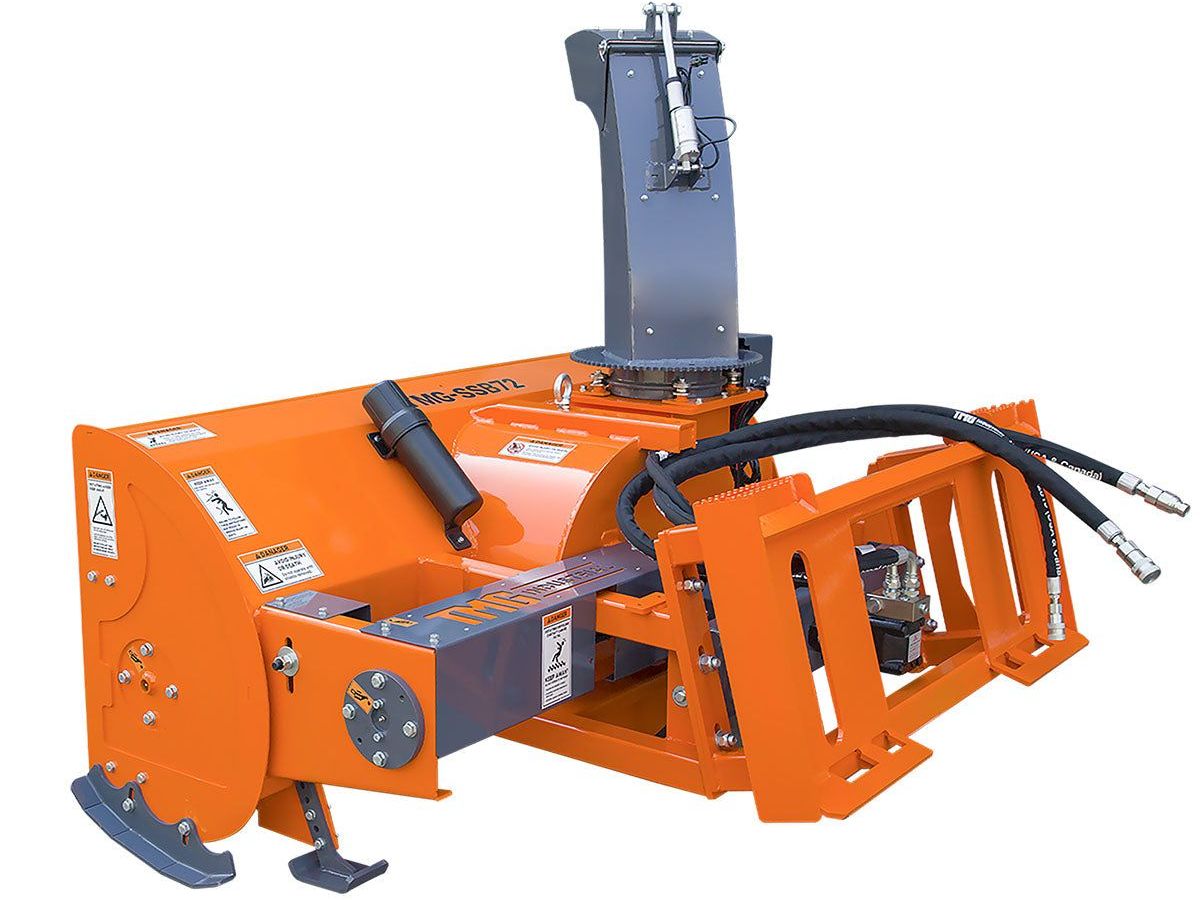
- TMG-SSB72: Perfect for big lots with its wide 72-inch cut.
- Compact Models: Better for smaller, more confined spaces.
- High Flow Models: Offer greater power for tough jobs.
Choosing the right model can make a huge difference in how much time and effort you save during winter. It’s all about finding what fits your needs and your skid steer.
Environmental and Economic Impact of Using Snow Blowers
Fuel Efficiency and Emissions
Using a snow blower can be more eco-friendly than traditional methods. Battery-operated snow blowers are a great choice if you’re worried about pollution. They can cut emissions significantly, making them a greener option compared to gas-powered models.
Impact on Local Ecosystems
Snow blowers help clear paths without damaging the environment too much. They can reduce the need for harmful chemicals like salt, which can mess up local ecosystems. So, it’s a win for nature lovers!
Cost Savings for Businesses
Investing in a snow blower can save you money in the long run. You spend less on labor and chemicals, plus they’re super efficient. This means you get more work done with less hassle and cost.
Using snow blowers can have both good and bad effects on our environment and economy. While they make snow removal easier and faster, they can also contribute to noise and air pollution. It’s important to think about these impacts when choosing how to clear snow. For more information on how to make smart choices for snow removal, visit our website!
Wrapping It Up: Your Skid Steer Snow Blower Journey
So, there you have it! A skid steer snow blower can really change the game when it comes to clearing snow. With the right setup and some practice, you can tackle even the toughest winter storms like a pro. Remember to keep an eye on your machine’s specs and maintenance to keep it running smoothly. Whether you’re a business owner or just someone who wants to make winter a bit easier, this tool is a smart choice. Stay safe out there, and happy snow clearing!
Frequently Asked Questions
What is a hydraulic snow blower?
A hydraulic snow blower is a tool that attaches to a skid steer. It helps remove snow quickly and efficiently.
How does a hydraulic snow blower work?
It uses hydraulic power from the skid steer to operate. The auger collects snow, and the impeller throws it away.
What are the benefits of using a hydraulic snow blower?
They are faster than shovels, can clear large areas, and work well in different snow types.
How do I choose the right size snow blower for my skid steer?
Look at the horsepower and flow rate of your skid steer. Match it with the snow blower’s requirements.
What maintenance does a hydraulic snow blower need?
Regularly check for leaks, clean the auger, and replace worn parts to keep it working well.
Can I use a hydraulic snow blower on any skid steer?
Not all snow blowers fit every skid steer. Check compatibility before buying.
How much snow can a hydraulic snow blower clear?
It can clear up to 30,000 square feet in an hour, depending on conditions and operator skill.
Are hydraulic snow blowers environmentally friendly?
Yes, they are often more fuel-efficient than traditional methods, reducing emissions.