If you’re looking to tackle heavy snowfall, a skid steer mounted snow blower is a powerful tool that can make your job much easier. This guide will walk you through the basics of these attachments, how to choose the right one, and tips for using them effectively. Whether you’re a beginner or have some experience, you’ll find helpful information on maintenance, safety, and advanced techniques to maximize your snow blower’s performance.
Key Takeaways
- Skid steer mounted snow blowers are ideal for efficient snow removal.
- Choose a model based on your skid steer’s power and your snow clearing needs.
- Proper setup and adjustment are crucial for optimal performance.
- Regular maintenance extends the life of your snow blower.
- Safety checks before use can prevent accidents and ensure smooth operation.
Understanding Skid Steer Mounted Snow Blowers
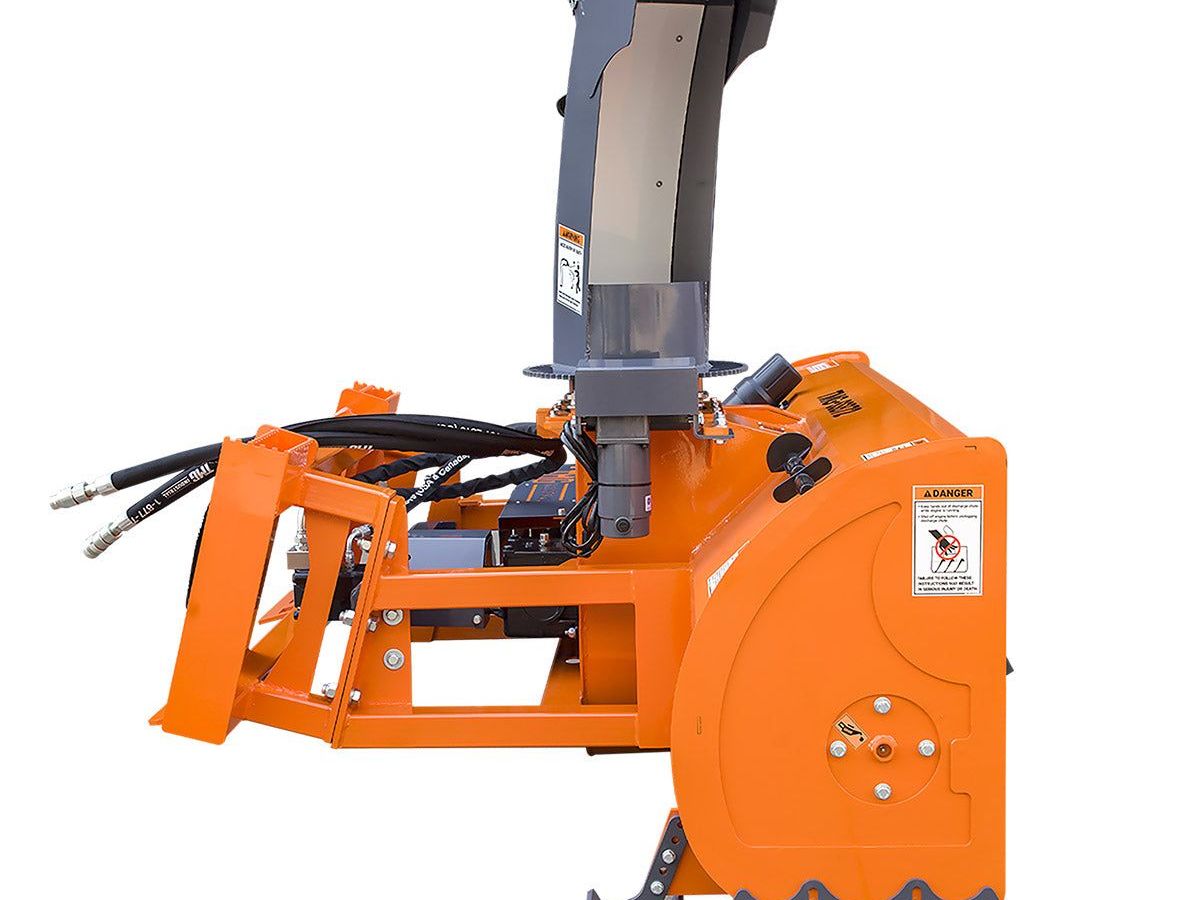
Skid steer snow blowers are not your average snow removal tool. They are designed to attach directly to a skid steer, turning it into a powerful snow-clearing machine. This attachment system is what makes them stand out. Unlike traditional snow blowers, these attachments can handle larger areas with ease.
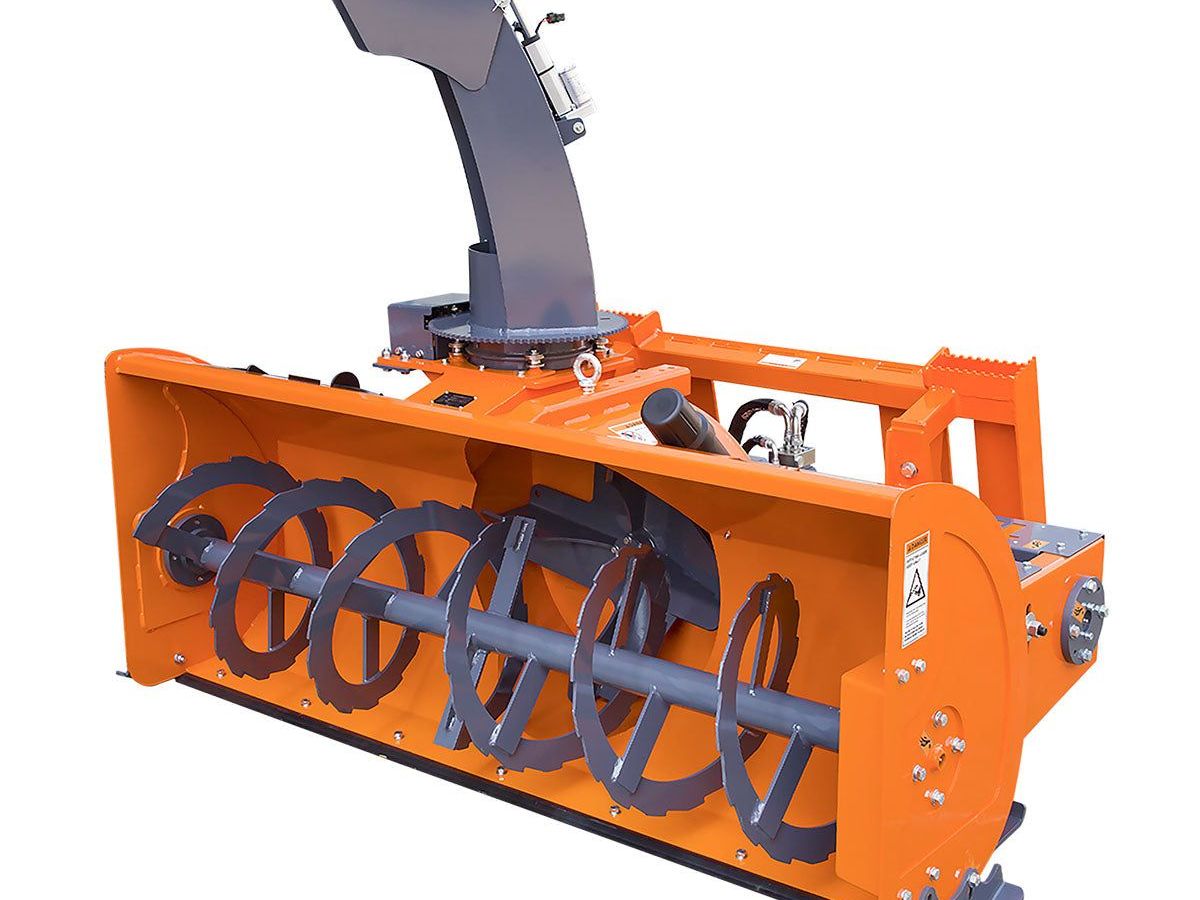
The magic happens when you connect the skid steer snow blower to your machine. The hydraulic system powers the blower, allowing it to throw snow far and wide. It’s like turning your skid steer into a snow-eating monster. The auger and impeller work together to break down and eject snow efficiently.
Using a skid steer mounted snow blower comes with a bunch of perks. First, they save you time by clearing snow quickly. Second, they reduce the physical effort needed compared to manual shoveling. Finally, they’re versatile, handling everything from light dustings to heavy, compacted snow. If you’re looking for a skid steer snow blower for sale, these benefits make them a worthy investment.
Choosing the Right Snow Blower for Your Skid Steer
Factors to Consider
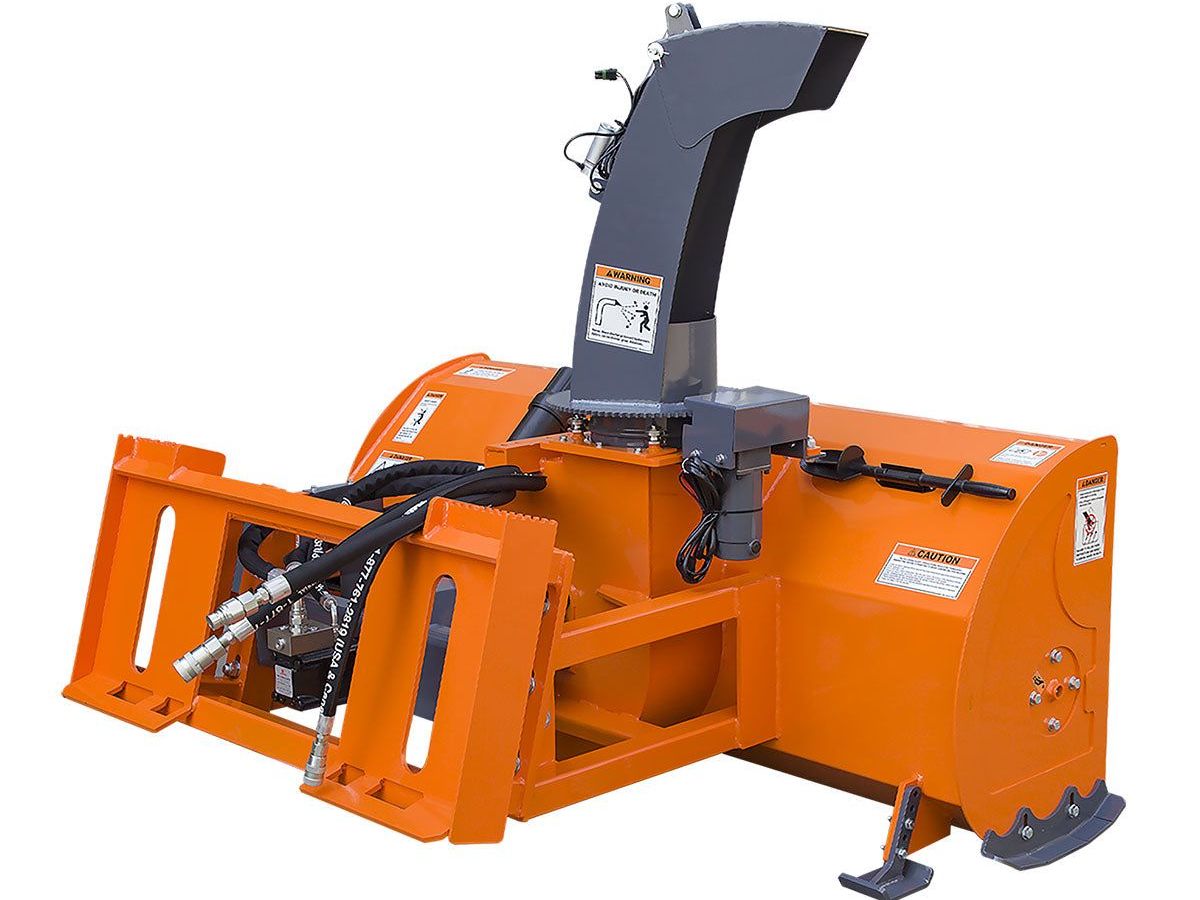
Picking a snow blower for your skid steer ain’t just about looks. First, think about the size of your property. A large area needs a bigger blower, while a smaller space might do just fine with a compact model. Average snowfall in your area matters too; more snow means you need something with more power. And hey, don’t forget about your budget, but remember, cheap isn’t always better.
Popular Models
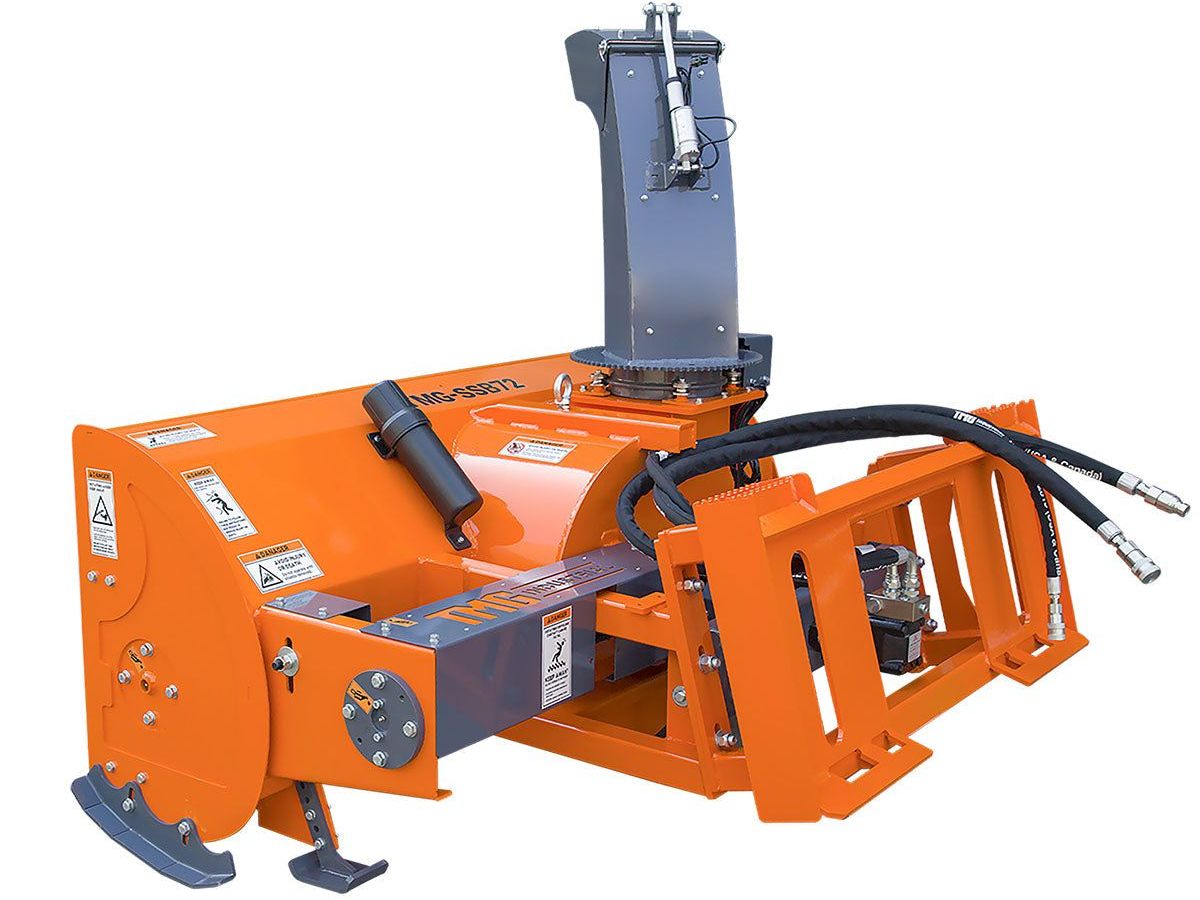
There’s a bunch of models out there, but some names keep popping up. The TMG-SSB72 is a solid choice if you need something reliable. Then there’s the Bobcat SB200, known for its durability. And of course, the Caterpillar SR117, which is a beast in heavy snow.
Budget-Friendly Options
If you’re tight on cash, there are still good options. Look for used models; they can save you a ton if they’re in good shape. Brands like TMG and Bobcat sometimes have sales or refurbished units. Just make sure to check the specs to ensure it fits your skid steer.
Choosing the right snow blower is like picking the right shoes: it needs to fit well and do the job without breaking the bank.
Setting Up Your Skid Steer Snow Blower
Initial Assembly Steps
First off, getting your snow blower ready is all about the small steps. Start by making sure you’ve got all the parts laid out. Double-check the manual to avoid missing anything crucial. Attach the blower to your skid steer using the mounting plate. Tighten all bolts securely, ’cause you don’t want this thing coming loose mid-snowstorm.
Adjusting the Skid Shoes
Skid shoes are a big deal for getting the right clearance. Adjust them based on the surface you’re working on. For gravel, you might want them a bit higher to avoid picking up rocks. On smooth surfaces, lower them for a closer clean.
Connecting the Hydraulic System
Now, this is where things get a bit technical. Connect the wire harness from the attachment to your skid steer’s electrical system. Make sure the hydraulic hoses are hooked up correctly. Align the notches on the twist-lock plug to ensure a secure connection. Test the hydraulic system to make sure everything’s working before you start blowing snow.
Mastering the Art of Snow Blowing
Techniques for Different Snow Conditions
When tackling snow, it’s all about knowing your snow type. Dry, fluffy snow blows easily, but wet snow needs more power. For icy patches, slow down and let the machine do its thing. Always adjust the skid shoes based on the surface.
Time-Saving Tips
Here’s a neat trick: work with the wind, not against it. Start in the middle of large areas and create neat disposal zones. This pattern saves time and makes the job look cleaner.
Avoiding Common Mistakes
Don’t rush it! Speeding through can clog the blower. Keep a consistent pace and avoid throwing snow where you’ve already cleared. Always keep an eye out for hidden obstacles that might jam the blower.
Snow blowing is more art than science. With practice, you’ll find the rhythm that works best for you. Remember, patience is key to mastering the snow blowing game.
Maintenance Tips for Longevity
Regular Inspection Routine
Keeping an eye on your snow blower is key. I make it a habit to check for wear or damage every week. A quick look can save you from major headaches later. Trust me, it’s worth the few minutes.
Replacing Worn Parts
When something looks worn out, don’t wait. Replace it. I’ve learned that running on worn parts just makes things worse and more expensive. It’s like ignoring a small leak until your whole basement floods.
Storing Your Equipment
Proper storage is a game-changer. Before putting it away for the season, I clean it thoroughly and store it somewhere dry. Moisture is the enemy here, so avoid damp places at all costs.
Taking care of your gear isn’t just about keeping it running. It’s about making sure it lasts as long as possible with minimal stress and cost. It’s like looking after a loyal friend that’ll help you through many winters.
Safety First: Operating Your Snow Blower
Pre-Operation Checks
Before you even think about firing up that snow blower, give it a once-over. Inspect those cutting edges and make sure everything’s looking sharp. Check the hydraulic connections too, because you don’t want any surprises when you’re out there in the cold. And hey, make sure that chute rotates like it’s supposed to.
Safe Operating Practices
Alright, so you’re all set to go. Keep folks at a safe distance, because nobody wants to get hit by flying snow. Watch out for hidden stuff under the snow, like rocks or garden gnomes. And keep your visibility clear, so you don’t end up driving into a snowbank.
Emergency Procedures
If something goes wrong, don’t panic. Turn off the machine and step away. It’s better to be safe than sorry. Have a plan in place for emergencies, just in case things go south. Remember, safety’s the name of the game when you’re dealing with heavy machinery.
Maximizing Efficiency with Your Snow Blower
Optimal Speed and Power Settings
Running your snow blower at the right speed and power is key. You don’t want to go too fast and miss spots or too slow and waste time. Finding that sweet spot is everything.
Pattern Planning for Large Areas
When tackling big spaces, a plan saves you tons of time. Start in the middle and work your way out. Follow the wind so snow doesn’t blow back in your face.
Handling Wet and Heavy Snow
Wet snow is a beast. Go slower and keep your chute clear. Heavy snow needs more power, so crank it up a notch when needed.
Efficiency in snow blowing isn’t just about speed—it’s about smart planning and knowing your machine. Take it from someone who’s been there, done that.
Troubleshooting Common Issues
Hydraulic Problems
So, you’re dealing with hydraulic issues? First things first, check the hydraulic fluid levels. Low fluid can mess up the whole system. Also, inspect hoses for any pinch points or damage, especially near the quick-tach coupler and loader arms. If you spot any leaks or damage, it’s time to replace those hoses.
Mechanical Failures
Mechanical failures can be a real headache. If your snow blower isn’t throwing snow far enough, the impeller might be the culprit. Look for worn bearings or obstructions. Sometimes, it’s just a matter of clearing out debris that’s stuck in there.
Performance Issues
When performance drops, it’s usually about maintenance. Keep the engine RPM at the right level and make sure the blades are sharp. If the snow blower isn’t performing like it used to, it might be time for a tune-up.
Remember, regular maintenance can prevent most issues. Keep your equipment in check, and it’ll last longer and work better.
Advanced Techniques for Professional Use
Commercial Applications
Using a skid steer snow blower in commercial settings means dealing with larger areas and tougher conditions. These machines can handle it all. They’re perfect for parking lots, big driveways, and even small roads.
Customizing Your Equipment
You can tweak your snow blower to better fit your needs. Adjust the skid shoes for different surfaces or even upgrade the hydraulic system for more power. It’s all about making it work for you.
Training for Operators
Getting the most out of your snow blower means knowing how to use it right. A bit of training goes a long way. It’s not just about pushing snow; it’s about doing it efficiently and safely.
Mastering these advanced techniques can save time and effort, turning a challenging task into a manageable one.
Understanding Hydraulic Requirements
Flow Rate and Pressure
Getting the flow rate and pressure right is key. Your skid steer needs to match the snow blower’s hydraulic flow requirements. If you mess this up, nothing works right. Most snow blowers need a continuous flow rate of about 75 L/min and an operating pressure around 2500 PSI. Double-check these numbers with your machine’s manual.
Matching Your Skid Steer
Linking the right snow blower to your skid steer is like finding the perfect dance partner. You gotta make sure they sync up. Check the horsepower range; most snow blowers work best with 45-75 HP skid steers. This ensures you get maximum efficiency without overloading your machine.
Upgrading Your System
Sometimes, your skid steer’s hydraulic system might need a boost. Consider upgrading if your current setup can’t handle the blower’s demands. Look into adding a hydraulic motor or improving the flow rate. It’s like giving your machine a caffeine shot, making it ready to tackle the toughest snow jobs.
Remember, a well-matched hydraulic system not only boosts performance but also saves on fuel. Keep your skid steer and snow blower in sync, and you’ll clear snow like a pro.
Real-World Performance Metrics
Efficiency Benchmarks
When it comes to clearing snow, efficiency is key. Some skid steer snow blowers can handle up to 30,000 square feet per hour in the right conditions. That’s like clearing a football field in no time!
Comparing Models
Not all snow blowers are created equal. Some models are better for heavy, wet snow, while others excel in light, powdery stuff. The TMG-SSB72, for instance, needs between 45 to 75 HP to operate effectively.
User Reviews
User reviews are a goldmine of info. Many folks rave about how a good snow blower attachment can make winter work a breeze. Others note that it’s all about matching the right blower to your skid steer’s power.
The Future of Skid Steer Snow Blowers
Emerging Technologies
So, skid steer snow blowers are getting pretty high-tech. One cool thing is the new 6-bladed fan design that can move over 50 tons of snow per hour. It’s like having a snow-moving beast right on your skid steer. Plus, the serrated auger is a game-changer for grinding through tough snow.
Sustainability Considerations
Everybody’s talking about going green, and snow blowers aren’t left out. Manufacturers are focusing on making these machines more energy-efficient and less polluting. It’s all about balancing performance with being eco-friendly.
Market Trends
The market for skid steer snow blowers is buzzing. More folks are looking for efficient snow removal solutions, especially with unpredictable weather patterns. It’s not just about clearing snow anymore; it’s about doing it smartly and sustainably.
As tech advances, I bet we’ll see even more innovative features popping up in these machines. Who knows, maybe one day we’ll have fully automated snow blowers!
As we look ahead, the future of skid steer snow blowers is bright. These machines are becoming more powerful and efficient, making snow removal easier than ever. With advanced features like motor-driven chutes and durable designs, they are perfect for tackling tough winter conditions. If you’re interested in upgrading your snow removal equipment, visit our website to explore our range of skid steer snow blowers and find the perfect fit for your needs!
Wrapping It Up: Your Snow Clearing Companion
So there you have it! Getting started with a skid steer snow blower can really change how you handle winter. These machines are not just powerful; they make snow removal faster and easier. Remember to keep safety in mind and follow the tips we shared for the best results. With the right techniques and a bit of practice, you’ll be clearing snow like a pro in no time. Don’t let winter slow you down—get your skid steer snow blower ready and tackle those snow piles head-on!
Frequently Asked Questions
What is a skid steer snow blower?
A skid steer snow blower is an attachment that turns a skid steer into a powerful snow-clearing machine.
How does a skid steer snow blower work?
It uses an auger to gather snow and an impeller to throw it away, making snow removal quick and effective.
What should I consider when choosing a snow blower for my skid steer?
Look at the size, power, and features of the snow blower. Also, consider your budget and the type of snow you’ll be clearing.
How do I set up my skid steer snow blower?
Start by assembling it according to the manual, adjusting the skid shoes, and connecting the hydraulic system.
What are some tips for using a skid steer snow blower?
Maintain a steady speed, adjust for different surfaces, and plan your snow removal pattern to save time.
How do I keep my skid steer snow blower in good condition?
Regularly check for wear and tear, replace any damaged parts, and store it properly during off-seasons.
What safety checks should I do before operating my snow blower?
Inspect the cutting edges, check hydraulic connections, and ensure that the chute rotates properly.
What are some common problems with skid steer snow blowers?
You might face issues like hydraulic failures, mechanical breakdowns, or performance drops. Regular maintenance can help prevent these.