Winter can be tough, especially when it comes to snow removal. Having the right tools, like a snow bucket for your skid steer, can make a big difference. This guide will help you choose the best snow bucket, install it properly, master snow removal techniques, and keep everything running smoothly. Let’s dive into how you can transform your skid steer into a winter workhorse!
Key Takeaways
- Choose a snow bucket that fits your skid steer model and meets your snow removal needs.
- Proper installation is key; follow a step-by-step guide to avoid common mistakes.
- Learn effective snow clearing patterns to save time and energy during snow removal.
- Regular maintenance extends the life of your snow bucket; check for wear and tear frequently.
- Safety is crucial; always conduct pre-operation checks and be aware of your surroundings.
Choosing the Right Snow Bucket for Your Skid Steer
Picking a snow bucket for your skid steer can be like choosing a pizza topping – so many options! You’ve got your standard buckets, high-capacity ones, and even special-purpose buckets. Each type does its own thing, just like how a plain cheese pizza is different from a loaded meat lover’s.
When you’re in the market for a snow bucket, think about what you’ll be using it for. Is your driveway a mile long, or are you just clearing a small yard? Also, check the weight and size – a bigger bucket might not always be better if your skid steer can’t handle it.
There are some big names in the snow bucket world. Brands like Bobcat, Caterpillar, and John Deere are like the Nike and Adidas of snow buckets. They’re reliable and have been around forever, so you know you’re getting something good.
Installation Tips for Your Snow Bucket
Preparing Your Skid Steer for Installation
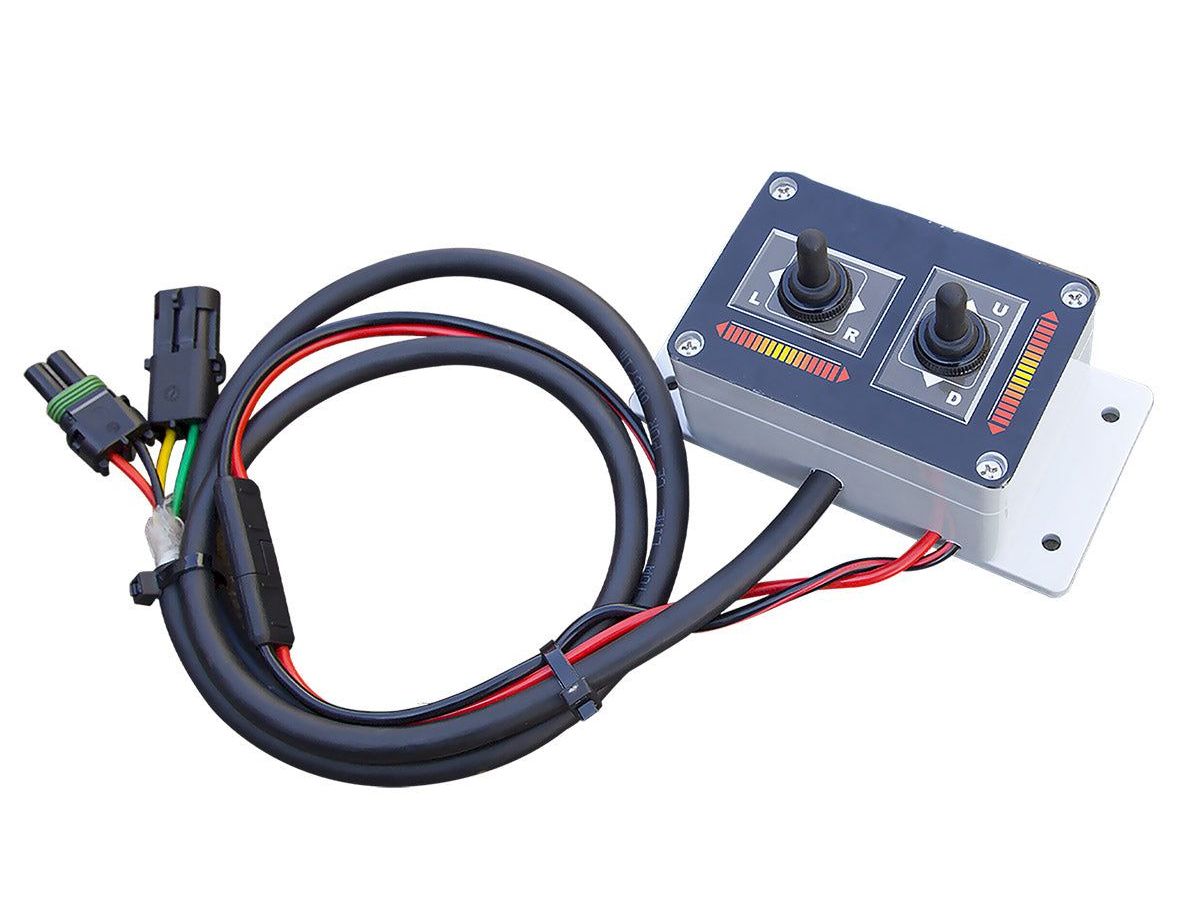
Before you even think about attaching that snow bucket, make sure your skid steer is ready to roll. Check the hydraulic hoses and make sure they’re securely connected to the ports. It’s like making sure your shoes are tied before a run. A loose hose can mess up your whole day.
Step-by-Step Guide to Attaching a Snow Bucket
Alright, let’s get that bucket on! Here’s what you gotta do:
- Drive your skid steer to the attachment point.
- Align the mounting plate with the attachment.
- Lock it in place using the levers or pins.
- Test it by lifting and lowering the bucket.
Common Installation Mistakes to Avoid
Don’t be that guy who forgets the basics. Here’s what to watch out for:
- Not checking the hydraulic connections.
- Forgetting to test the attachment before use.
- Ignoring weird noises during operation.
Take your time with the setup; rushing can lead to mistakes that cost more time later. Patience is key!
Mastering Snow Removal Techniques
Efficient Snow Clearing Patterns
So, clearing snow isn’t just about pushing it around. You gotta plan your pattern. Start in the middle of a big open area and work your way out. It’s like mowing the lawn but with more layers. And always go with the wind, not against it, unless you want a face full of snow.
Adjusting Your Skid Steer for Different Snow Conditions
Snow isn’t just snow, right? Sometimes it’s fluffy, sometimes it’s like concrete. Adjust your skid steer’s settings to match. For light, powdery snow, you can go faster. But for that heavy, wet stuff, slow it down and take it easy.
Time-Saving Tips for Large Areas
Big areas can be a pain, but there’s a trick. Divide the space into sections and tackle each one like it’s a mini job. Use a multiple-pass strategy: first, clear the main paths, then tidy up the edges, and finally, do the details. It’s like doing a puzzle, one piece at a time.
Snow removal isn’t just about getting it done; it’s about doing it smartly. Plan, adjust, and section off your work to make it easier and faster. Your back will thank you.
Maintaining Your Snow Bucket for Longevity
Regular Maintenance Practices
Keeping your snow bucket in top shape isn’t rocket science, but it does take some regular attention. Make sure you give it a quick check before and after each use. Look for any signs of damage or wear. Grease the moving parts to keep everything running smoothly. It might seem like a hassle, but trust me, a little effort now saves big headaches later.
Identifying Wear and Tear Early
Spotting issues early can save you a ton of time and money. Keep an eye out for cracks, rust, or any loose bolts. If something looks off, don’t ignore it. Fixing small problems before they become big ones is key. Remember, a stitch in time saves nine!
Essential Tools for Snow Bucket Care
Having the right tools on hand makes maintenance a breeze. Here’s a basic list to get you started:
- Grease gun
- Wrenches and sockets
- Rust remover
- Touch-up paint
These tools help you tackle most maintenance tasks without breaking a sweat. Keeping them handy means you’re always ready to take care of any issues that pop up.
Safety First: Operating Your Skid Steer in Winter
Pre-Operation Safety Checks
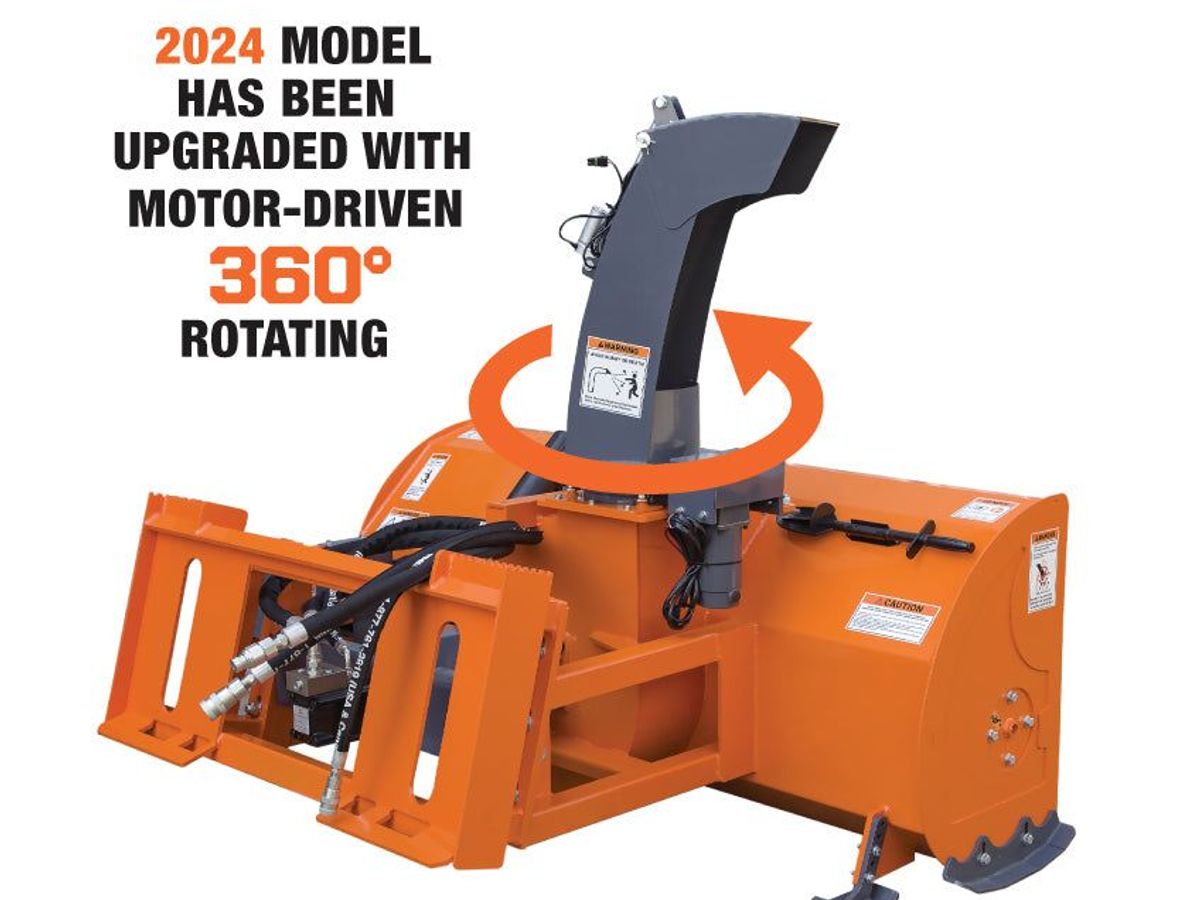
Before firing up your skid steer, give it a once-over. Check those hydraulic connections and make sure the chute rotation works like a charm. Inspect the cutting edges for any wear and tear. This little routine can save you a ton of headaches later.
Operating in Low Visibility Conditions
Winter can be a real pain with all that snow flying around. Keep your headlights on and make sure your windshield is clean. If you can’t see, you can’t steer safely. Simple as that.
Avoiding Common Hazards
Snow hides all sorts of things, like rocks and garden gnomes. Keep an eye out for hidden obstacles. And seriously, keep bystanders at a safe distance. You don’t want anyone getting too close when you’re in the zone.
Operating a skid steer in winter is like driving blindfolded if you’re not careful. Always prioritize safety over speed, especially in tricky conditions.
Remember, a blower skid is only as good as the operator behind it. Stay safe and keep those blades spinning smoothly.
Maximizing Efficiency with Your Snow Bucket
Optimizing Hydraulic Settings
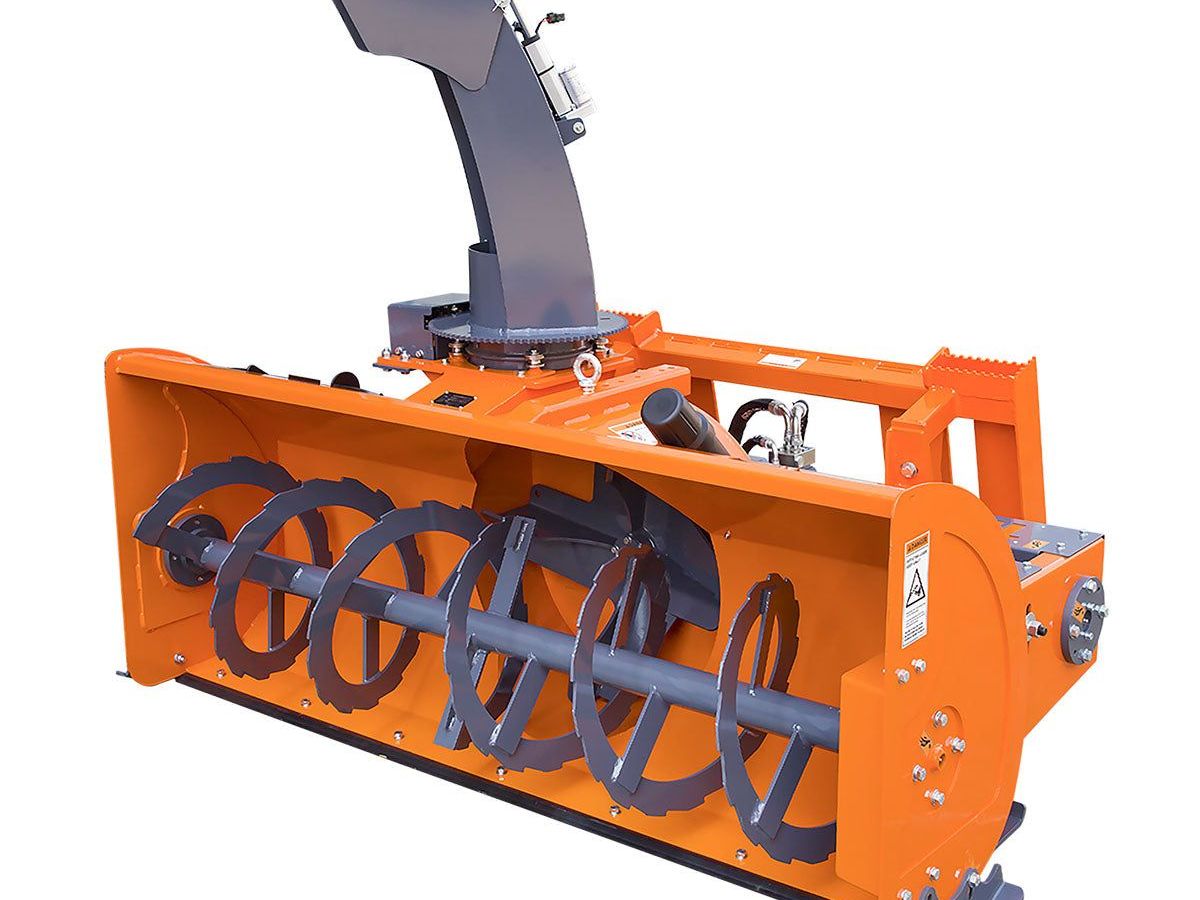
First up, let’s talk about hydraulic settings. Getting these right can make your snow bucket work like a dream. Make sure your skid steer’s hydraulic flow matches the bucket’s requirements. A mismatch here can really mess things up.
Balancing Speed and Precision
Finding the sweet spot between speed and precision is key. Too fast, and you might leave snow behind. Too slow, and you’re wasting time. It’s all about balancing the two for the best results.
Fuel Efficiency Tips
Fuel costs can sneak up on you in winter. Keep your skid steer well-maintained and consider using fuel additives designed for cold weather. This can help you save some bucks while keeping your machine running smoothly.
Winter work isn’t just about power—it’s about working smart. Get these basics right, and you’ll clear snow like a pro.
Troubleshooting Common Snow Bucket Issues
Diagnosing Hydraulic Problems
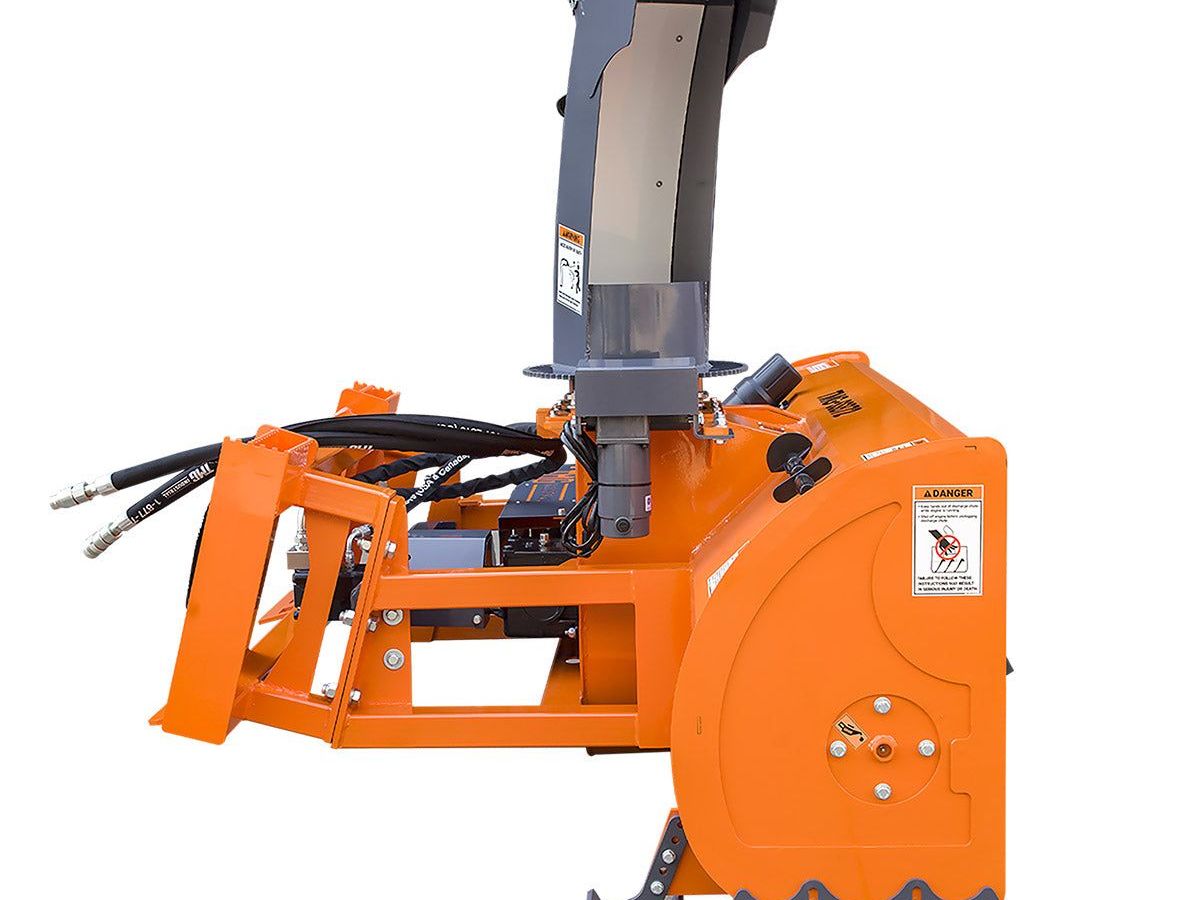
So, your snow bucket’s acting up? Hydraulic issues are often the culprit. First, check for any leaks in the system. If everything looks dry, make sure the hydraulic fluid levels are adequate. Sometimes, a simple top-up does the trick.
Fixing Attachment Issues
When the snow bucket won’t attach properly, it might be the locking pins. Ensure they’re not bent or jammed. A bit of lubrication can go a long way. If it’s still not fitting, double-check the compatibility of the bucket with your skid steer model.
When to Call a Professional
Sometimes, DIY just won’t cut it. If you’ve tried everything and the bucket still won’t work right, it might be time to call in a pro. They can diagnose deeper issues that aren’t obvious to the untrained eye. Don’t wait too long—a minor issue can become a major headache if ignored.
Enhancing Performance with Additional Attachments
Popular Attachments for Snow Management
So, you’ve got your skid steer, but now you’re thinking, "What else can I add to make snow removal a breeze?" Snow blowers and plows are a must-have for tackling big snow dumps. Ice scrapers are perfect for those stubborn patches that just won’t budge. Don’t forget about the salt spreaders, which are lifesavers when icy roads are a problem.
Combining Attachments for Better Results
Ever thought about mixing and matching? Pairing a snow blower with a plow can make short work of snow-covered driveways. You can start with the blower to clear the bulk and finish with the plow for a smooth finish. It’s like having a 3 point hitch wood chipper but for snow, giving you the best of both worlds in snow management.
Attachment Compatibility Tips
Before you buy, make sure your skid steer can handle the attachments. Check the specs like hydraulic flow and pressure to avoid any mishaps. Read the manuals to understand the power requirements. It’s always better to be safe than sorry, especially when it’s freezing outside.
Attachments can totally change the game for your skid steer in winter. With the right mix, snow removal becomes less of a chore and more of a fun challenge.
Real-World Success Stories with Skid Steer Snow Buckets
Case Study: Commercial Snow Removal
Using a skid steer snow bucket in commercial snow removal is like having a secret weapon. One guy I know cleared a huge parking lot in record time. He was amazed at how much quicker it was compared to using a regular plow. Plus, it saved him a ton of back pain.
Homeowner Experiences
I chatted with a neighbor who got a skid steer snow bucket for his driveway. He said it was a total game-changer. No more hours spent shoveling. Now, he just hops on his skid steer and clears his driveway in minutes.
Lessons Learned from the Pros
So, I talked to a pro snow remover, and he shared some golden nuggets. He said, "Always check your hydraulic settings." It makes a huge difference in how the bucket handles. Also, having a plan before you start can save you loads of time.
"Using a skid steer snow bucket can transform your winter routine, making snow removal faster and easier than ever."
For more tips on using a mini skid steer for snow removal, check out this guide.
Buying Guide: Investing in a Snow Bucket
Budgeting for Your Snow Bucket
When you’re thinking about getting a snow bucket, setting a budget is the first step. Know what you’re willing to spend before diving into options. This helps narrow down choices and keeps you from overspending. Consider what features you really need and what you can live without.
Understanding Warranty and Support
Warranties are a big deal when buying equipment like this. You want to know if something breaks, you’re covered. Look for brands that offer solid support and easy access to parts. It’s like having a safety net for your investment.
Where to Buy Quality Snow Buckets
Finding the right place to buy can make a big difference. Check out local dealers or online platforms known for quality. You might find some good deals or even special offers. Buying from a reputable source ensures you get the real deal, not some knock-off.
Preparing for Winter: Skid Steer Readiness Checklist
Essential Pre-Winter Maintenance
Alright, let’s dive in. You gotta check your skid steer before winter hits. Start with a thorough inspection. Look for any visible damage on tires, bolts, and hoses. Don’t forget the fuel tanks and boom. Spotting cracks early means less hassle later.
Stocking Up on Spare Parts
Winter’s not the time to be caught without spares. Stock up on essential parts like air systems and traction accessories. Trust me, you don’t wanna be stuck in the cold waiting for a part to arrive. It’s like having a spare tire, but for your skid steer.
Training Your Team for Winter Operations
Get your crew ready. Make sure everyone knows the drill. Go over the safety protocols and operating procedures for winter conditions. It’s not just about getting the job done, it’s about doing it safely.
Winter’s tough, but with the right prep, it doesn’t have to be a nightmare. Stay ahead of the game and keep your skid steer ready for whatever winter throws your way.
As winter approaches, it’s crucial to ensure your skid steer is ready for the cold months ahead. Check your equipment and make sure everything is in top shape to handle snow and ice. For more tips and a complete checklist, visit our website today!
Wrapping It Up: Your Skid Steer Snow Blower Journey
So there you have it! With the right skid steer snow blower, winter doesn’t stand a chance. You can clear snow faster and easier than ever before. Remember to keep your equipment in good shape and follow the tips we shared. Whether you’re tackling your driveway or managing a big commercial lot, this tool can make your life a lot simpler. Get ready to enjoy winter without the stress of snow removal!
Frequently Asked Questions
What is a snow bucket for a skid steer?
A snow bucket is an attachment for a skid steer that helps in moving and removing snow easily. It has a wide scoop design that allows you to collect and push snow efficiently.
How do I choose the right snow bucket?
When selecting a snow bucket, consider the size of your skid steer, the type of snow you usually handle, and your budget. It’s important to pick one that fits your machine and meets your needs.
Can I install a snow bucket myself?
Yes, most snow buckets are designed for easy installation. Just make sure to follow the instructions carefully and check that your skid steer is ready for the attachment.
What maintenance does a snow bucket need?
To keep your snow bucket in good shape, regularly check for wear and tear, clean it after use, and ensure all connections are tight. This will help it last longer.
How do I operate a skid steer snow bucket safely?
Before using your snow bucket, do a safety check of your skid steer, keep an eye out for obstacles, and make sure you’re visible to others. Always follow safety guidelines.
What are some tips for efficient snow removal?
Plan your snow clearing route, adjust your speed based on conditions, and use the right techniques for different types of snow. This will save you time and effort.
What should I do if my snow bucket has issues?
If you notice problems, first check for any visible damage or loose parts. If you can’t fix it, consult a professional for help.
Where can I buy a quality snow bucket?
You can find snow buckets at equipment dealers, online marketplaces, or specialized industrial supply stores. Make sure to compare prices and read reviews.