If you’re looking to make the most out of your skid steer blower, you’re in the right place. This guide will help you understand how to operate your blower effectively, maintain it well, and ensure safety while using it. Whether you’re clearing snow from your driveway or managing large commercial properties, mastering these essential skills will make your snow removal tasks easier and more efficient.
Key Takeaways
- Learn about different types of blowers for skid steer and their features.
- Proper setup and attachment of the blower is key to success.
- Master basic operation techniques to improve efficiency.
- Advanced strategies can save time and enhance performance.
- Regular maintenance is essential for a long-lasting blower.
Getting to Know Your Skid Steer Blower
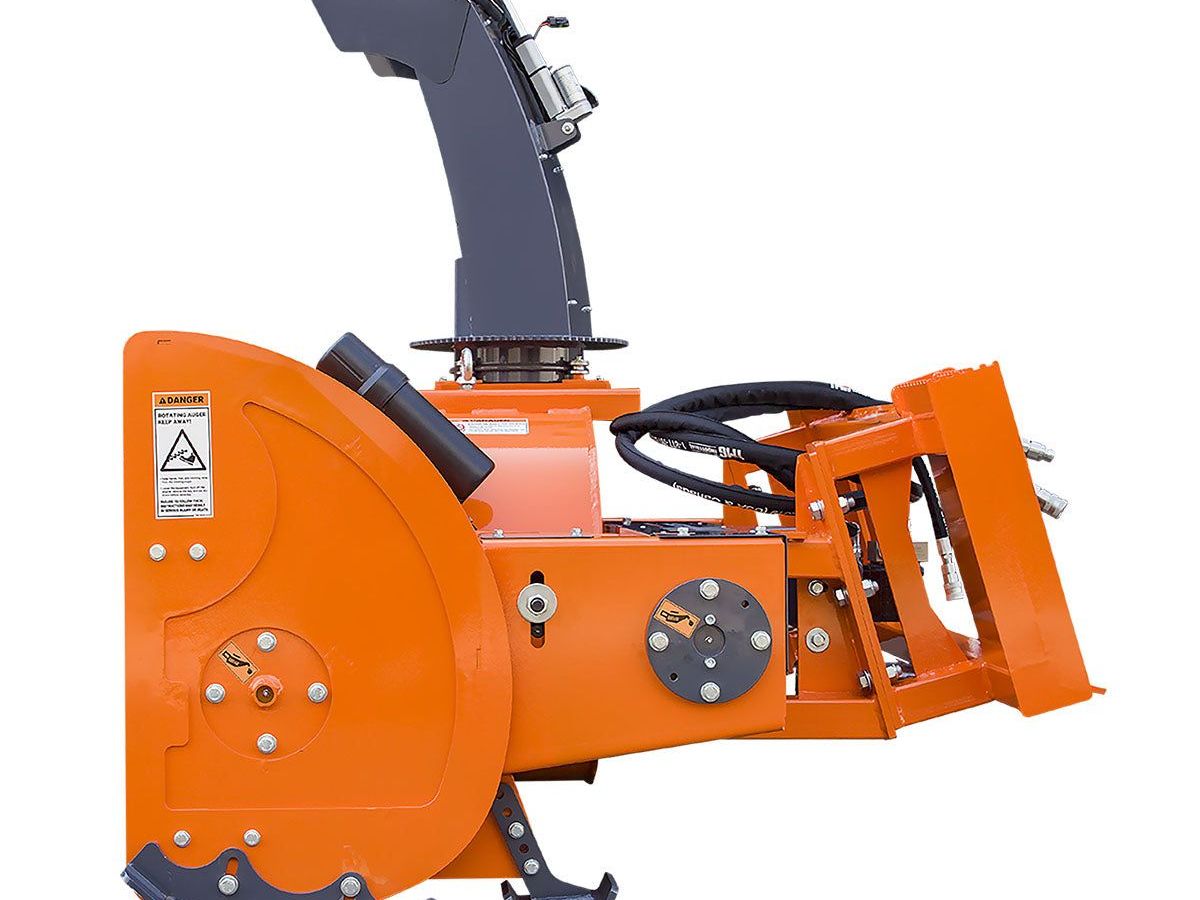
So, you’re diving into the world of skid steer blowers, huh? Well, let me tell you, there are a few types to consider. Single-stage blowers are the basic ones; they scoop and throw snow in one go. Then, you’ve got the two-stage blowers, which first break up the snow before tossing it, making ’em great for heavy-duty jobs. And don’t forget the high-flow blowers, which need a skid steer with a bit more oomph.
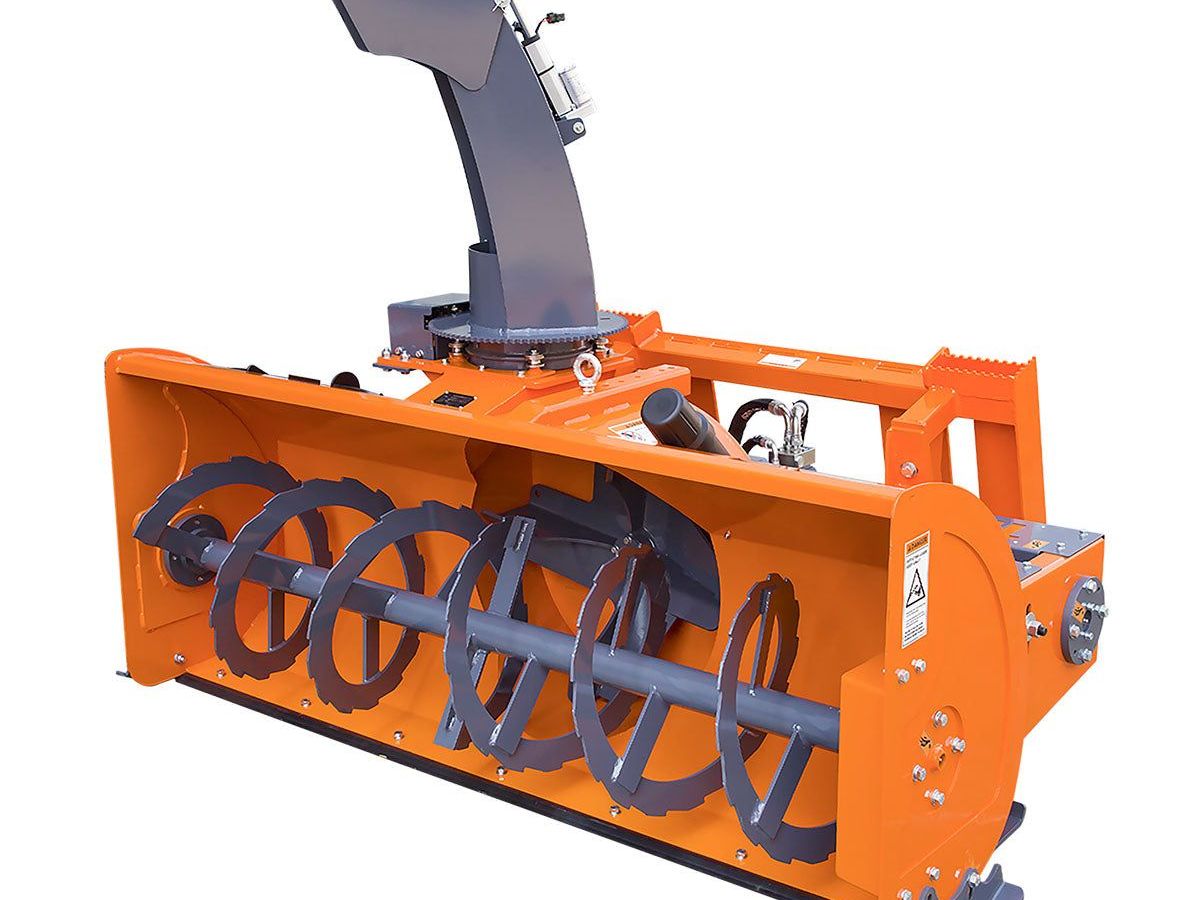
When picking a blower for skid steer, look for features that make your life easier. A motor-driven chute is a lifesaver, letting you direct the snow without getting out of the cab. Adjustable skid shoes are crucial for different surfaces, and a sturdy auger will chew through snow like a champ. Trust me, these features are game-changers.
Adding a skid steer blower attachment transforms your machine into a snow-busting beast. It’s not just about clearing driveways; you can tackle parking lots, sidewalks, and more. With this attachment, your skid steer with blower becomes a versatile tool that saves time and effort in snow management. Honestly, it’s like giving your skid steer superpowers.
A skid steer blower is not just an attachment; it’s your winter warrior. With the right blower skid, you can conquer snow with ease, making winter work a breeze.
Setting Up Your Skid Steer Blower for Success
Attaching the Blower Correctly
Getting your skid steer snow blower hooked up right is the first step. Make sure the mount fits your skid steer perfectly; it’s like finding the right puzzle piece. Double-check those pins and locks – you don’t want anything coming loose in the middle of a job.
Adjusting Skid Shoes for Different Surfaces
Skid shoes are your best friends when dealing with uneven surfaces. For gravel, keep them higher to avoid scooping up rocks. On smooth concrete, lower them for a cleaner scrape. It’s like adjusting your shoes for different terrains – comfy and practical.
Ensuring Proper Hydraulic Connections
Hydraulics are the heart of your skid steer snow blower attachment. Check all hydraulic lines for leaks and ensure they’re connected snugly. If the hydraulics aren’t right, you’re not going anywhere fast. It’s like making sure your car’s engine is running smoothly before a road trip.
Getting everything set up right with your skid steer snow blower saves time and headaches down the road. Trust me, a little prep work goes a long way in making your snow-clearing job a breeze.
Mastering Basic Operation Techniques
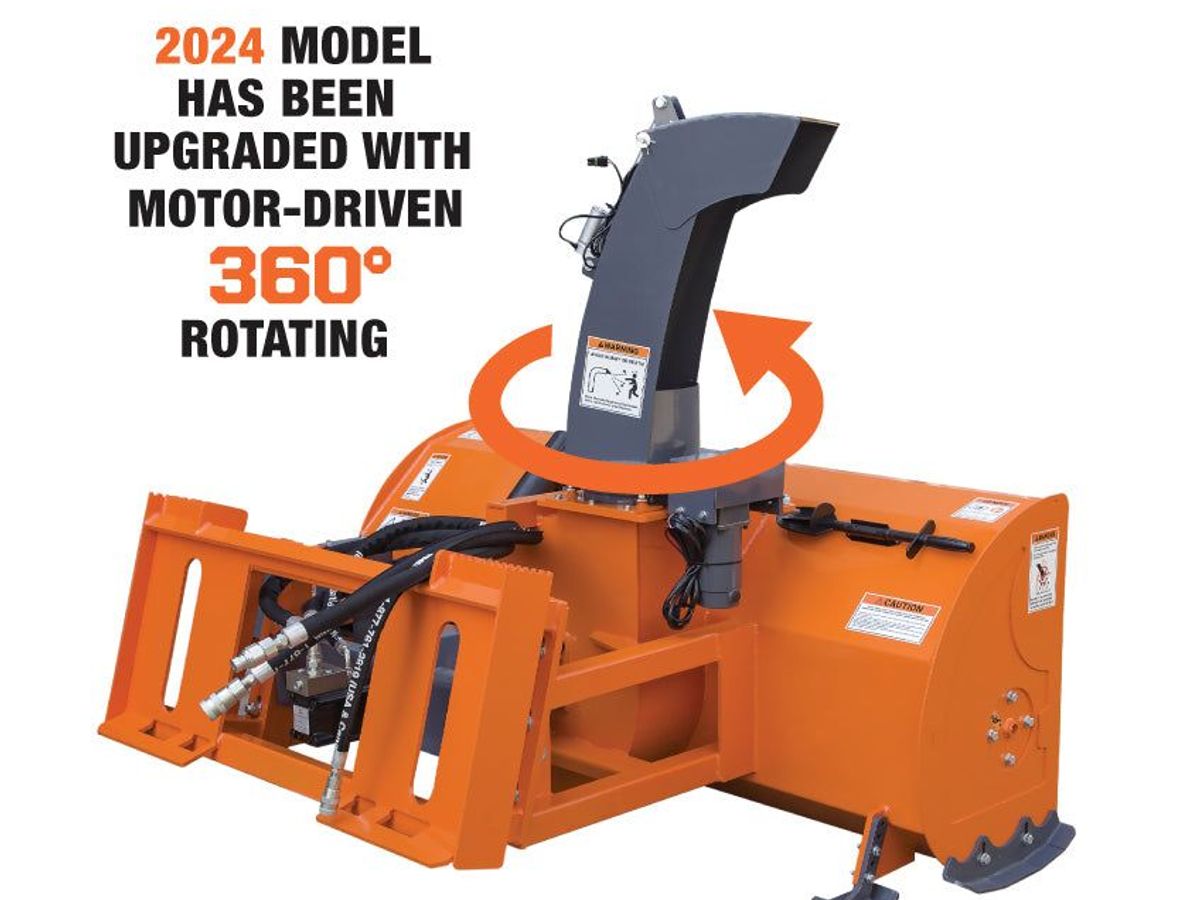
Starting and Stopping the Blower Safely
So, starting up your skid steer blower isn’t rocket science, but you gotta do it right. First things first, make sure the area is clear of any obstacles or people. Fire up the engine and let it warm up a bit before engaging the blower. When you’re done, turn off the blower first, then the engine. Simple, right?
Controlling Speed and Direction
Now, controlling the speed and direction is where you show off your skills. Keep it steady and don’t rush. Use the controls to adjust your speed based on the snow conditions. For direction, just steer the skid steer where you want the snow to go. It’s like driving a car, but more fun because, you know, snow!
Using the Blower in Various Snow Conditions
Snow is unpredictable, and you gotta adapt. Light, fluffy snow? Easy peasy, just zip through it. Wet, heavy snow? Slow down and maybe take a few passes. And for icy patches, be cautious and keep a firm grip on the controls. Remember, each snow condition needs a slightly different touch.
Advanced Techniques for Efficient Snow Removal
Implementing Multi-Pass Strategies
First off, let’s talk about multi-pass strategies. This is where you make several passes over the same area to get it super clean. Start with a main pass to clear most of the snow. Then, follow up with a second pass to tidy up the edges. Finally, do a detail pass for a neat finish. It’s like giving your driveway a nice, clean haircut.
Working with Wind Direction
Next up, you need to consider the wind. Always try to blow snow in the direction the wind is blowing. This way, you avoid the snow blowing back into your face or onto areas you’ve already cleared. It’s a simple trick, but it makes a big difference.
Creating Strategic Disposal Zones
Finally, think about where the snow is going. You don’t want to pile it up in spots where it’ll just cause more trouble later. Plan your disposal zones in advance. Make sure they’re out of the way and won’t melt into a big icy mess when the sun comes out. This is all about working smarter, not harder.
When you master these techniques, snow removal becomes less of a chore and more of a breeze. It’s all about having a game plan and sticking to it.
Maintenance Tips to Extend Your Blower’s Life
Regular Inspection and Cleaning
So, keeping your skid steer blower in top shape isn’t rocket science. Regular inspections and cleaning can really make a difference. Check for any debris stuck in there and give it a good clean after every use. It’s like brushing your teeth, just do it, and you’ll avoid bigger problems down the line.
Replacing Wearable Parts
Now, let’s talk about parts that wear out. Things like cutting edges and skid shoes need attention. Keep an eye on them and replace them when they start looking worn out. If you let them go too long, they can mess up your blower’s performance.
Storing the Blower Properly
When you’re done for the season, don’t just leave your blower out there. Store it in a dry place, away from the elements. Cover it up if you can. A little effort here will save you a lot of headaches when you pull it out next winter.
Taking care of your blower isn’t just about keeping it clean. It’s about making sure it lasts longer and works better every time you need it.
Safety First: Operating Your Blower Safely
Pre-Operation Safety Checks
Before you even think about starting up your skid steer blower, give it a good once-over. Check out those cutting edges and any parts that might wear down over time. Make sure all the hydraulic connections are tight and not leaking. Don’t forget to check if the chute can rotate smoothly—you don’t want it getting stuck when you’re in the middle of clearing snow.
Keeping Bystanders Safe
When you’re out there blowing snow, always keep an eye out for people. You never know when someone might wander into your work area. It’s best to keep bystanders at a safe distance. If you’ve got kids or pets around, make sure they’re far away from the action.
Avoiding Hidden Obstacles
Snow can hide a lot of stuff you don’t want to hit—like rocks, branches, or even garden gnomes. So, take it slow and keep your eyes peeled for anything that might be lurking under the snow. Hitting something solid can mess up your blower and ruin your day.
Understanding the Impact of Weather Conditions
How Temperature Affects Snow Removal
Snow and cold, they’re like peanut butter and jelly, right? But when it comes to snow removal, temperature is a game-changer. Cold weather can thicken hydraulic fluids and make engines sluggish. You gotta keep an eye on that thermometer, especially when it dips below freezing.
Dealing with Wet and Heavy Snow
Wet snow is like that heavy bag of groceries you dread picking up. It’s dense and tough to move. Your blower will need more power to handle it, and you might have to slow down a bit. Keep an eye on your chute, as clogs can be a pain.
Adjusting Techniques for Powdery Snow
Powdery snow is a breeze, literally! It’s light, fluffy, and easy to blow away. You can move faster, but watch out for blow-back. Adjust your chute angle to avoid a face full of snow. It’s all about finding the right balance between speed and control.
Weather can be unpredictable, but understanding how it affects your skid steer blower can turn a frustrating job into a smooth operation. Keep your gear in top shape and adjust your techniques based on the snow type and temperature. It makes all the difference when you’re out there battling the elements.
Optimizing Performance with the Right Equipment
Matching Blower Size to Skid Steer Power
Picking the right blower size is like finding the perfect pair of shoes; it needs to fit just right. If your skid steer is too powerful for a small blower, you might end up wasting fuel. On the flip side, a big blower on a small skid steer can make your machine struggle. Getting the match right is key to smooth snow removal.
Choosing the Right Blower for Your Needs
Not all blowers are created equal. Some are better for light, fluffy snow, while others can handle the heavy, wet stuff. Think about the usual snow conditions in your area and pick a blower that matches those needs. This way, you won’t be left stuck in the snow when the big storms hit.
Understanding Hydraulic Requirements
Hydraulics are the lifeblood of your skid steer and blower combo. You need to make sure they’re compatible. Check the flow rate and pressure specs to avoid any hiccups. A custom-matched hydraulic motor can make all the difference in performance, ensuring everything runs smoothly without a hitch.
Troubleshooting Common Blower Issues
Identifying Hydraulic Problems
So, you’re dealing with a sluggish blower? Hydraulic issues might be the culprit. Check fluid levels first. If they’re low or dirty, that’s a red flag. Listen for weird noises, like a moaning or whining sound, which could mean air is trapped in the system. If the blower’s acting erratically, the pump or motor might be on the fritz.
Fixing Chute Rotation Issues
Chute not turning? That’s a hassle. First, make sure the chute isn’t jammed with snow or ice. Then, check the motor and gears for any signs of damage or wear. Sometimes, a simple gear adjustment or replacement can solve the problem.
Dealing with Clogs and Blockages
Got a blockage? Yeah, it happens. Snow and debris can easily clog things up. Turn off the blower and clear the chute manually. A stick or broom handle works great for this. Make sure to double-check the auger and impeller for any leftover debris that might cause future clogs.
Keeping a close eye on these issues can save you a ton of headaches down the road. Regular checks and maintenance are your best friends when it comes to keeping your blower in top shape.
Exploring Commercial Applications
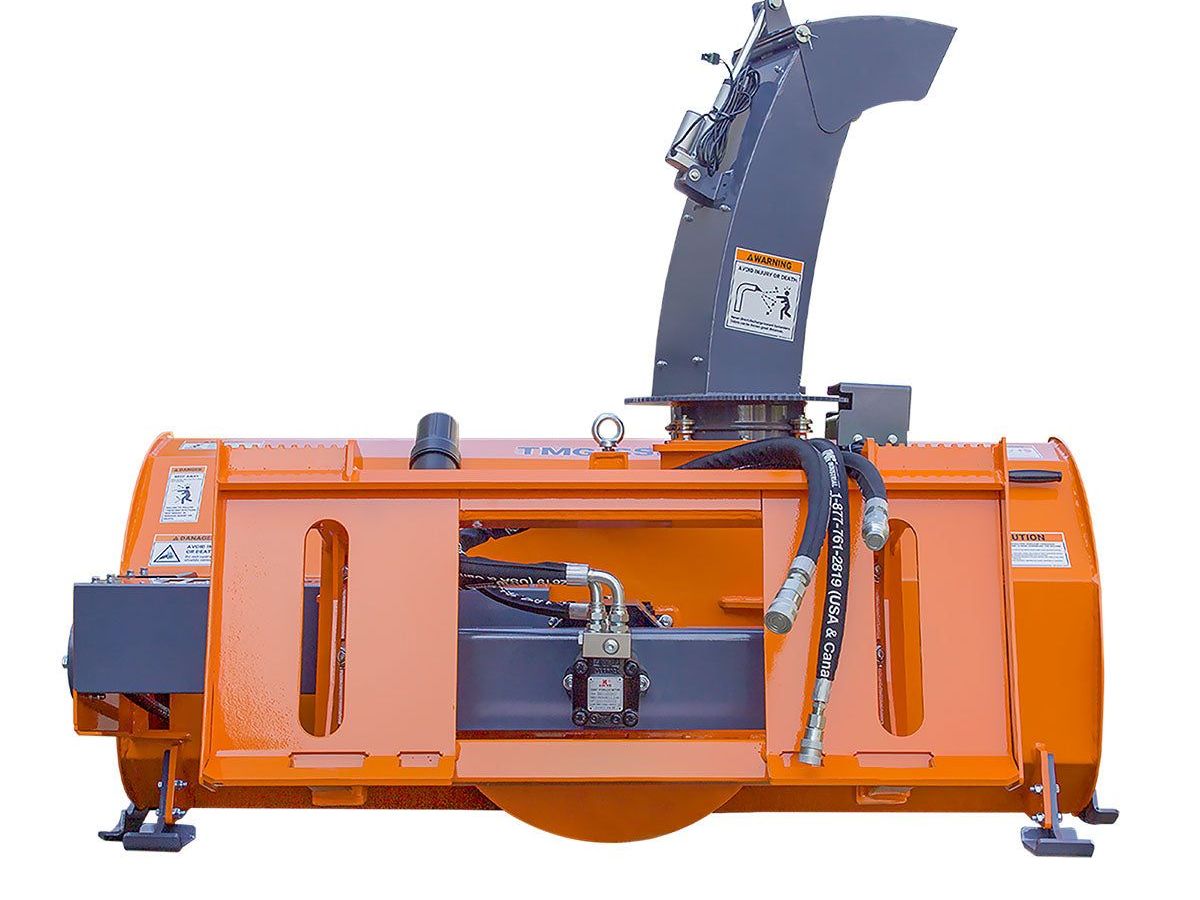
Running a skid steer blower on big properties is like having a superpower. Clearing vast parking lots or long driveways becomes a breeze. It’s all about efficiency and speed, saving you tons of time.
Adding a blower to your snow management toolkit is a game-changer. It fits right into your strategy, making snow removal smoother and more effective. This integration helps in planning and executing snow-clearing tasks seamlessly.
For property managers, using blowers offers several perks. It ensures quick snow removal, keeps tenants happy, and reduces liability risks. Blowers are a reliable solution for maintaining safe and accessible properties during winter.
In today’s world, businesses are finding new ways to use technology to improve their operations. From automating tasks to enhancing customer experiences, the possibilities are endless. If you’re curious about how these innovations can benefit your business, visit our website for more information!
Wrapping It Up: Your Skid Steer Blower Journey
So, there you have it! Mastering your skid steer blower isn’t just about knowing how to operate it; it’s about understanding the ins and outs of snow removal. From adjusting the skid shoes to match the surface to planning your snow-clearing patterns, every little detail counts. Remember, safety first! Always check your equipment before you start and keep an eye out for obstacles. With practice and the right techniques, you’ll be clearing snow like a pro in no time. Now, get out there and tackle that snow!
Frequently Asked Questions
What is a skid steer blower?
A skid steer blower is an attachment that helps skid steers clear snow easily. It works like a snow plow but is more effective for heavy snow.
How do I attach the blower to my skid steer?
To attach the blower, line it up with the skid steer’s mount and secure it using the locking pins. Make sure it’s tight and stable.
What should I do if the blower gets clogged?
If the blower clogs, stop the machine and clear the blockage carefully. Always turn off the engine before doing this.
How can I maintain my skid steer blower?
Regularly check for any wear and tear, clean it after use, and replace any damaged parts to keep it working well.
Can I use the blower on gravel surfaces?
Yes, but you should adjust the height of the skid shoes to prevent damage to both the blower and the gravel surface.
What are the safety tips for operating a skid steer blower?
Always check your equipment before use, keep bystanders away, and be aware of your surroundings to avoid accidents.
How does weather affect snow removal with a blower?
Weather plays a big role. For instance, wet snow is heavier and harder to remove, while light, powdery snow is easier to clear.
What size skid steer do I need for a blower?
You typically need a skid steer with 45-75 horsepower to efficiently use a skid steer blower.