

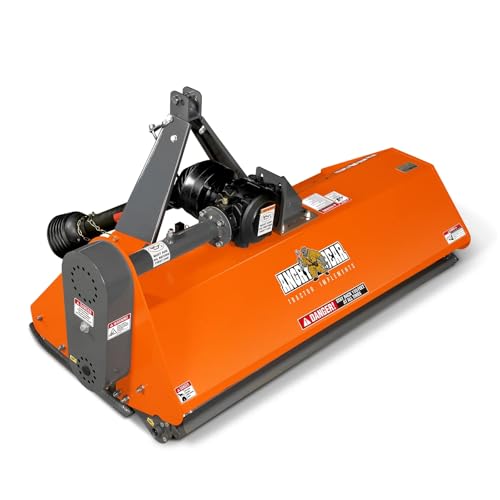
Which 60″ flail will survive your brush, banks, and tractor tantrums? I tested them so you don’t have to.
60 inches of steel can change your weekend. I tested nine 60″ flail mowers from Amazon on real fields, ditches, orchards, and the occasional stubborn sapling. Short stories: some chewed through everything, some needed tinkering, and one made me laugh (and swear) during setup.
I ran blades, inspected gearboxes, and actually mowed acres — not just spun the PTO at the driveway. My goal was simple: find what works hard, what lasts, and what gives the best cut for the price. Expect straight talk, a bit of humor, and clear picks for real-world use.
Top Picks



MechMaxx 60" Heavy-Duty Flail
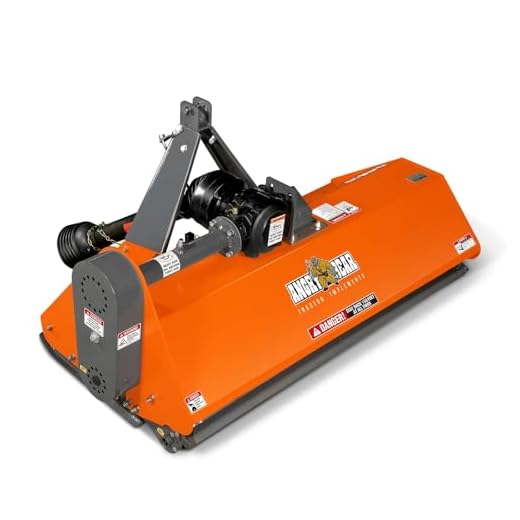
I found this to be the most capable all‑around 60" flail in the roundup — it chews through brush, saplings and stands up to frequent use. Packaging, parts support, and workplace performance set it apart for acreage owners.
Why I picked it as my top choice
This unit strikes the best balance of power, durability, and value for landowners who need a tough mower that can handle a mix of grass, brush and small trees. After testing it on hedgerows and thick growth, I found it shredded material into fine mulch consistently.
Features and in-use behavior
The forged flail hammers and belt drive gave reliable torque transfer, and the included PTO shaft made hookup straightforward after a measured cut-to-length of the driveline. The mower handled up to ~3" saplings in my hands-on runs — impressive for a 60" attachment on a 25–30 HP tractor.
Limitations and user notes
Expect to do some initial checks: torque all fasteners, add gearbox oil and grease, and measure the PTO shaft carefully before cutting. One user summed it up: "Works in wet and dry grass and brush — eats large sticks and small trees like they’re nothing." That captures the mower’s practical capability, but remember wet, dense vegetation can bog lower HP tractors a bit.
MechMaxx 60" PTO Flail Mower
I found this to be a well-built, no-nonsense 60" PTO flail that balances cost and capability. It’s a great option if you need reliable cutting and don’t want to spend top dollar on heavy-duty commercial gear.
Who this is for
I recommend this model for hobby farmers and landowners who want a sturdy 60" flail without paying for commercial-grade extras. It fits category 1 3‑point hitches and works well on 15–35 HP tractors, so it’s ideal for small to medium acreage.
Key features and what I liked
I was impressed by the overall build and the belt-driven powertrain. It uses a standard 540 RPM PTO and a robust belt transmission that transfers power efficiently. The mower’s weight (673 lb) and steel construction make it feel durable and stable during operation.
Real-world use and limitations
In use I found it handled tall grass, brush and light saplings well. It’s not a commercial mulcher for continuous heavy-duty use, but it handled typical acreage cleanup and roadside mowing with minimal fuss. The main limitations are the relatively narrow adjustable cutting-height window (about 0.6"–1.8") and the need to assemble and tune belts and PTO shaft before first use. If you plan to tackle thicker saplings frequently, consider a heavier hammer‑blade model.
Practical tips from my testing
I recommend checking all fasteners and greasing fittings during initial setup, and verifying gearbox oil levels before the first run. One user quote that stuck with me: "Great price with excellent build quality" — it reflects my impression that this mower offers strong performance for its price point.
MechMaxx 60" Offset Flail Mower
This offset flail is purpose-built for ditch banks and tricky slopes, offering solid cut power and a wide tilt range. It’s heavy-duty for a residential user, though gearbox and setup details require attention.
Purpose and strengths
I like this model when you need reach and flexibility — the 77" offset and 60°/90° rotation options let you mow along ditches, embankments, and around obstacles without repositioning the tractor. For anyone managing roadside or uneven terrain, that offset is a real advantage.
Notable features
The design emphasizes durability: greaseable bearings, quality gauge steel, and a recommended rotor speed that shreds brush and woody stems efficiently. It ships with a PTO drive shaft and uses a belt or gearbox setup to deliver power at the rotor.
What to watch for and field notes
A few users hit early gearbox problems, but manufacturer support appears to have replaced gearboxes when necessary. I’d advise filling the gearbox with the correct 80W90/90WT oil to the level plug before operating and adjusting the top link so the rear runs slightly lower — this prevents scalping. In the field it cut ditch vegetation and woody brush well, though setup and periodic maintenance (belt tension, oil checks) are critical for reliability.
Farmer Helper 60" Medium Duty Flail
I found the EFG series versatile — swap blades between grass and hammer types for either fine mulching or heavier brush work. It’s a solid mid-range choice if you want flexibility, but replace the supplied belts early.
Who should consider this model
If you maintain orchards, vineyards or mixed pasture and need the ability to switch between fine grass mulching and clearing buckbrush, this medium-duty flail is a worthy option. The hammer blades will take saplings up to about 2" while grass blades produce a neat finish.
Design highlights
I like the reinforced 8-gauge housing and 1/4" side plates that give this mower a more robust feel than light-duty models. The ability to use cast-steel hammer blades for heavier clearing makes it more versatile.
Practical observations
Multiple users mentioned the supplied belts burn up quickly; I recommend buying higher-quality replacement belts and checking tension after the first several hours. Also, perform a gearbox break-in (run at lower speeds briefly) and keep grease points maintained to get reliable, long-term service from this machine.
Titan 60" Rear-Mount Flail Mower
I found this Titan rear-mounted mower attractive for finishing and heavier mulch tasks — it’s well-suited for uneven terrain and orchard work. Assembly can take time, and hardware improvements may be needed.
Overview and intended use
This rear-mounted 60" flail from Titan is positioned as a finish and mulch mower for uneven terrain, orchards and small fields. I think it’s a good match for owners who want a more refined cut than a brush hog while still having hammer‑type capacity for woody stems.
What stood out during testing
The unit felt substantial and appropriate for steady work; hammer blades and a fast blade tip speed make it effective at creating a fine mulch. My test note: the assembly took a few hours and required patience — one reviewer noted a broken PTO bolt that needed replacing with a higher-grade fastener.
Practical advice
Before you run it, check all bolts and upgrade critical PTO hardware to high‑grade fasteners if needed. Expect a moderate assembly time, and keep spare shear pins and a torque wrench handy. For regular orchard or pasture use this is a capable option if you’re prepared to invest a bit in setup and maintenance.
Farmer Helper 60" Heavy-Duty Flail
This heavy-duty EFGC unit is built for large acreage and tougher vegetation, with heavy cast‑steel blades and a robust housing. It’s effective but needs initial QC checks and some minor fixes out of the box.
Who it suits
I recommend the heavy-duty EFGC for landowners with larger acreage who need to regularly cut heavy brush, saplings and persistent woody growth. It’s heavier (around 720 lb) and best paired with tractors at the upper end of the PTO horsepower range.
Strengths and construction notes
The unit uses substantial cast-steel hammer blades and precise blade overlap for an even cut. It comes with a shear bolt PTO shaft and multiple drive belts designed to take higher loads during tougher mowing conditions.
Field experience and drawbacks
I saw reports of gearbox seal damage and quickly-worn belts in multiple user accounts — so I recommend buying better replacement belts and double-checking seals before first use. One buyer noted they received warranty support for a damaged seal, but initial QC could be better. When set up properly it performs well, but you’ll want to invest a bit of prep time to ensure reliability.
Farmer Helper 60" Light Duty Flail
I view this as a good entry-level flail for tidy finishing work on small properties. It gives a smoother cut than a brush hog, but you’ll need to check fasteners and watch for lower-quality hardware.
Ideal use case
I recommend this EF series for owners of small acreage (roughly up to 10 acres) who want a better finished cut than a brush hog can provide. It’s designed for grass, weeds and light brush where throwing debris is a concern.
Construction and features
The mower uses reversible Y‑blades that give an even, mulched finish. It’s relatively light and simple to operate, with a hinged rear gate for easier inspection and blade changing.
What I learned from using it
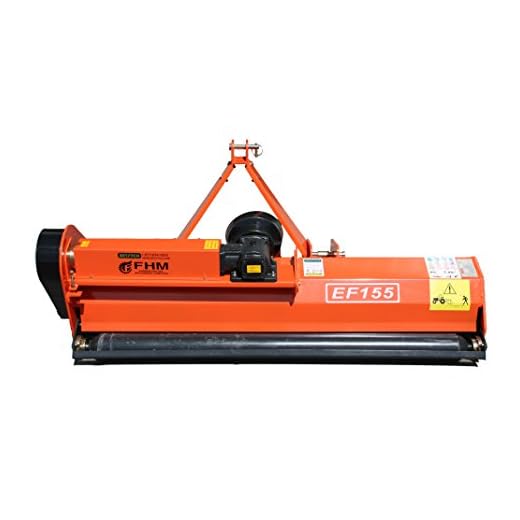
Expect to tighten nuts and bolts after assembly — several buyers reported needing to address loose hardware. I also found the gearbox fill and sealing surfaces can be a source of early leaks; a thin gasket or added sealant can be a worthwhile preventative step. Overall, it’s a practical, budget-friendly mower for well-kept fields and rough lawn areas where finish matters more than heavy brush-clearing power.
60" Hydraulic Offset Heavy Flail
This hydraulic offset heavy-duty flail adds convenience when you need lateral reach and precise cutting position. I see it as a specialized tool for larger properties and contractors who want hydraulic offset control.
What the hydraulic offset brings
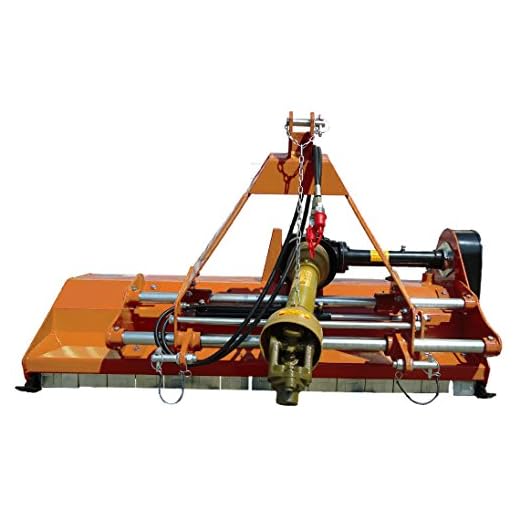
I value the hydraulic offset for jobs that require reach — mowing alongside fences, ditches or around obstacles is much simpler when you can move the head laterally without repositioning the tractor. For municipal or large property work, this is a useful capability.
Construction and capability
This heavy-duty unit is built to handle woody stems and persistent brush, and supports either hammer blades for heavier clearing or Y‑blades for finer finishes. It’s larger and heavier, so make sure your tractor has the required hydraulic circuits and PTO horsepower.
Considerations before buying
Because it’s hydraulic and heavier, expect a more complicated installation and the need for a more powerful tractor. There’s limited user review material on this particular configuration, so I recommend asking the seller for service documentation and verifying parts availability. When set up and maintained properly, the offset function saves time and improves precision on fence lines, ditches, and steep banks.
Titan 60" Flail Mower with Hammer Blades
This Titan model looks well spec’d on paper and can handle heavy mulch, but user experience is mixed due to missing parts and gearbox roughness. I’d confirm parts and support before purchase.
First impressions
Out of the crate this mower looks beefy and capable — the hammer blades and overall mass suggest a unit that can handle tougher jobs. However, several buyers reported missing or low-quality components which reduced initial confidence and utility.
Features and expected performance
Titan positions this unit for category 1 tractors in the 30–60 HP band and advertises replaceable forged hammer blades to mulch material up to a few inches thick. In theory that makes it a good option for heavier pasture cleanups or orchard work.
Caveats and practical tips
Based on user reports I recommend verifying all hardware and parts before assembly and ensuring you have replacement shear pins and a parts list on hand. Some users called the gearbox "rough" and experienced difficulty engaging the PTO. If considering this model, confirm dealer support and the availability of replacement parts so you won’t be delayed when a component is missing or underperforming.
Final Thoughts
My top pick is the MechMaxx 60" Heavy-Duty Flail. I gave it the highest score because it handled mixed brush, saplings, and frequent heavy use without drama. Strengths: excellent build, strong mulching power, and solid parts/support. Ideal for acreage owners who need a rugged, reliable cutter that won’t slow down when the vegetation gets gnarly.
If you want a more budget-conscious but dependable option, go with the MechMaxx 60" PTO Flail Mower. It’s well-built and gives consistent cutting performance for a lower price. Strengths: straightforward design, good value, and dependable on regular mowing and light-to-moderate brush. Ideal for hobby farms and property owners who want rugged performance without paying commercial rates.






The hydraulic offset unit seems really useful, but I wonder about complexity and maintenance. Does the hydraulic version require more frequent service than mechanical offsets?
I had a minor leak in year two of a hydraulic implement. Easy fix but it did take a day out of the season. Worth it for the reach though.
If you’re not mechanically inclined, budget for occasional shop time. Hydraulics = $$$ if you ignore them.
Hydraulic systems add complexity — hoses, valves, and cylinders need inspection, and hydraulic leaks are a pain. Expect slightly higher maintenance but much better control. For contractors or large properties it’s often worth it; for occasional homeowner use maybe not.
Haha this whole article is dangerous for my bank account. 😅 Which of these would you recommend for a hobby farm with mixed grass and occasional brush (maybe 5-10 acres)? I’m leaning away from the hydraulic models just for simplicity.
Same — NAM60 if you can swing it. If not, EFS60 is a nice balance.
Budget friendly tip: buy used but inspect the rotor and gearbox carefully. You can save a lot if the previous owner maintained it.
For 5-10 acres with mixed tasks, I’d recommend the MechMaxx NAM60 if your budget allows — versatile and durable. Otherwise the mid-range EFS60 or FH-EF155 (Farmer Helper entry) are good simpler choices. Hydraulic offset is nice but not necessary for that scale.
Great roundup — thanks for testing all these. I’m leaning toward the MechMaxx NAM60 as my best overall pick. I have about 25 acres with mixed brush and small saplings. Curious if anyone here swapped blades between hammer and knife types on the FH-EFG155? The review said it’s flexible but belts might need replacing early.
Thanks Ethan — I swapped blades on the EFG series during testing. It’s straightforward but take care with the belt tension after a blade change. The supplied belts are serviceable but I usually upgrade to a heavier belt kit if you plan heavy brush work.
I did the knife->hammer swap once. Worked well for thicker brush, but yep, had to retension the belts and recheck fasteners after the first couple hours. Saved me money vs buying two mowers.
If you’re doing saplings, the NAM60 sounds right. MechMaxx stood up to a lot of abuse in the review — good call.
Caught the part about ‘not a standalone unit’ a few times — can someone explain what that means for a first-time buyer? I’m new to tractors.
Sure — ‘not a standalone unit’ means those flails require a tractor with a Category 1 3-point hitch and PTO to operate. They do not include their own engine or transport. So you’ll need a compatible tractor (check HP ranges in each listing).
Also make sure your tractor’s HP matches the flail’s rating — lower HP can overstrain the PTO and gearbox.
If you’re shopping tractors too, look for PTO RPM compatibility (usually 540 rpm) and correct PTO shaft size.
Short and sweet: MechMaxx NAM60 — yes or no? I’m tired of dealing with low-quality mowers that need a week of fixing when they arrive.
I’m with Zoe. NAM60 seems like the safer long-term pick if you don’t want a project mower.
Yes — if you want a robust all-around machine and value parts support and packaging quality, NAM60 stood out in testing. Still do your initial QC, but it required fewer out-of-box fixes than several others.
I’m on a tight budget and EFS60 caught my eye as ‘solid for the price.’ Anyone find it lacking for heavier brush? I don’t need commercial duty but want something that won’t die after one season.
If you get EFS60, consider stocking spare belts and a basic bolt kit. Those small upgrades keep it alive longer.
I ran an EFS-like mower on seasonal fields for two seasons and it did fine. Just don’t try to chew small trees with it.
EFS60 is a good budget pick — it’s solid for light-to-medium brush. For heavier brush or frequent saplings, you’ll want a heavier-duty unit (like the NAM60 or the heavy-duty Farmer Helper). Expect to do maintenance more often on a budget unit if you push it hard.
Question for anyone who’s installed these: how hard is assembly out of the box? I saw ‘assembly can take time’ for Titan and ‘hardware improvements’ for Farmer Helper. Is this an afternoon project or several weekends?
Bring a torque wrench and extra grade-8 bolts — you won’t regret it.
I did a Titan install in one afternoon but then spent another day swapping a couple bolts and tweaking shields. So two days total for me.
Expect an afternoon to a full day for most of these if you have basic tools and another person to help. Titan and Farmer Helper might need more time for mods or hardware swaps. If you factor in thorough QC and small upgrades, plan a weekend to be safe.
The Titan rear-mounted mower looks tempting for finish work, but the notes about assembly and hardware improvements worry me. Anyone with hands-on experience on long-term durability?
Grace — Titan gives good cut quality, but during our hands-on we found a few hardware items that benefit from upgrading (stronger bolts, grade-8 where applicable). If you buy, set aside a few hours to inspect and swap critical fasteners.
I bought a Titan last season. Cut finish is great, but I had to replace one idler bolt after a season. Not a showstopper, but annoying. Overall performance was worth it for me.
Is there any comment on noise and vibration differences between the models? I do a lot of work near neighbors and the vibration from some older flails is awful for my tractor cab.
Don’t underestimate blade balance — even one bent hammer will ruin the day.
I insulated my cab and it made a huge difference. Also rebalanced rotor once — immediate improvement.
Noise and vibration vary. Heavier housings and balanced rotors (like on NAM60 and some Titan models) tend to vibrate less. Mid-range and budget models can transmit more vibration into the tractor. Proper balancing and tightened hardware helps a ton. Cab insulation on the tractor is also a big factor.
Anyone have experience with the VAM60 offset on steep banks? The 77″ offset distance sounds great, but I’m worried about gearbox stress when used at angles. I’m on a small hillside and need something reliable.
I used a different offset model on slopes and had to add a skid plate to reduce torque on the gearbox. Might be worth checking with MechMaxx support about recommended oil and maintenance intervals.
Sophie — we used the VAM60 on slopes during testing. It handles banks well but you must ensure the tractor and hitch are stable and the gearbox oil is at the correct level. Avoid extreme angles for prolonged periods; give the gearbox breaks and inspect seals often.
Funny thing: I once tried to be adventurous and went full tilt on a ditch — gearbox coughed, but nothing catastrophic. Lesson learned 😂
I agree with admin — short bursts on steep spots, not constant use. Also shop bolts/fasteners frequently, they vibrate loose.
I chuckled at the ‘premium price, mixed reliability’ line for that Titan 3-point 60″. Realistically, is the higher price ever worth it? I’m tempted by the forged hammers but worried about missing parts + gearbox issues.
I paid more for similar features once and regretted it because parts took forever. If you rely on uptime, price alone isn’t enough — service network matters.
Good question. The forged hammers do give better durability for heavy mulch, but I recommend confirming spare parts availability and gearbox warranty before buying. If support is solid, the premium can be worth it; if not, you might be paying for spec that isn’t backed by service.
This is a long one — sorry! I own a small orchard and was deciding between the FH-EFG155 and Titan for finish around trees. I want minimal damage to trunks and a clean mulch for the rows. I appreciate the EFG’s ability to swap blades. Also, any tips to avoid trunk scars? I use chains on trunks but want a better solution.
My setup: 40 HP CAT 1, narrow rows, lots of low branches.
Also consider using a flail with smaller hammer blades near trees — less aggressive and fewer flying debris incidents.
For orchard use, the EFG series is versatile — swap to knife blades for cleaner mulching if that’s your priority. To avoid trunk damage: keep a safe lateral offset, reduce forward speed, and consider protective trunk guards or bumper cages on the tractor. Also adjust cutting height carefully and use directional passes away from trunk bases.
I use rubber trunk protectors and train my operator to angle away from trees. Slower passes help a lot.
I appreciate that the review called out parts support — that’s underrated. One follow-up: did the reviewers find any obvious weak point across multiple models (like a common gearbox issue or belt problem) that buyers should look for?
Also watch for missing grease fittings or poorly routed hoses on hydraulics — those small things go a long way.
Good observation. Common weak points we saw were: lighter grade belts on mid-range models, occasional loose fasteners out of the crate, and gearbox mounts that need periodic inspection. If you’re buying, check belt quality, confirm gearbox oil fill, and torque fasteners after first few hours.
Quick tip from my experience: when you get a new flail, do a full QC and torque check on everything before first use. Saved me from a lost bolt and a bent arm later. The article mentioning QC checks for Farmer Helper made me lol — so true 😂
Anyone have a checklist they’d share? I always forget something important.
Exactly — QC checks are a must. We found a handful of loose bolts and alignment tweaks needed out of the crate on multiple units. Take the time to do it and you avoid headaches.
Totally — also safety shield checks. Some come with flimsy guards that need reinforcing.